
























NEFCISA
NEFCISA

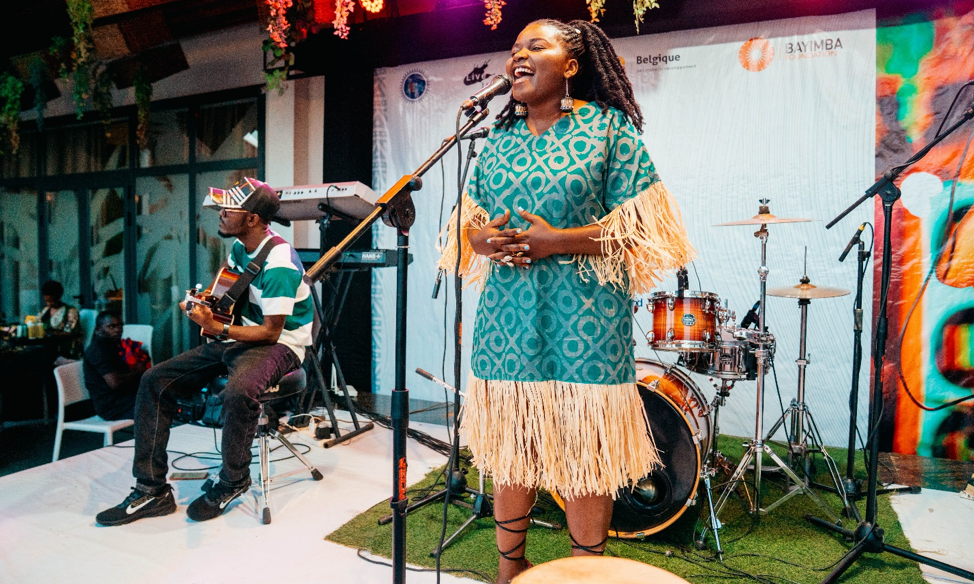
The Music In Africa Foundation (MIAF) is proud of its partnership with the Industrial Development Corporation (IDC) as a Strategic Implementing Partner (SIP) for its Social Employment Fund (SEF). Through this collaboration, MIAF is running a national programme that is creating jobs, addressing skills gaps, and strengthening South Africa's creative industries — in line with the SEF's overarching goal to generate work for the common good and build community value through employment, social contribution, and inclusive economic participation. Operating under the banner NEFCISA (National Employment Facility for Creative Industries in South Africa), the initiative is recruiting and training participants, matching them with host organisations, and has already placed 1 500 workers across the country — surpassing its original target of 1 000. NEFCISA is delivered through a network of 20 host organisations spanning five provinces, who are actively hosting participants and contributing to work for the common good across South Africa's creative and cultural industries. Key Objectives: Support employment and entrepreneurship in the creative industries. Offer skills development and training programmes. Foster partnerships between public and private creative sectors. Promote South African creativity at both provincial and national levels Foster community development through social contribution.

ACCES
ACCES

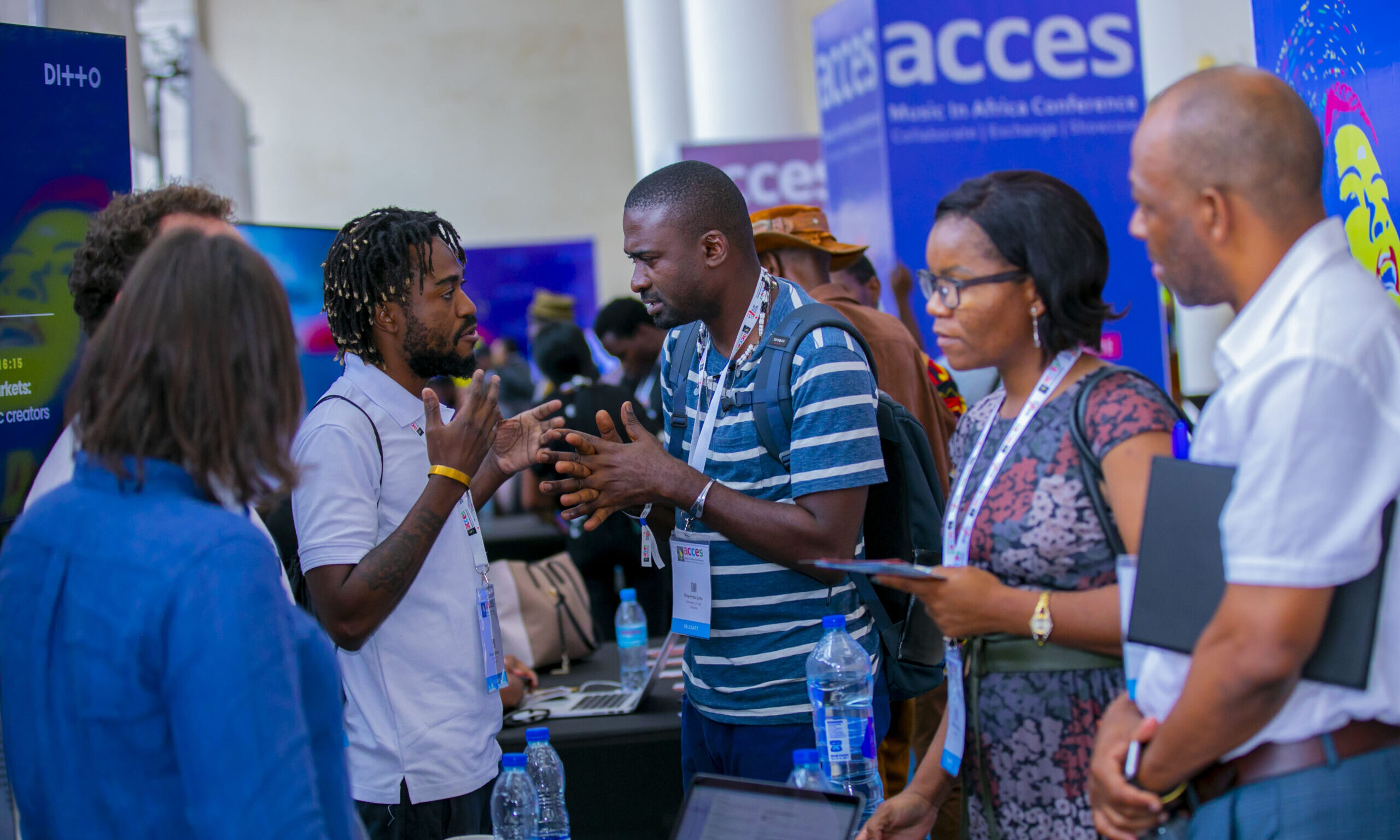
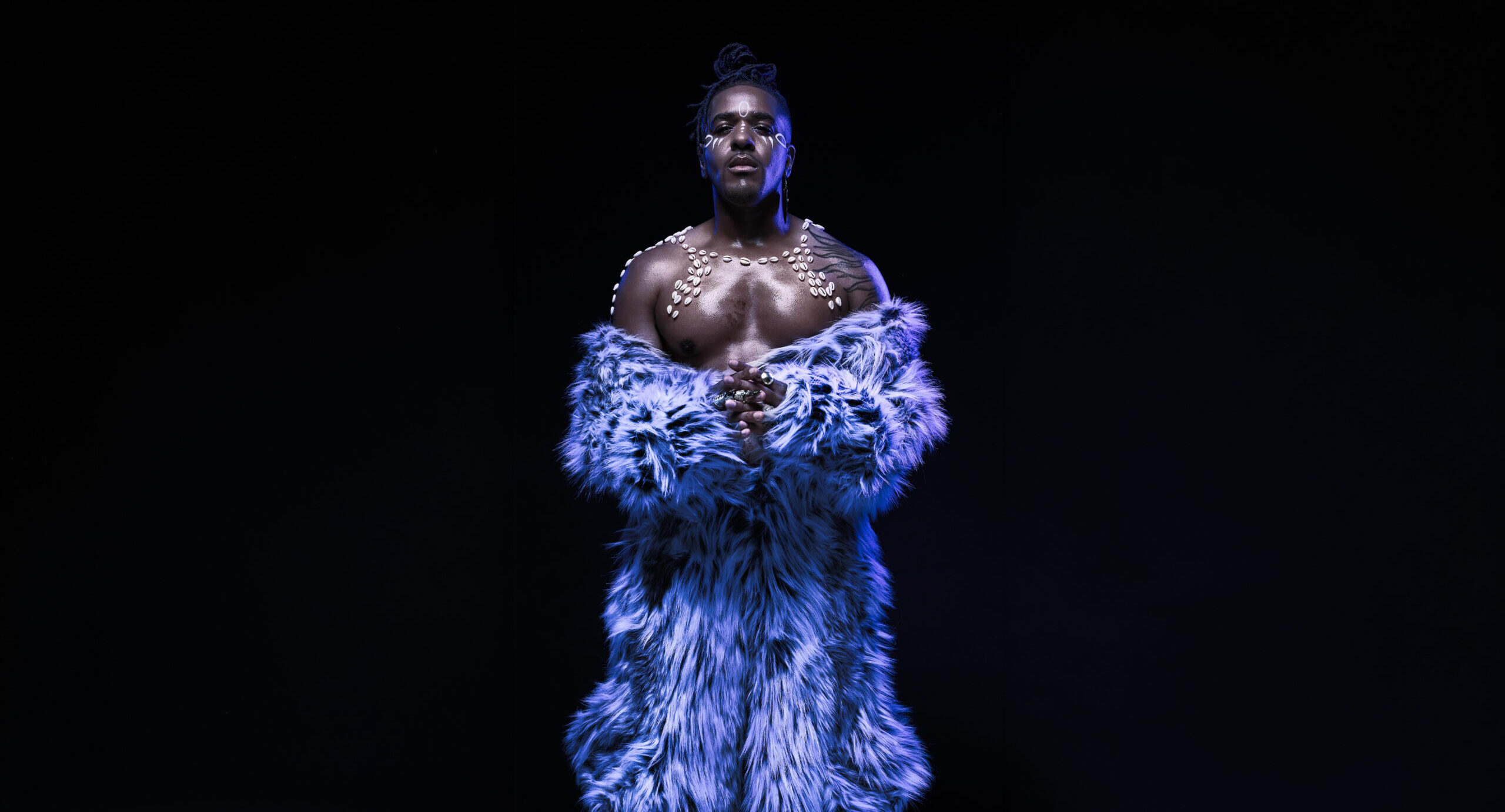
ACCES Conference and Showcase Festival is Africa's leading music industry gathering, bringing together the people shaping the future of the continent's music business. Artists, entrepreneurs, executives, investors, policymakers and cultural leaders from across Africa and around the world come to ACCES to build partnerships, exchange ideas, discover talent and create new business opportunities. Since its launch in 2017, ACCES has become the continent's premier platform for professional exchange and music market development. Combining a high-level conference with a curated showcase festival, networking, exhibitions and industry programmes, ACCES offers a unique space where creativity meets business and where African music connects with the global industry.

Gender@Work
Gender@Work

Music In Africa Gender @ Work is a three-year training programme aimed at upskilling and increasing the participation of female professionals in the African music sector. Launched by the Music In Africa Foundation (MIAF) in April 2019, the programme is connected to the MIAF’s ACCES music conference – a pan-African event held in a different African country every year. This connection enables the programme to reach new participants in a different African country every year. The programme marks the beginning of a more concerted effort by the Foundation to support the participation and inclusion of women in all facets of its programmes and the music sector in Africa as a whole. Over the three years, the programme will aim to address gender imbalances in the sector through training, lobbying, facilitating knowledge exchange and dialogues that foster the interest of women. The broader objectives of the programme are to: Provide industry training for women on critical music industry skills, focusing on: Stage management Electronic music production and recording Music business management Technical knowledge Provide an opportunity for both professional and aspiring women to benefit from the Music In Africa network and its broad range of activities in 2019, 2020 and 2021. Provide a solution-based platform in the form of a round table at ACCES with a view to identify challenges, discuss opportunities and lobby for the interests of female practitioners. Offer participants the opportunity to benefit from programmes offered by MIAF’s partners. Increase access to educational materials. Integrate participants in the broader ACCES programme to maximise experience and exposure to the industry. Record and present training materials on the www.musicinafrica.net, including but not limited to tutorials, templates and other best-practice materials. Communicate women-based themes that support the initiatives and messages of the programme. MAIN TRAINING ACTIVITIES Training in first country (Ghana): In the first year, participants will be trained on all aspects of stage management by a team of experienced stage managers from 10 to 17 November 2019. The programme will offer robust classroom training as well as practical, hands-on training in which participants will also be given the opportunity to manage various aspects of the ACCES performance programme. Training in second country: The second training iteration will take place at ACCES 2020 when the programme will diversify its course to include music production lessons and training on other music business topics. A round-table platform will also be introduced to coincide with the ACCES programme. Training in third country: The third training iteration will take place at ACCES 2021 in a different country, offering an advanced course. HOW DO YOU GET INVOLVED?  As a participant, facilitator or trainer: The programme enrolls up to 12 trainees every year. All opportunities are advertised publicly on this website, and will be added to this page. Please keep checking this page for new calls (below under UPDATES & CURRENT OPPORTUNITIES). As a partner Please contact Claire Metais at [email protected]. APPLY The call for applications for 2020 will be announced soon. The Music In Africa Gender @ Work programme is made possible with the support of the Prince Claus Fund, Siemens Stiftung and Goethe-Institut.

Sound Connects Fund
Sound Connects Fund

For cultural and creative practitioners and organisations operating in southern Africa, access to funding remains a major challenge. The COVID-19 pandemic has also had a massive impact on government policy, spending and the economy in general, and has seen spending on culture being moved further down the list of priorities. Further, the cultural and creative industries repeatedly cite four main areas where investment is needed for growth, which are increased visibility, mobility including access to new markets, finance and support structures.

Instrument Building And Repair Project

Experience the Vibrations African Instruments Exhibition online in 3D

banner image

Côte d'Ivoire : le Zouglou dans l'espace public

Home/Non classé/Côte d’Ivoire : le Zouglou dans l’espace public

Résumé

Cette thèse relève davantage de la démonstration empirique que de l’essai théorique. En effet, le début des années 1990 sonne le glas d’un mouvement de revendications corporatistes d’étudiants à l’avant-garde d’une révolution et en quête de bien-être social en Côte d’Ivoire. Sur fond « d’ambiance facile » naît un style musical dont l’harmonisation consiste en un rythme tambouriné accompagné par des battements de mains, des tintements de bouteilles vides et des revendications chantées: c’est le Zouglou.

Il devient alors une forme musicale expressionniste qui se caractérise non seulement par la dissonance des sons, la parole et de la danse, mais aussi par un état d’esprit, celui de la contestation de l’ordre établi, sur une base politique par des messages clairs, forts et directs. Engagé dans l’espace public ivoirien, ce genre musical se démarque également par un double témoignage sur la réalité sociale ivoirienne: transmettre aussi fidèlement que possible les réalités auxquelles sont confrontées les populations et critiquer, défendre ou encourager les pratiques sociales en vigueur. Le Zouglou devient à la fois l’imaginaire, le reflet de la société ivoirienne et constitue désormais un maillon de l’identité culturelle ivoirienne.

Mais voilà, depuis la crise du 19 septembre 2002, le Zouglou se fait définitivement porteur du message politicien. Pourtant, considéré corrune un rythme révolutionnaire qui dénonce des faits de société, ce genre musical donne l’impression de dévier de son idéologie d’origine pour se retrouver dans l’arène politicienne. Notamment, avec le phénomène des artistes « patriotes ou loyalistes » qui ont un rôle bien clair: attaquer ceux qui n’ont pas les mêmes opinions que le camp présidentiel.

Par conséquent, notre analyse aura pour objectif de restituer ce genre musical dans toute sa complexité et ses dimensions: musicale, économique, sociale et politique. À partir d’une analyse comparative, cette thèse tentera de répondre à la question suivante: comment expliquer la capacité des artistes zouglou à assurer la pérennité de leur mouvement musical, dans un contexte de crise politique (succession de régimes faiblement légitimes et violences politiques) et économique (paupérisation croissante), depuis 1990 ?

Pour répondre à cette question, nous avons émis une hypothèse de recherche et avons examiné les contenus des 131 chansons les plus populaires du Zouglou durant les quatre régimes politiques qu’a connus la Côte d’Ivoire depuis 1990. Par cette démarche, notre défi est de dégager non seulement les thématiques prioritaires de ce genre musical pour chaque période, mais surtout, la représentation que se font les artistes de ces enjeux dans le temps.

Au terme de notre démarche, il sera possible d’arriver à la conclusion suivante: le Zouglou est en continuité avec son idéologie parce que, en tant que moyen de résistance et de créativité face au pouvoir, ses animateurs ont su ne pas s’enliser dans la dénonciation à répétition mais plutôt à proposer des solutions aux problèmes qu’ils dénoncent. Pour ce faire, les artistes vont s’appuyer sur un système de communication, de musique, de danse, et d’humour qui reflète et génère une résonance profonde au sein des couches populaires.

De plus, ils seront continuellement à l’affut des préoccupations sociales du moment grâce aux signaux envoyés par le marché (du CD, des cassettes, des concerts, des DVD). De surcroît, ce genre musical garde toujours les éléments caractéristiques d’origine tels que les thèmes utilisés, le rythme, les instruments et le timbre vocal, même si l’analyse des textes des chansons Zouglou permet de constater que certains thèmes sont plus récurrents que d’autres.

Poussant plus loin l’analyse sur ces thèmes, nous avons constaté que les points de vue et les perceptions du Zouglou tendent à s’uniformiser en dépit du fait que les artistes soient différents. Dans l’ensemble, c’est l’attachement aux valeurs d’origine du Zouglou par les artistes qui expliquent en partie la constance de ce genre musical, malgré les changements politiques survenus depuis 1990.

Voir le document

newsletter banner

Subscribe to our monthly Newsletter

Follow us on social media