
































NEFCISA
NEFCISA

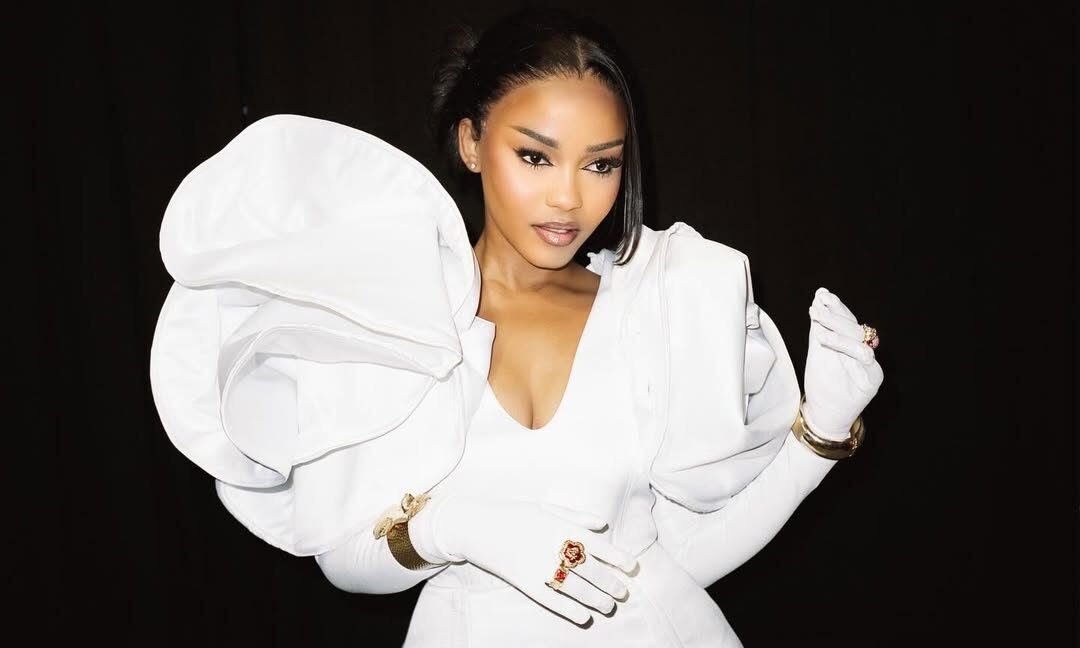
The Music In Africa Foundation (MIAF) is proud of its partnership with the Industrial Development Corporation (IDC) as a Strategic Implementing Partner (SIP) for its Social Employment Fund (SEF). Through this collaboration, MIAF is running a national programme that is creating jobs, addressing skills gaps, and strengthening South Africa's creative industries — in line with the SEF's overarching goal to generate work for the common good and build community value through employment, social contribution, and inclusive economic participation. Operating under the banner NEFCISA (National Employment Facility for Creative Industries in South Africa), the initiative is recruiting and training participants, matching them with host organisations, and has already placed 1 500 workers across the country — surpassing its original target of 1 000. NEFCISA is delivered through a network of 20 host organisations spanning five provinces, who are actively hosting participants and contributing to work for the common good across South Africa's creative and cultural industries. Key Objectives: Support employment and entrepreneurship in the creative industries. Offer skills development and training programmes. Foster partnerships between public and private creative sectors. Promote South African creativity at both provincial and national levels Foster community development through social contribution.

ACCES
ACCES

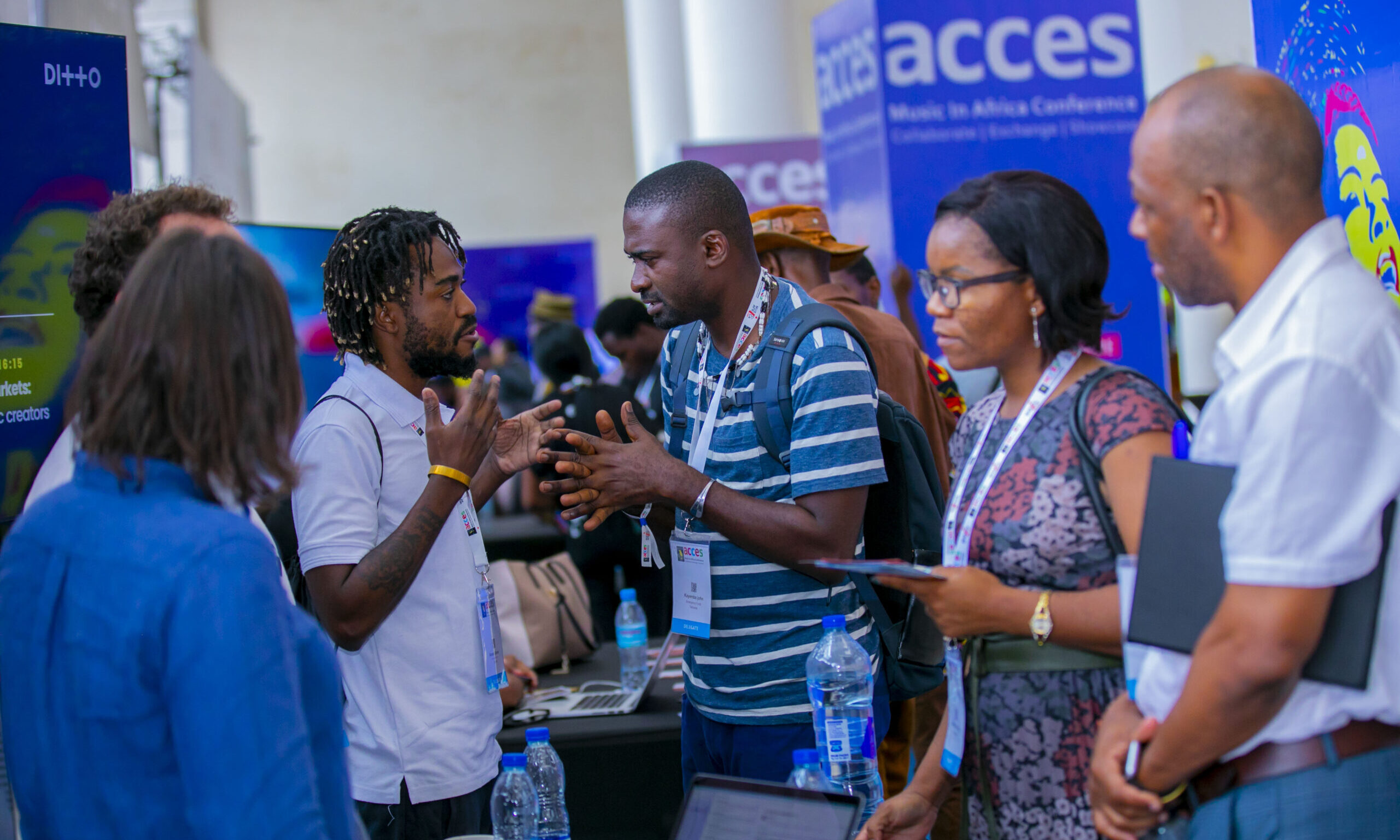
ACCES Conference and Showcase Festival is Africa's leading music industry gathering, bringing together the people shaping the future of the continent's music business. Artists, entrepreneurs, executives, investors, policymakers and cultural leaders from across Africa and around the world come to ACCES to build partnerships, exchange ideas, discover talent and create new business opportunities. Since its launch in 2017, ACCES has become the continent's premier platform for professional exchange and music market development. Combining a high-level conference with a curated showcase festival, networking, exhibitions and industry programmes, ACCES offers a unique space where creativity meets business and where African music connects with the global industry.

Gender@Work
Gender@Work

Music In Africa Gender @ Work is a three-year training programme aimed at upskilling and increasing the participation of female professionals in the African music sector. Launched by the Music In Africa Foundation (MIAF) in April 2019, the programme is connected to the MIAF’s ACCES music conference – a pan-African event held in a different African country every year. This connection enables the programme to reach new participants in a different African country every year. The programme marks the beginning of a more concerted effort by the Foundation to support the participation and inclusion of women in all facets of its programmes and the music sector in Africa as a whole. Over the three years, the programme will aim to address gender imbalances in the sector through training, lobbying, facilitating knowledge exchange and dialogues that foster the interest of women. The broader objectives of the programme are to: Provide industry training for women on critical music industry skills, focusing on: Stage management Electronic music production and recording Music business management Technical knowledge Provide an opportunity for both professional and aspiring women to benefit from the Music In Africa network and its broad range of activities in 2019, 2020 and 2021. Provide a solution-based platform in the form of a round table at ACCES with a view to identify challenges, discuss opportunities and lobby for the interests of female practitioners. Offer participants the opportunity to benefit from programmes offered by MIAF’s partners. Increase access to educational materials. Integrate participants in the broader ACCES programme to maximise experience and exposure to the industry. Record and present training materials on the www.musicinafrica.net, including but not limited to tutorials, templates and other best-practice materials. Communicate women-based themes that support the initiatives and messages of the programme. MAIN TRAINING ACTIVITIES Training in first country (Ghana): In the first year, participants will be trained on all aspects of stage management by a team of experienced stage managers from 10 to 17 November 2019. The programme will offer robust classroom training as well as practical, hands-on training in which participants will also be given the opportunity to manage various aspects of the ACCES performance programme. Training in second country: The second training iteration will take place at ACCES 2020 when the programme will diversify its course to include music production lessons and training on other music business topics. A round-table platform will also be introduced to coincide with the ACCES programme. Training in third country: The third training iteration will take place at ACCES 2021 in a different country, offering an advanced course. HOW DO YOU GET INVOLVED?  As a participant, facilitator or trainer: The programme enrolls up to 12 trainees every year. All opportunities are advertised publicly on this website, and will be added to this page. Please keep checking this page for new calls (below under UPDATES & CURRENT OPPORTUNITIES). As a partner Please contact Claire Metais at [email protected]. APPLY The call for applications for 2020 will be announced soon. The Music In Africa Gender @ Work programme is made possible with the support of the Prince Claus Fund, Siemens Stiftung and Goethe-Institut.

Sound Connects Fund
Sound Connects Fund

For cultural and creative practitioners and organisations operating in southern Africa, access to funding remains a major challenge. The COVID-19 pandemic has also had a massive impact on government policy, spending and the economy in general, and has seen spending on culture being moved further down the list of priorities. Further, the cultural and creative industries repeatedly cite four main areas where investment is needed for growth, which are increased visibility, mobility including access to new markets, finance and support structures.

Instrument Building And Repair Project

Experience the Vibrations African Instruments Exhibition online in 3D

banner image

10 Questions for Afrobeat band Kokoroko

Home/Non classé/10 Questions for Afrobeat band Kokoroko

1. Let’s start with origins. How did the band come together?

Sheila and I (Onome) were in Kenya and I was moaning about a band I’d seen playing Afrobeat in London. The vibe was weird, the crowd were not really engaging. Music I grew up with was being treated badly, and West africans were seriously underrepresented,  there were very few black people there, on stage or in the audience. Sheila had experienced the same. She’s a doer though—she got together a bunch of musicians and Kokoroko was born.

2. What drew you to the music?

It’s great music. Not just Afrobeat—West Africa was always rich with music and Fela is a lot of people’s entry point. He studied at the Trinity Laban, where a few of the guys in the band studied, so his influence is strong, especially with how political his music is.

I think what stands out most though is the level of musicianship on a lot of the records that came out of West Africa in the 20th century. People were really playing. They make you listen and often your body just moves to them. I always wanted to play music like this, and I think it felt natural to all of us.

3. The band’s name has Origins in Delta state, Nigeria, and your music is Afrobeat as created by Fela. Are there any direct Nigerian connections for the group and as individuals in the band?

Yes! Our percussionist is Urhobo and two drummers and saxophonists are also Nigerian. I think our guitarist might be too cause he’s so much hassle—but he swears he’s full English.

4. Kokoroko Band has an all-female horn section doing music by Fela, who to some was not particularly feminist. Is the horn section a political statement or a musical one?

Our horn section were picked because they’re badass musicians! They also all happen to be women and we are often told how empowering people find this because there is a major gender imbalance in this industry. We need more women like them and we really believe in creating change whilst we’re here. Fela definitely wasn’t a perfect man—but what we’ve learnt from him is a way to use our voice and platform. Speaking up is a big part of his legacy.

5. What is the band’s favourite Afrobeat song?

Big question. Let’s say ‘Lady’ by Fela. I remember my mother playing that record throughout my childhood. I’ve heard some interesting feminist reflection on it, but it was a serious household anthem.

6. Going by videos online, a portion of your audience is white. Does the band worry that it might be seen as a trendy hipster fascination?

I’m sure we have benefited from some form of fascination. The first thing people see is three black women playing horns and it’s a striking, rarely seen image. The truth is live music in London attracts a largely white crowd, especially in the Jazz and African music scene. London is a beautifully diverse city and while we’ve had some weird comments, probably borne through this fascination, we’ve also been massively supported by a community of people who enjoy and support African music.

We want more diverse crowds though—representative of us and our city. We are seeing more and more black faces at our shows and it’s beautiful and reassuring. That was always our goal—get our community enjoying all of our music tradition. We were worried, but they are coming now!

7. Does Kokoroko have original compositions in the Afrobeat genre?

We’ve been writing. We are performing a lot of them at the moment and letting them grow naturally. You don’t know if a song works until you see how the crowd responds. It’s not only Afrobeat though. We are Londoners, and our influences come out a lot. London has great music culture—jazz, dance music, soul—and I’m sure in some ways this will find it’s way into our sound.

8. Several contemporary Nigerian pop acts have taken Afrobeat and while the sound remains fresh, many pop acts have added various elements to it. Would Kokoroko stick to pure Afrobeat or is there a chance for fusion?

I think fusion is important. You have to keep with the times and it’s a great way to get people to look backwards. We spent our first year just playing older Afrobeat and highlife songs, but now that we’re writing we’ll be drawing from all our influences. We focus on instrumentation and content. We want people to dance and take something real from the shows. But we will always pay homage to the greats.

9. Are there any plans to record an album? Or will this continue to be an exclusively live band?

We’re recording now—we should be ready to release by the end of summer. You know coordinating eight or nine is hard, but we are getting there. We’re really happy with how it’s all sounding and have some great people supporting us. It’s very exciting

10. We have the New Afrikan Shrine in Lagos, which hosts Felabration yearly. We also have several other spots for live music. Would we be having you guys come play soon?

That’s a dream! My mum used to tell me about the New Afrikan Shrine and I’m yet to go. It would be great for us all to get out to Lagos and play. We’re ready!

For more information on Kokoroko, visit the band’s website.

[video:https://www.youtube.com/watch?v=YqQ2sODxH3o autoplay:0]

newsletter banner

Subscribe to our monthly Newsletter

Follow us on social media