
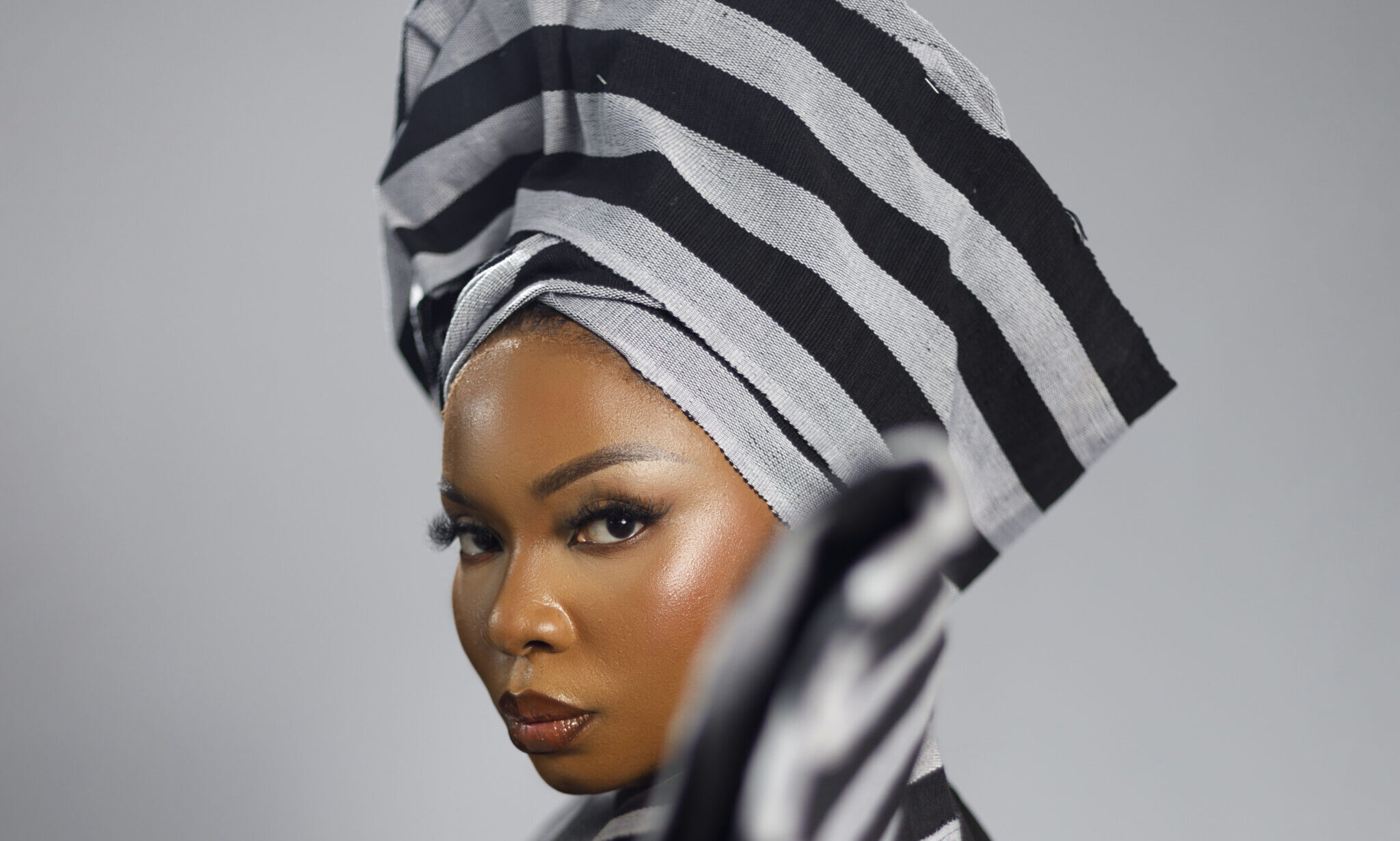



















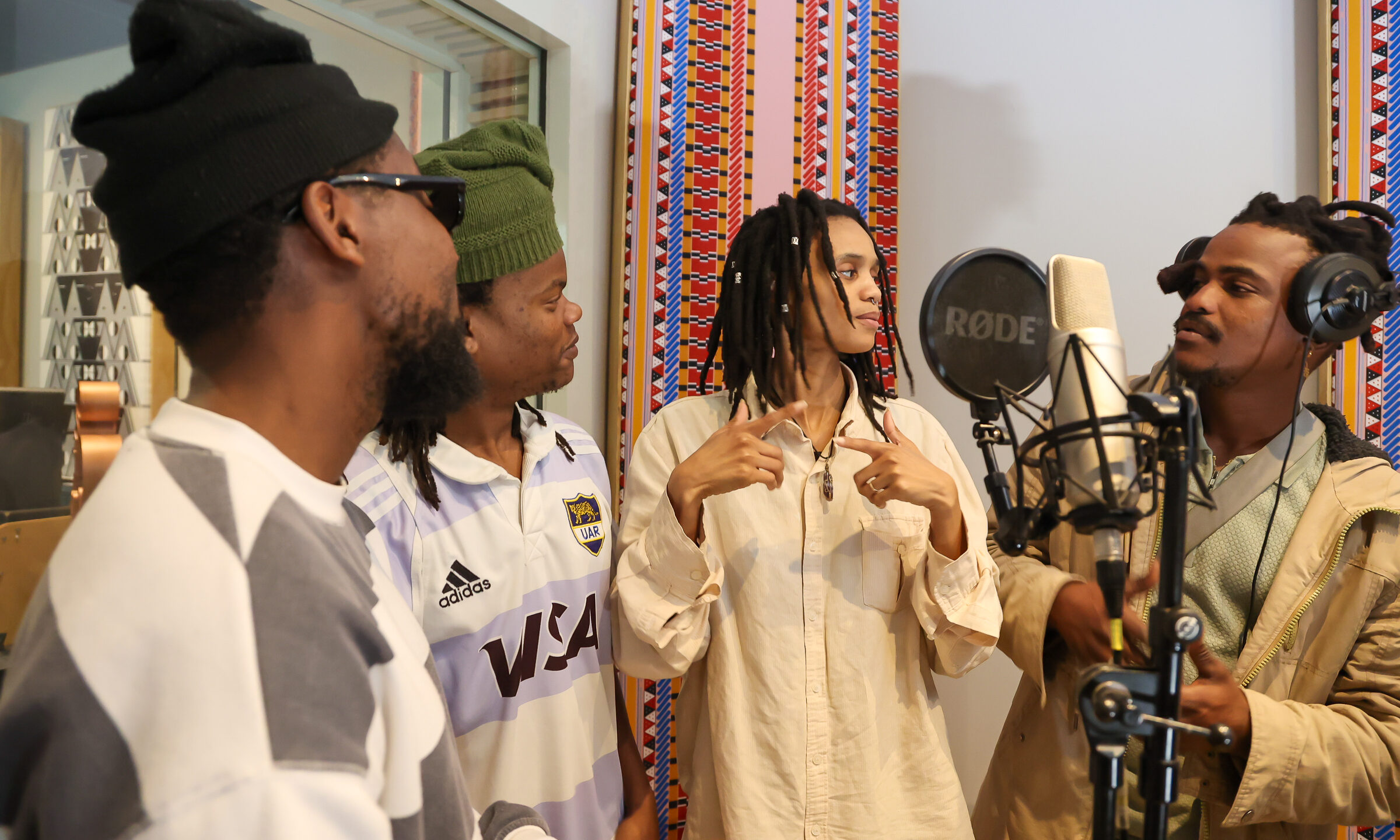
























Stella Mwangi: I do things with a feminine touch
With a uniquely African identity, Mwangi has had considerable global success in the music business. Her songs have been used multiple times on Tommy Hilfiger runways and featured on various adverts, films and TV shows; she’s gotten placement in HBO’s Insecure, BET’s Being Mary Jane and VH1’s Basketball Wives. She also featured in movies such as Rough Night and A Bad Mom’s Christmas. Her advert placements include Reebok Classic, Samsung and TBC Africa.
Unapologetically African, Mwangi’s raps are often laced with Swahili and Kikuyu words. In a recent Instagram post, Hollywood actor Dwayne Johnson recognised Mwangi for her punchy lyrics in her song ‘The Game’. The song was featured on a trailer for HBO’s Ballers, which stars the former wrestler. Amassing more than 2.2 million views, the post was seen as a major boost in her quest to establish herself in the super-competitive Hollywood market.
“Oh Lord look what I got though. No Dwayne but I Rock though! Shout to bad ass rapper @stellamwangi for the dope lyrics – clearly I’m biased,” Johnson wrote.
MUSIC IN AFRICA: How has your Kenyan background given you an edge in the global music business?
STELLA MWANGI: My African background gives me identity. I’ve used Swahili and my mother tongue, Kikuyu, in my music. I was born in Kenya and grew up in Norway, but I have always felt connected to where I come from. No matter how much I achieve, I am Kenyan and I promote my roots, our food and our culture.
You did a project called Chukua Hatua that called on Kenyans to stand up for their rights. Tell us a little about that.
A Norwegian company that was launching a bioethanol stove approached me and I really loved the whole project. Back at home, women walk for long distances looking for firewood, which is not environmentally friendly. The campaign was a call to action, not just for the launch but as a way of thinking. It is the 21st century but there are Kenyans who live as if it is the 15th century. As an artist I can only write songs, but by doing what I can I contribute to the overall good. As human beings we often categorise people based on their careers, but I believe everyone has a gift that can contribute to society.
[video:https://www.youtube.com/watch?v=08suhLcc98A autoplay:0]
How was your transition from Kenya to Norway?
We actually moved to Norway as political refugees in 1991 because my father stood up against the government. It was so bad that I could not even use my last name until 2006 for fear of persecution. It is sad that 30 years later Africans still don’t have the freedom of speech to determine their own destiny. It’s scary to see what Bobi Wine is going through just for standing up for the truth. I really don’t know what the solution is except maybe keep putting the truth out there.
You’ve gotten multiple song placements in adverts, films and TV shows. How do you do it?
Most people think I am lucky but it actually takes many years of hard work. I don’t write for film or TV, I just do good songs and they keep getting picked for different projects. There is also a big team of dedicated people who make things happen for me.
Give us a breakdown of your team?
In Norway, I have my producers Tom Roger Rogstad and Joachim Alte, aka Kleen Keezy. They are the most important component of my team, they are the backbone of my operation. Back in the day they were the first Norwegian producers to go into hip hop and it has taken us many years to get to where we are. I have management in Africa [Soundset Africa Creative], who handle a lot of things for me. Then I also have an agency in Los Angeles that handles film andTV licensing, Position Music. I’ve been with Position Music for nearly nine years now. They are a major publishing and artist/label agency for film/TV licensing.
You’ve been in showbiz for about 16 years now. What motivates you to keep at it?
My team believes and depends on me for so much, they really inspire me to be my best. My producers have been with me since I was 16 years old and to date they still challenge me to grow. I work with such dedicated people, who take personal interest in my career to ensure I keep shining. I am a laid-back person, so if it was just up to me I would not do half the things I do.
[video:https://www.youtube.com/watch?v=JHuKZxhOrzo autoplay:0]
How can African artists receive placement in adverts, films and TV shows?
Theirs is a lot of potential in our artists, poets, literature, painters and the creative industry but governments don’t do enough to promote the arts in Africa. Artists in Kenya have to do everything by themselves because the system is failing them. You need global networks in order to penetrate the international market, which you cannot get by sending emails.
Swahili is such a global phenomenon because of The Lion King and all the films that have used it. We have such a great entry point because so many people want to hear more about the language and the culture. The government needs to realise that using artists who can tap into that Swahili culture is actually a great opportunity to market tourism. It’s about time we took talent seriously in Africa, because in Norway there are systems; every time my song is played anywhere I get paid. There is a better way of doing things but it starts with honest leadership.
Female rappers are still a rarity even in the global music industry. What is your advice to not just the rappers but also women in showbiz?
It is a common temptation in the industry, but trying to prove that you can do it better than men is a waste of time. I am a woman and I will do things with a feminine touch. We need more women frontrunners who represent us in the industry. There is a lot of pressure on female artists to look a certain way, but that is showbiz. Nothing comes easy. I’ve had to work hard to get this far and I keep striving to get to the next level.
What’s your advice to all the artists who look up to you?
Cut your own path in life. Envy is such a wasted emotion. So many people get stuck in life because they want what others have. My life can serve as an example but do not wish for the things I have. Be yourself, be original. I have also learnt to keep away negative energy because female artists are typically judged more harshly. You do not have to take in every opinion; take constructive critics from your close network but ignore all the noise in the public
What’s next for Stella Mwangi?
My hope is to continue with my purpose and hopefully inspire those who follow me in my journey to become better versions of themselves.
[video: https://www.youtube.com/watch?v=jHxXkf0_JYw autoplay:0]



