













NEFCISA
NEFCISA

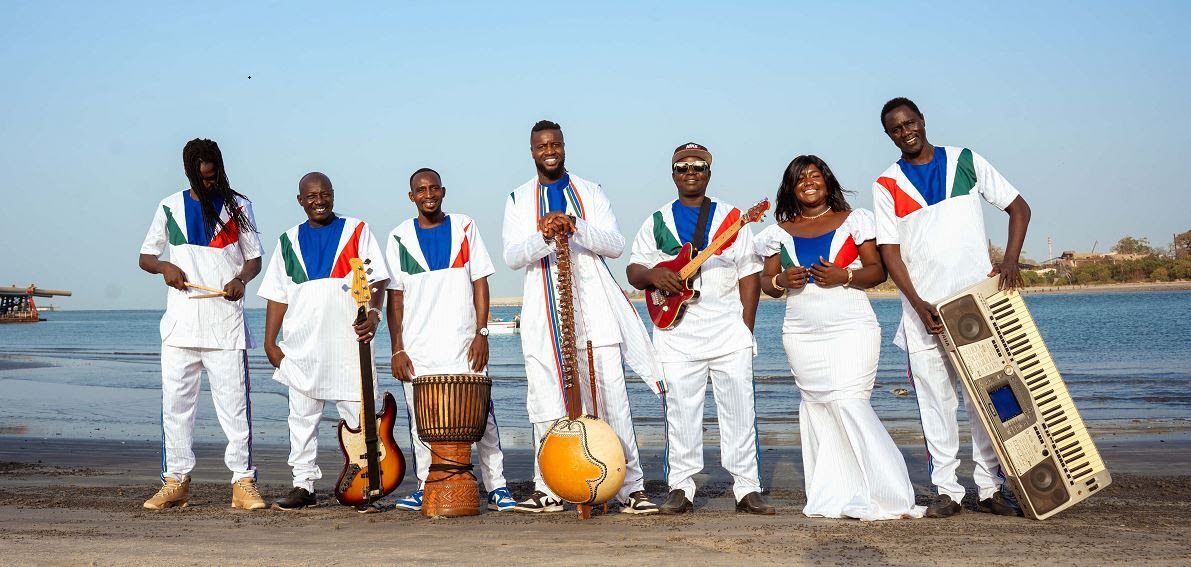
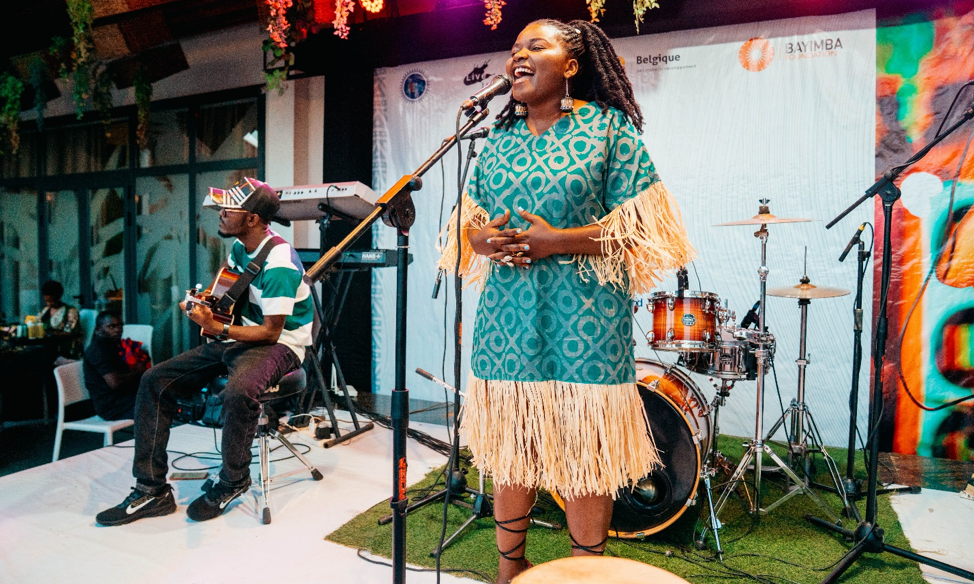
The Music In Africa Foundation (MIAF) is proud of its partnership with the Industrial Development Corporation (IDC) as a Strategic Implementing Partner (SIP) for its Social Employment Fund (SEF). Through this collaboration, MIAF is running a national programme that is creating jobs, addressing skills gaps, and strengthening South Africa's creative industries — in line with the SEF's overarching goal to generate work for the common good and build community value through employment, social contribution, and inclusive economic participation. Operating under the banner NEFCISA (National Employment Facility for Creative Industries in South Africa), the initiative is recruiting and training participants, matching them with host organisations, and has already placed 1 500 workers across the country — surpassing its original target of 1 000. NEFCISA is delivered through a network of 20 host organisations spanning five provinces, who are actively hosting participants and contributing to work for the common good across South Africa's creative and cultural industries. Key Objectives: Support employment and entrepreneurship in the creative industries. Offer skills development and training programmes. Foster partnerships between public and private creative sectors. Promote South African creativity at both provincial and national levels Foster community development through social contribution.

ACCES
ACCES

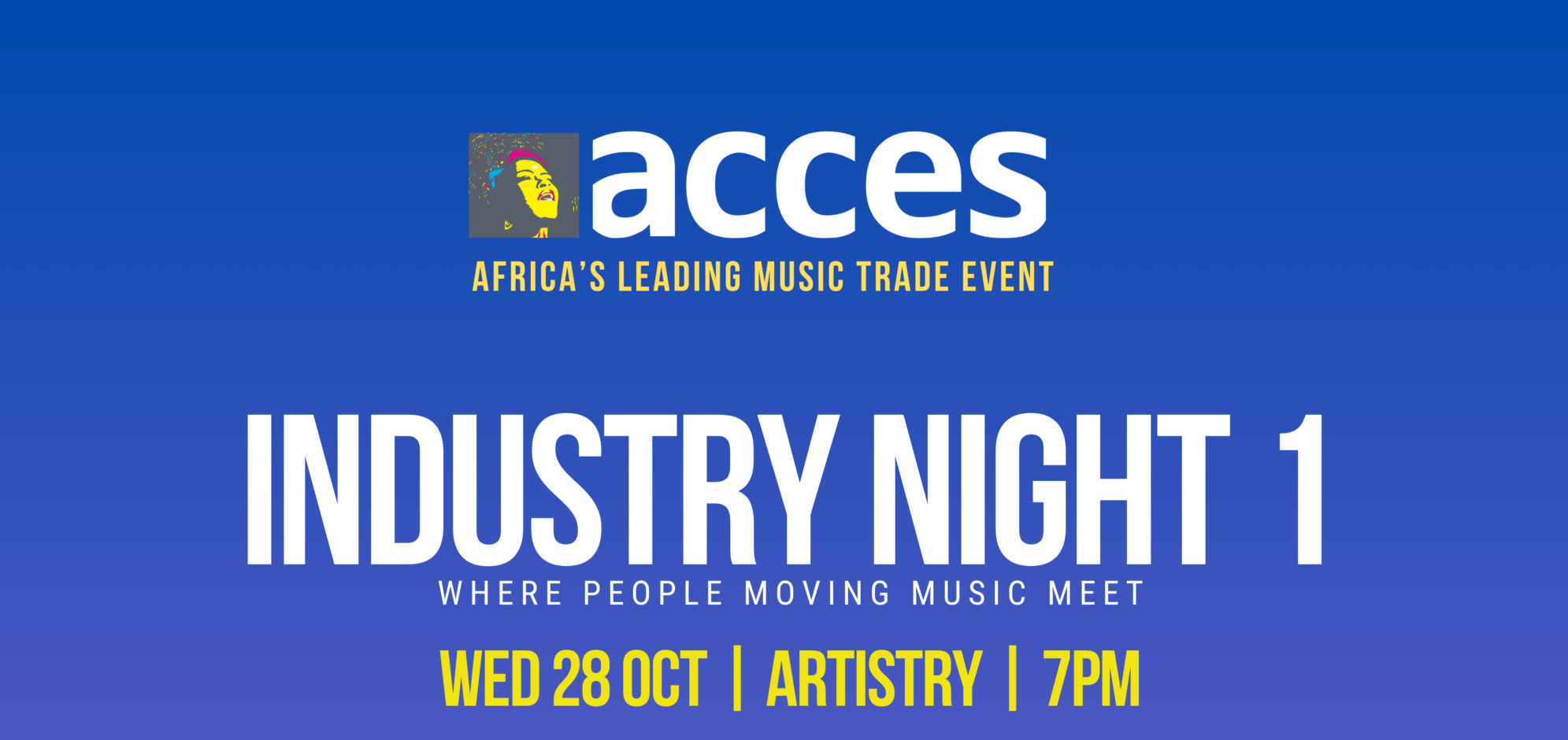
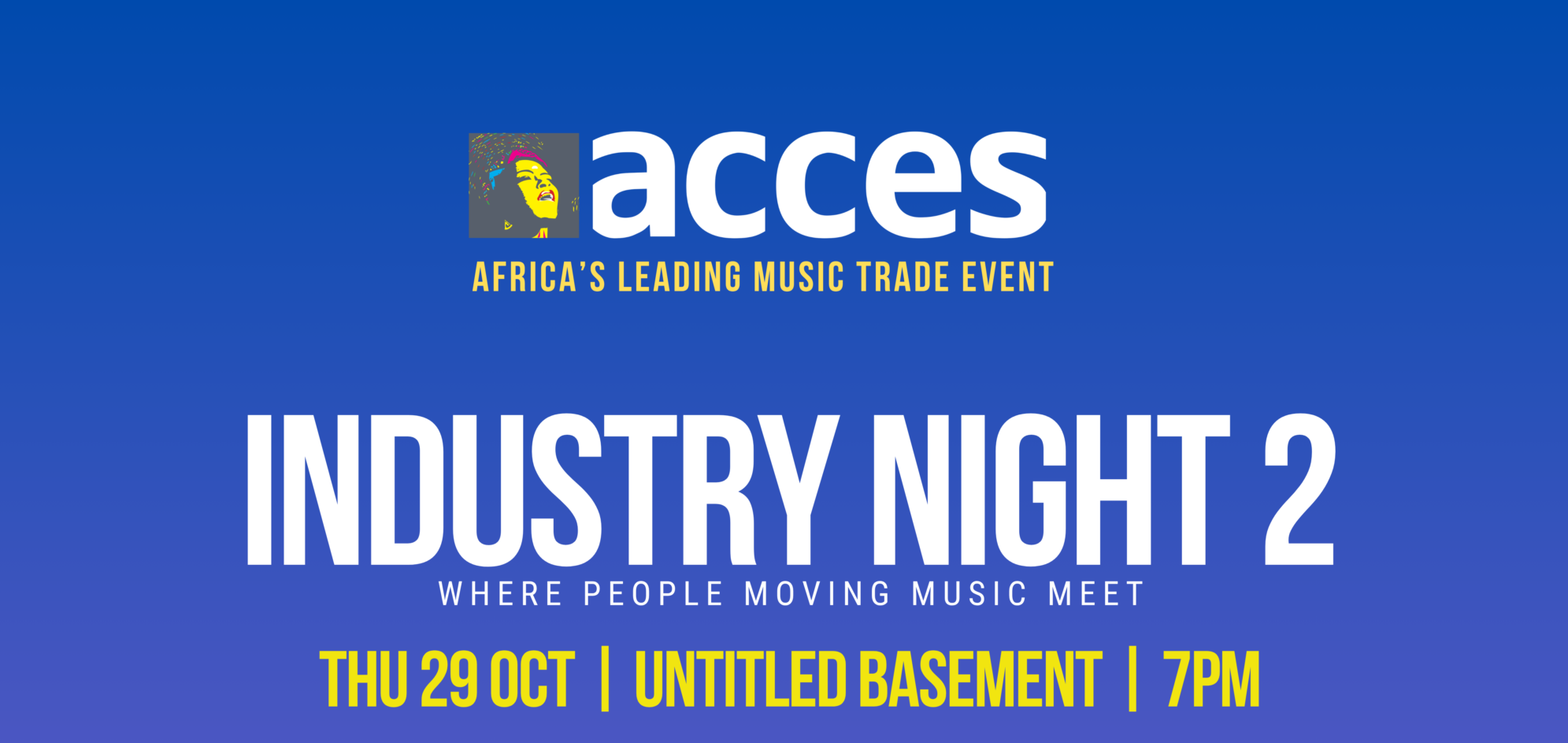
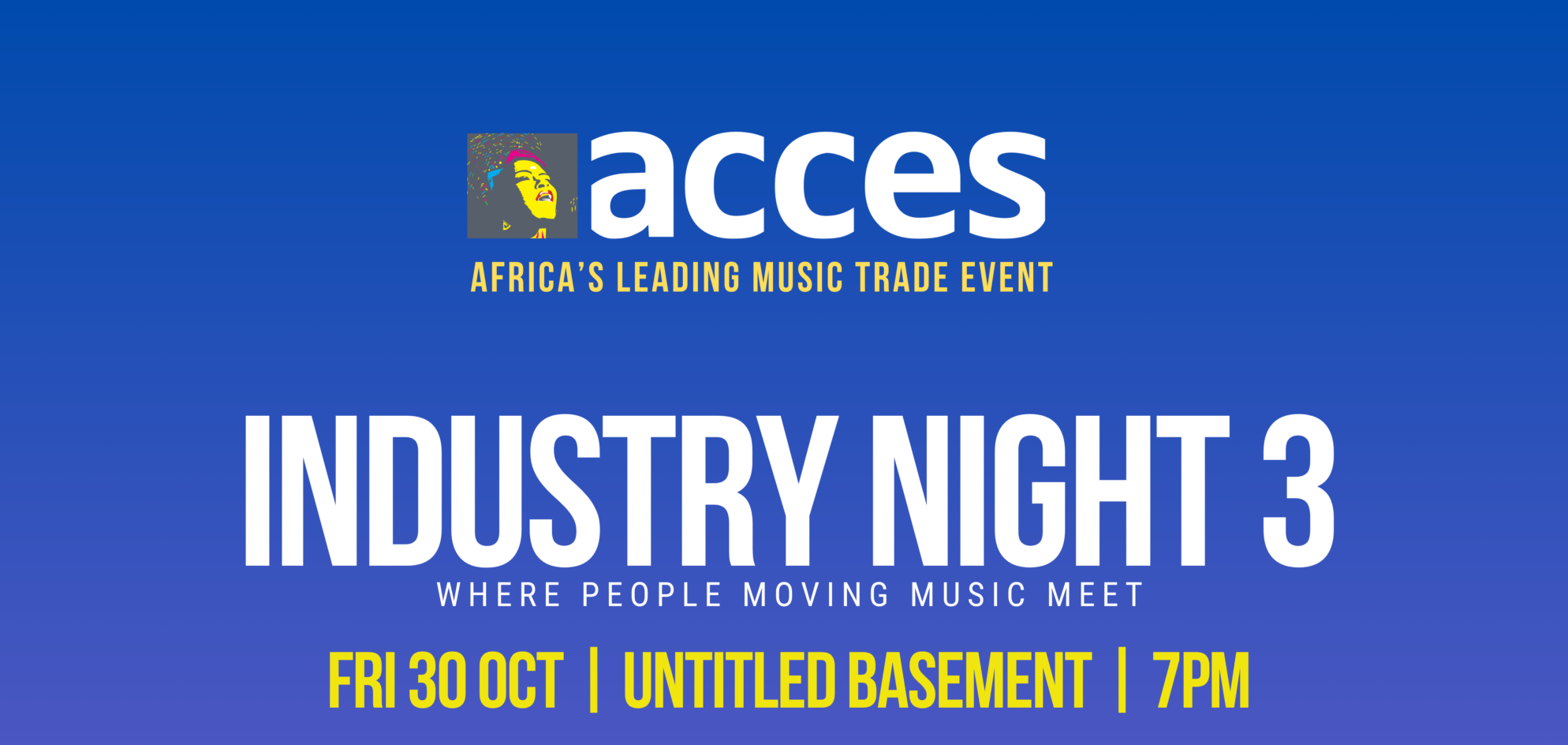
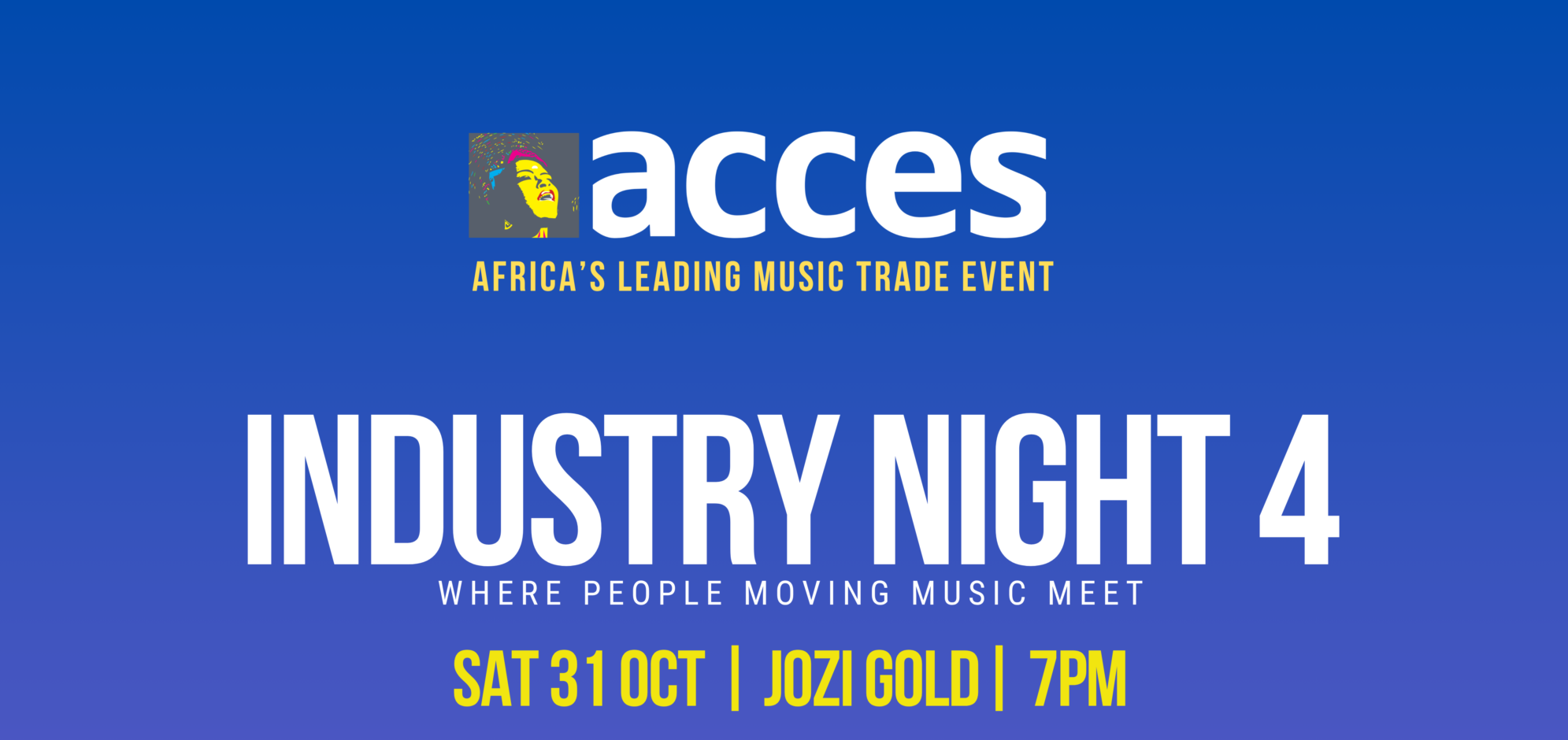
ACCES Conference and Showcase Festival is Africa's leading music industry gathering, bringing together the people shaping the future of the continent's music business. Artists, entrepreneurs, executives, investors, policymakers and cultural leaders from across Africa and around the world come to ACCES to build partnerships, exchange ideas, discover talent and create new business opportunities. Since its launch in 2017, ACCES has become the continent's premier platform for professional exchange and music market development. Combining a high-level conference with a curated showcase festival, networking, exhibitions and industry programmes, ACCES offers a unique space where creativity meets business and where African music connects with the global industry.

Gender@Work
Gender@Work

Music In Africa Gender @ Work is a three-year training programme aimed at upskilling and increasing the participation of female professionals in the African music sector. Launched by the Music In Africa Foundation (MIAF) in April 2019, the programme is connected to the MIAF’s ACCES music conference – a pan-African event held in a different African country every year. This connection enables the programme to reach new participants in a different African country every year. The programme marks the beginning of a more concerted effort by the Foundation to support the participation and inclusion of women in all facets of its programmes and the music sector in Africa as a whole. Over the three years, the programme will aim to address gender imbalances in the sector through training, lobbying, facilitating knowledge exchange and dialogues that foster the interest of women. The broader objectives of the programme are to: Provide industry training for women on critical music industry skills, focusing on: Stage management Electronic music production and recording Music business management Technical knowledge Provide an opportunity for both professional and aspiring women to benefit from the Music In Africa network and its broad range of activities in 2019, 2020 and 2021. Provide a solution-based platform in the form of a round table at ACCES with a view to identify challenges, discuss opportunities and lobby for the interests of female practitioners. Offer participants the opportunity to benefit from programmes offered by MIAF’s partners. Increase access to educational materials. Integrate participants in the broader ACCES programme to maximise experience and exposure to the industry. Record and present training materials on the www.musicinafrica.net, including but not limited to tutorials, templates and other best-practice materials. Communicate women-based themes that support the initiatives and messages of the programme. MAIN TRAINING ACTIVITIES Training in first country (Ghana): In the first year, participants will be trained on all aspects of stage management by a team of experienced stage managers from 10 to 17 November 2019. The programme will offer robust classroom training as well as practical, hands-on training in which participants will also be given the opportunity to manage various aspects of the ACCES performance programme. Training in second country: The second training iteration will take place at ACCES 2020 when the programme will diversify its course to include music production lessons and training on other music business topics. A round-table platform will also be introduced to coincide with the ACCES programme. Training in third country: The third training iteration will take place at ACCES 2021 in a different country, offering an advanced course. HOW DO YOU GET INVOLVED?  As a participant, facilitator or trainer: The programme enrolls up to 12 trainees every year. All opportunities are advertised publicly on this website, and will be added to this page. Please keep checking this page for new calls (below under UPDATES & CURRENT OPPORTUNITIES). As a partner Please contact Claire Metais at [email protected]. APPLY The call for applications for 2020 will be announced soon. The Music In Africa Gender @ Work programme is made possible with the support of the Prince Claus Fund, Siemens Stiftung and Goethe-Institut.

Sound Connects Fund
Sound Connects Fund

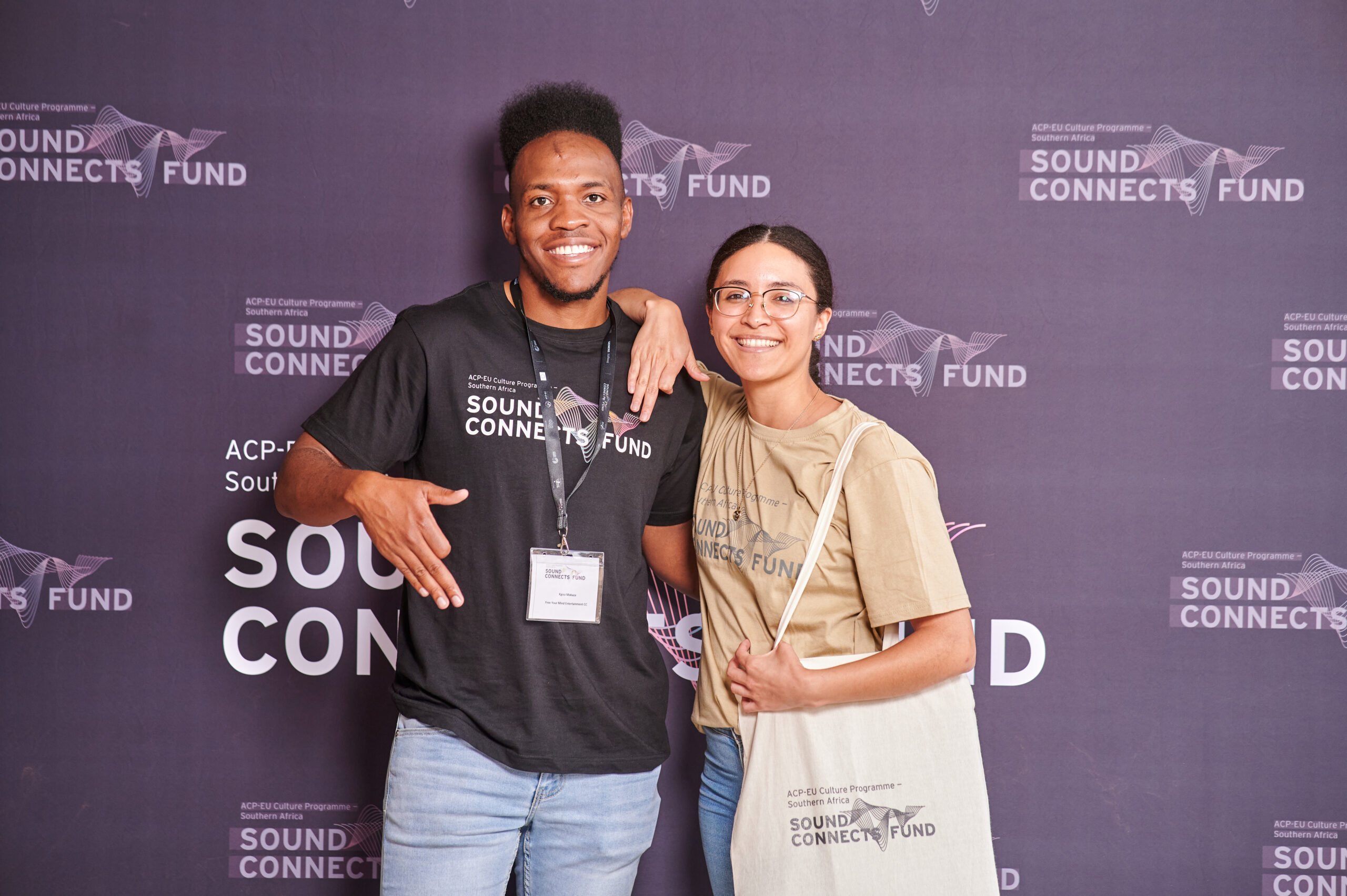
For cultural and creative practitioners and organisations operating in southern Africa, access to funding remains a major challenge. The COVID-19 pandemic has also had a massive impact on government policy, spending and the economy in general, and has seen spending on culture being moved further down the list of priorities. Further, the cultural and creative industries repeatedly cite four main areas where investment is needed for growth, which are increased visibility, mobility including access to new markets, finance and support structures.

Instrument Building And Repair Project

Experience the Vibrations African Instruments Exhibition online in 3D

banner image

Tout sur le jazz | L'orchestre de jazz - Part. 2

Home/Non classé/Tout sur le jazz | L’orchestre de jazz – Part. 2

La notion très générique d’« orchestre de jazz » se confond le plus souvent avec celles de « combo » et de « big band ».

Petit orchestre de jazz / combo

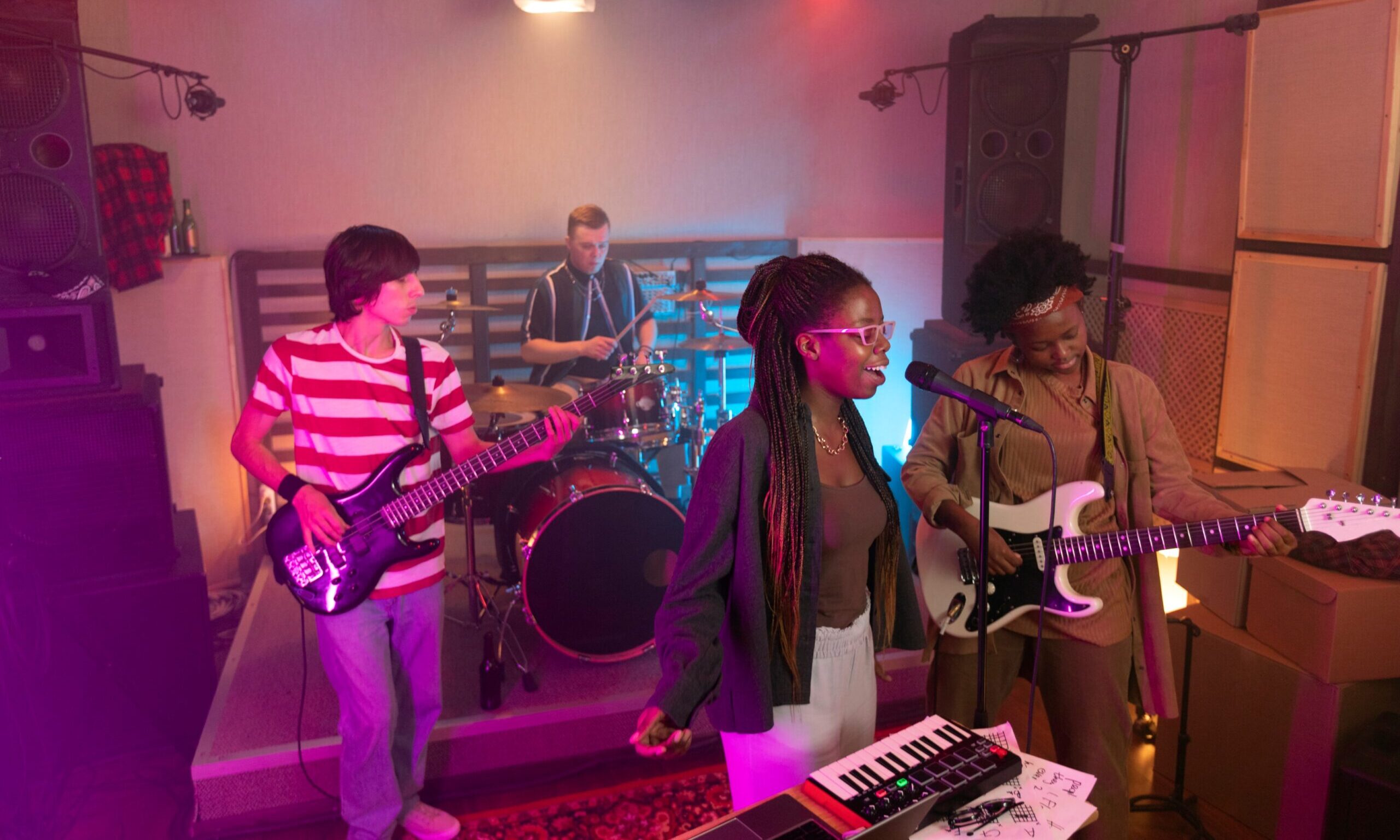
En fonction du nombre de musiciens qui le forment, un orchestre de jazz peut prendre plusieurs dénominations. Un petit orchestre est communément appelé combo, une abréviation du terme anglais « combination », que l’on pourrait traduire en français par « formation ». Il existe des combos de plusieurs dimensions :

  • Le trio, un groupe de trois musiciens, en français : trio.
  • Le quartet, un groupe de quatre musiciens, en français : quatuor.
  • Le quintet, un groupe de cinq musiciens, en français : quintette.
  • Le sextet, un groupe de six musiciens, en français : sextuor
  • Le septet, un groupe de sept musiciens, en français : septuor
  • L’octet, un groupe de huit musiciens, en français : octuor

Une des caractéristiques importantes de ces formations, réside dans leur tendance à proposer régulièrement de la musique improvisée. En effet dans de petits orchestres comme le trio, le quartet, le quintet et même le sextet, les instrumentistes peuvent tous improviser à tour de rôle, ce qui ne serait certainement pas possible avec un groupe plus important de musiciens.

Les premiers combos sont apparus vers les années 1950 à Cuba.

L’équipement d’un combo

À partir du quartet, le combo comporte une section rythmique habituellement équipée d’un piano ou d’une guitare, d’une contrebasse ou d’une basse et d’une batterie. Il y a également une section mélodique constituée d’un ou de plusieurs instruments : saxophone, trompette, clarinette, trombone ou violon.

Un chanteur peut également faire partie d’un combo.

Quelques combos atypiques

Il existe de petits orchestres de jazz ou combo, qui évoluent sans la section rythmique classique. Il y a par exemple les quartets, quintets ou sextets à vents, qui réunissent uniquement des instruments de musique de la même famille. Dans cette catégorie toujours, on pourrait évoquer les quartet de saxophones ou de trombones, qui offrent le plus souvent un beau répertoire musical.

Il existe également le quintet à cordes, comme celui très célèbre du guitariste français Django Reinardht, avec une section rythmique essentiellement assurée par des guitares et une contrebasse, et une section mélodique de violon et de guitare.

Certains trios jazz, plus rares, se forment sans instrument harmonique comme le piano, la guitare, le vibraphone ou l’accordéon. Il arrive que, par exemple, le saxophone soit simplement accompagné d’une basse et d’une batterie. L’instrument harmonique pouvant jouer des accords (plusieurs sons ou notes en même temps), est quasi-indispensable à l’équilibre de l’harmonie. L’option musicale sans instrument harmonique est de ce fait assez rare et exigeante.

Big band ou grand orchestre jazz

Le grand orchestre de jazz se nomme couramment big band. Il exécute le plus souvent une musique écrite et arrangée, qui ne laisse que peu de liberté aux musiciens. Des improvisations sont néanmoins possibles pour quelques instruments choisis d’avance.

Très souvent, le  big band se compose de quatre sections d’instruments différents :

  • Le pupitre des instruments à anche : cinq saxophones (dont certains sont parfois remplacés par la clarinette ou la flûte)
  • Le pupitre de quatre trombones
  • Le pupitre de quatre ou cinq trompettes ou parfois de bugles
  • La section rythmique : piano, contrebasse, batterie.

D’autres instruments se greffent couramment à cet effectif classique :

  • La guitare ou le vibraphone pour l’harmonie
  • Le tuba, la clarinette, la flûte et le cor pour la mélodie.

Le nombre total de musiciens formant un big band, oscille le plus souvent entre 17 et 20. Mais de nombreuses formations musicales qui s’attribuent cette dénomination, sont constituées seulement de 9 à 16 musiciens.

L’orchestre de jazz est souvent dirigé par un musicien, prenant le rôle du chef d’orchestre. 

Lisez aussi :

[I] Tout sur le jazz | Styles et principes basiques – Part. 1

[video:https://www.youtube.com/watch?v=P4tvlLIjXVg width:850 height:480 autoplay:0]

Références :

http://www.beswing.fr/orchestre-de-jazz.php
https://fr.wikipedia.org/wiki/Combo

newsletter banner

Subscribe to our monthly Newsletter

Follow us on social media