







































NEFCISA
NEFCISA

The Music In Africa Foundation (MIAF) is proud of its partnership with the Industrial Development Corporation (IDC) as a Strategic Implementing Partner (SIP) for its Social Employment Fund (SEF). Through this collaboration, MIAF is running a national programme that is creating jobs, addressing skills gaps, and strengthening South Africa's creative industries — in line with the SEF's overarching goal to generate work for the common good and build community value through employment, social contribution, and inclusive economic participation. Operating under the banner NEFCISA (National Employment Facility for Creative Industries in South Africa), the initiative is recruiting and training participants, matching them with host organisations, and has already placed 1 500 workers across the country — surpassing its original target of 1 000. NEFCISA is delivered through a network of 20 host organisations spanning five provinces, who are actively hosting participants and contributing to work for the common good across South Africa's creative and cultural industries. Key Objectives: Support employment and entrepreneurship in the creative industries. Offer skills development and training programmes. Foster partnerships between public and private creative sectors. Promote South African creativity at both provincial and national levels Foster community development through social contribution.

ACCES
ACCES

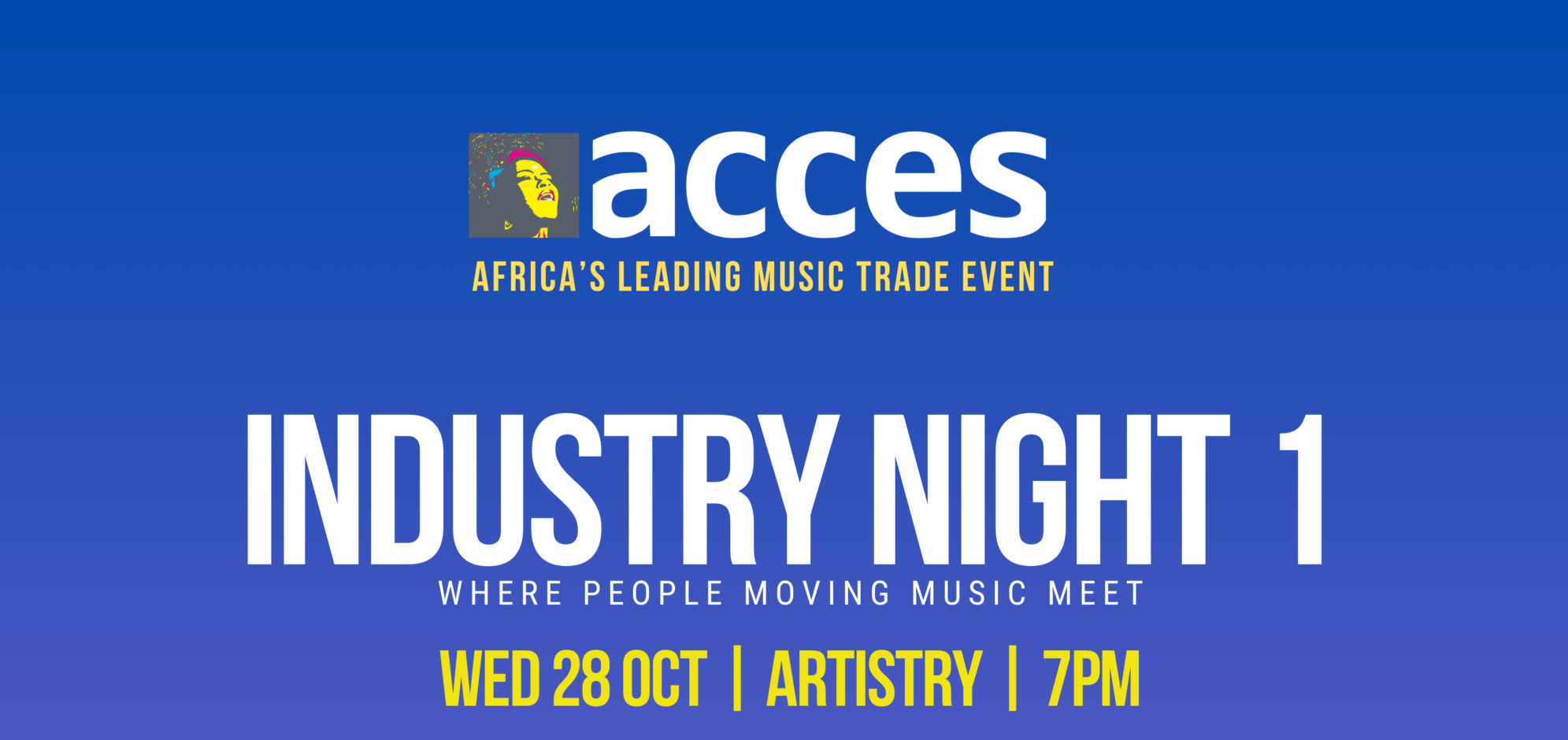
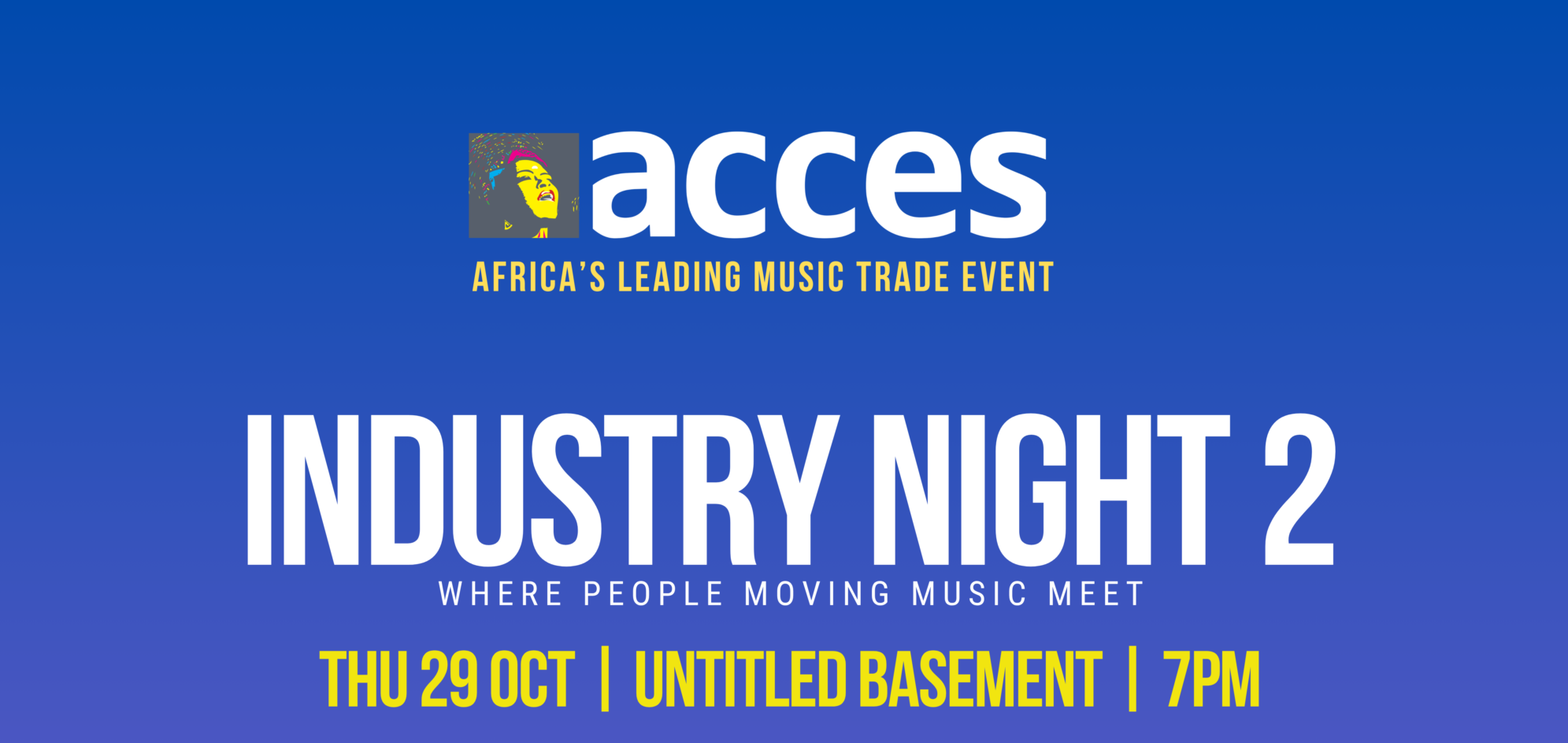
ACCES Conference and Showcase Festival is Africa's leading music industry gathering, bringing together the people shaping the future of the continent's music business. Artists, entrepreneurs, executives, investors, policymakers and cultural leaders from across Africa and around the world come to ACCES to build partnerships, exchange ideas, discover talent and create new business opportunities. Since its launch in 2017, ACCES has become the continent's premier platform for professional exchange and music market development. Combining a high-level conference with a curated showcase festival, networking, exhibitions and industry programmes, ACCES offers a unique space where creativity meets business and where African music connects with the global industry.

Gender@Work
Gender@Work

Music In Africa Gender @ Work is a three-year training programme aimed at upskilling and increasing the participation of female professionals in the African music sector. Launched by the Music In Africa Foundation (MIAF) in April 2019, the programme is connected to the MIAF’s ACCES music conference – a pan-African event held in a different African country every year. This connection enables the programme to reach new participants in a different African country every year. The programme marks the beginning of a more concerted effort by the Foundation to support the participation and inclusion of women in all facets of its programmes and the music sector in Africa as a whole. Over the three years, the programme will aim to address gender imbalances in the sector through training, lobbying, facilitating knowledge exchange and dialogues that foster the interest of women. The broader objectives of the programme are to: Provide industry training for women on critical music industry skills, focusing on: Stage management Electronic music production and recording Music business management Technical knowledge Provide an opportunity for both professional and aspiring women to benefit from the Music In Africa network and its broad range of activities in 2019, 2020 and 2021. Provide a solution-based platform in the form of a round table at ACCES with a view to identify challenges, discuss opportunities and lobby for the interests of female practitioners. Offer participants the opportunity to benefit from programmes offered by MIAF’s partners. Increase access to educational materials. Integrate participants in the broader ACCES programme to maximise experience and exposure to the industry. Record and present training materials on the www.musicinafrica.net, including but not limited to tutorials, templates and other best-practice materials. Communicate women-based themes that support the initiatives and messages of the programme. MAIN TRAINING ACTIVITIES Training in first country (Ghana): In the first year, participants will be trained on all aspects of stage management by a team of experienced stage managers from 10 to 17 November 2019. The programme will offer robust classroom training as well as practical, hands-on training in which participants will also be given the opportunity to manage various aspects of the ACCES performance programme. Training in second country: The second training iteration will take place at ACCES 2020 when the programme will diversify its course to include music production lessons and training on other music business topics. A round-table platform will also be introduced to coincide with the ACCES programme. Training in third country: The third training iteration will take place at ACCES 2021 in a different country, offering an advanced course. HOW DO YOU GET INVOLVED?  As a participant, facilitator or trainer: The programme enrolls up to 12 trainees every year. All opportunities are advertised publicly on this website, and will be added to this page. Please keep checking this page for new calls (below under UPDATES & CURRENT OPPORTUNITIES). As a partner Please contact Claire Metais at [email protected]. APPLY The call for applications for 2020 will be announced soon. The Music In Africa Gender @ Work programme is made possible with the support of the Prince Claus Fund, Siemens Stiftung and Goethe-Institut.

Sound Connects Fund
Sound Connects Fund

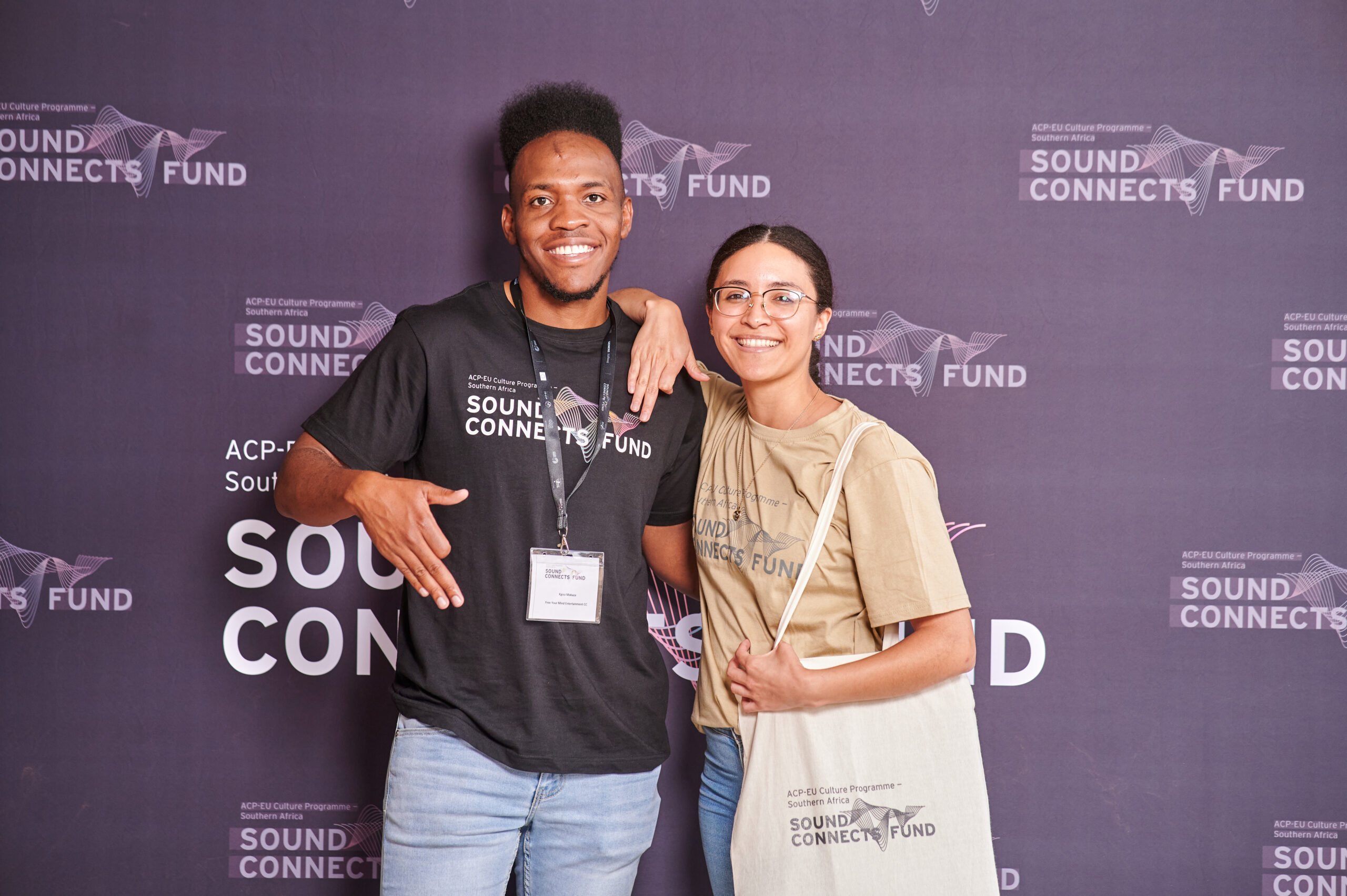
For cultural and creative practitioners and organisations operating in southern Africa, access to funding remains a major challenge. The COVID-19 pandemic has also had a massive impact on government policy, spending and the economy in general, and has seen spending on culture being moved further down the list of priorities. Further, the cultural and creative industries repeatedly cite four main areas where investment is needed for growth, which are increased visibility, mobility including access to new markets, finance and support structures.

Instrument Building And Repair Project

Experience the Vibrations African Instruments Exhibition online in 3D

banner image

Spotify embarque à bord des avions United Airlines

Home/Non classé/Spotify embarque à bord des avions United Airlines

Ce partenariat s’inscrit dans une volonté de moderniser l’expérience passager et de diversifier les contenus proposés à bord. Pour Spotify, il s’agit aussi d’une occasion de renforcer sa présence au-delà des environnements numériques traditionnels, en intégrant un moment de consommation jusque-là inexploité : le vol.

Une offre de contenu généreuse et accessible

Les passagers peuvent désormais profiter de plus de 450 heures de contenus sélectionnés par Spotify, accessibles sans avoir besoin de se connecter à un compte. Cette sélection est intégrée au système de divertissement de United Airlines, dans une rubrique dédiée qui apparaîtra d’abord sous l’onglet “Audio” avant de devenir un espace “Spotify” à part entière.

Un élargissement de l’expérience est prévu pour 2026, avec la possibilité pour les voyageurs de se connecter à leur propre compte Spotify depuis leur siège. Ils pourront ainsi reprendre une écoute entamée avant l’embarquement, accéder à leurs playlists ou découvrir de nouveaux contenus personnalisés.

Autre nouveauté, les avions équipés de la technologie Starlink offrent dès maintenant un accès au streaming en ligne, permettant aux passagers d’écouter Spotify, durant l’ensemble du vol, du décollage à l’atterrissage. Les membres du programme MileagePlus bénéficient en outre d’un avantage exclusif : jusqu’à 1 000 miles bonus pour toute souscription à l’abonnement Spotify Premium.

Des limites techniques et fonctionnelles à prendre en compte

Si cette collaboration représente un vrai bond en avant dans l’intégration du divertissement numérique en vol, elle reste encore soumise à plusieurs limitations. D’abord, la connectivité dépend du nombre limité d’avions équipés de Starlink. Sur les autres appareils, le contenu est accessible uniquement en mode hors ligne, à partir des données stockées dans les serveurs embarqués. De plus, la qualité du streaming peut varier en fonction de la couverture satellite et de la stabilité du signal.

Autre frein, des pannes techniques sont fréquemment signalées sur les écrans individuels, empêchant parfois l’accès au système ou limitant fortement l’expérience utilisateur. Il arrive aussi que des écrans restent bloqués sur des publicités ou que les options de navigation soient inactives.

La publicité constitue d’ailleurs une autre source de frustration pour certains passagers, contraints de visionner des annonces avant de pouvoir accéder à leur contenu, y compris dans le cadre du visionnage de films ou de séries.

Enfin, même si plus de 300 appareils permettent désormais aux passagers d’utiliser leur propre casque audio via Bluetooth, cette fonctionnalité n’est pas encore généralisée sur l’ensemble de la flotte. L’absence de connectivité Bluetooth sur certains vols oblige encore les usagers à se rabattre sur des casques filaires de moindre qualité.

Un partenariat stratégique à surveiller

Ce partenariat entre United Airlines et Spotify marque une étape importante dans l’évolution des services de divertissement en vol. Il répond à une demande croissante pour des expériences audio enrichies et personnalisées, tout en créant de nouvelles opportunités pour les marques dans l’univers du voyage.

Néanmoins, le déploiement reste partiel, et l’expérience utilisateur dépend largement des capacités techniques de chaque appareil. 

 

newsletter banner

Subscribe to our monthly Newsletter

Follow us on social media