














NEFCISA
NEFCISA

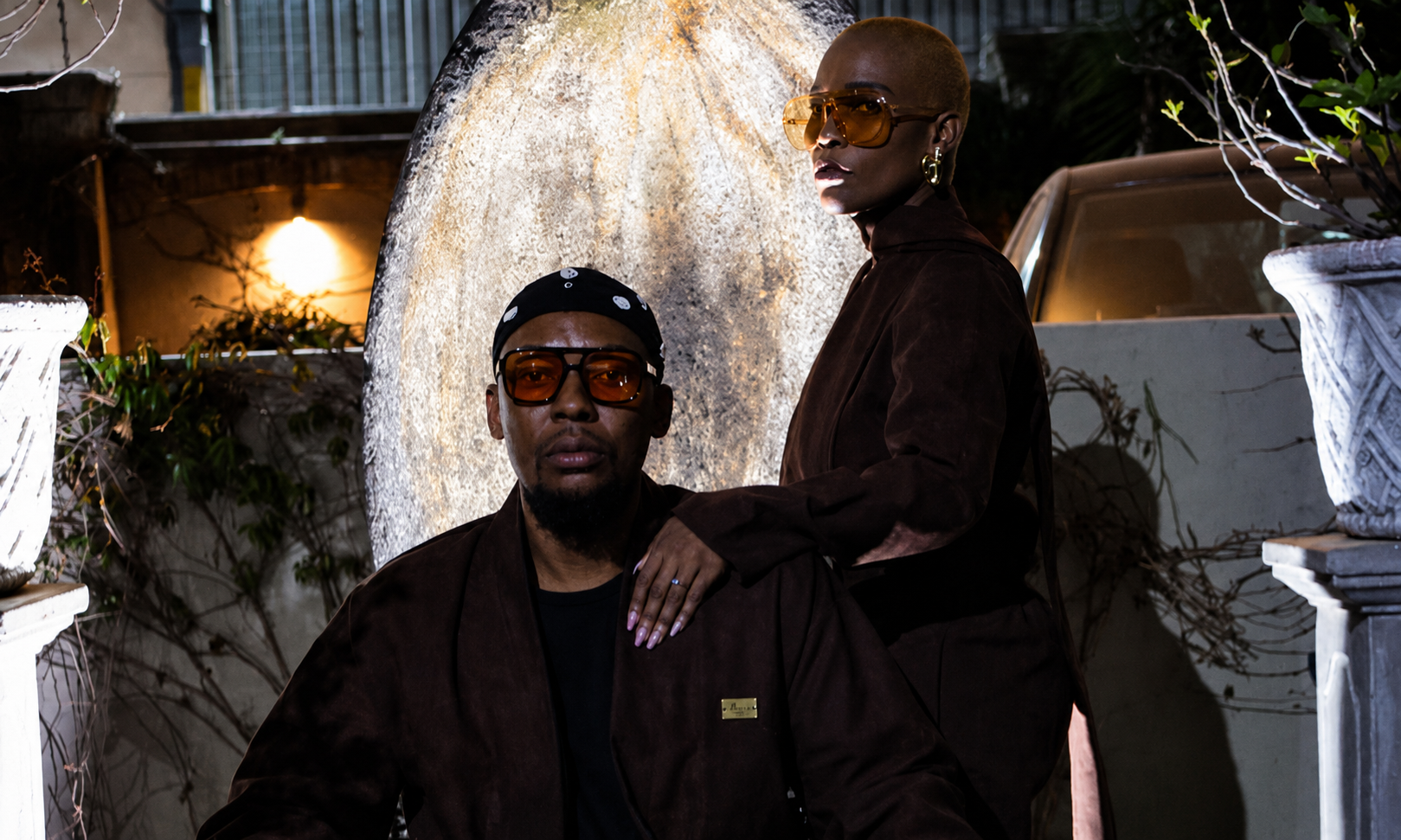
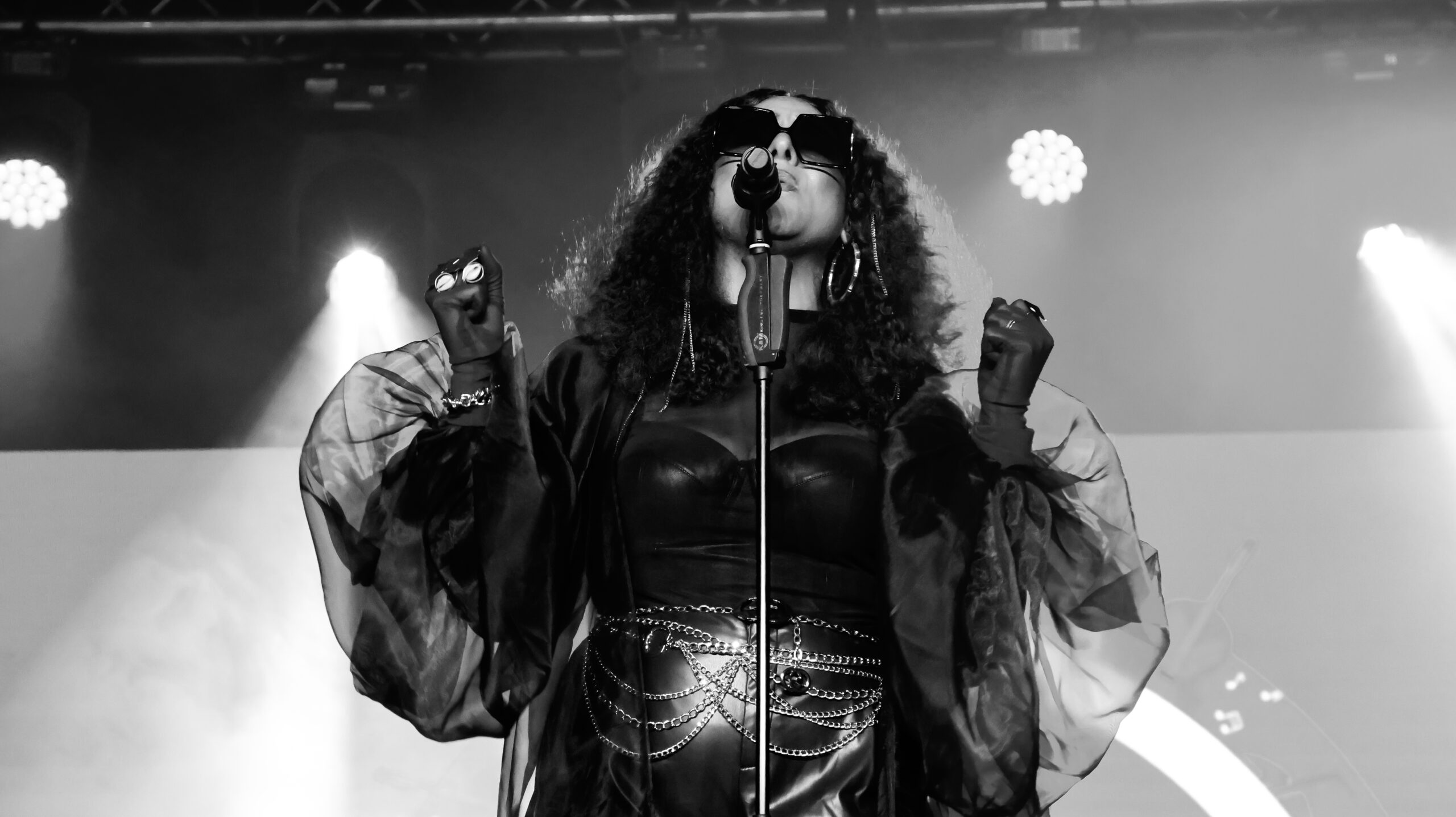
The Music In Africa Foundation (MIAF) is proud of its partnership with the Industrial Development Corporation (IDC) as a Strategic Implementing Partner (SIP) for its Social Employment Fund (SEF). Through this collaboration, MIAF is running a national programme that is creating jobs, addressing skills gaps, and strengthening South Africa's creative industries — in line with the SEF's overarching goal to generate work for the common good and build community value through employment, social contribution, and inclusive economic participation. Operating under the banner NEFCISA (National Employment Facility for Creative Industries in South Africa), the initiative is recruiting and training participants, matching them with host organisations, and has already placed 1 500 workers across the country — surpassing its original target of 1 000. NEFCISA is delivered through a network of 20 host organisations spanning five provinces, who are actively hosting participants and contributing to work for the common good across South Africa's creative and cultural industries. Key Objectives: Support employment and entrepreneurship in the creative industries. Offer skills development and training programmes. Foster partnerships between public and private creative sectors. Promote South African creativity at both provincial and national levels Foster community development through social contribution.

ACCES
ACCES

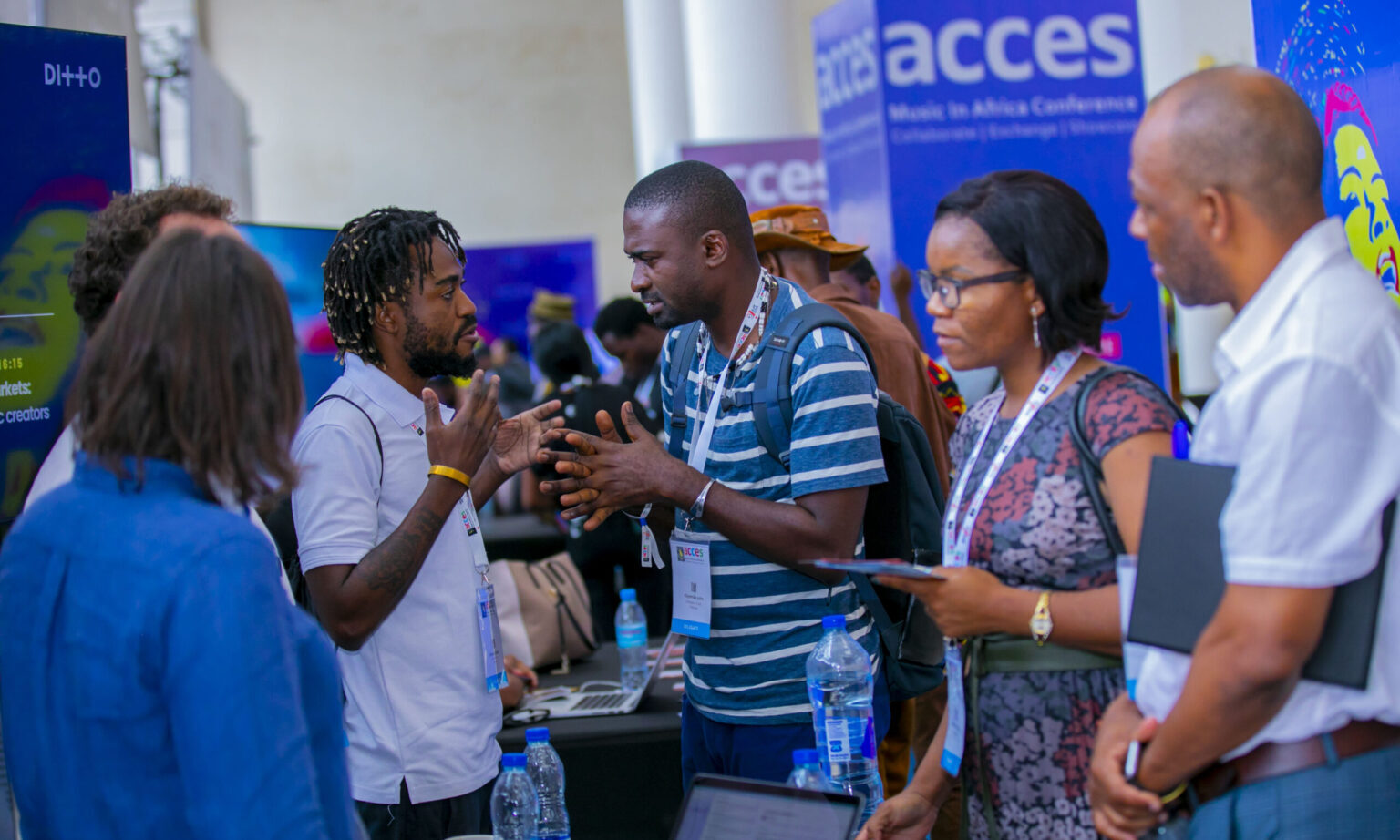
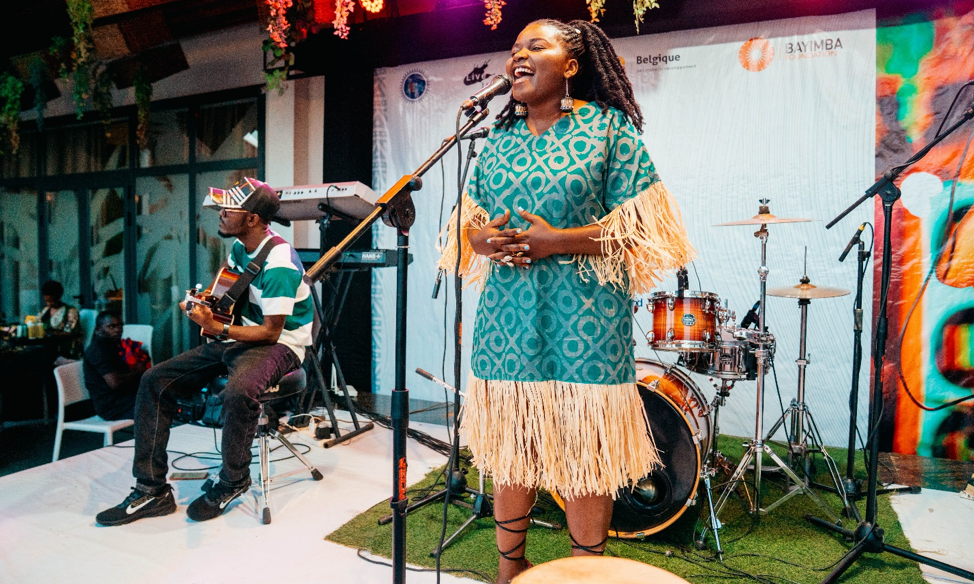
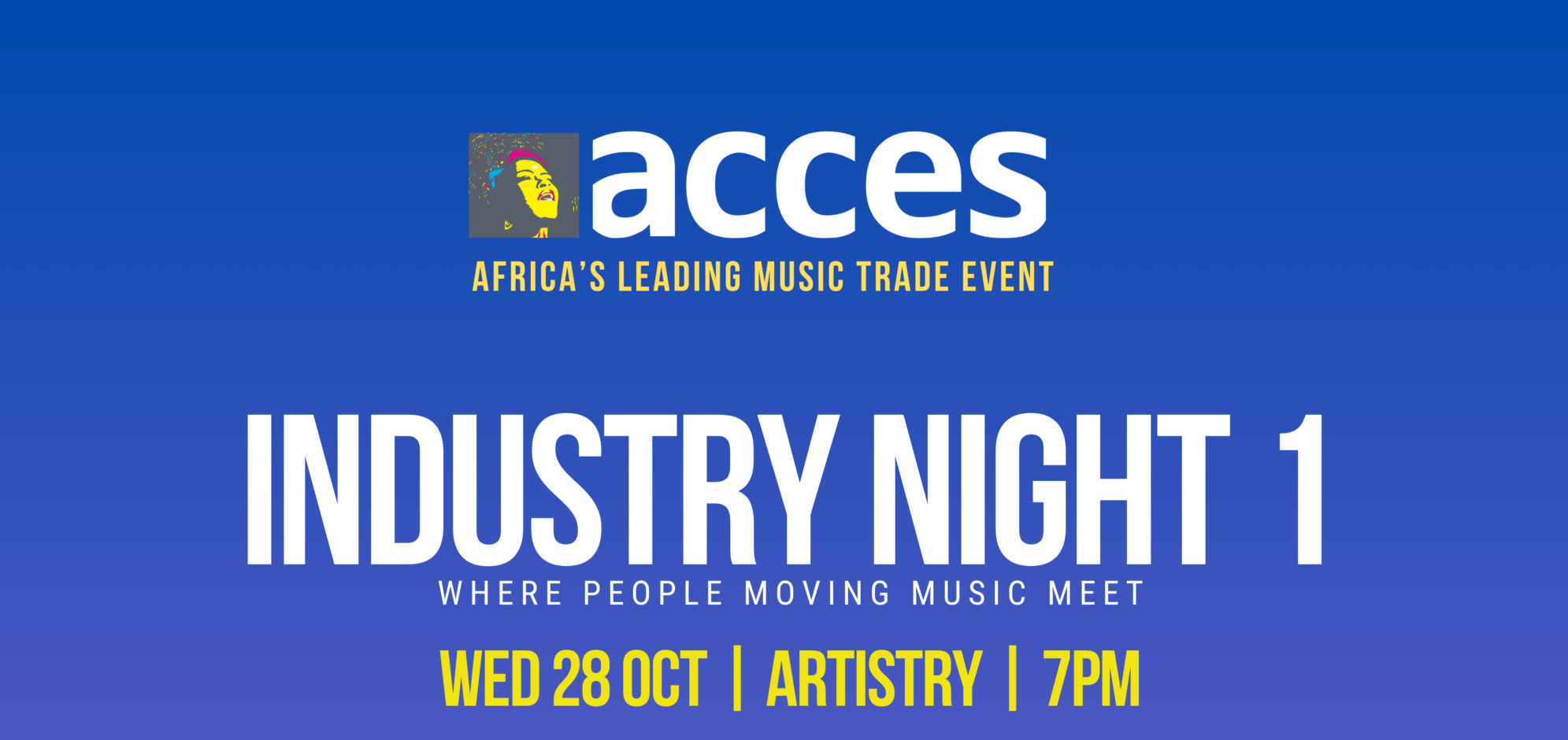
ACCES Conference and Showcase Festival is Africa's leading music industry gathering, bringing together the people shaping the future of the continent's music business. Artists, entrepreneurs, executives, investors, policymakers and cultural leaders from across Africa and around the world come to ACCES to build partnerships, exchange ideas, discover talent and create new business opportunities. Since its launch in 2017, ACCES has become the continent's premier platform for professional exchange and music market development. Combining a high-level conference with a curated showcase festival, networking, exhibitions and industry programmes, ACCES offers a unique space where creativity meets business and where African music connects with the global industry.

Gender@Work
Gender@Work

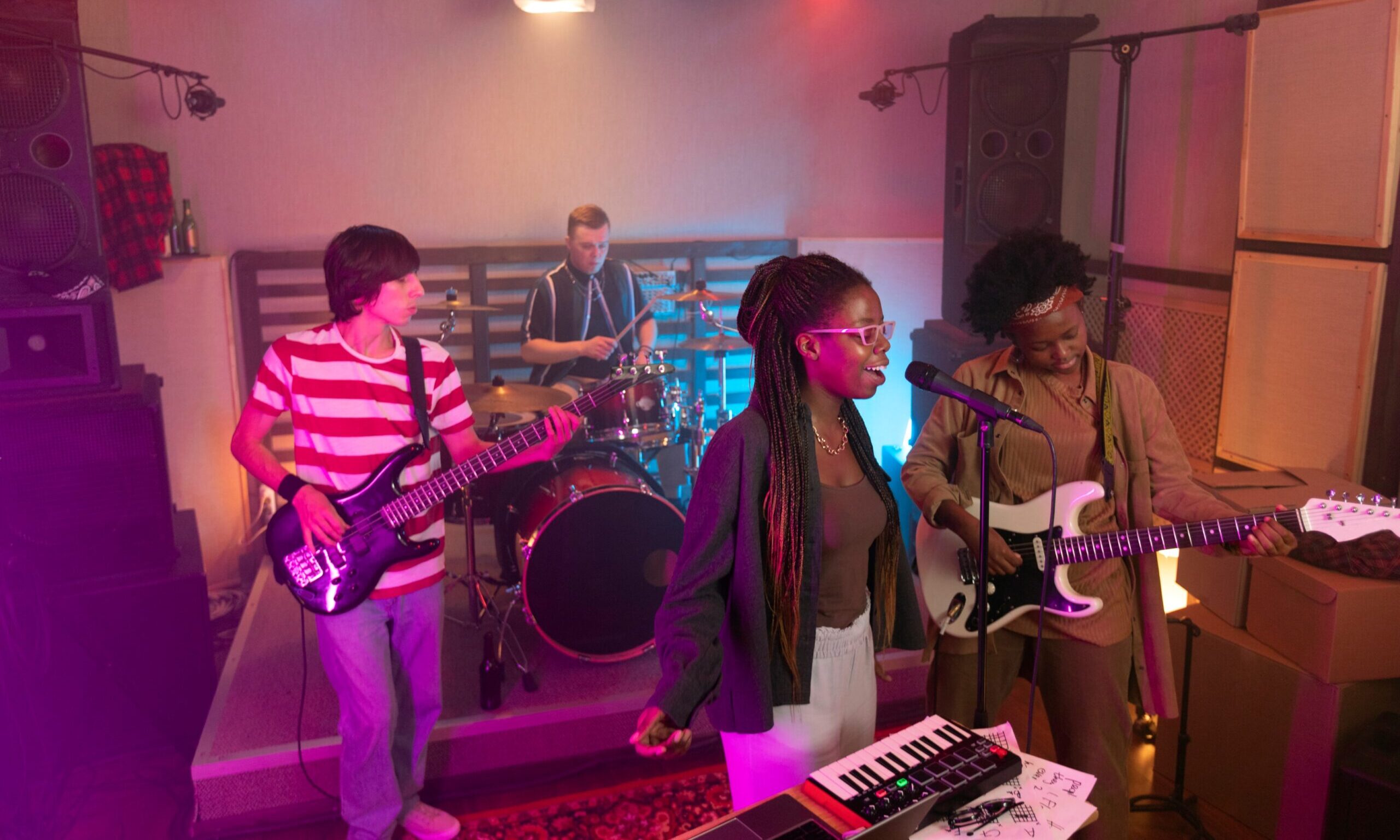
Music In Africa Gender @ Work is a three-year training programme aimed at upskilling and increasing the participation of female professionals in the African music sector. Launched by the Music In Africa Foundation (MIAF) in April 2019, the programme is connected to the MIAF’s ACCES music conference – a pan-African event held in a different African country every year. This connection enables the programme to reach new participants in a different African country every year. The programme marks the beginning of a more concerted effort by the Foundation to support the participation and inclusion of women in all facets of its programmes and the music sector in Africa as a whole. Over the three years, the programme will aim to address gender imbalances in the sector through training, lobbying, facilitating knowledge exchange and dialogues that foster the interest of women. The broader objectives of the programme are to: Provide industry training for women on critical music industry skills, focusing on: Stage management Electronic music production and recording Music business management Technical knowledge Provide an opportunity for both professional and aspiring women to benefit from the Music In Africa network and its broad range of activities in 2019, 2020 and 2021. Provide a solution-based platform in the form of a round table at ACCES with a view to identify challenges, discuss opportunities and lobby for the interests of female practitioners. Offer participants the opportunity to benefit from programmes offered by MIAF’s partners. Increase access to educational materials. Integrate participants in the broader ACCES programme to maximise experience and exposure to the industry. Record and present training materials on the www.musicinafrica.net, including but not limited to tutorials, templates and other best-practice materials. Communicate women-based themes that support the initiatives and messages of the programme. MAIN TRAINING ACTIVITIES Training in first country (Ghana): In the first year, participants will be trained on all aspects of stage management by a team of experienced stage managers from 10 to 17 November 2019. The programme will offer robust classroom training as well as practical, hands-on training in which participants will also be given the opportunity to manage various aspects of the ACCES performance programme. Training in second country: The second training iteration will take place at ACCES 2020 when the programme will diversify its course to include music production lessons and training on other music business topics. A round-table platform will also be introduced to coincide with the ACCES programme. Training in third country: The third training iteration will take place at ACCES 2021 in a different country, offering an advanced course. HOW DO YOU GET INVOLVED?  As a participant, facilitator or trainer: The programme enrolls up to 12 trainees every year. All opportunities are advertised publicly on this website, and will be added to this page. Please keep checking this page for new calls (below under UPDATES & CURRENT OPPORTUNITIES). As a partner Please contact Claire Metais at [email protected]. APPLY The call for applications for 2020 will be announced soon. The Music In Africa Gender @ Work programme is made possible with the support of the Prince Claus Fund, Siemens Stiftung and Goethe-Institut.

Sound Connects Fund
Sound Connects Fund

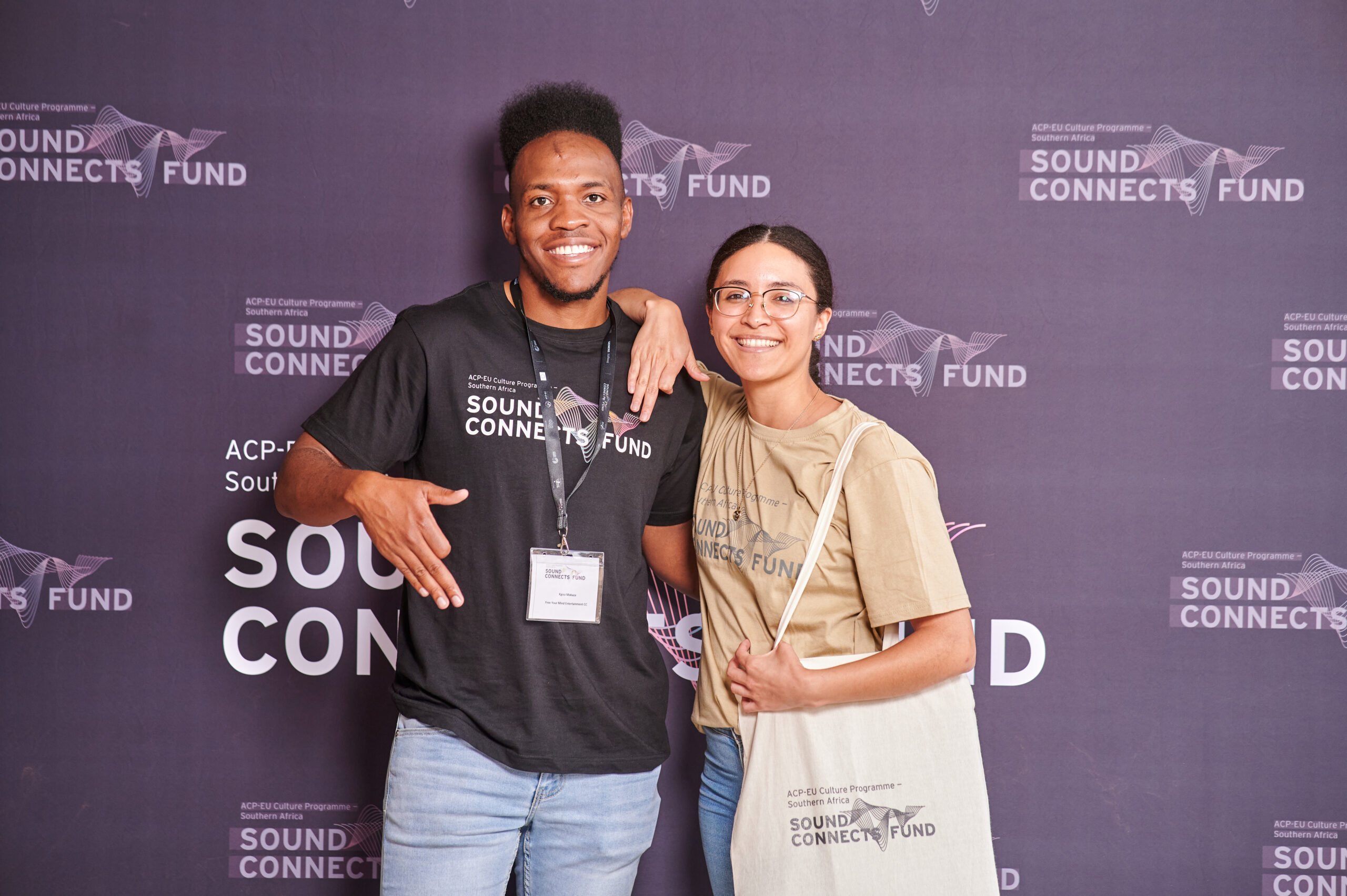
For cultural and creative practitioners and organisations operating in southern Africa, access to funding remains a major challenge. The COVID-19 pandemic has also had a massive impact on government policy, spending and the economy in general, and has seen spending on culture being moved further down the list of priorities. Further, the cultural and creative industries repeatedly cite four main areas where investment is needed for growth, which are increased visibility, mobility including access to new markets, finance and support structures.

Instrument Building And Repair Project

Experience the Vibrations African Instruments Exhibition online in 3D

banner image

Khar Mbaye Madiaga, ou l’art de ne jamais quitter Rufisque

Home/Non classé/Khar Mbaye Madiaga, ou l’art de ne jamais quitter Rufisque

Khar Mbaye Madiaga est morte là où elle était née, là où sa voix avait pris forme, là où elle n’a jamais cessé d’appartenir. À 87 ans, elle laisse derrière elle bien plus qu’une discographie ou des souvenirs de scène. Elle laisse une empreinte sonore et morale, une manière d’être au monde par le chant. Dans un pays où la musique a longtemps servi de boussole sociale, elle faisait partie de ces voix qui ne divertissent pas seulement, mais qui tiennent debout.

Avant les scènes nationales, avant Sorano, avant les voyages officiels et les grandes cérémonies, il y eut Rufisque. Les cours familiales, les nuits animées, les jeux rituels, les arènes de lutte. C’est là que Khar Mbaye a forgé sa voix : dans le réel, dans le collectif, dans l’exigence. Elle chantait pour dire, pour cadrer, pour rappeler les règles invisibles. Sa parole chantée avait une fonction.

Kaaro Yalla reste l’un de ses legs les plus puissants. Ce chant n’a jamais été une simple animation d’arène. C’est un texte de défi, presque une interpellation morale. Il convoque le courage, la virilité, la dignité. Il pousse le lutteur à dépasser le geste pour entrer dans le combat vrai. S’il a traversé les générations, jusqu’à devenir un chant fédérateur lors de l’épopée de 2002, c’est parce qu’il parle à l’orgueil collectif, à ce moment précis où un peuple se regarde et se mesure à lui-même.

Mais Khar Mbaye ne s’est jamais laissée enfermer dans une seule image. Sa voix savait se faire douce sans perdre sa force. Elle chantait l’amour, la transmission, l’enfance, la responsabilité sociale. Certaines de ses chansons ressemblent à des conseils murmurés, d’autres à des alertes claires. Toujours, il y avait le souci de dire juste, de parler vrai. Elle chantait comme on transmet un héritage, sans détour, sans complaisance.

Sa dimension spirituelle faisait partie intégrante de son identité. Discrète, constante, incarnée. Ses chants religieux ne sont pas des exercices de dévotion figée, mais des récits, des archives vivantes. Ils racontent des filiations, des figures, des territoires spirituels. Son chapelet, presque toujours présent, disait cette fidélité à l’essentiel, cette cohérence entre la voix, la foi et la vie.

L’entrée de Khar Mbaye Madiaga à l’Ensemble lyrique national, au Théâtre Daniel Sorano, a marqué une étape décisive. Elle y a côtoyé des figures majeures de la musique traditionnelle, participé à la construction d’une culture nationale mise en scène, portée, assumée. Le Festival mondial des arts nègres de 1966, les tournées internationales, les prestations devant des chefs d’État et des institutions comme l’UNESCO ont inscrit sa voix dans une histoire plus large. Sa trajectoire épouse celle d’un Sénégal qui se cherchait, se disait, se montrait.

Elle portait aussi une esthétique. Une manière d’être femme, d’être sénégalaise, sans concession. Le port du vêtement, la démarche, la présence scénique racontaient une identité assumée, profondément ancrée. Chez elle, le corps, la voix et la parole formaient un même langage.

Aujourd’hui, Rufisque lui a donné une maison. Ce geste n’est ni symbolique ni tardif. Il est juste. Parce que Khar Mbaye Madiaga n’était pas une artiste que l’on consomme : elle est une artiste que l’on habite. Sa voix a traversé les familles, les arènes, les scènes, les générations.

En repassant mentalement devant cette Maison des arts, le jour même de l’annonce de sa mort, une certitude s’impose : Khar Mbaye Madiaga n’a pas quitté le paysage. Elle s’y est installée définitivement.

newsletter banner

Subscribe to our monthly Newsletter

Follow us on social media