


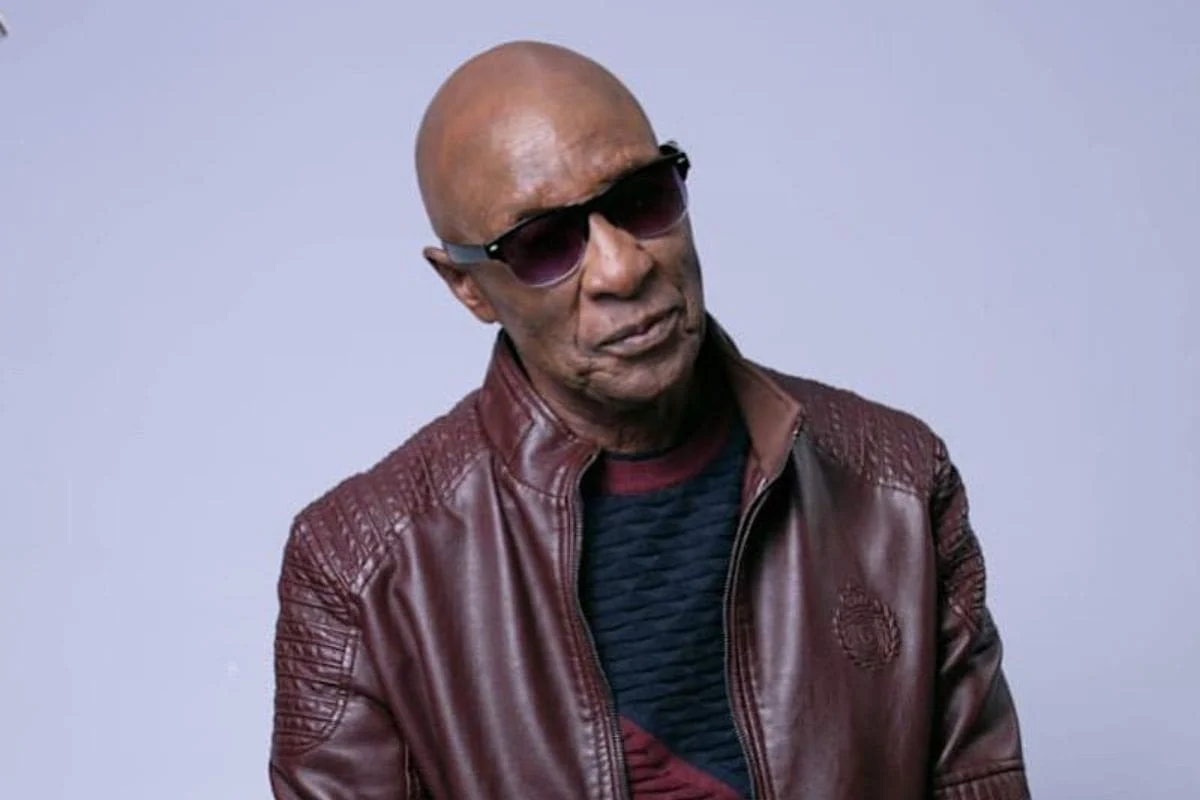
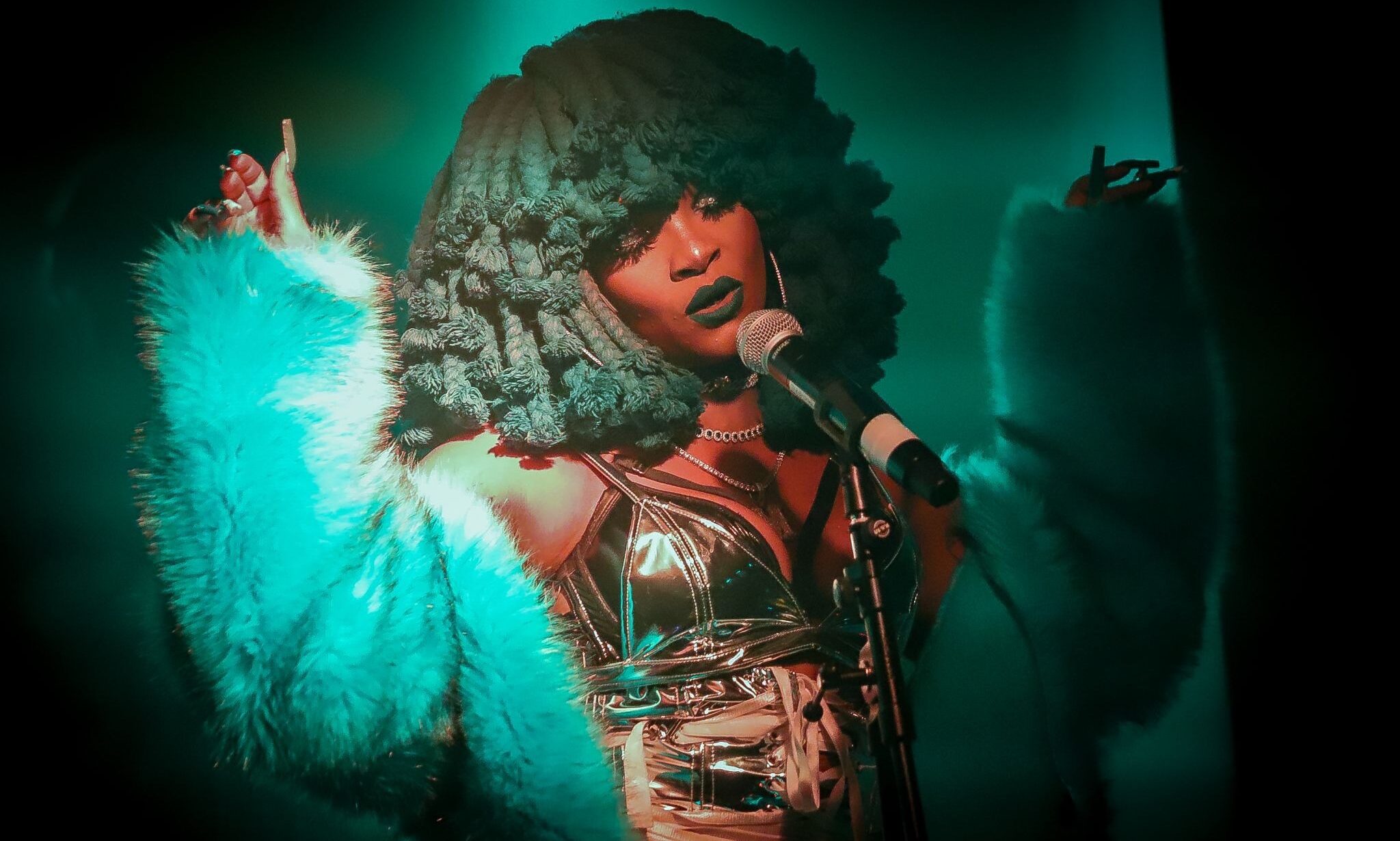


















































For a very long time Tanzanians attributed the albinism condition to witchcraft. But with the emergence of various human rights organisations, life has become easier for many with the condition including Sixmond Mdeka, who is popularly known as Ras Six.
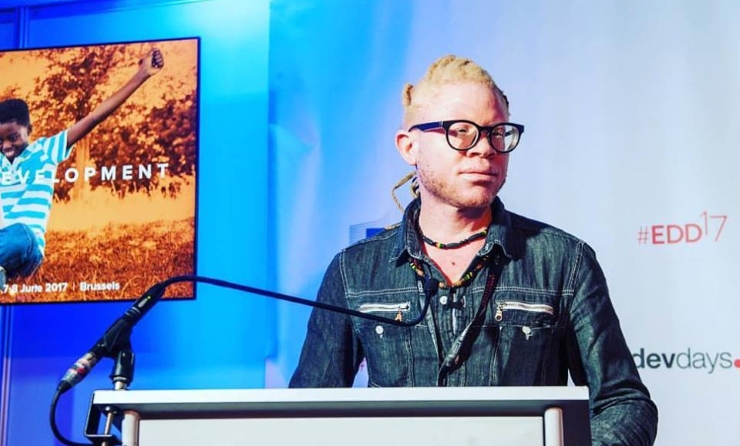
Mdeka lost his parents who also had the condition to skin cancer at the age of five, forcing him to move in with his uncle who refused to send him to school. Frustrated, Mdeka ran away and lived on the streets in Tabora region until he was taken in by the Missionaries of Charity, an organisation that housed and educated needy children.
At the children’s home, Mdeka learnt to read and write despite experiencing discrimination from students and teachers. Mdeka joined the choir and learnt to play music and developed a passion for it. Today, Mdeka is using his music to give a voice to the voiceless through highlighting the problems of people with albinism and the disabled.
Ras Six spoke to Music In Africa about his life as a musician in Tanzania, his two bands and future plans.
MUSIC IN AFRICA: What Challenges have you experienced as a musician in Tanzania?
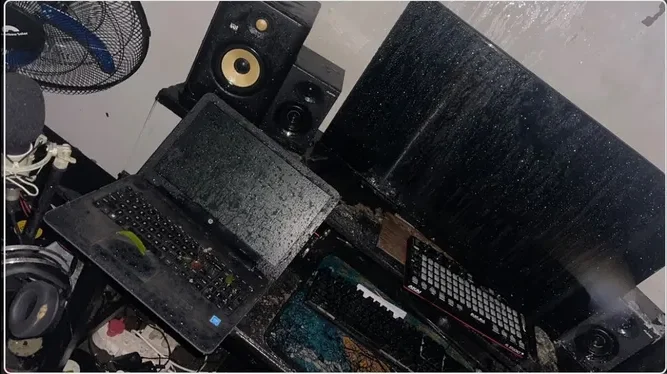
RAS SIX: l don't face any discrimination within Tanzania's music industry but I face many challenges just like any other artist. My biggest challenge is finding sponsors and a music manager. First of all I find it hard to cater for everything from production to distribution of songs. Although I have previously had donations from well-wishers, I still wish to own my own music equipment.
Secondly, lack of support from the Tanzanian media has made it difficult for me to locally make a living from my music. In Tanzania, reggae music is not recognised as a commercial genre of music. Tanzanians are being fooled by the media in believing that the best music is that which encourages violence, inappropriate dressing and has dirty lyrics. My songs on the other hand talk about real issues: peace, love, unity, respect for life and people with disabilities. Ironically, I do have fans from other countries who invite me for shows. I have travelled to perform in Sweden, England, Belgium and even Peru.
The Tanzania Albinism Collective has just returned from promoting its recently released album, White African Power, in the UK. What does this mean for people with the condition in Tanzania?
For a very long time we have felt like outcasts. Many albinos including myself grew up believing that albinism was caused by either witchcraft or a curse. But thanks to public education, we are now aware that albinism is just a skin condition. The Tanzania Albinism Collective members are not professional musicians, but I am glad that for the first time members of the community are able to tell their stories through music. They have been able to push their agenda prompting discussions about albinism in Tanzania and across the world. Therefore, it is my prayer that their songs will change the view of the public towards albinos.
In September the Tanzanian High Court sentenced six individuals to 20 years behind bars for conspiracy to murder an albino in 2013. What are your thoughts about this?
First of all, the devilish act took place in 2013 only for the court to give its ruling in 2017. That to me is pure pretence by the courts. If the international community had not gotten involved in the case of Mwigulu Matonange, the 10-year-old boy whose hand was chopped off, this case would not have seen the light of day. It is no secret that the government has not since since time immemorial done enough to protect persons with albinism.
Secondly, I would like to appeal to my fellow musicians to not turn a blind eye to the injustice that is being experienced by albinos in Tanzania.
On your Facebook page there are pictures of you donating sunscreen and other amenities to people with albinism. Is it a personal project?
No, it is not a personal project. I work with a few humanitarian organisations that support people with albinism and disability such as FUB, the Swedish National Association for Persons with Intellectual Disability, the United Nations Development Programme (UNDP) in Tanzania. Standing Voice, which works to promote social inclusion and to end human rights violations against people with albinism in East Africa, and the European Union (EU), among others.
Additionally, I have recently founded my own company called Shika Mkono Albinism Aid In Tanzania (SMAAT), which will aid persons with albinism by fighting for their rights through public civic education and advocacy. My future plan is to set up a safe home for people with disabilities, orphans and any other persons in need.
You have two bands, Tunaweza Band and Ras Six and the Band. Is there a specific reason for this?
As a musician involved in activism, I find myself working with different clients. In Tunaweza Band I work with 15 musicians who are either physically handicapped or albinos. We play our own originally written songs based on stigmatisation in both Swahili and other native languages.
This band has a specific type of audience that can listen to them, while in Ras Six and the Band, we play cover songs and my personal reggae compositions. Financial constraints have, however, forced me to dismiss members of Tunaweza Band so that they can look for alternative sources of income. I hope that God opens a way soon so I can revive it because I do not want them to go begging on the streets.


Most popular

Top amapiano songs of 2026
16 Feb 2026
Call for applications: ACCES 2026 Emerging Artist Spotlight Competition
01 Oct 2026

Top Naija songs of 2026
31 Mar 2026
Open call: 2026 Gender@Work music industry training in Johannesburg
03 Oct 2026

Top Afrobeats songs of 2026
19 Mar 2026
AFRIMA 2026: All the winners
12 Jan 2026
Disclaimer: Music In Africa provides a platform for musicians and contributors to embed music and videos solely for promotional purposes. If any track or video embedded on this platform violates any copyrights please inform us immediately and we will take it down. Please read our Terms of Use for more.

Subscribe to our monthly Newsletter
Follow us on social media


Please log in to post a comment.