




































NEFCISA
NEFCISA

The Music In Africa Foundation (MIAF) is proud of its partnership with the Industrial Development Corporation (IDC) as a Strategic Implementing Partner (SIP) for its Social Employment Fund (SEF). Through this collaboration, MIAF is running a national programme that is creating jobs, addressing skills gaps, and strengthening South Africa's creative industries — in line with the SEF's overarching goal to generate work for the common good and build community value through employment, social contribution, and inclusive economic participation. Operating under the banner NEFCISA (National Employment Facility for Creative Industries in South Africa), the initiative is recruiting and training participants, matching them with host organisations, and has already placed 1 500 workers across the country — surpassing its original target of 1 000. NEFCISA is delivered through a network of 20 host organisations spanning five provinces, who are actively hosting participants and contributing to work for the common good across South Africa's creative and cultural industries. Key Objectives: Support employment and entrepreneurship in the creative industries. Offer skills development and training programmes. Foster partnerships between public and private creative sectors. Promote South African creativity at both provincial and national levels Foster community development through social contribution.

ACCES
ACCES

ACCES Conference and Showcase Festival is Africa's leading music industry gathering, bringing together the people shaping the future of the continent's music business. Artists, entrepreneurs, executives, investors, policymakers and cultural leaders from across Africa and around the world come to ACCES to build partnerships, exchange ideas, discover talent and create new business opportunities. Since its launch in 2017, ACCES has become the continent's premier platform for professional exchange and music market development. Combining a high-level conference with a curated showcase festival, networking, exhibitions and industry programmes, ACCES offers a unique space where creativity meets business and where African music connects with the global industry.

Gender@Work
Gender@Work

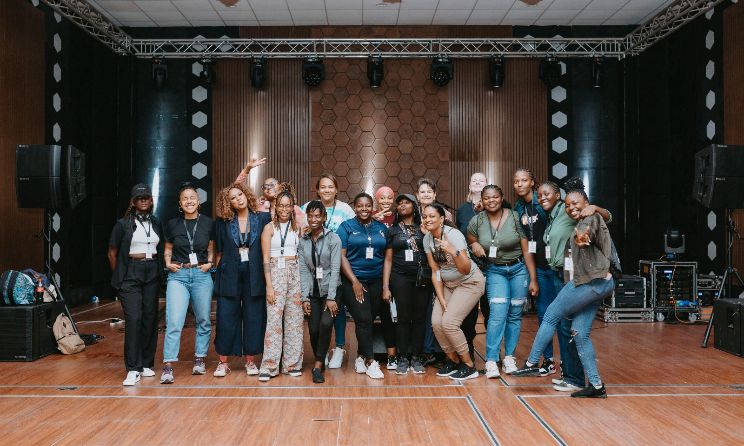
Music In Africa Gender @ Work is a three-year training programme aimed at upskilling and increasing the participation of female professionals in the African music sector. Launched by the Music In Africa Foundation (MIAF) in April 2019, the programme is connected to the MIAF’s ACCES music conference – a pan-African event held in a different African country every year. This connection enables the programme to reach new participants in a different African country every year. The programme marks the beginning of a more concerted effort by the Foundation to support the participation and inclusion of women in all facets of its programmes and the music sector in Africa as a whole. Over the three years, the programme will aim to address gender imbalances in the sector through training, lobbying, facilitating knowledge exchange and dialogues that foster the interest of women. The broader objectives of the programme are to: Provide industry training for women on critical music industry skills, focusing on: Stage management Electronic music production and recording Music business management Technical knowledge Provide an opportunity for both professional and aspiring women to benefit from the Music In Africa network and its broad range of activities in 2019, 2020 and 2021. Provide a solution-based platform in the form of a round table at ACCES with a view to identify challenges, discuss opportunities and lobby for the interests of female practitioners. Offer participants the opportunity to benefit from programmes offered by MIAF’s partners. Increase access to educational materials. Integrate participants in the broader ACCES programme to maximise experience and exposure to the industry. Record and present training materials on the www.musicinafrica.net, including but not limited to tutorials, templates and other best-practice materials. Communicate women-based themes that support the initiatives and messages of the programme. MAIN TRAINING ACTIVITIES Training in first country (Ghana): In the first year, participants will be trained on all aspects of stage management by a team of experienced stage managers from 10 to 17 November 2019. The programme will offer robust classroom training as well as practical, hands-on training in which participants will also be given the opportunity to manage various aspects of the ACCES performance programme. Training in second country: The second training iteration will take place at ACCES 2020 when the programme will diversify its course to include music production lessons and training on other music business topics. A round-table platform will also be introduced to coincide with the ACCES programme. Training in third country: The third training iteration will take place at ACCES 2021 in a different country, offering an advanced course. HOW DO YOU GET INVOLVED?  As a participant, facilitator or trainer: The programme enrolls up to 12 trainees every year. All opportunities are advertised publicly on this website, and will be added to this page. Please keep checking this page for new calls (below under UPDATES & CURRENT OPPORTUNITIES). As a partner Please contact Claire Metais at [email protected]. APPLY The call for applications for 2020 will be announced soon. The Music In Africa Gender @ Work programme is made possible with the support of the Prince Claus Fund, Siemens Stiftung and Goethe-Institut.

Sound Connects Fund
Sound Connects Fund

For cultural and creative practitioners and organisations operating in southern Africa, access to funding remains a major challenge. The COVID-19 pandemic has also had a massive impact on government policy, spending and the economy in general, and has seen spending on culture being moved further down the list of priorities. Further, the cultural and creative industries repeatedly cite four main areas where investment is needed for growth, which are increased visibility, mobility including access to new markets, finance and support structures.

Instrument Building And Repair Project

Experience the Vibrations African Instruments Exhibition online in 3D

Features

Insightful content defines Day 2 of ACCES 2018

17 Nov 2018 - 19:19

cc-img flag-img

It was an insightful Day 2 at the Music In Africa Conference for Collaborations, Exchange and Showcases (ACCES), as delegates were taken through various in-depth discussions. On the final day of the conference, panels and workshops varied from music education, composing for film and accelerating collaborations among African artists.
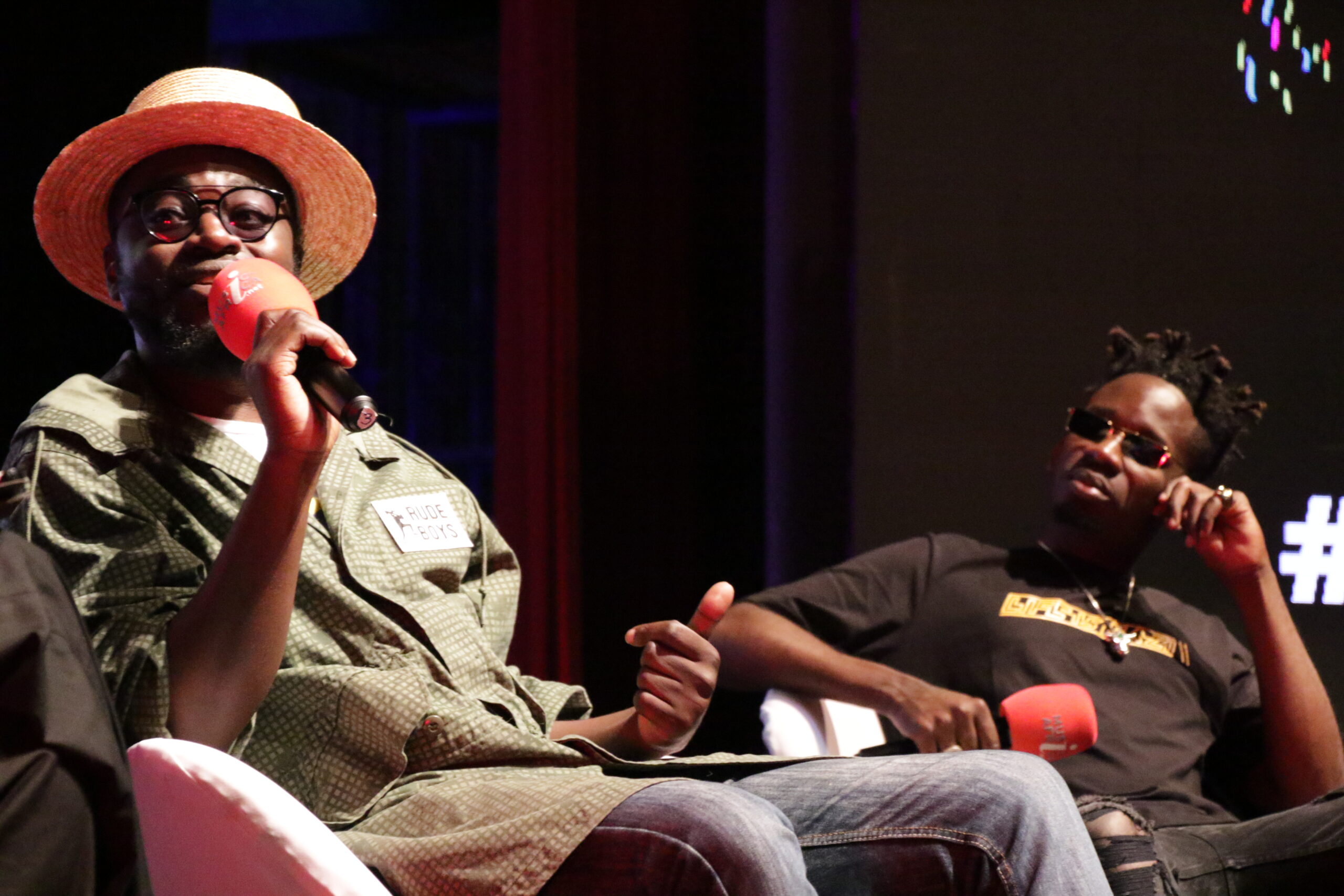
Blinky Bill and Mr Eazi spoke about music collaborations.

It emerged that in Africa music education is not given the time it deserves in mainstream curriculums. A number of African delegates and panellist admitted that in their home countries music is not taught in schools and access to quality music training continues to be a challenge. Held in the main hall of the Kenya National Theatre, the panel was led by Sauti Academy founder Natalie Lukkenaer (Kenya), Zukunftslabor's Annette Rüggeberg (Germany), PASMAE president Ben Kigozi (Uganda), department of music and dance lecturer at Kenyatta University Dr Evelyne Mushira (Kenya), and the director of the Kenya Conservatoire of Music, Wandiri Karimi.

“You get the education that you pay for," Karimi said. "There are many quacks in the business who offer cheap services but don’t teach you anything. Before investing in classes, please do your due diligence."

The need to educate music professionals also featured prominently in the sessions. It emerged that the music ecosystem requires various central skillsets in order to function properly, including instrumentation, sound and lighting engineering and event organisation, all of which require capacity building. With many music schools focusing on classical training, a need to Africanise music education was also highlighted.

Collaborations among pan-African artists have always been viewed as an industry-building strategy, and various ways to accelerate them were discussed at the conference. Panellist noted that collabos were both creative and strategic in nature with both components competing for prominence. Though it is strategic to collaborate with big-name artists, creative synergies are required to make a song successful. There was a healthy debate on the merits and demerits of collaborations and how to navigate them.

“I don’t charge for collaborations with African artists," Nigerian musician Mr Eazi said. "It’s hard to monetise music on the continent so collaborations are for marketing purposes. However, for international artists, where there is money to be made, I do charge vocal services. When I find an emerging artist who is really good, I am always open to work with them. But I have to maintain the quality of my project even if it means investing a little money."

Kenyan radio host Adelle Onyango moderated the panel, which also featured Kenyan producer Blinky Bill. “I have collaborated with people whom I have never met," he said. "Sometimes even a direct DM [direct message] will work. But for me relationships are important. If I can’t hang out with you and connect on a creative level, I won’t do the collabo just because you are famous."

Composing for film continues to be an untapped area with huge potential for the continent's creatives. This specialised area has evaded many African composers. With this in mind, German author and composer Stephan Eicke took participants through the ins and outs of film composition. Better networking between filmmakers and composers was cited as a leading success factor in this space.

“Unfortunately, Americans and Europeans are very ignorant so African music is used as sort of a cliché in gospel-choir, rap or tribal scenes," Eicke, who made references to classic and avant-garde cinema throughout his presentation, said. "If we as a musical society were more open-minded and interacted with each other more often, this would change.”

Please log in to post a comment.

Most popular

Disclaimer: Music In Africa provides a platform for musicians and contributors to embed music and videos solely for promotional purposes. If any track or video embedded on this platform violates any copyrights please inform us immediately and we will take it down. Please read our Terms of Use for more.

newsletter banner

Subscribe to our monthly Newsletter

Follow us on social media