

































NEFCISA
NEFCISA

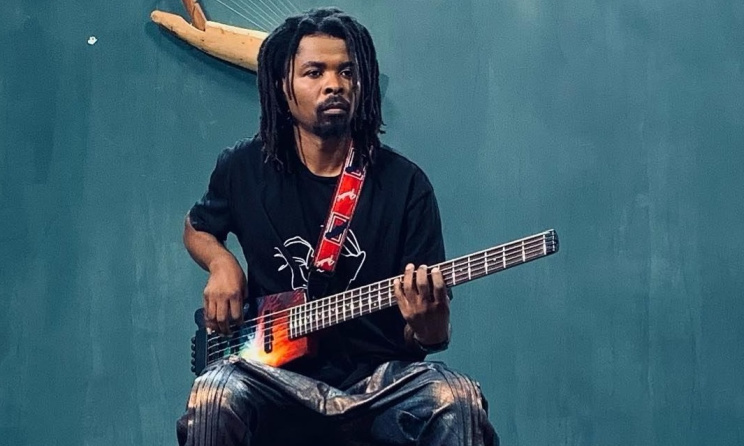
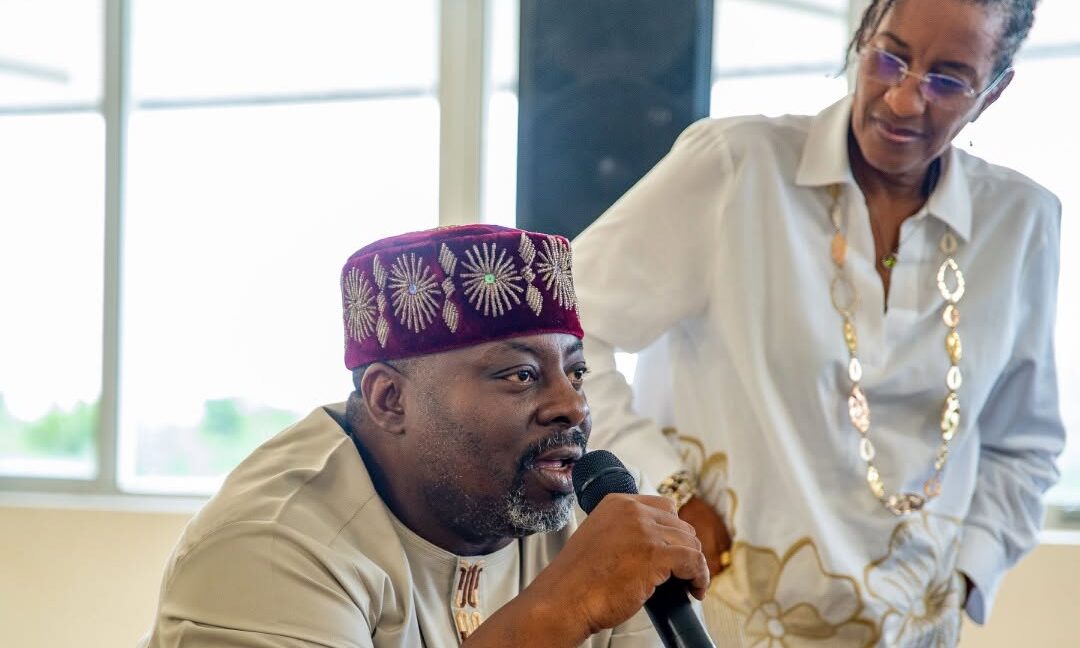
The Music In Africa Foundation (MIAF) is proud of its partnership with the Industrial Development Corporation (IDC) as a Strategic Implementing Partner (SIP) for its Social Employment Fund (SEF). Through this collaboration, MIAF is running a national programme that is creating jobs, addressing skills gaps, and strengthening South Africa's creative industries — in line with the SEF's overarching goal to generate work for the common good and build community value through employment, social contribution, and inclusive economic participation. Operating under the banner NEFCISA (National Employment Facility for Creative Industries in South Africa), the initiative is recruiting and training participants, matching them with host organisations, and has already placed 1 500 workers across the country — surpassing its original target of 1 000. NEFCISA is delivered through a network of 20 host organisations spanning five provinces, who are actively hosting participants and contributing to work for the common good across South Africa's creative and cultural industries. Key Objectives: Support employment and entrepreneurship in the creative industries. Offer skills development and training programmes. Foster partnerships between public and private creative sectors. Promote South African creativity at both provincial and national levels Foster community development through social contribution.

ACCES
ACCES

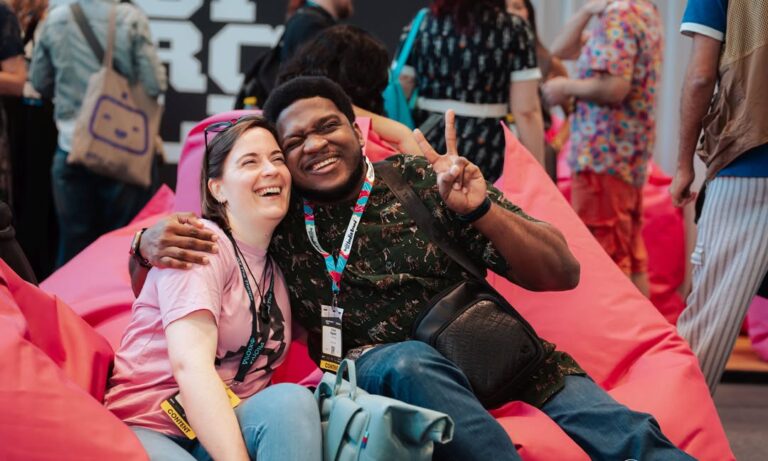
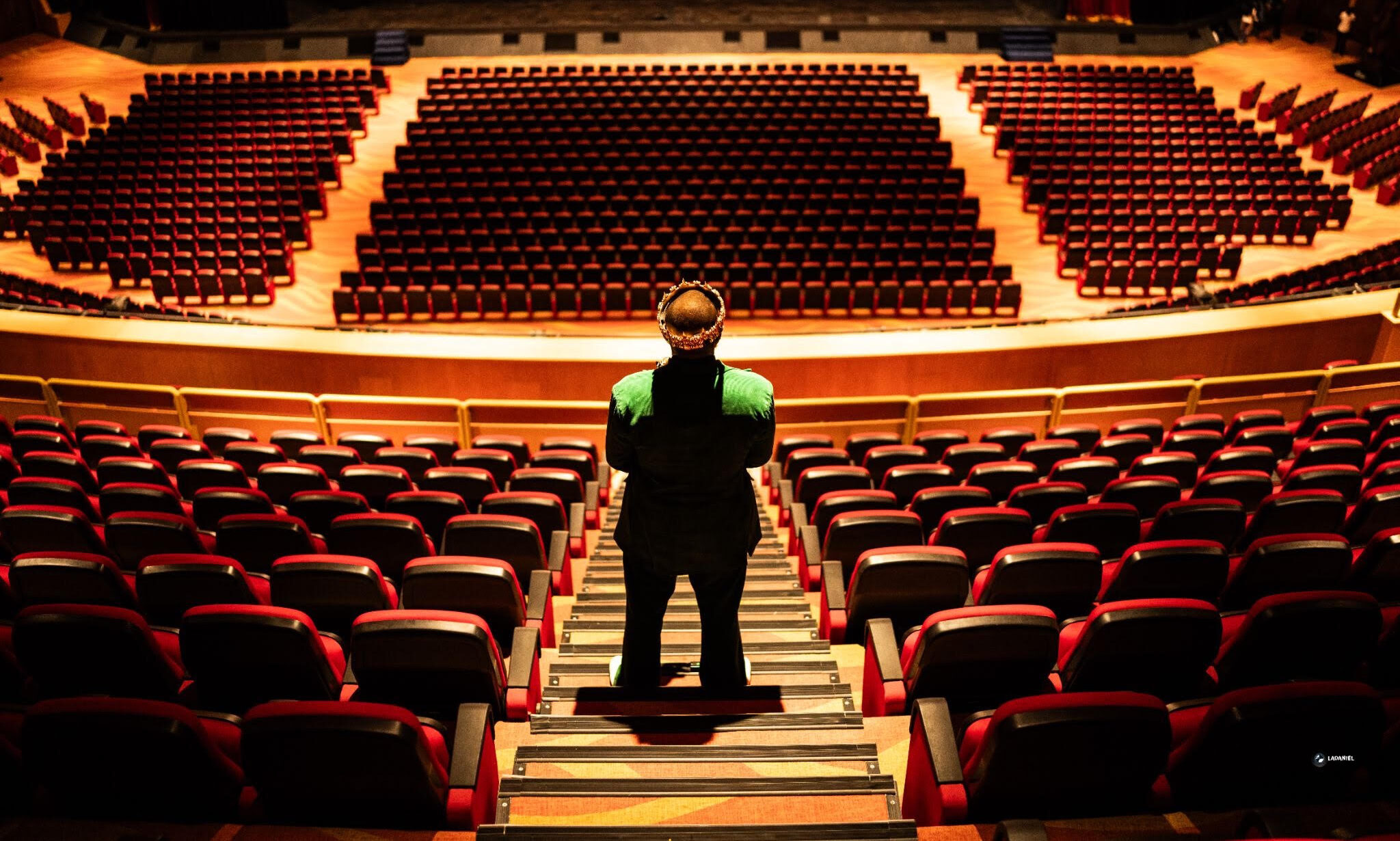
ACCES Conference and Showcase Festival is Africa's leading music industry gathering, bringing together the people shaping the future of the continent's music business. Artists, entrepreneurs, executives, investors, policymakers and cultural leaders from across Africa and around the world come to ACCES to build partnerships, exchange ideas, discover talent and create new business opportunities. Since its launch in 2017, ACCES has become the continent's premier platform for professional exchange and music market development. Combining a high-level conference with a curated showcase festival, networking, exhibitions and industry programmes, ACCES offers a unique space where creativity meets business and where African music connects with the global industry.

Gender@Work
Gender@Work

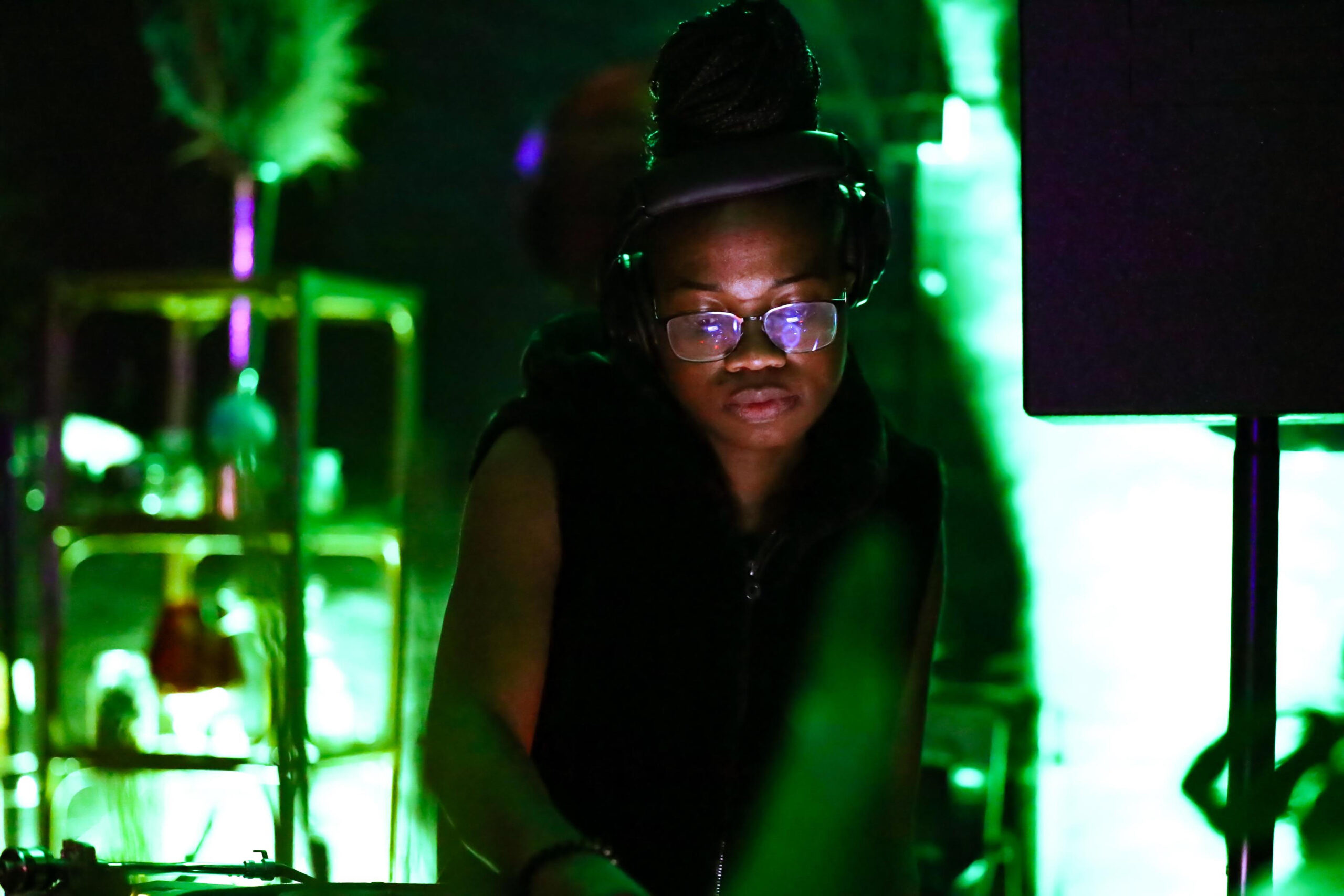
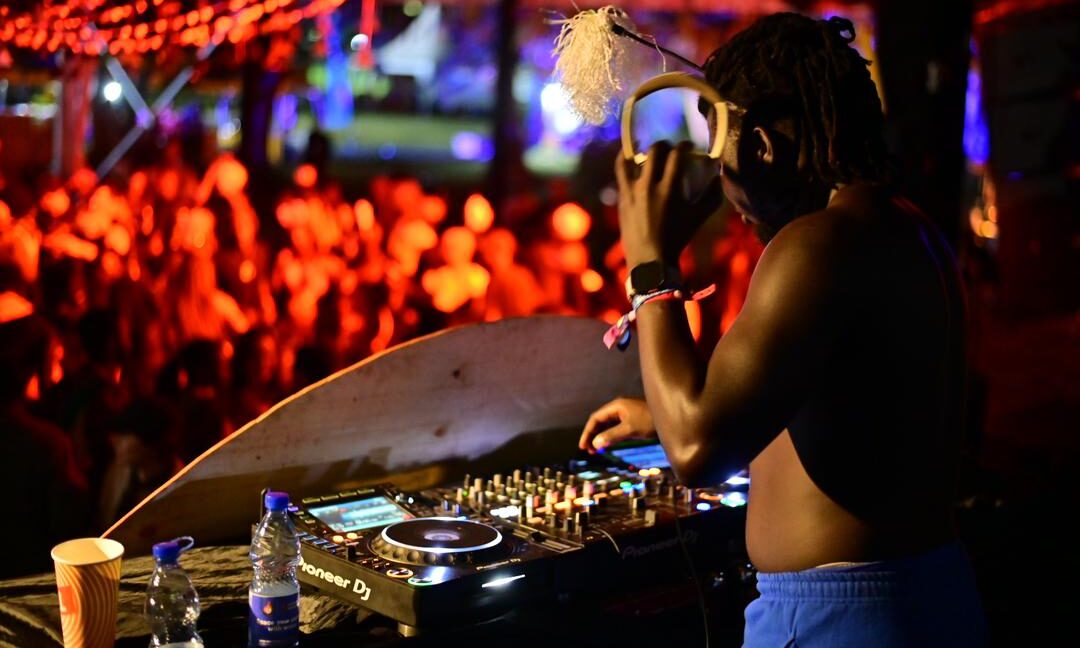
Music In Africa Gender @ Work is a three-year training programme aimed at upskilling and increasing the participation of female professionals in the African music sector. Launched by the Music In Africa Foundation (MIAF) in April 2019, the programme is connected to the MIAF’s ACCES music conference – a pan-African event held in a different African country every year. This connection enables the programme to reach new participants in a different African country every year. The programme marks the beginning of a more concerted effort by the Foundation to support the participation and inclusion of women in all facets of its programmes and the music sector in Africa as a whole. Over the three years, the programme will aim to address gender imbalances in the sector through training, lobbying, facilitating knowledge exchange and dialogues that foster the interest of women. The broader objectives of the programme are to: Provide industry training for women on critical music industry skills, focusing on: Stage management Electronic music production and recording Music business management Technical knowledge Provide an opportunity for both professional and aspiring women to benefit from the Music In Africa network and its broad range of activities in 2019, 2020 and 2021. Provide a solution-based platform in the form of a round table at ACCES with a view to identify challenges, discuss opportunities and lobby for the interests of female practitioners. Offer participants the opportunity to benefit from programmes offered by MIAF’s partners. Increase access to educational materials. Integrate participants in the broader ACCES programme to maximise experience and exposure to the industry. Record and present training materials on the www.musicinafrica.net, including but not limited to tutorials, templates and other best-practice materials. Communicate women-based themes that support the initiatives and messages of the programme. MAIN TRAINING ACTIVITIES Training in first country (Ghana): In the first year, participants will be trained on all aspects of stage management by a team of experienced stage managers from 10 to 17 November 2019. The programme will offer robust classroom training as well as practical, hands-on training in which participants will also be given the opportunity to manage various aspects of the ACCES performance programme. Training in second country: The second training iteration will take place at ACCES 2020 when the programme will diversify its course to include music production lessons and training on other music business topics. A round-table platform will also be introduced to coincide with the ACCES programme. Training in third country: The third training iteration will take place at ACCES 2021 in a different country, offering an advanced course. HOW DO YOU GET INVOLVED?  As a participant, facilitator or trainer: The programme enrolls up to 12 trainees every year. All opportunities are advertised publicly on this website, and will be added to this page. Please keep checking this page for new calls (below under UPDATES & CURRENT OPPORTUNITIES). As a partner Please contact Claire Metais at [email protected]. APPLY The call for applications for 2020 will be announced soon. The Music In Africa Gender @ Work programme is made possible with the support of the Prince Claus Fund, Siemens Stiftung and Goethe-Institut.

Sound Connects Fund
Sound Connects Fund

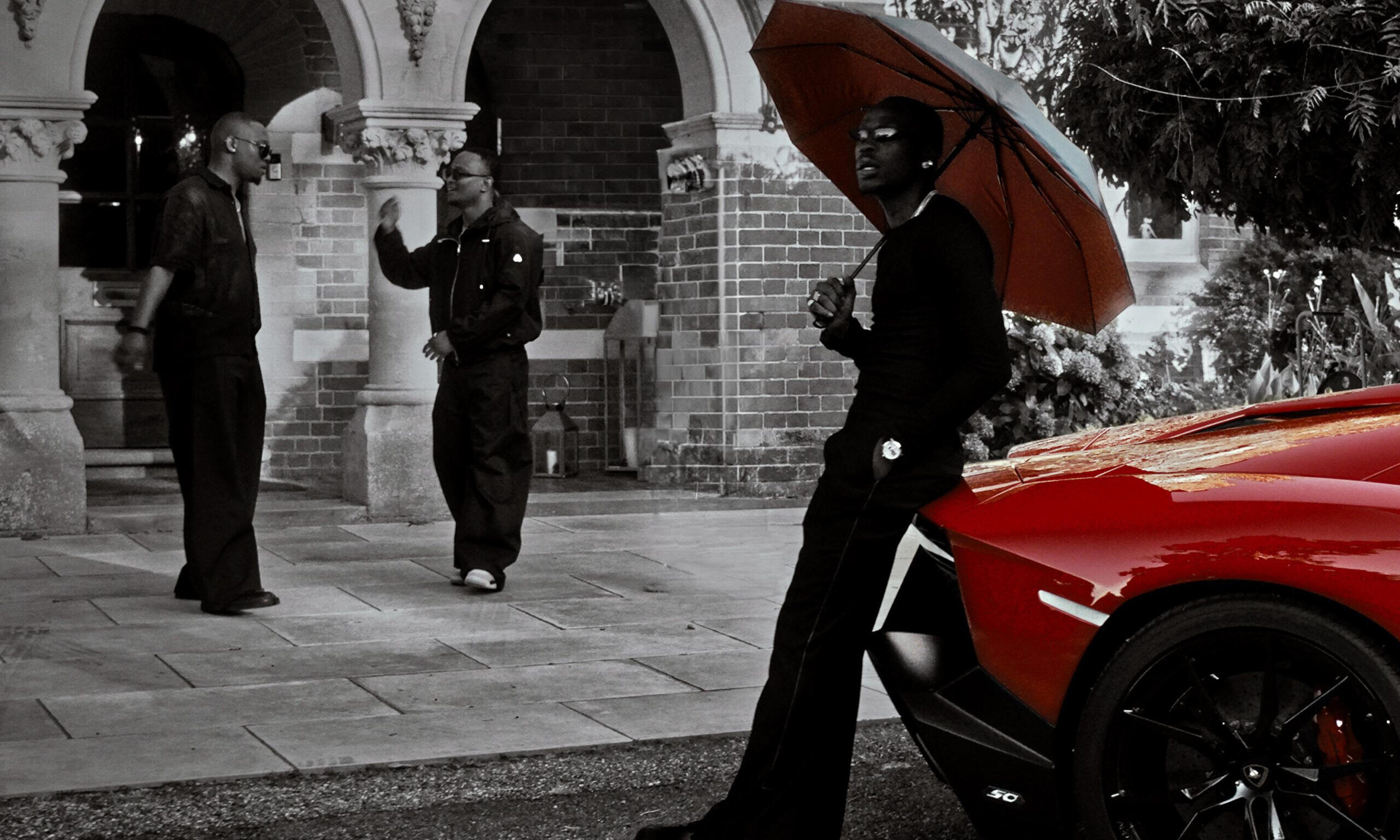
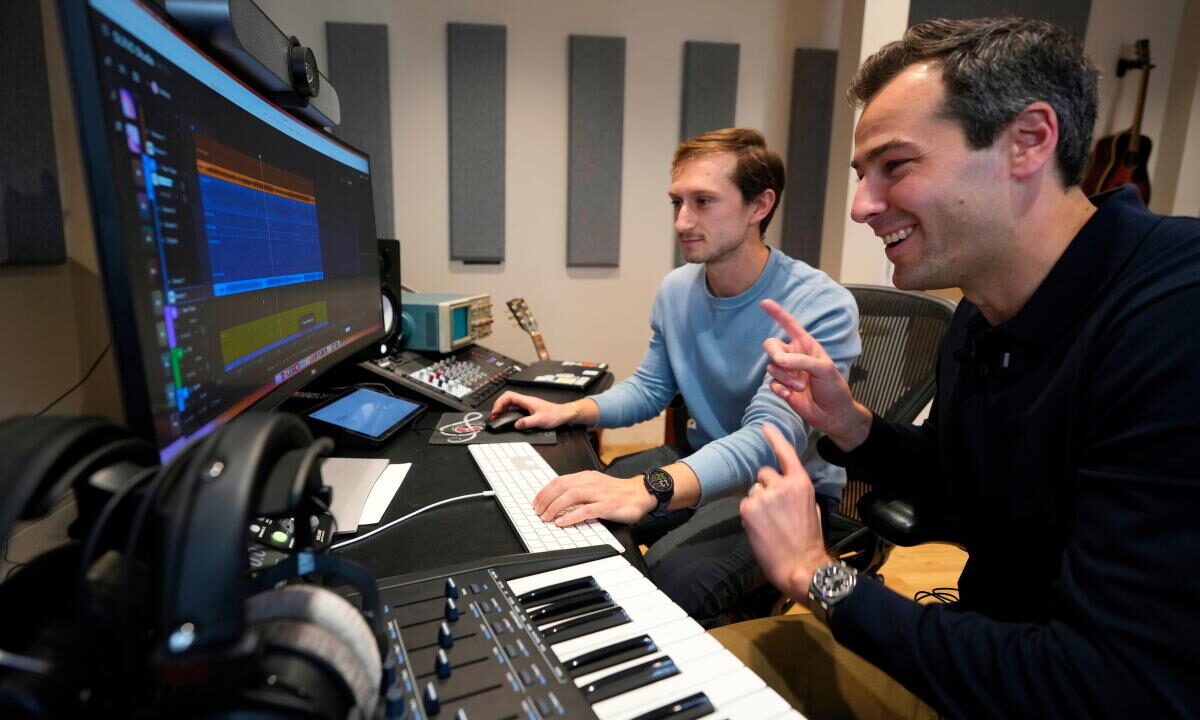
For cultural and creative practitioners and organisations operating in southern Africa, access to funding remains a major challenge. The COVID-19 pandemic has also had a massive impact on government policy, spending and the economy in general, and has seen spending on culture being moved further down the list of priorities. Further, the cultural and creative industries repeatedly cite four main areas where investment is needed for growth, which are increased visibility, mobility including access to new markets, finance and support structures.

Instrument Building And Repair Project

Experience the Vibrations African Instruments Exhibition online in 3D

Features

Sauti za Busara 2021: Organisers pull off successful fest amid challenging times
17 Feb 2021 - 10:32

cc-img flag-img

By Paul Albert

East Africa’s favourite festival Sauti za Busara (SzB) was held at the historic Old Fort in Stonetown, Zanzibar, on 12 and 13 February. It brought together artists from South Africa, Algeria, Uganda and Tanzania for a weekend of eclectic performances under the theme, Alive & Kickin.
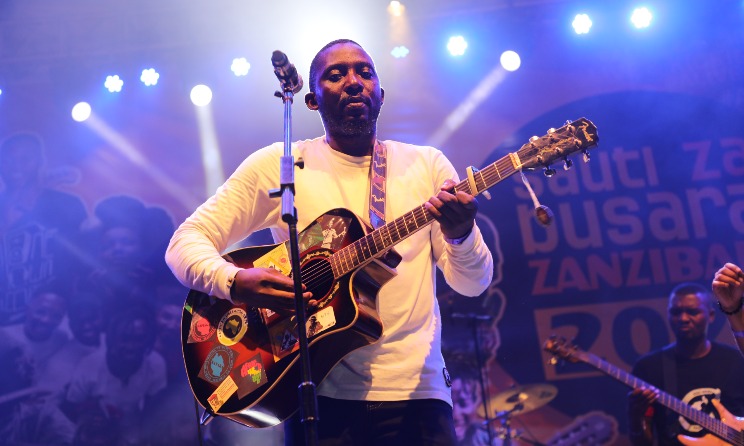
Vitali Maembe was a crowd favorite at Sauti za Busara 2021. Photo: Festo Polea

Opening day, Friday, saw hundreds of music lovers of various ages and nationalities line up at the venue entrance eager to experience African live music at its best. For the first time, the festival organisers were faced with last-minute cancellations from many foreign artists, including Yugen Blakrok (South Africa), Milton Gulli (Mozambique), Dawda Jobarteh (the Gambia), Dogo Fara (Reunion) and Sika Kokoo (Ghana). While some of these acts were unable to travel due to COVID-19 restrictions on international travel, others could not secure travel grants.

Performances

This edition programmed a reduced number of performances from 40 to 14 acts spread over two days instead of the usual four. A large portion of the line-up consisted of Tanzanian musicians.

Some highlights were Vitali Maembe, Msafiri Zawose , TaraJazz and Stone Town Rockers. These artists are recognised as the leading figures across various genres in the country. Maembe was exhilarated to be on the line-up, considering that he had been applying to play at Sauti za Busara for more than a decade but never made it through. “I also applied last year, but my application was rejected,” he said. “It was a huge relief when I received a last-minute call to play at the festival. There was no way I was going to turn it down. It is a once-in-a-lifetime opportunity.”

There were brilliant performances from emerging artists such as Tofa Boy, Siti Muharam and Richie Lumambo, who, despite being in their early music careers, gave a rousing performances. Singer Dulla Makabila was the closing act. His performance was like a shot of adrenaline. He left the audience on a genuinely explosive high proving that singeli music is a crowd favourite.

For musicians like Sandra Nankoma (Uganda) and Djam (Algeria), last weekend's performance was their first time on a big stage almost a year since the COVID-19 outbreak.

Attendance with precaution

The pre-event organisation was viewed with pessimism in many circles, with some activists and sponsors calling for its cancellation while others expressed doubts about whether people would show up. On the contrary, official figures showed that more than 5 000 people were in attendance.

Precautionary measures to prevent the spread of COVID-19 were in place including temperature checks for everyone entering the venue, sanitiser dispensers, hand-washing stations and regular announcements for awareness and preparedness. “We took precautions as per pandemic guidelines the Ministry of Health had given us,” festival manager Journey Ramadhan said.

The more than 3 000 foreigners in attendance applauded the organisers’ efforts in maintaining the ministry’s guidelines, emphasising that the event brought renewed hope for artists and businesses. Ali Juma, a local trader inside the Old Fort, said that before life could regain a semblance of normality, the public had to learn how to live with COVID-19. “We must learn how to live with it by taking the necessary precautions as addressed by our health experts. Communities have to survive because no one is going to bring food to your doorstep,” he said.

While local entrepreneurs applauded the turnout, festival director Yusuf Mahmoud said there had been times of uncertainty. “There were many times over the past year when I feared whether it would be possible for the 2021 edition to go ahead,” he said. “We chose the theme Alive & Kickin in solidarity with Tanzanians, to offer hope and solutions, showing that even in the context of a global pandemic we have to adapt and find new ways to survive and stay alive. It was a heavy responsibility and I am thankful to the many Tanzanians and partners who stood with us 100% all the way”.

What we missed

Over the years, the festival has been accustomed to hosting fringe activities alongside the main event, such as the Movers and Shakers networking session, a carnival parade, and Swahili Encounters – a collaborative project between local and foreign artists. These events were cancelled due to a shortage of funding, as most partners could not offer support after a year of little or no business activities.

“When the blanket is short you learn to fold your legs, so we had to cancel these activities including other stages at the Forodhani Gardens and the Old Fort Amphitheatre,” Mahmoud said.

When the festivalgoers were leaving the Old Fort, they were already looking forward to the next edition, set to take place over Valentine’s Day weekend next year.

Please log in to post a comment.

Most popular

Disclaimer: Music In Africa provides a platform for musicians and contributors to embed music and videos solely for promotional purposes. If any track or video embedded on this platform violates any copyrights please inform us immediately and we will take it down. Please read our Terms of Use for more.

newsletter banner

Subscribe to our monthly Newsletter

Follow us on social media