








































NEFCISA
NEFCISA

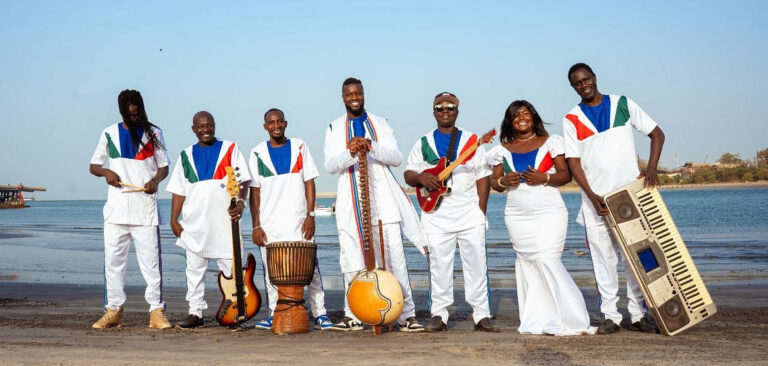
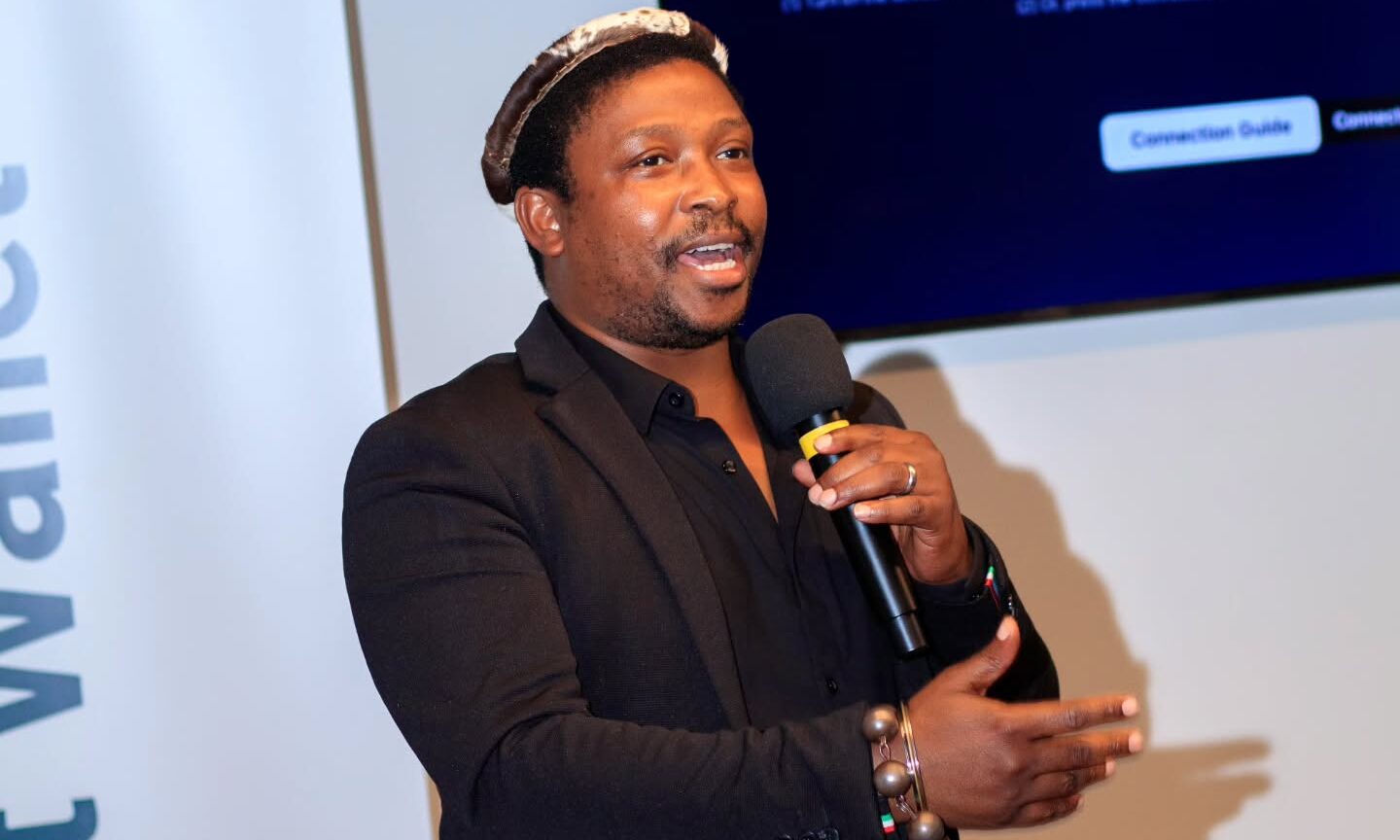
The Music In Africa Foundation (MIAF) is proud of its partnership with the Industrial Development Corporation (IDC) as a Strategic Implementing Partner (SIP) for its Social Employment Fund (SEF). Through this collaboration, MIAF is running a national programme that is creating jobs, addressing skills gaps, and strengthening South Africa's creative industries — in line with the SEF's overarching goal to generate work for the common good and build community value through employment, social contribution, and inclusive economic participation. Operating under the banner NEFCISA (National Employment Facility for Creative Industries in South Africa), the initiative is recruiting and training participants, matching them with host organisations, and has already placed 1 500 workers across the country — surpassing its original target of 1 000. NEFCISA is delivered through a network of 20 host organisations spanning five provinces, who are actively hosting participants and contributing to work for the common good across South Africa's creative and cultural industries. Key Objectives: Support employment and entrepreneurship in the creative industries. Offer skills development and training programmes. Foster partnerships between public and private creative sectors. Promote South African creativity at both provincial and national levels Foster community development through social contribution.

ACCES
ACCES

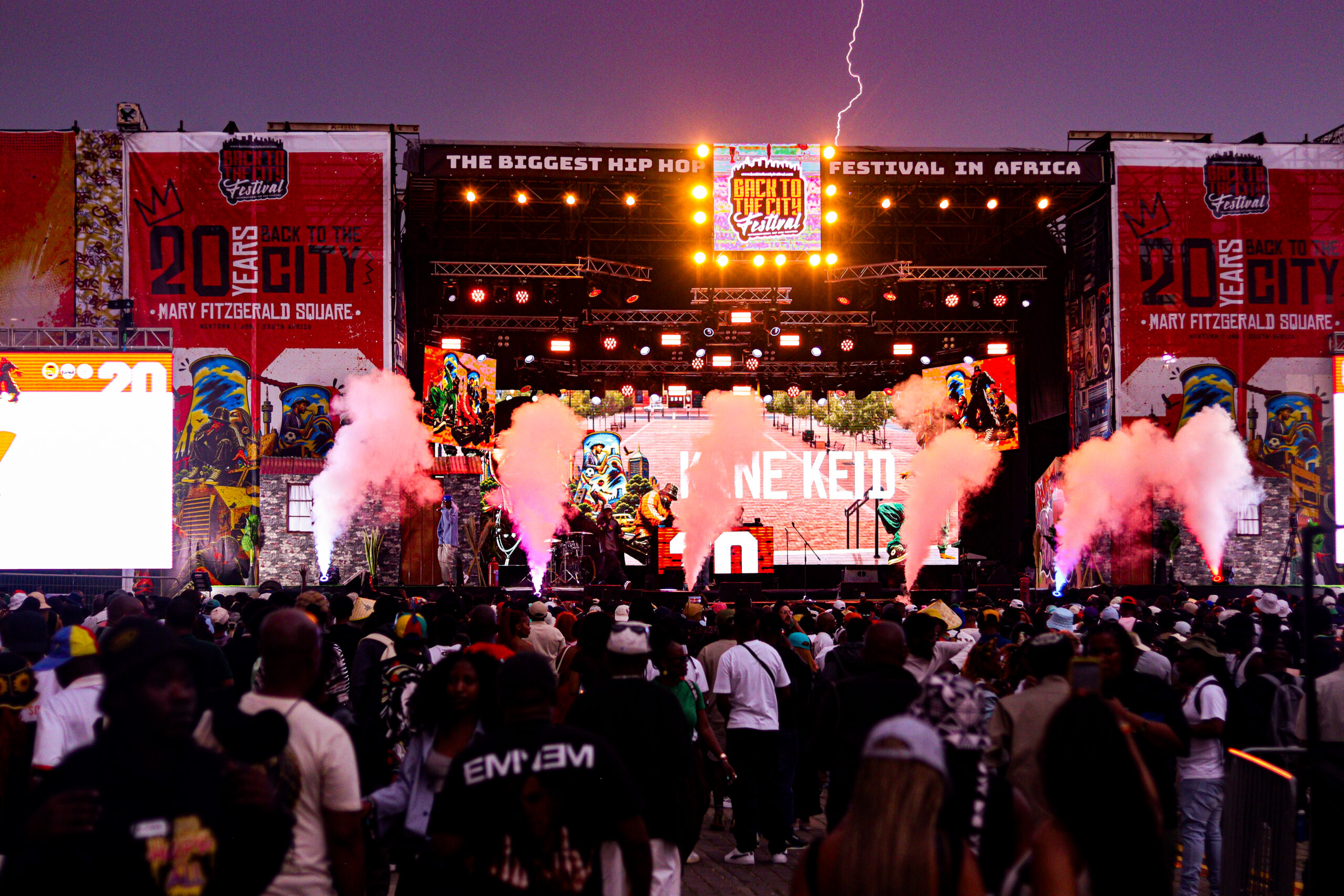
ACCES Conference and Showcase Festival is Africa's leading music industry gathering, bringing together the people shaping the future of the continent's music business. Artists, entrepreneurs, executives, investors, policymakers and cultural leaders from across Africa and around the world come to ACCES to build partnerships, exchange ideas, discover talent and create new business opportunities. Since its launch in 2017, ACCES has become the continent's premier platform for professional exchange and music market development. Combining a high-level conference with a curated showcase festival, networking, exhibitions and industry programmes, ACCES offers a unique space where creativity meets business and where African music connects with the global industry.

Gender@Work
Gender@Work

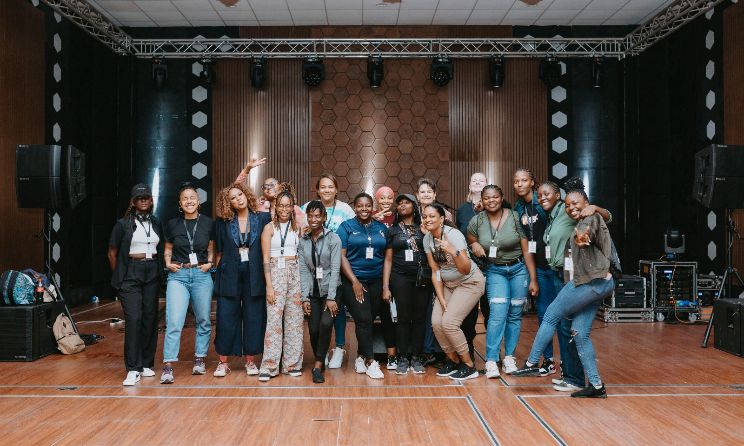
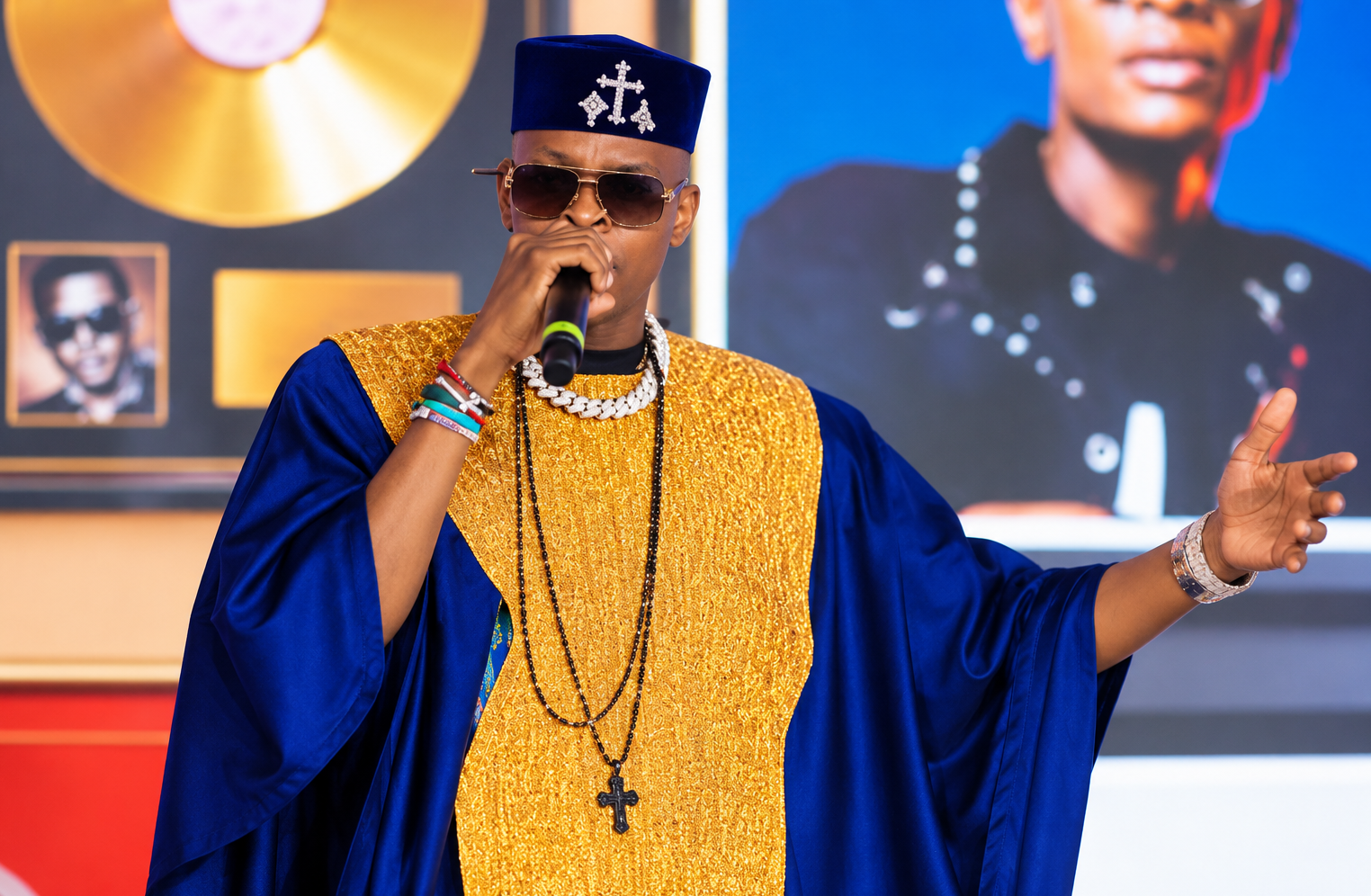
Music In Africa Gender @ Work is a three-year training programme aimed at upskilling and increasing the participation of female professionals in the African music sector. Launched by the Music In Africa Foundation (MIAF) in April 2019, the programme is connected to the MIAF’s ACCES music conference – a pan-African event held in a different African country every year. This connection enables the programme to reach new participants in a different African country every year. The programme marks the beginning of a more concerted effort by the Foundation to support the participation and inclusion of women in all facets of its programmes and the music sector in Africa as a whole. Over the three years, the programme will aim to address gender imbalances in the sector through training, lobbying, facilitating knowledge exchange and dialogues that foster the interest of women. The broader objectives of the programme are to: Provide industry training for women on critical music industry skills, focusing on: Stage management Electronic music production and recording Music business management Technical knowledge Provide an opportunity for both professional and aspiring women to benefit from the Music In Africa network and its broad range of activities in 2019, 2020 and 2021. Provide a solution-based platform in the form of a round table at ACCES with a view to identify challenges, discuss opportunities and lobby for the interests of female practitioners. Offer participants the opportunity to benefit from programmes offered by MIAF’s partners. Increase access to educational materials. Integrate participants in the broader ACCES programme to maximise experience and exposure to the industry. Record and present training materials on the www.musicinafrica.net, including but not limited to tutorials, templates and other best-practice materials. Communicate women-based themes that support the initiatives and messages of the programme. MAIN TRAINING ACTIVITIES Training in first country (Ghana): In the first year, participants will be trained on all aspects of stage management by a team of experienced stage managers from 10 to 17 November 2019. The programme will offer robust classroom training as well as practical, hands-on training in which participants will also be given the opportunity to manage various aspects of the ACCES performance programme. Training in second country: The second training iteration will take place at ACCES 2020 when the programme will diversify its course to include music production lessons and training on other music business topics. A round-table platform will also be introduced to coincide with the ACCES programme. Training in third country: The third training iteration will take place at ACCES 2021 in a different country, offering an advanced course. HOW DO YOU GET INVOLVED?  As a participant, facilitator or trainer: The programme enrolls up to 12 trainees every year. All opportunities are advertised publicly on this website, and will be added to this page. Please keep checking this page for new calls (below under UPDATES & CURRENT OPPORTUNITIES). As a partner Please contact Claire Metais at [email protected]. APPLY The call for applications for 2020 will be announced soon. The Music In Africa Gender @ Work programme is made possible with the support of the Prince Claus Fund, Siemens Stiftung and Goethe-Institut.

Sound Connects Fund
Sound Connects Fund

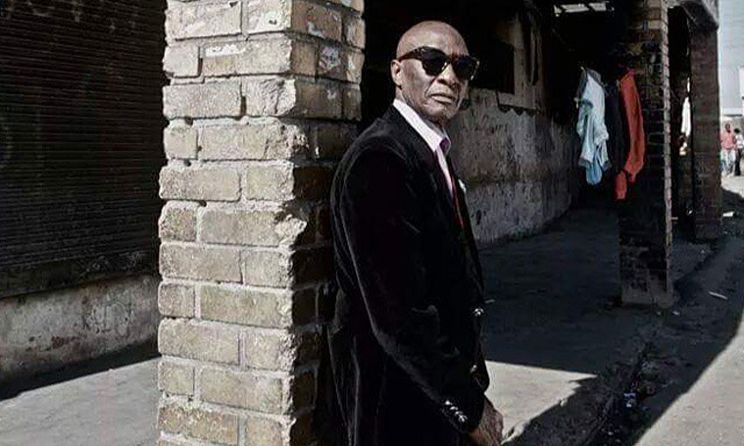
For cultural and creative practitioners and organisations operating in southern Africa, access to funding remains a major challenge. The COVID-19 pandemic has also had a massive impact on government policy, spending and the economy in general, and has seen spending on culture being moved further down the list of priorities. Further, the cultural and creative industries repeatedly cite four main areas where investment is needed for growth, which are increased visibility, mobility including access to new markets, finance and support structures.

Instrument Building And Repair Project

Experience the Vibrations African Instruments Exhibition online in 3D

Features

Op-Ed: The future of audio in Africa is young, bold and online
13 May 2022 - 12:30

cc-img flag-img

By Jocelyne Muhutu-Remy

Until very recently, radio was more or less the only way to listen to spoken-word audio content in Africa. While people have been able to carry music around for decades, the same wasn’t really true for things like audio dramas, panel shows, and deep dives into specialist subjects. Certainly, things like audiobooks and comedy albums have always been available (albeit not to the extent that music has), but everything else remained confined to radio waves. 

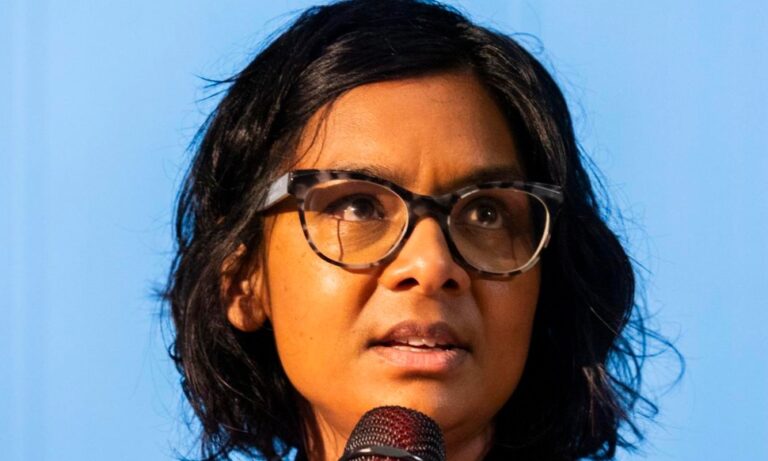
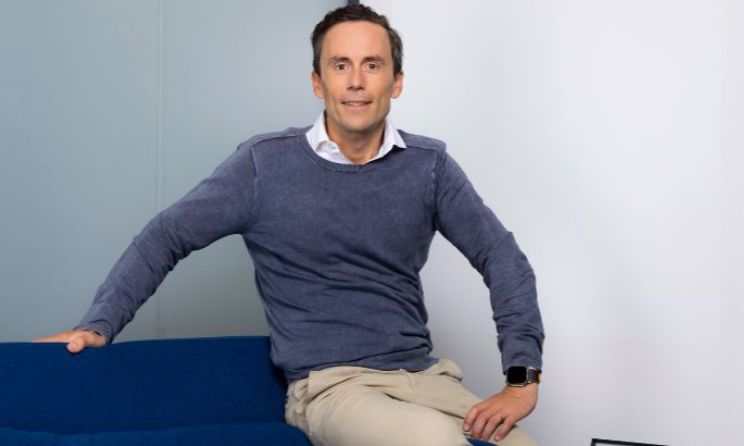
Spotify managing director for sub-Saharan Africa Jocelyne Muhutu-Remy.

That’s rapidly changing. While radio undoubtedly remains a critical medium on the continent (even in South Africa, its most developed economy, 80% of the population tunes in to the radio at least once a week), a new crop of African creators is taking advantage of the opportunities presented by podcasting.

In doing so, they’re not only finding new and innovative ways to tell their own stories, but to addressing topics like gender norms, social challenges, and the experience of building lives and careers in some of Africa’s most vibrant and fastest-growing cities.

An enabling environment

While podcasting has been around in one form or another since the early 2000s, it only really took off in the 2010s in most of the world. On the continent, its emergence is even more recent. It was only in 2014, for example, that South Africa got its first high-profile podcasting production house in the shape of CliffCentral. But as smartphones have become more ubiquitous and capable, and data costs have fallen, an enabling environment for the consumption and production of podcasts has been created.

In Kenya, for example, of the 40% of the population with internet access, 99.7% have a smartphone. In Nigeria, meanwhile, those same figures sit at 50% and 99.5% respectively. Even more critically, the cost of connectivity is falling across much of the continent. While mobile data remains expensive in many places, several African countries (Cameroon, Ghana, Libya, Morocco, and South Africa) reached the United Nations’ ‘1 for 2’ affordability target – 1GB data for no more than 2% average monthly income in 2021. A growing number of submarine cables connecting the continent to the rest of the world means that both fixed and mobile connection rates will continue to fall.

At the same time, peripherals like podcasting microphones have become more affordable and audio editing software has become easier to use, meaning that almost anyone can start a podcast today. Increasing familiarity with video-conferencing tools as a result of the pandemic, meanwhile, means that African podcasters can bring on guests from anywhere in the world.

At Spotify, we’re committed to playing our part in this revolution by lowering the barriers for African creators, enabling them to launch a career in audio, regardless of their financial backing, professional background, or where they live. We’re also committed to celebrating African creators by showcasing the sounds of Africa that are taking on the global stage.

Exceptional storytelling

Of course, that’s made a great deal easier by the exceptional storytellers that abound in Africa. And increasingly, those storytellers are innovating in the podcasting space.

I said what I said, for example, is hosted by entrepreneur Feyikemi Abudu and storyteller Jola Ayeye, and tells stories about the Lagos millennial experience in an honest, engrossing, and funny way. Also produced in Nigeria, Tea With Tay is hosted by Taymesan and covers societal issues and personal experiences with celebrities and other guests in a fun, light-hearted, and entertaining way.

Kenya’s The Sandwich Podcast, meanwhile, is presented in a mix of English, Swahili, and Sheng, Kenya’s local slang, and is hosted by four creatives discussing their life experiences. In a similar vein is After School Is After School with Sis G.U. Produced in South Africa and hosted by Gugulethu Nyatsumba, she uses the show to speak more openly and honestly about the battles that she continues to face in her 20s.

Far more serious, but no less engaging, is Mantalk.ke. Hosted by Eli Mwenda and Oscar Koome, the show tackles a range of issues including fatherhood, feminism, dating, and self-care. The podcast aims to highlight positive forms of masculinity rather than the more toxic forms that dominate media narratives.

The continent is also making its own contributions to the wildly popular true crime genre, most notably with True Crime South Africa. Hosted by Nicole Engelbrecht, the show covers solved and unsolved South African true crime cases.

Nurturing talent

Those are just a small sample of the incredible things African creators are doing in the audio space. There are many more sharing their expertise and love for entrepreneurship, finance, sport, and dozens of other topics. Others are using audio to create compelling dramas that people can listen to on their commutes or while they’re working. The more support and promotion they get, the more the world will sit up and listen to the sounds of Africa. And at Spotify, we are committed to playing our part.

Jocelyne Muhutu-Remy is Spotify’s managing director for sub-Saharan Africa.

Please log in to post a comment.

Most popular

Disclaimer: Music In Africa provides a platform for musicians and contributors to embed music and videos solely for promotional purposes. If any track or video embedded on this platform violates any copyrights please inform us immediately and we will take it down. Please read our Terms of Use for more.

newsletter banner

Subscribe to our monthly Newsletter

Follow us on social media