










































NEFCISA
NEFCISA

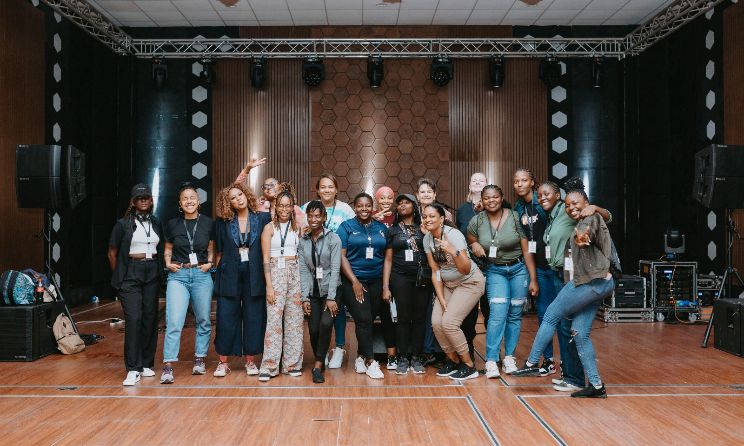
The Music In Africa Foundation (MIAF) is proud of its partnership with the Industrial Development Corporation (IDC) as a Strategic Implementing Partner (SIP) for its Social Employment Fund (SEF). Through this collaboration, MIAF is running a national programme that is creating jobs, addressing skills gaps, and strengthening South Africa's creative industries — in line with the SEF's overarching goal to generate work for the common good and build community value through employment, social contribution, and inclusive economic participation. Operating under the banner NEFCISA (National Employment Facility for Creative Industries in South Africa), the initiative is recruiting and training participants, matching them with host organisations, and has already placed 1 500 workers across the country — surpassing its original target of 1 000. NEFCISA is delivered through a network of 20 host organisations spanning five provinces, who are actively hosting participants and contributing to work for the common good across South Africa's creative and cultural industries. Key Objectives: Support employment and entrepreneurship in the creative industries. Offer skills development and training programmes. Foster partnerships between public and private creative sectors. Promote South African creativity at both provincial and national levels Foster community development through social contribution.

ACCES
ACCES

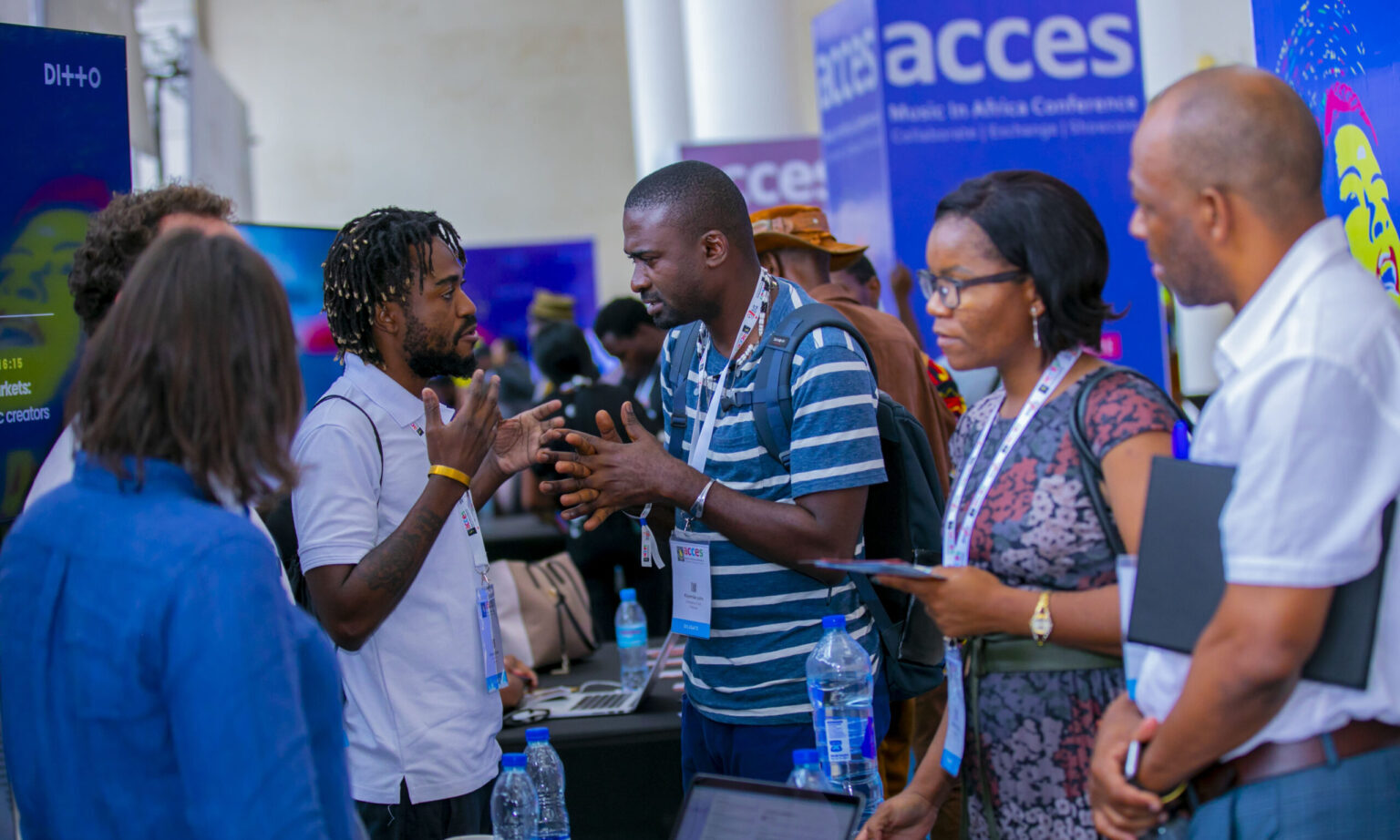
ACCES Conference and Showcase Festival is Africa's leading music industry gathering, bringing together the people shaping the future of the continent's music business. Artists, entrepreneurs, executives, investors, policymakers and cultural leaders from across Africa and around the world come to ACCES to build partnerships, exchange ideas, discover talent and create new business opportunities. Since its launch in 2017, ACCES has become the continent's premier platform for professional exchange and music market development. Combining a high-level conference with a curated showcase festival, networking, exhibitions and industry programmes, ACCES offers a unique space where creativity meets business and where African music connects with the global industry.

Gender@Work
Gender@Work

Music In Africa Gender @ Work is a three-year training programme aimed at upskilling and increasing the participation of female professionals in the African music sector. Launched by the Music In Africa Foundation (MIAF) in April 2019, the programme is connected to the MIAF’s ACCES music conference – a pan-African event held in a different African country every year. This connection enables the programme to reach new participants in a different African country every year. The programme marks the beginning of a more concerted effort by the Foundation to support the participation and inclusion of women in all facets of its programmes and the music sector in Africa as a whole. Over the three years, the programme will aim to address gender imbalances in the sector through training, lobbying, facilitating knowledge exchange and dialogues that foster the interest of women. The broader objectives of the programme are to: Provide industry training for women on critical music industry skills, focusing on: Stage management Electronic music production and recording Music business management Technical knowledge Provide an opportunity for both professional and aspiring women to benefit from the Music In Africa network and its broad range of activities in 2019, 2020 and 2021. Provide a solution-based platform in the form of a round table at ACCES with a view to identify challenges, discuss opportunities and lobby for the interests of female practitioners. Offer participants the opportunity to benefit from programmes offered by MIAF’s partners. Increase access to educational materials. Integrate participants in the broader ACCES programme to maximise experience and exposure to the industry. Record and present training materials on the www.musicinafrica.net, including but not limited to tutorials, templates and other best-practice materials. Communicate women-based themes that support the initiatives and messages of the programme. MAIN TRAINING ACTIVITIES Training in first country (Ghana): In the first year, participants will be trained on all aspects of stage management by a team of experienced stage managers from 10 to 17 November 2019. The programme will offer robust classroom training as well as practical, hands-on training in which participants will also be given the opportunity to manage various aspects of the ACCES performance programme. Training in second country: The second training iteration will take place at ACCES 2020 when the programme will diversify its course to include music production lessons and training on other music business topics. A round-table platform will also be introduced to coincide with the ACCES programme. Training in third country: The third training iteration will take place at ACCES 2021 in a different country, offering an advanced course. HOW DO YOU GET INVOLVED?  As a participant, facilitator or trainer: The programme enrolls up to 12 trainees every year. All opportunities are advertised publicly on this website, and will be added to this page. Please keep checking this page for new calls (below under UPDATES & CURRENT OPPORTUNITIES). As a partner Please contact Claire Metais at [email protected]. APPLY The call for applications for 2020 will be announced soon. The Music In Africa Gender @ Work programme is made possible with the support of the Prince Claus Fund, Siemens Stiftung and Goethe-Institut.

Sound Connects Fund
Sound Connects Fund

For cultural and creative practitioners and organisations operating in southern Africa, access to funding remains a major challenge. The COVID-19 pandemic has also had a massive impact on government policy, spending and the economy in general, and has seen spending on culture being moved further down the list of priorities. Further, the cultural and creative industries repeatedly cite four main areas where investment is needed for growth, which are increased visibility, mobility including access to new markets, finance and support structures.

Instrument Building And Repair Project

Experience the Vibrations African Instruments Exhibition online in 3D

Reviews

Stogie T’s Anomy is a reminder of how serious rap can be

20 Mar 2026 - 17:20

cc-img flag-img

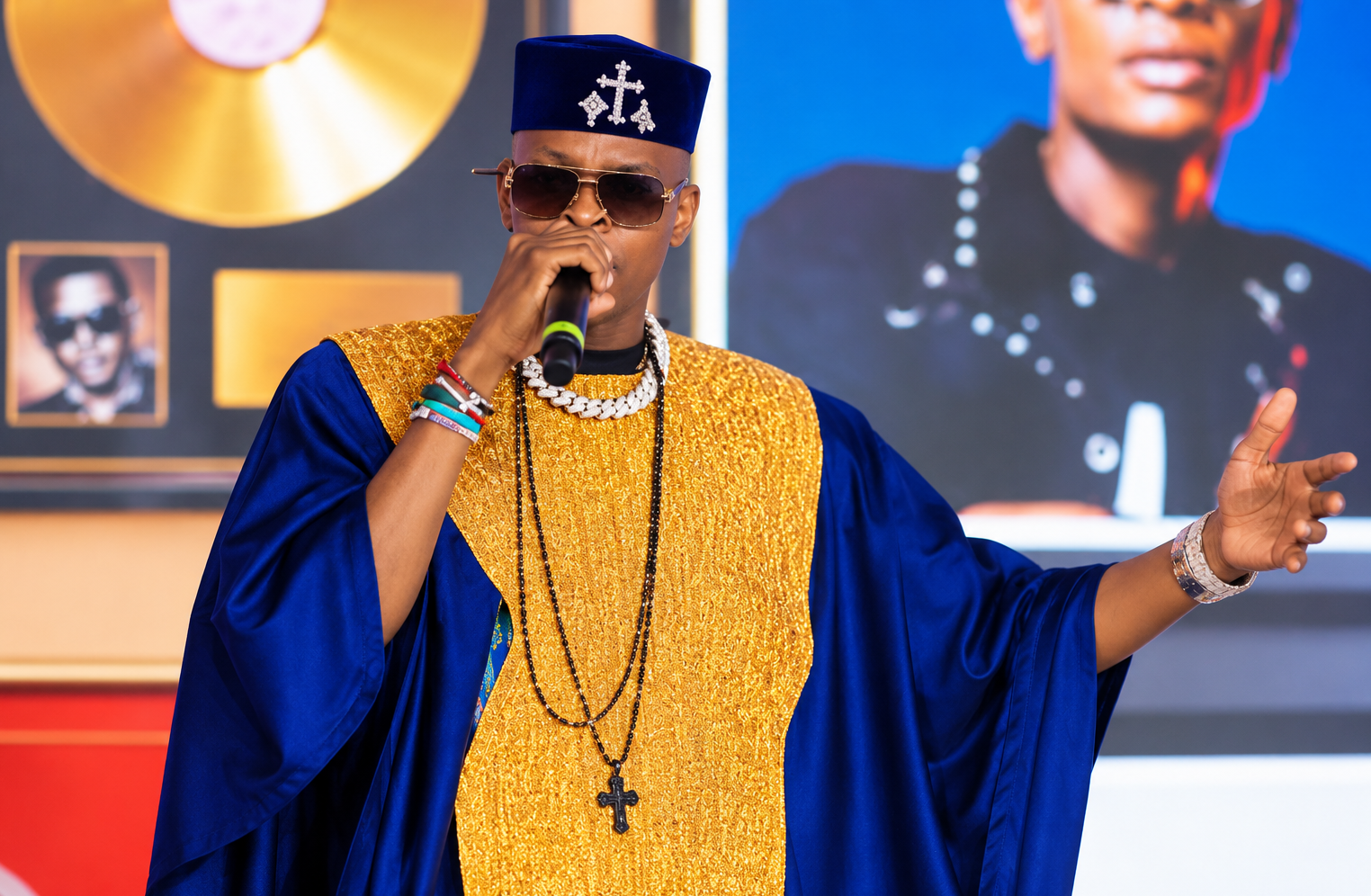
Tumi Molekane has always been a rare kind of rapper. As Stogie T, he writes with a level of technical control that sets him apart not only from his peers in South Africa, but from many rappers anywhere. One of the clearest features of his style is what feels like forward-rhyming: he plants sounds, ideas and verbal cues early, then returns to them later so that the verse appears to have been built several lines in advance. His writing does not simply move forward; it folds back on itself, tightening meaning as it goes.

Stogie T.

That method gives his work an unusual density. Stogie T often sounds less like a rapper chasing punchlines than a careful advocate constructing an argument. Each line reinforces the next, and by the time he arrives at the closing thought, he has already laid the groundwork through rhyme, cadence, imagery and structure. There is a deliberate quality to his writing that makes even his most complex verses feel composed rather than chaotic.

What makes this more impressive is the weight of the material. Stogie T is not interested in the stale excesses that dominate so much commercial rap: expensive bottles, fast cars, beautiful women and the endless performance of wealth. His writing carries a deeper burden. It is rooted in socio-economic and geopolitical concerns, and often turns towards questions of identity, leadership, power and survival. Even when he uses abstraction, there is usually a recognisable social reality underneath it.

That is especially clear on “Hard to Love”, one of the most striking songs on Anomy. Here, Stogie T uses rhyme almost like architecture. He introduces certain sounds before their full significance becomes obvious, letting the verse gather force gradually. The repeated long “e” sounds in words such as “sweep” and “beep beep” prepare the ear for later rhymes like “sheep” and “chief”, giving the verse a structural cohesion that is easy to miss on a casual listen. It is not just clever; it is disciplined.

The effect is that sound and meaning move together. Images of backstreets, cheapened Black life and social disorder are not isolated observations. They are woven into a larger statement about struggle, ambition and command. Stogie T does not use flow as decoration. He uses it to strengthen the argument of the verse itself.

There is also an extraordinary richness to his wordplay. At points, a single phrase seems to open several doors at once, carrying layered meanings without losing momentum. Some interpretations will inevitably stretch further than others, but that is part of the pleasure of listening to Stogie T: his verses invite close reading. He is one of the few rappers working today whose lyrics genuinely reward analysis in the way poetry does.

At its best, Anomy feels like a record made by someone who understands rap as both literature and performance. The writing is intricate, but never lifeless. The intellect behind it never overwhelms the music. Instead, Stogie T finds a balance between technical mastery and emotional force, allowing the songs to feel sharp, heavy and deeply considered at once.

When he reaches the line, “Ayo it’s lonely at the top of this,” it lands not as an empty boast but as the natural conclusion of everything that has come before. The verse has already built the height, the distance and the burden into its structure. By the time he says it, the feeling has been earned.

This is what hip hop calls flow, but that word can sometimes sound too casual for an artist working at this level. On Anomaly, flow is not merely rhythm or delivery. It is organisation, foresight and design. It is the movement of thought through sound. Stogie T does not simply ride the beat; he shapes it into an argument.

Using one song to assess an entire album is always a risk, but “Hard to Love” offers a strong indication of what Anomaly is trying to do. This is not an album chasing instant gratification. It asks the listener to pay attention, and rewards that attention with complexity, precision and depth.

More than anything, Anomy is a reminder that rap can still be a serious writing form. Stogie T remains one of African hip hop’s most formidable minds, and this album confirms that his pen is as sharp as ever. In a genre often flattened by trends and quick consumption, Anomy insists on craft, thought and substance.

Artist: Stogie T
Album: Anomy
Year: 2025

Please log in to post a comment.

Most popular

Disclaimer: Music In Africa provides a platform for musicians and contributors to embed music and videos solely for promotional purposes. If any track or video embedded on this platform violates any copyrights please inform us immediately and we will take it down. Please read our Terms of Use for more.

newsletter banner

Subscribe to our monthly Newsletter

Follow us on social media