




































NEFCISA
NEFCISA

The Music In Africa Foundation (MIAF) is proud of its partnership with the Industrial Development Corporation (IDC) as a Strategic Implementing Partner (SIP) for its Social Employment Fund (SEF). Through this collaboration, MIAF is running a national programme that is creating jobs, addressing skills gaps, and strengthening South Africa's creative industries — in line with the SEF's overarching goal to generate work for the common good and build community value through employment, social contribution, and inclusive economic participation. Operating under the banner NEFCISA (National Employment Facility for Creative Industries in South Africa), the initiative is recruiting and training participants, matching them with host organisations, and has already placed 1 500 workers across the country — surpassing its original target of 1 000. NEFCISA is delivered through a network of 20 host organisations spanning five provinces, who are actively hosting participants and contributing to work for the common good across South Africa's creative and cultural industries. Key Objectives: Support employment and entrepreneurship in the creative industries. Offer skills development and training programmes. Foster partnerships between public and private creative sectors. Promote South African creativity at both provincial and national levels Foster community development through social contribution.

ACCES
ACCES

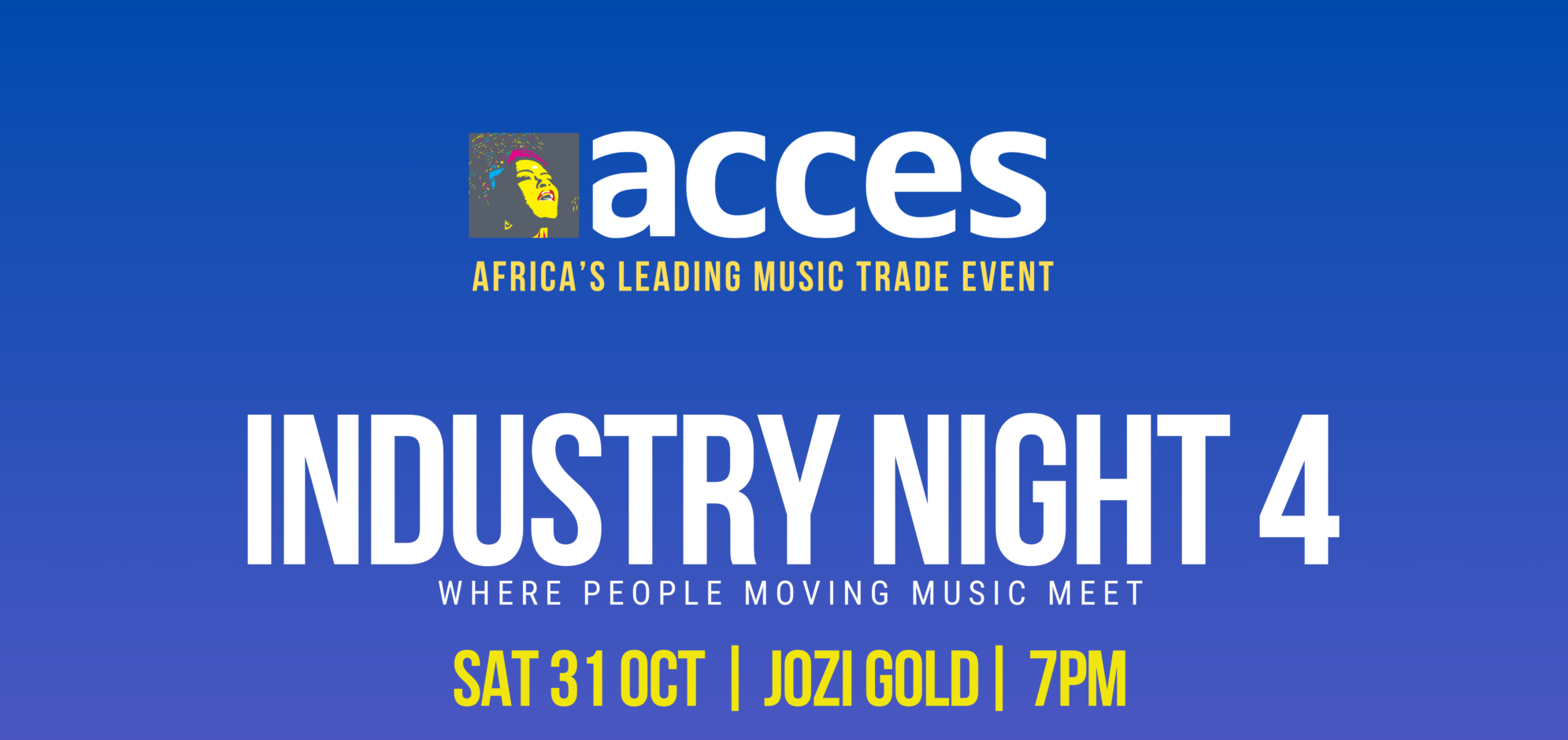
ACCES Conference and Showcase Festival is Africa's leading music industry gathering, bringing together the people shaping the future of the continent's music business. Artists, entrepreneurs, executives, investors, policymakers and cultural leaders from across Africa and around the world come to ACCES to build partnerships, exchange ideas, discover talent and create new business opportunities. Since its launch in 2017, ACCES has become the continent's premier platform for professional exchange and music market development. Combining a high-level conference with a curated showcase festival, networking, exhibitions and industry programmes, ACCES offers a unique space where creativity meets business and where African music connects with the global industry.

Gender@Work
Gender@Work

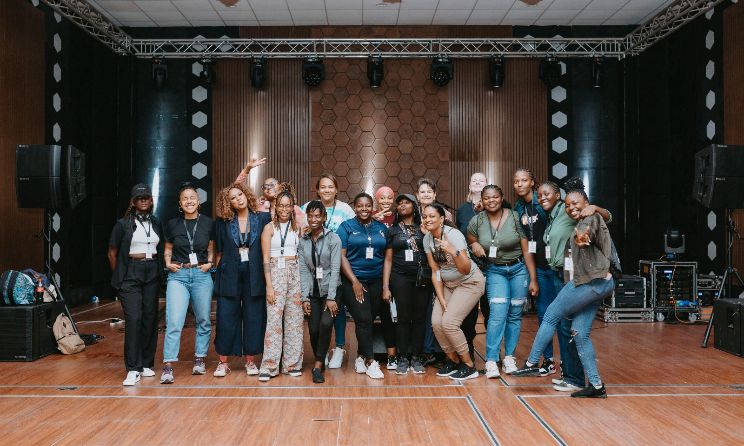
Music In Africa Gender @ Work is a three-year training programme aimed at upskilling and increasing the participation of female professionals in the African music sector. Launched by the Music In Africa Foundation (MIAF) in April 2019, the programme is connected to the MIAF’s ACCES music conference – a pan-African event held in a different African country every year. This connection enables the programme to reach new participants in a different African country every year. The programme marks the beginning of a more concerted effort by the Foundation to support the participation and inclusion of women in all facets of its programmes and the music sector in Africa as a whole. Over the three years, the programme will aim to address gender imbalances in the sector through training, lobbying, facilitating knowledge exchange and dialogues that foster the interest of women. The broader objectives of the programme are to: Provide industry training for women on critical music industry skills, focusing on: Stage management Electronic music production and recording Music business management Technical knowledge Provide an opportunity for both professional and aspiring women to benefit from the Music In Africa network and its broad range of activities in 2019, 2020 and 2021. Provide a solution-based platform in the form of a round table at ACCES with a view to identify challenges, discuss opportunities and lobby for the interests of female practitioners. Offer participants the opportunity to benefit from programmes offered by MIAF’s partners. Increase access to educational materials. Integrate participants in the broader ACCES programme to maximise experience and exposure to the industry. Record and present training materials on the www.musicinafrica.net, including but not limited to tutorials, templates and other best-practice materials. Communicate women-based themes that support the initiatives and messages of the programme. MAIN TRAINING ACTIVITIES Training in first country (Ghana): In the first year, participants will be trained on all aspects of stage management by a team of experienced stage managers from 10 to 17 November 2019. The programme will offer robust classroom training as well as practical, hands-on training in which participants will also be given the opportunity to manage various aspects of the ACCES performance programme. Training in second country: The second training iteration will take place at ACCES 2020 when the programme will diversify its course to include music production lessons and training on other music business topics. A round-table platform will also be introduced to coincide with the ACCES programme. Training in third country: The third training iteration will take place at ACCES 2021 in a different country, offering an advanced course. HOW DO YOU GET INVOLVED?  As a participant, facilitator or trainer: The programme enrolls up to 12 trainees every year. All opportunities are advertised publicly on this website, and will be added to this page. Please keep checking this page for new calls (below under UPDATES & CURRENT OPPORTUNITIES). As a partner Please contact Claire Metais at [email protected]. APPLY The call for applications for 2020 will be announced soon. The Music In Africa Gender @ Work programme is made possible with the support of the Prince Claus Fund, Siemens Stiftung and Goethe-Institut.

Sound Connects Fund
Sound Connects Fund

For cultural and creative practitioners and organisations operating in southern Africa, access to funding remains a major challenge. The COVID-19 pandemic has also had a massive impact on government policy, spending and the economy in general, and has seen spending on culture being moved further down the list of priorities. Further, the cultural and creative industries repeatedly cite four main areas where investment is needed for growth, which are increased visibility, mobility including access to new markets, finance and support structures.

Instrument Building And Repair Project

Experience the Vibrations African Instruments Exhibition online in 3D

Reviews

Album review: Burna Boy’s Love, Damini is confused yet enticing

14 Jul 2022 - 10:29

cc-img flag-img

Now that he has a Grammy win on his CV, Burna Boy tenders a reprint of the persona from before his great reset of 2019 – the one almost entirely occupied by a healthy hankering for whiskey, women and weapons, and little interest in burdening his mind with too much activist talk.
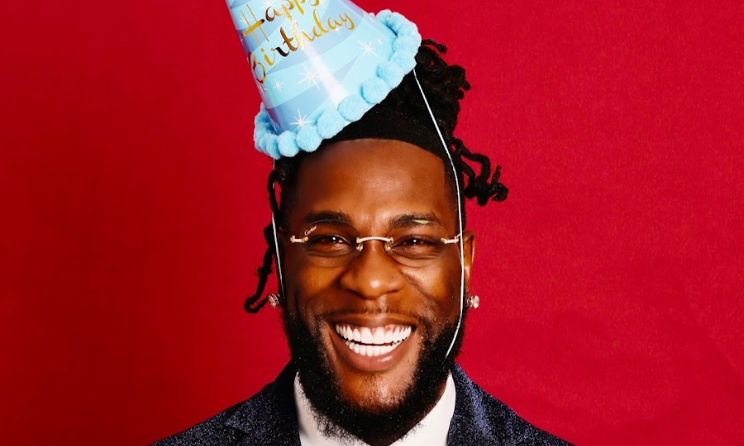
Burna Boy turned 31 on 2 July.

Pop leads Love, Damini, a slapdash portrait of the Nigerian singer’s mind at the age of 31. Still, judging by how the album opens and closes (with the soothing voices of five-time Grammy winners Ladysmith Black Mambazo), one suspects that Burna Boy still has an eye on the gilded gramophone, in case the Recording Academy, which seems to define ‘world music’ with the likes of the legendary South African a capella group in mind, is watching.

The goal of Love, Damini, Burna Boy’s sixth album and a follow-up to 2020’s Twice As Tall, is to create an air of a soft coming of age. “A roller-coaster ride,” the musician explained last week upon the arrival of the LP, which partially derives its title from Burna Boy’s first name. “After turning 30, birthdays seem to make you reflect on your life choices, or a lack thereof – your goals, dreams, hopes, achievements and fears.”

It’s little wonder then that rattling through the crowded album (it comes in at an unnecessary 19 tracks), we notice Burna Boy drift away into many different channels. Whoever seeks cohesion on an album exceeding 12 songs is, well, very ambitious. As a result, your summation of the album will depend entirely on which direction you plunged into it.

The album finds Burna Boy trapped in a vortex of human emotions: he is both a “girl dem controller” and an unlucky lover. He also admits to anger issues, being too busy for the things that truly matter, and still wonders, “How bad could it be?”

By the time the album reaches the hook on ‘It’s Plenty’, which sits mid-point of the project, a particularly notable conclusion reveals itself, one that attempts to unify the varying themes of the work, and the current stage of his career:

For this life I dey
I want to be celebrated
Don’t wanna waste my days
I want to spend them on enjoyment.

Nowadays, it is especially important for Burna Boy to stress that his music style is Afro-fusion and not Afrobeats, whose massive international acceptance over the years has enabled him to become a global star. As the singer explained to Daily Show host Trevor Noah in 2019, Afro-fusion starts from Fela Kuti’s Afrobeat and then expands into other things. And so, the work, while it boasts floating horns and delightful guitar lapping that distinguish Afrobeat/s, is also lined and littered with everything from highlife, amapiano, road rap, dancehall and pop.

Burna Boy bears no direct relation to the Nigerian iconoclast, yet his grandfather was Fela’s first manager. Judging by his fervent interest in the preservation of the purity of Fela’s sound and place in history, one would think that he comes from the Kuti bloodline. Aside from the actual music, a key aspect of Afrobeat is the grassroots activism that often got Fela in trouble with the government. Burna Boy is not nearly an activist as Fela was. Still, he seems to view Afrobeat as sacred and wants to ensure that it is respected enough to be left out of the ongoing genre wordplay that has webbed Afropop from West Africa.

The album gets a number of things right: it is helped by a title that is broad enough to accommodate its author’s mental jumble, but also precise enough in the candid journaling of his most intimate thoughts. It also benefits from an all-star guest list, superior production and a cinematic character held together by compelling soundbites.

Because of how malleable his voice is, Burna Boy is able to stir emotional vibrations that speak directly to the theme he is attacking. Notice the turbulent vigour on ‘Kilometre’, the sobriety on ‘Common Person’, the vain polish on ‘Different Size’, his subtle harmonies as he helms opposite ends of an octave with Ed Sheeran on ‘Fall My Hand’, and the toothsome toxicity of ‘Last Last’, which samples Toni Braxton’s 2000 single ‘He Wasn’t Man Enough’. There’s also the meditative air on ‘Whiskey’, which is the one overtly political track on this album. Dedicated to his home town of Port Harcourt, ‘Whiskey’ invokes a questioning feeling of love, grief and pity.

Even if it arrives largely bereft of the political underpinnings that defined his two previous LPs and gained him notice on music’s biggest night, there’s no denying that Burna Boy’s latest project is smartly curated – enough to ensure thrilling first-week numbers (check the charts).

Overall, Love, Damini celebrates the bright side of things as much as it contemplates ungodly hours and the shortcomings that attend adulthood. A lot is happening in the mind of Burna Boy.

Artist: Burna Boy
Album: Love, Damini
Label: Atlantic Records
Year: 2022

Please log in to post a comment.

Most popular

Disclaimer: Music In Africa provides a platform for musicians and contributors to embed music and videos solely for promotional purposes. If any track or video embedded on this platform violates any copyrights please inform us immediately and we will take it down. Please read our Terms of Use for more.

newsletter banner

Subscribe to our monthly Newsletter

Follow us on social media