


















































The lack of fair compensation of artists by broadcasters has long stunted the growth of the creative industry in Kenya. Broadcasters are the biggest users of creative content, yet they do not pay royalties to rights holders that are commensurate with the revenue they earn from using copyrighted works.
For years, broadcasters have been using creative content like music and music videos while generating billions of Kenyan shillings from advertising and subscriptions. PwC’s Entertainment and Media Outlook: 2018-2022 report shows that TV and radio revenue in Kenya was forecasted at 23.87 billion shillings ($221m) in 2020. The report predicts that pay TV and advertising revenue will continue to increase substantially. Given that this revenue is driven by content, many may be assuming that a share of it is going to creators, but this is not the case. Now, the Creative Society of Kenya (CSK) wants this to change.
The compliance issue
Broadcasting in Kenya is regulated by the Communications Authority (CA), whose mandate is to issue broadcast licences and enforce compliance through policies and regulations.
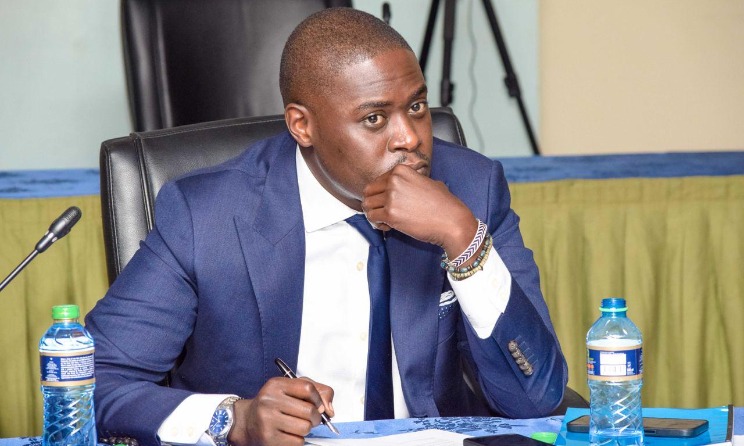
On 6 July, the senator of Nairobi, Johnson Sakaja, chaired a meeting of the Senate Standing Committee on Labour and Social Welfare after the CSK sent a letter dated 17 June to his office. The letter called for government intervention to address various industry issues, including unpaid royalties by broadcasters.
The meeting was attended by representatives from the CSK, the Kenya Copyright Board (KECOBO), the Permanent Presidential Music Commission, the Kenya Film Classification Board, the Kenya Film Commission and the Ministry of Sports, Culture and Heritage, among others.
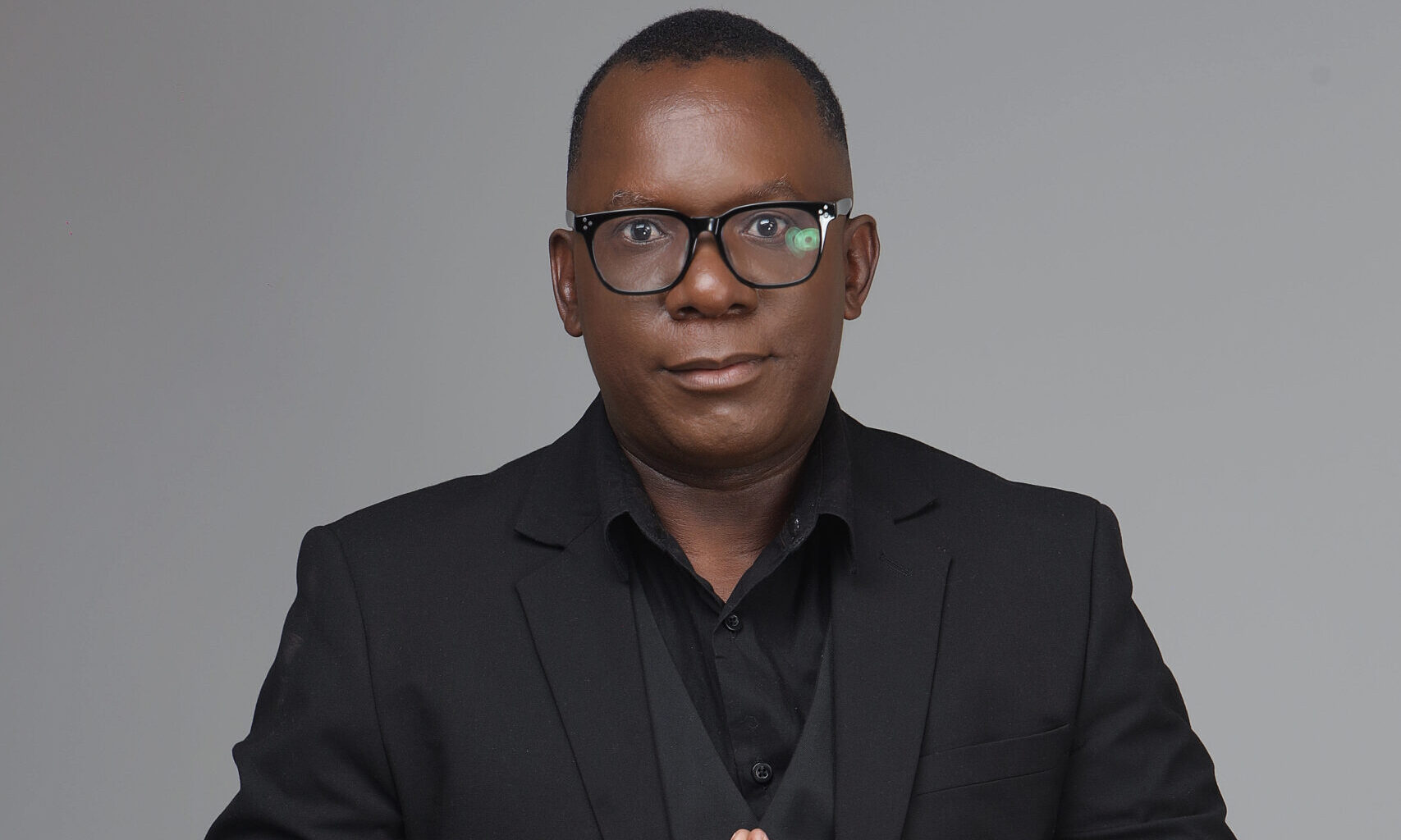
KECOBO’s executive director, Edward Sigei, revealed at the session that broadcasters owed approximately 1 billion shillings ($9.3m) in unpaid broadcast royalties to musicians and other creators. The three licensed Kenyan collective management organisations (CMOs) – the Music Copyright Society of Kenya (MCSK), the Kenya Association of Music Producers (KAMP) and the Performers Rights Society of Kenya (PRISK), which were not represented at the meeting – have previously indicated an ongoing conflict with broadcasters over matters of compliance.
After the 6 July meeting, we spoke to industry professionals to share their views about the development and how things stand in the broadcast royalties space in Kenya.
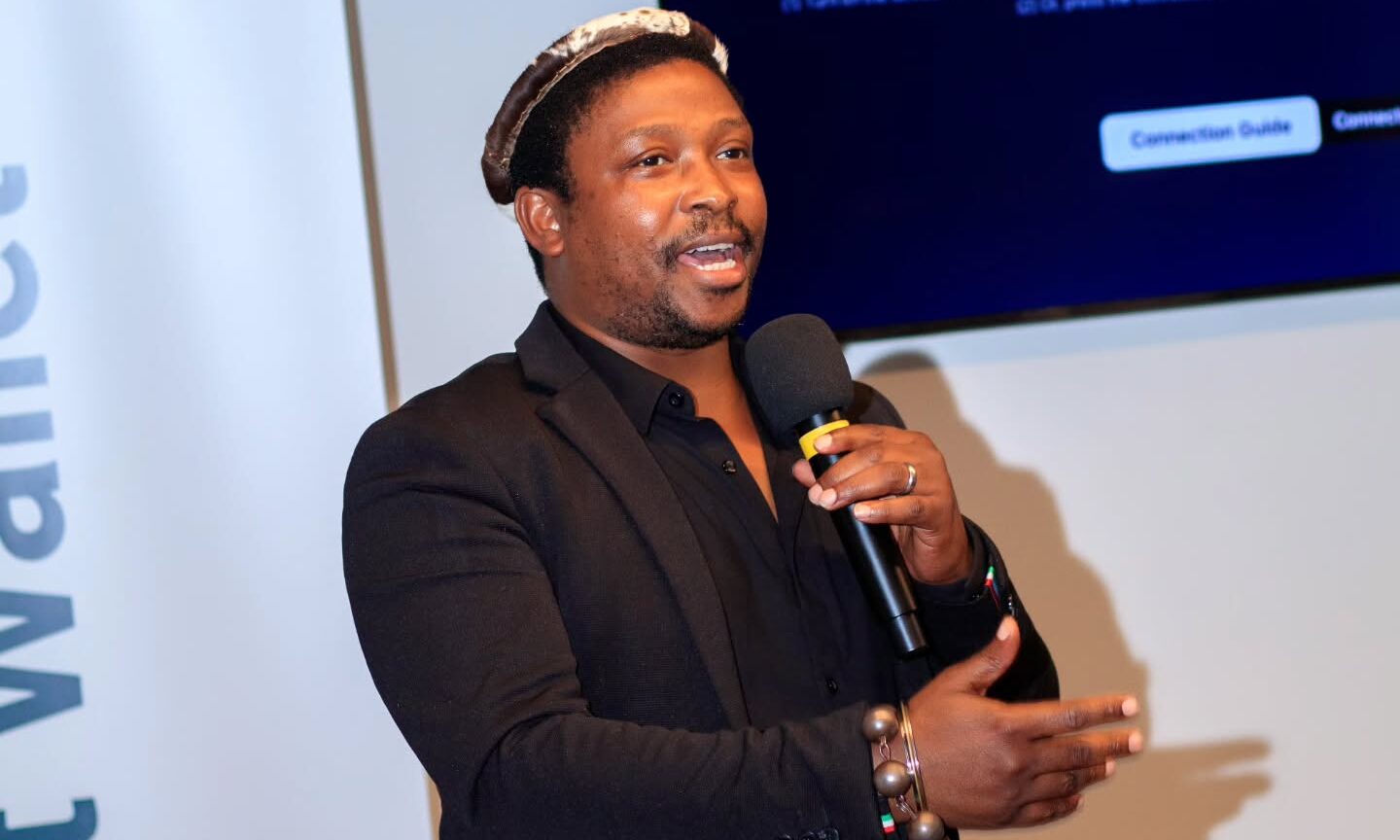
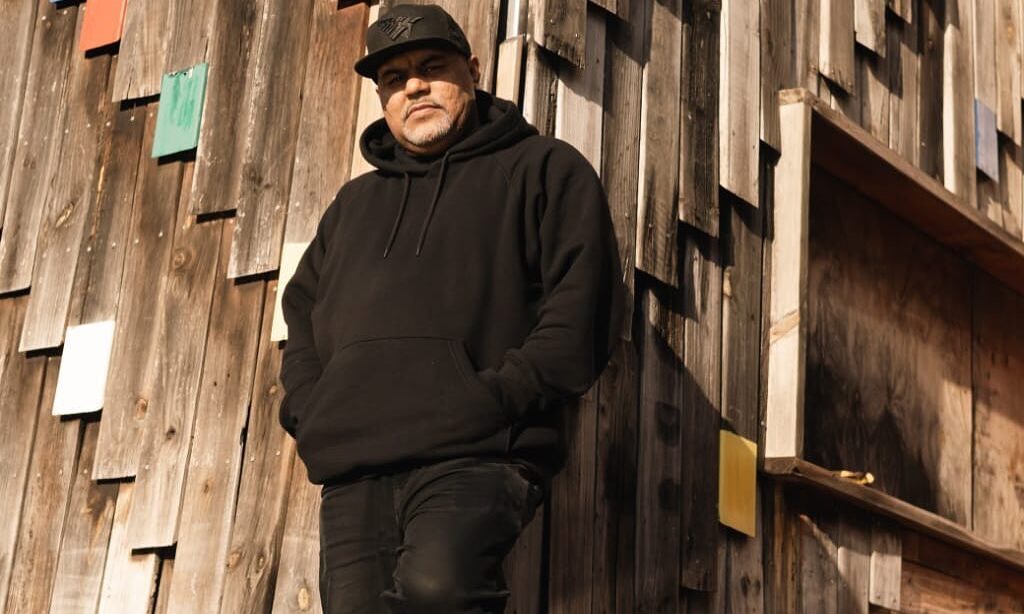
PHAT! Music & Entertainment founder Mike Strano, who organises the ONGEA! music summit, believes a concerted campaign to get broadcasters to pay artists their dues could see the industry grow significantly.
“The CA has promised on several occasions to intervene by denying non-compliant broadcasters their annual licences, but they still haven’t delivered over the years,” he said. “The reality is that some of the funding to run the CA comes from the annual licence fees paid by broadcasters. Such a system is flawed and compromises the independence of the CA as an enforcer of the law with broadcasters. How do you bite the hand that feeds you by reprimanding someone who gives you funds to keep operating and pay salaries?”
Copyright lawyer at the MCSK Richard Sereti says government support for CMOs is critical to ensure that levels of compliance by broadcasters are similar to countries with more developed creative industries. He added that CMOs should demand better licensing tariffs to develop the industry in Kenya.
“KECOBO took over the process of negotiating the tariffs, and what came out in the process was that they were propagating the interest of the users; for example, when the regulator tells you to peg your tariff on a single business permit license and/or liquor licence. This practice is contrary to the best practice internationally in licensing for the use of copyrighted works. Whose interest is the regulator looking out for? The regulator has no mandate in negotiating the tariffs,” Sereti said.
Strano added: “International best practice requires broadcasters to pay 11% of their annual turnover from advertising and subscriptions, because the value of intellectual property is exponential and only worth as much as it generates for the user. If you’re generating money out of creative content, then the creators deserve a percentage of the revenue. But in Kenya we have flat tariffs. This allows the big broadcasters, who essentially are a cartel, to dominate while discriminating against the small broadcasters who find these flat tariffs more difficult to pay.
“The flat tariffs that broadcasters are meant to pay are only about 0.5% of a big broadcaster’s turnover, as opposed to the international best practice, which is 22 times higher. But even with such low flat tariffs, most broadcasters haven’t paid since 2009 – that’s 12 years. What would happen if the Kenya Revenue Authority wasn’t paid by a broadcaster for the same period? Why does copyright seem to be negotiable in Kenya, while tax is not? Both are supported equally by law and the Constitution. Why is such impunity tolerated by the government?”
Enforcement of copyright law has been a controversial issue in Kenya. Despite an elaborate legal framework on copyright, creatives still find themselves in a position where they are undervalued and underpaid. Adding to the list of those who fail to comply with licensing conditions are government entities.
“Not a single government office or vehicle has been issued with a licence by the CMOs,” Sereti said. “That’s a message they can't afford to be sending. KECOBO is also supposed to sensitise and educate the public at large on the importance of compliance and how to relate with the CMOs, and not be used by cartels to fight and frustrate the CMOs.”
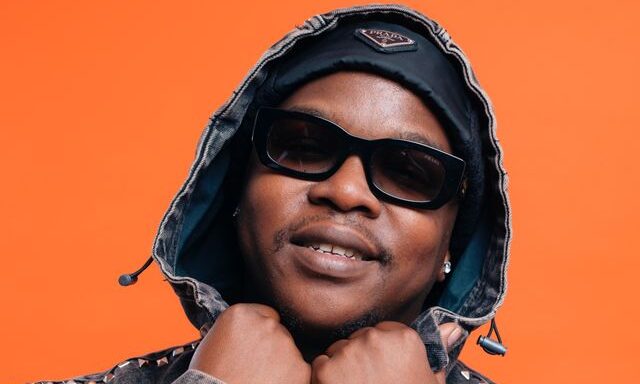
Kenyan musician and CSK chairperson Nonini said: “I think KECOBO has given the CMOs too much leeway. I believe that broadcasters will have no problem paying if they know the royalties will be fairly distributed to the rights holders. The regulator knows and understands what goes on within the CMOs, so if they cannot be our buffer, we have to go back to the government and say there is a problem with the regulator.”
Typically, the financial year for broadcasters runs from July to June. Efforts by Music In Africa to learn from the CA how many broadcasters have been licensed for the 2021-22 financial year were unsuccessful.
The royalties dispute
During the meeting with the senate standing committee, the question of how rights holders lost 67 million shillings in broadcast royalties dating back to 2009 was also raised. In June, the CEOs of the three licensed CMOs signed an agreement nullifying a 2016 high court order that Royal Media Services (RMS), the Kenya Broadcasting Corporation, the Kenya Television Network, Media Max and Nation Media Group pay the CMOs – a year after a complaint was filed in the court by KAMP and PRISK. The 2021 agreement was allegedly signed without the approval of the CMOs’ boards of directors.
“We won and it was only a matter of following up with the broadcasters to ensure that this money is paid,” actress and former PRISK chairperson Irene Kariuki said. “We do not know how much RMS paid, but we are aware that some money was deposited into an account that KECOBO is not a signatory to. As members, we have put directors there as our representatives, because we cannot dictate how these organisations should be managed. So having the secretariat jump the gun and not consult the board was insubordination and going outside their mandate. It is clear that they do not have the interest of their members at heart.”
In September 2020, KECOBO received the results of a forensic audit into the operations of Kenya’s CMOs for the period of 2017-19. The audit found the CMOs at serious risk of misappropriation of funds, civil and criminal liability, and loss of income from penalties and sanctions.
“I do appreciate that KECOBO has been trying to get ways and means of how to implement a part of the recommendations in the audit,” Kariuki said. “Part of this has been to ensure that a section of the internal structures and operations of the boards function properly.”
The CSK and its members says that CMOs are an essential part of the creative industry ecosystem, contrary to a news report by The Standard newspaper last week titled Rot in artiste’s bodies exposed as stakeholders face Senate. The article claimed that the CSK had called for the abolishment of CMOs during the senate meeting.
“CMOs have a significant role to play, and consequently, they are important both for the rights holders themselves and the public authorities,” Kariuki, who is a member of the CSK, said. “So, trying to say that CMOs should be abolished is not what we want. We only demand accountability and transparency in terms of leadership.”
KECOBO’s blank media levy
In June, KECOBO issued a notice inviting the public to comment on a proposed blank media levy, which is a royalty mechanism allowing creators to be compensated for private and domestic use. In the notice, KECOBO allocated 15% of collections to the sponsorship of creative projects in the copyright sector and related matters, 20% to its enforcement, advocacy and awareness mandate, and 10% to administrative costs and agency fees. The remaining 55% is shared equally between KAMP and PRISK, of which 30% is for administrative costs and 70% for capital investment. Interestingly, the 70% does not cover members but is earmarked for “capital investment” only. “The proposal is based on a review of sharing ratios in Malawi, Nigeria and Ghana,” part of the notice reads.
“This information is misleading, as Nigeria and Malawi do not enforce blank media levies,” Serati said. “You propose something based on best international practices and not out of the blue. First of all, Section 30B [of the Kenya Copyright Act] in reference, has been in contention by various players, including the World Intellectual Property Organisation. They have indicated that the provision that allows only KAMP and PRISK to receive a share of the blanket levy is wrong; you are not only compensating for the recordings but also the work recorded. Discussions have always been that the law would be amended to reflect that. However, this was not considered when the Copyright Act was amended in 2019.”
The CSK told the senators at the meeting that its members had learnt about the notice on social media and did not have sufficient time to submit comments. Consequently, on 13 July, KECOBO extended the deadline for the submission of comments to 22 July. Interested parties can submit comments at [email protected].


Most popular
Call for applications: ACCES 2026 Emerging Artist Spotlight Competition
01 Oct 2026

Top amapiano songs of 2026
16 Feb 2026

Top Naija songs of 2026
31 Mar 2026
Open call: 2026 Gender@Work music industry training in Johannesburg
03 Oct 2026

Top Afrobeats songs of 2026
19 Mar 2026

AFRIMA 2026: All the winners
12 Jan 2026
Disclaimer: Music In Africa provides a platform for musicians and contributors to embed music and videos solely for promotional purposes. If any track or video embedded on this platform violates any copyrights please inform us immediately and we will take it down. Please read our Terms of Use for more.

Subscribe to our monthly Newsletter
Follow us on social media


Please log in to post a comment.