





























































The intellectual property and music royalties space in Africa is generally considered a bottomless quagmire by most experts in the music industry. Of course, some countries on the continent may be more advanced than others with regard to royalty collection and the payment of royalties to creators, but in general this space is defined by deplorable collective management organisations (CMOs) that are governed by individuals who have sworn allegiance to corrupt activities instead of the creators and artists they are mandated to serve.
There are too many examples across Africa where CMOs have been caught red-handed on numerous occasions, yet the people who are in charge of these organisations continue to govern without facing formal charges – or the "full might of the law" as many government officials in Africa like to say when the cameras are on.
The state of CMOs in Africa, particularly in sub-Saharan Africa, is indicative of systemic governance challenges in the countries they operate in, and until the culture of corruption is rooted out as a matter of principle, it's unlikely that major improvements in the royalties space will be made anytime soon. It is no surprise that many musicians in countries like Kenya, Nigeria, Ghana and South Africa have opted to boycott CMOs altogether.
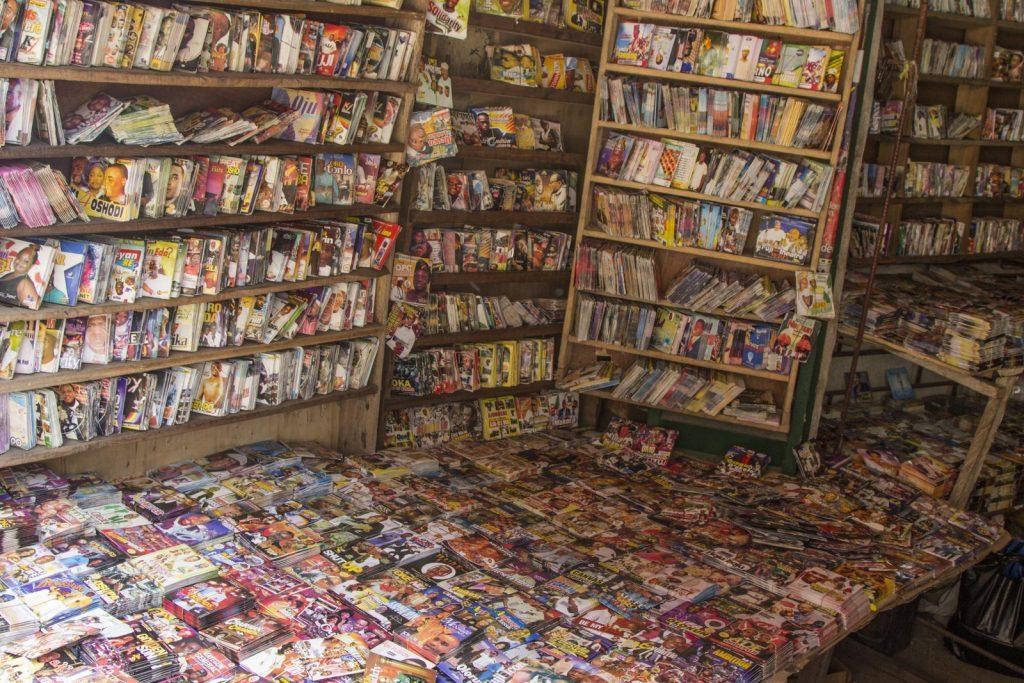
Adding to the mayhem of royalty collection in Africa is music piracy, which also seems to be a losing battle. Interestingly enough, many artists themselves give piracy the green light, as they see more return in terms of publicity and hype than the formal structures of the industry. Whereas piracy was restricted to physical copies at marketplaces not so long ago, growing Internet accessibility has seen it make an appearance in the digital realm where countless websites and apps offer free African music, often without the permission of the creator.
But the aforementioned issues of copyright, royalties and piracy in Africa are also persistent partly because many of the artists operating in the music industry lack the knowledge needed to navigate the space without losing out to dishonest record labels, CMOs and pirates.
At Music In Africa we regard the copyright, royalties and piracy space as one that is vital for the autonomy and survival of the African music industry. And although many of the problems seem incorrigible, persistence and tenacity on the part of artists, creators, activists and NGOs can turn the tide.
Below is a list of some of the English content already on the site that is relevant to the subject of copyrights, royalties and piracy – essential reading for anyone involved in the African music industry. We have commissioned Overview texts and useful resources covering the legislative and administrative practices in many African countries and will be adding news, features and other resources as the month progresses.
Overview texts
- Copyright, royalties and music piracy in Lesotho
- Copyright and royalties in Togo
- Copyrights, royalties and music piracy in Ethiopia
- Copyright, royalties and piracy in the Eritrean music industry
- Copyright, royalties and musical piracy in Mauritius
- Copyrights, royalties and music piracy in Congo-Brazzaville
- Copyrights, royalties and music piracy in Kenya
- Copyrights, royalties and music piracy in Rwanda
- Music piracy, copyrights and royalties in Ivory Coast
- Music piracy, copyrights and royalties in Uganda
- Copyrights, royalties and music piracy in Namibia
- Copyright, royalty collection and music piracy in Tanzania
- Copyrights and music royalty collection in the Gambia
- Music piracy in Mali
- Copyrights, royalties and music piracy in Malawi
- Music piracy and royalty collection in Zimbabwe
- Copyrights and royalty collection in Ghana
- Music piracy in South Africa
Other resources
- A Guide to Copyright in Kenya
- Copyright Law in Kenya
- Copyright: The challenges posed by Reproduction Rights Organizations (RROs) in the provision of information to users
- Nigerian Copyright Law: a toolkit
- Copyright Law reform in Uganda
- A short guide to copyright law in Tanzania
- How music royalties get distributed
New and features


Most popular

Top Naija songs of 2026
31 Mar 2026

Top Afrobeats songs of 2026
19 Mar 2026

Top amapiano songs of 2026
16 Feb 2026

Open call: CANEX Music Business Lab and Songwriting Camp
15 Oct 2026
Open call: National Arts Festival artistic director in SA
15 Oct 2026

Ghana: Mr Eazi and MOLIY’s ‘Comfort’ earns Urban Music Awards nomination
21 Oct 2026
Disclaimer: Music In Africa provides a platform for musicians and contributors to embed music and videos solely for promotional purposes. If any track or video embedded on this platform violates any copyrights please inform us immediately and we will take it down. Please read our Terms of Use for more.

Subscribe to our monthly Newsletter
Follow us on social media


Please log in to post a comment.