


























































Mabala Noise Entertainment has become a ghost town since the political departure of Reggie Nkabinde, who was the major contributor to the financial stability of the controversial record label.
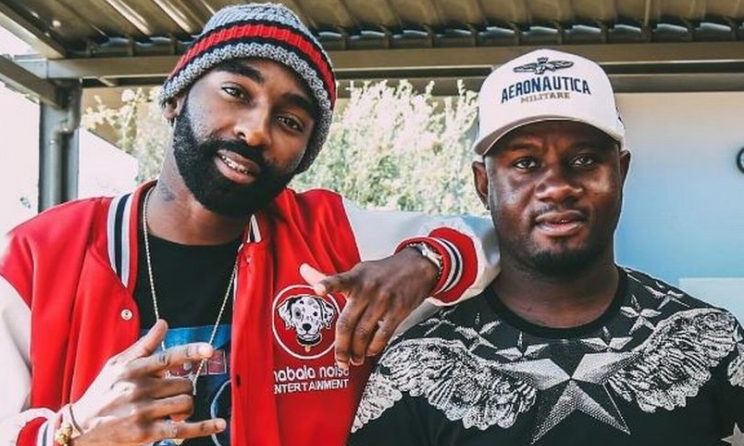
The demise of the company was seen as imminent by some. Many of the artists signed to the label had the foresight to leave before being caught in the destruction of an almost prestigious organisation.
"I am not selling [the company] but will put shares among people who have been running the business for me,” Nkabinde told the Sowetan, adding that artists signed to the label would not be affected by his departure.
It was reported that the ANC Youth League (ANCYL) treasurer had already stepped down from his position as CEO at Mabala Noise in January. The Sowetan said Nkabinde did not announce his departure until he was sure that the record label was left in capable hands.
Biggest artist defects
Rapper Nasty C, who was the crown jewel of the label, absconded in January to join Universal Music Group. Mabala Noise denied that Nasty C had left, with spokesperson Tumi Moatshe claiming that the ‘Hell Naw’ hitmaker had only signed a distribution deal with the major label. The statement was contradicted by former label manager and new Mabala Noise boss Sikhulule Nzuza, who confirmed that Nasty C had left the stable.
“At Mabala Noise, our goal as a local label is to position our artists for global success,” Nzuza said. “It has always been my dream that African artists make it to the global marketplace. This transition to Universal Music will set the stage for Nasty C to command international attention.”
The varying statements that were made in a space of a few days point to a company in disarray.
Rise and fall
Mabala Noise was founded by Nkabinde and DJ Bongz in 2008. Originally known as Emabalabala, the company became fully functional in 2016. Its concept was groundbreaking in that it made it its mission to sign and invest young South African acts, much like the vision and mandate of the ANCYL. It must have been so alluring that Nasty C is rumoured to have turned down a deal with American rap mogul Jay-Z’s label Roc Nation.
Mabala Noise signed every man jack, including TV personalities such as Khanyi Mbau, Kay Sibiya, Letoya Makhene and Mbali Nkosi. Artists on the Mabala Noise roster included DJ Finzo, Du Boiz, Major League DJz, Gigi Lamayne, Pro, Zakwe, L’vovo Derrango and Zola.
The stable became the talk of the village when rapper Riky Rick was signed in June 2016. Eight months later, the ‘Sidlukotini’ rapper dumped Mabala Noise when he accused its boss of buying awards. This after Mabala Noise artists were nominated in eight categories at the 2017 Metro FM Music Awards. They won all eight in what has been alleged as major interference in the voting process.
“After a long prayer and conversation with God, I am no longer part of @Mabala_Noise. Blessings to everyone there. Thank you for the love,” the rapper said on Twitter in March 2017.
But Mabala Noise disputed the claim and said the rapper was bound by contract. “I don’t know what Riky Rick is saying on social media, that’s his own thing,” former Mabala Noise spokesperson Mhlo Gumede said in a statement. “We have a long-standing contract with Riky Rick still in place. He is still very much part of Mabala Noise,”
It was rumoured that Riky Rick would have to pay back an advance of about R12m ($1m). He eventually left the label and signed to DJ Black Coffee’s Soulistic Music.
More artists leave
Other artists who left the label include Mroza who became famous for the song ‘Van Damme’ in 2016. The maskandi singer won the SABC Summer Song 2016 but left Mabala Noise soon after because he felt that he was not given the attention he deserved.
Co-founder DJ Bongz also left to start his own company, Gwara Gwara Entertainment, but he said there was no bad blood between him and Nkabinde. Joining the exodus was talented rapper Gigi Lamayne who left the label in December for Ambitiouz Entertainment.
And in January 2018 Nkabinde followed suit to concentrate on a campaign to become ANCYL president. At the time of his departure he said he would leave the company to a competent successor, but now it seems that things are falling apart. When Music In Africa tried to contact the label, the phones rang to no avail. In addition, the label’s website has not been updated for months, with Nasty C’s photo still lingering on its pages.
However, Mabala Nosie artist Du Boiz has claimed the label is still operating as normal. “As far as I know, I am still recording music in studio under Mabala Noise,” the Durban-born rapper said last week. “I've noted speculation from the public about its shutting down but I still perform and get paid so I cannot comment on executive decisions made by my bosses.”
Allegations of corruption and money laundering
Economic Freedom Fighters leader Julius Malema alleged in 2016 that Nkabinde had siphoned money from the Department of Water and Sanitation to finance his artists who he claimed were signed mainly to perform at party events. He also claimed that Nkabinde had sexual relations with Minister of Water and Sanitation Nomvula Mokonyane, who had funded the label through her department. Malema also questioned how Nkabinde was able to give R5m ($430 000) to each artist he signed.
Even if Mabala Noise continues with operations in the future, it’s almost certain that the label will be a pale imitation of its former self. The money seems to have left, and if it were true that departmental funds were pumped into the label, the noise around allegations of money laundering would have been enough to halt such activities. It’s even possible that Nkabinde's exit from the label could have been set off by the rumours.


Most popular

Top Naija songs of 2026
31 Mar 2026

Top Afrobeats songs of 2026
19 Mar 2026
Ghana: Mr Eazi and MOLIY’s ‘Comfort’ earns Urban Music Awards nomination
21 Oct 2026

Top amapiano songs of 2026
16 Feb 2026
Open call: CANEX Music Business Lab and Songwriting Camp
15 Oct 2026
Nigeria: CANEX WKND unveils 2026 programme
21 Oct 2026
Disclaimer: Music In Africa provides a platform for musicians and contributors to embed music and videos solely for promotional purposes. If any track or video embedded on this platform violates any copyrights please inform us immediately and we will take it down. Please read our Terms of Use for more.

Subscribe to our monthly Newsletter
Follow us on social media


Please log in to post a comment.