














































EDM artists you should hear from East Africa

23 Oct 2019 - 07:12


East Africa’s (EA) love affair with Electronic Dance Music (EDM) appears to be getting stronger. An influx of enterprising venues, festivals and promoters, has created an integrated ecosystem placing East Africa on the continental and global map. Its future has never looked brighter.
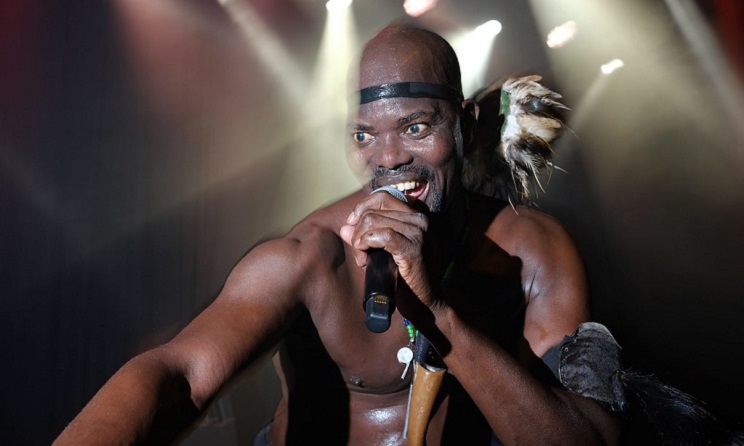
Last year, the SoundCloud blog published a post titled Scene to Watch: Borderless Sounds Ft. East African Electronic. The article brought some well-deserved attention to EA acts and described them as “progressive artists creating their own narrative and shifting culture.”
A good number of these artists are creating sustainable careers doing what they love and at the same time, strengthening the region’s creative influence and gaining global fanbases thanks to music festivals such as Nyege Nyege and internet streaming platforms like Soundcloud and Spotify.
From Kenya's Blinky Bill's benga beats to Raphnan's Ethiopian - inspired tracks, we shine a spotlight on eight EA artists to look out for in 2020.
1. Otim Alpha and Leo Palayeng (Uganda)
The collective that comprises of musician and composer Otim Alpha and DJ/producer Leo Palayeng is arguably the most influential from East Africa. The two have been at the forefront of the DJing culture in Uganda for over a decade. The duo mixes Acholi folk songs into a newer hyper-frenetic electronic version known as Acholitronix. Their international breakthrough came in 2017 after the release of Gulu City Anthems; the first worldwide release of electro Acholi music recorded over 11 years. Since that international debut, the duo continues to tour extensively in mostly Europe performing at festivals and concerts and showing the world that with time, they are only getting better.
Watch Otim Alpha and Leo Palayeng perform at Atlas Electronic 2019 in Marrakech, Morocco:
DJ Kampire of Uganda is one of the most popular female names in the East African scene
2. Raphnan (Ethiopia)
The Ethiopian artist, producer and DJ is one name that you’d have come across among Forbes Africa 30 Under 30 list that was released in July 2019. The disk jockey’s music endeavours to conserve traditional sounds from Ethiopia while at the same time create contemporary and urban African music, which is slowly changing the narrative of how Ethiopian music is perceived by the world. His journey in music has seen him pivotal role in the rise of the EDM scene in his country. In 2019, he made history by becoming the first act to be featured in Coke Studio Africa as both a music producer and an artist. He was also in the news for being featured on Major Lazer’s Africa To The World mixtape in 2017.
Watch Raphnan playing at Nyege Nyege Festival in 2019:
3. Sisso Records (Tanzania)
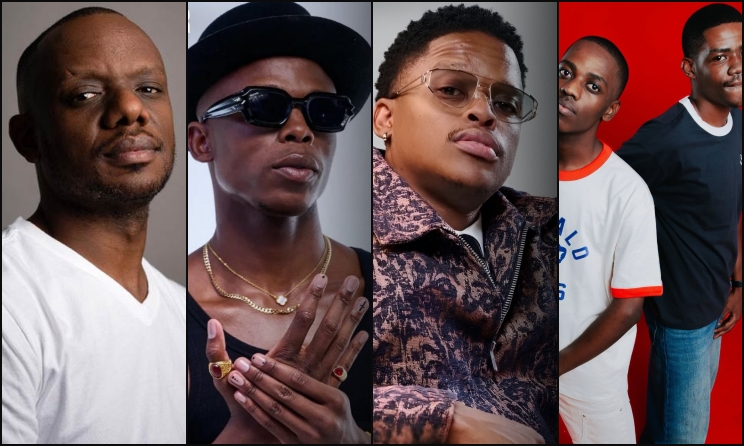
The record label is hypnotising revellers with tight singeli music. Singeli's signature sound consists of fast-paced, frantic loops interlocking with each other coupled with mc's who often spit satirical lyrics. Sisso Records is made up of DJ and producers Bwax, Sisso, Bampa Pana and Yung Keyz Morento and Mc's Dogo Niga and Makaveli, the label is credited as a key figure for popularising various traditional sounds in Tanzania through EDM.
Watch Sisso Record’s Boiler Room session in 2018:
4. Blinky Bill (Kenya)
Blinky Bill is always the man that takes centre-stage in any discussion regarding EDM in Kenya. The DJ, producer and musician has simply set himself apart from the rest in Kenya by successfully fusing electronic music with funk, hiphop and Kenya’s popular sound; benga. He has had a variety of international shows and tours across Europe. In 2018 Blinky Bill was included in the Yerba Buena Centre of the Arts YBCA100, a list of 100 people shifting culture and creating change.
Watch Blinky Bill's 'Don't Worry' video:
5. Suraj (Kenya)
As a true witness to the birth of EDM music in Kenya, Suraj, a DJ and producer, is a respected veteran in the dance scene. His music is a fusion of modern electronic music with African soundscapes, instruments and vocals, even bringing live djembe players to some of his shows. He has released numerous hits including the critically acclaimed ‘Wawere’, which featured Kenyan Afro-fusion artist Olith Ratego.
Watch Suraj’s Boiler Room session in 2018:
Coco Em is easily becoming one of the regions favourites
6. DJ Kampire (Uganda)
DJ Kampire of Uganda is one of the most popular female names in the East African scene with unparalleled skill in producing amazing nostalgic music. Drawing influences from Afro-house, Latin bass, St Lucian soca, Congolese soukous, baile funk, kudoro, gqom, among others, the artist has toured various countries in Africa, Europe and Asia. In June 2019, she made her debut in the USA at the New York City edition of Red Bull Music Festival. With her infectious music production style and live performances, she remains a highly influential act.
Below is a video of Kampire’s Boiler Room session at Nyege Nyege Festival in 2018
7. Catu Diosis (Uganda)
It's quite a journey to watch Catu Diosis perform because her sets include heavy sounds with bass from across the continent. A protege of Congolese producer Rey Sapienz, Catu Diosis is among the women in East Africa who are firing up the region’s electronic music scene since 2016. When she is not mixing, she likes to mentor young women through DJying workshops for young women eager people to join the music industry.
Watch Catu Diosis’ Boiler Room session in 2019:
8. Coco Em (Kenya)
Formerly a photographer and graphic designer, Coco Em is easily becoming one of the regions favourites. The Nairobi based artist has been catching a buzz with a signature blend of electronic beats, the drum, the kick and the snare with typically African dance genres such as kuduro and soukous. Presently, she is one of the most recognisable faces in EDM, especially for youngsters who need to convince their parents that a career in DJ’ing.
Watch Coco Em’s Boiler Room session in 2018:


Most popular
Gambia: Suntou Susso announce UK tour for ‘The Path of a Griot’
09 Oct 2026

Top amapiano songs of 2026
16 Feb 2026

Top Afrobeats songs of 2026
19 Mar 2026
Open call: 2026 Gender@Work music industry training in Johannesburg
09 Oct 2026

Top Naija songs of 2026
31 Mar 2026
R&B collective Both Worlds targets SA market
16 Oct 2026
Disclaimer: Music In Africa provides a platform for musicians and contributors to embed music and videos solely for promotional purposes. If any track or video embedded on this platform violates any copyrights please inform us immediately and we will take it down. Please read our Terms of Use for more.

Subscribe to our monthly Newsletter
Follow us on social media


Please log in to post a comment.