



























































From ideas to income: Why IP matters to Zim’s young entrepreneurs

13 Jan 2026 - 09:04


For a young entrepreneur in Zimbabwe, a business can begin with little more than an idea: a distinctive clothing design, a new food product, a mobile application, a photography portfolio, a podcast, a music catalogue or a memorable brand name.
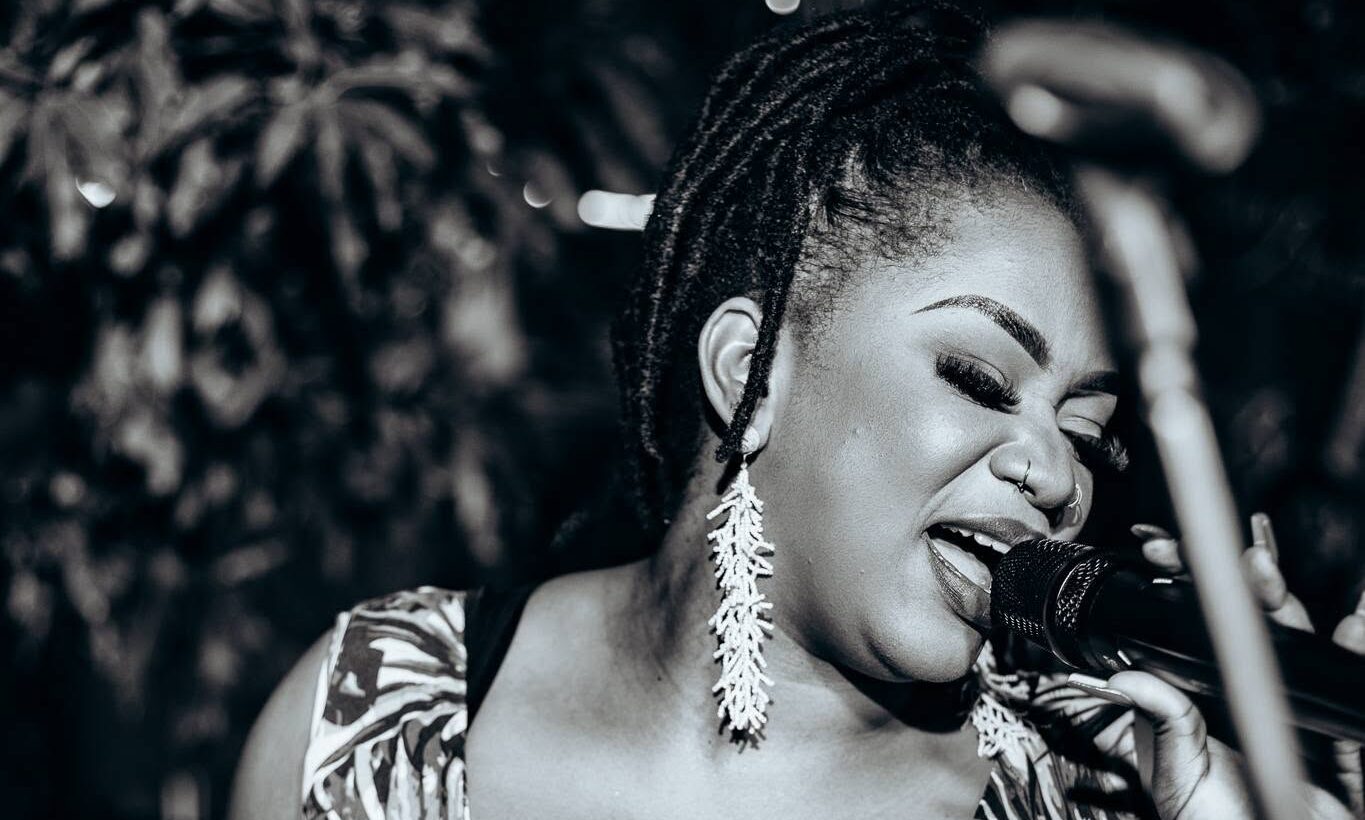
Feli Nandi.
The difficult part is turning that idea into something that earns money.
That is where intellectual property (IP) becomes important.
IP refers broadly to creations of the human mind that can have economic value, including inventions, artistic works, designs, names, symbols and other distinctive business assets. Zimbabwe’s IP system covers areas including patents, trademarks, copyright, industrial designs and geographical indications. The country’s IP administration is handled by the Companies and Intellectual Property Office of Zimbabwe (CIPZ).
For young entrepreneurs, however, IP can sound like something reserved for large corporations and lawyers. In reality, it can be found in almost every small business.
Your brand is an asset
Consider a young fashion entrepreneur in Harare who spends months developing a clothing label. She creates the name, logo, packaging and distinctive designs, builds an Instagram following and eventually begins selling to customers in Bulawayo, Johannesburg and Lusaka.
The clothes may be the most visible part of the business, but the brand itself can become an asset.
A trade mark is essentially a sign that distinguishes the goods or services of one business from those of another. It can include words, names, logos and other distinctive signs. Zimbabwe maintains a formal system for registering trademarks.
This matters because a successful brand can become more valuable than the physical products it initially sells.
If customers begin associating a particular name or logo with quality, changing the name becomes costly. Worse, another business using a confusingly similar identity can create uncertainty among customers.
For an entrepreneur trying to build a business beyond Zimbabwe, brand protection can therefore become part of the expansion strategy rather than an administrative afterthought.
An idea alone is not always enough
One of the biggest misconceptions about IP is that simply having an idea means owning it.
An idea for a mobile application, for example, is not necessarily protected merely because someone thought of it first. What matters is the intellectual creation that falls within the relevant form of IP protection.
This distinction is particularly important for young entrepreneurs who regularly collaborate with developers, designers, photographers, musicians and other creatives.
- Who owns the logo?
- Who owns the code?
- Who owns the photographs?
- Who owns the final product?
- Who can commercially exploit it?
These questions should be addressed before money begins changing hands.
A written agreement can establish ownership, licensing arrangements and revenue-sharing obligations. Without one, a business relationship based on trust can become a dispute when the product starts making money.
Copyright: the creative entrepreneur’s invisible asset
For Zimbabwe's musicians, filmmakers, writers, photographers and designers, copyright is one of the most important forms of IP.
Copyright protects original creative works and gives rights holders control over certain uses of those works. In practical terms, this can apply to a song, photograph, film, book, illustration, video, article or other creative production.
Take a young musician recording a song in a Harare bedroom studio.
The finished track might involve a songwriter, vocalist, producer, instrumentalists and possibly a record label. Each contribution can raise questions about ownership and remuneration.
This is where understanding copyright becomes commercially important.
Zimbabwe's music industry provides a useful example. Organisations such as the Zimbabwe Music Rights Association (ZIMURA) administer certain rights and collect royalties on behalf of creators. Copyright collective management organisations can license uses of protected works and distribute royalties to rights holders.
The principle is straightforward: if your creative work generates commercial value, you need to understand the rights attached to it.
A song can be a business asset
Zimbabwe’s music industry illustrates perhaps more clearly than any other sector how creativity can become an economic asset.
Artists such as Jah Prayzah, Winky D and Alick Macheso have built recognisable identities around music, performances and catalogues that extend beyond individual songs.
Their success also demonstrates that an artist’s commercial value is not limited to the sound recording.
A musician can earn through performances, licensing, streaming, publishing, merchandising, endorsements and other commercial uses of their creative identity.
The digitisation of Zimbabwean music has created additional possibilities. A 2025 Music In Africa analysis of the digitisation of sungura noted that placing older recordings on digital platforms can expand international exposure and provide access to overseas royalty markets, while also helping preserve Zimbabwe's musical heritage.
For emerging musicians, the lesson is particularly relevant: putting a song online is the beginning of its commercial journey, not necessarily the end.
IP is already part of everyday life
You do not need to own a patent or run a multinational company to encounter IP.
It is present when a customer chooses a familiar brand at a supermarket, photographer licenses an image to a newspaper, musician receives royalties for a song played publicly, designer sells an original clothing pattern, software developer creates an application, YouTuber produces original video content, restaurant develops a distinctive brand identity, farmer builds a market around a geographically associated product and a business pays to use another company’s logo, photograph, music or software.
In each case, IP helps determine who created something, who controls it and who can commercially use it.
That makes IP particularly relevant to Zimbabwe's growing digital and informal economies, where businesses can move rapidly from social-media pages to online stores and regional markets.
From WhatsApp businesses to global brands
Zimbabwe's young entrepreneurs are increasingly building businesses through platforms such as Instagram, Facebook, TikTok, WhatsApp and online marketplaces.
This has lowered some barriers to reaching customers. A small business in Mutare can advertise to customers in Harare without opening a physical shop. A designer in Bulawayo can sell clothing internationally. A musician can release a song globally without securing a traditional record deal.
But digital visibility also makes copying easier.
A business name can be replicated. Product photographs can be downloaded. Designs can be reproduced. Music can be uploaded to another account. A viral video can be reposted without permission.
The same technology that allows entrepreneurs to reach larger audiences can therefore expose their work to greater levels of unauthorised use.
This makes IP awareness increasingly important as Zimbabwean businesses become more digital.
The economic argument for protecting creativity
IP protection is not simply about preventing people from copying.
It can help businesses build value.
A protected brand can attract investors or business partners. A patent can provide an inventor with rights over an invention. Copyright can create licensing and royalty opportunities. A distinctive design can help a product stand out in a crowded market.
Zimbabwe’s recent experience shows the potential.
A World Intellectual Property Organization (WIPO) project that supported 50 young Zimbabwean entrepreneurs reported 116 trade mark applications, 52 new jobs and an average revenue increase of 9.26% among participating businesses. The programme included entrepreneurs such as Joyce Chimanye of fashion and lifestyle brand Zuvva and Caroline Godzongere of PeakMost Collection.
The figures do not suggest that registering IP automatically makes a business successful. Rather, they illustrate how IP knowledge can become part of a broader strategy for formalising, protecting and growing a business.
The opportunity for young Zimbabweans
Zimbabwe’s young entrepreneurs are operating at the intersection of creativity, technology and commerce.
A musician can become a content creator. A designer can become an international seller. A software developer can build for customers outside Africa. A photographer can license images globally. A fashion label can develop into a lifestyle brand.
These opportunities make the boundaries between creative work and entrepreneurship increasingly blurred.
WIPO’s Director General Daren Tang highlighted this connection during a 2025 visit to Zimbabwe, including discussions with government officials about using IP to support SMEs, creators and entrepreneurs. WIPO also emphasised the importance of making IP knowledge more relatable and accessible to innovators and entrepreneurs.
That shift in thinking is important.
For Zimbabwe’s young entrepreneurs, intellectual property is not just about protecting what they have created. It is about understanding how creativity can become ownership, ownership can become leverage, and leverage can become income.


Most popular

Top amapiano songs of 2026
16 Feb 2026

Top Afrobeats songs of 2026
19 Mar 2026

Top Naija songs of 2026
31 Mar 2026
Open call: 2026 Gender@Work music industry training in Johannesburg
09 Oct 2026

Open call: AFRIMA 2027 in Nigeria
12 Oct 2026

ACCES unveils stellar programme for 2026 edition
17 Oct 2026
Disclaimer: Music In Africa provides a platform for musicians and contributors to embed music and videos solely for promotional purposes. If any track or video embedded on this platform violates any copyrights please inform us immediately and we will take it down. Please read our Terms of Use for more.

Subscribe to our monthly Newsletter
Follow us on social media


Please log in to post a comment.