



















































Ghana DJ Awards organiser: Being a DJ can be big business
09 Sep 2021 - 12:48


As Africa continues to reaffirm itself as a global pop powerhouse, DJ culture, too, is breaking new frontiers, with music selectors on the continent moving from background roles to the centre stage.
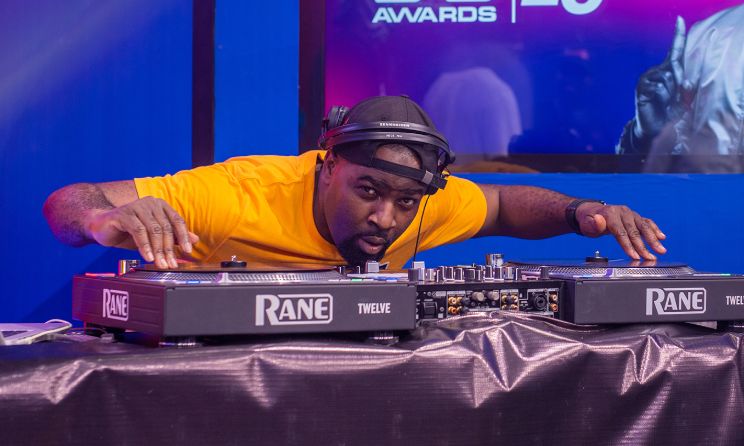
In Ghana, veteran DJ Merqury Quaye is on a mission to elevate the craft further and repair archaic and erroneous perceptions that have long attended the profession. His production company, Merqury Republic, is behind a series of laudable initiatives, including the Ghana DJ Awards, which seek to recognise the efforts of DJs in the country. He has also spearheaded welfare efforts for local practitioners via the recently launched DJs Union of Ghana (DJUGA), which will complement the efforts of the Ghana DJ Awards by offering a platform to promote DJs, among other regular capacity-building efforts.
As far back as his high-school days, Quaye observed that the craft was seen as a vocation for dropouts. He began delving into why this was the case and discovered that it had to do with how DJs behaved in society. “Their dress, their language, their actions and their mannerisms all played a part of the ill-perceptions about DJs,” Quaye says. Additionally, there were hardly any structures supporting the industry, which has been the fulcrum of radio stations, nightclubs, events and the like.
Music In Africa spoke to Quaye about the state of the DJ profession in Ghana, his efforts in getting DJs to fully harness existing opportunities, the implications of digital innovation in the industry, and the place of DJs in the rise of African popular music.
MUSIC IN AFRICA: When did you decide to be an active advocate for DJs?
MERQURY QUAYE: In 2011, I went live with a campaign based on the question, what would be the entry point for society to pay attention to these men and women? At that time, I could count about three women in the industry. I thought it wise, after consultation with several people, that coming up with an awards programme would shed more light and bring recognition to the practitioners of this art. It would also go a long way to solidify it as something that deserves more acknowledgement in our entertainment industry. All these things made me take the decision to be an instrument of change for DJs. We then started with the first-ever Ghana DJ Awards, which is the first national DJ awards scheme on the entire African continent. In February 2013, we held the show for the first time and the reviews were fantastic. Over the years, other initiatives have followed.
Do you think people really appreciate the earning potential of deejaying, especially as a viable career option?
Deejaying is a huge business. But again, it all boils down to education, and that’s the reason I am happy to have started the first DJ clinic, which seeks to sensitise DJs about their power and what their space in the entertainment spectrum is. DJs shape up as consultants on radio stations and in corporate Ghana. If a company believes you enough, they would want you to carry their brand to your audiences. And that’s also good DJ business. Consider the power that a DJ like me brings to the stage. You can stand in front of about 20 000 people and get them all to put their hands up. That alone is equity that can bring business. Another area that DJs can look into is music production. DJs breathe music, day in, day out. They are experts at cueing music, sampling and all that. So, they can do good business by offering production services to musicians.
How well would you say young professionals are harnessing the potential of the craft overall?
There has been a major improvement in remuneration for DJs, something we can credit the Ghana DJ Awards and all the activities we have around it for sensitising DJs. Before, people did this work out of mere passion and got close to nothing for their services. Thankfully, as a result of our campaigns and the respect we have brought to the profession, it has commanded reverence and authority for DJs.
There has been an Afro-pop renaissance in the past five years. What role would you say DJs have played in this?
A major one. The music scene is driven by DJs. They are the key to trends when it comes to music. If they take a decision that highlife should become the order of the day on the African continent, highlife would be just that. US DJs made hip hop so attractive that it transcended to other parts of the world, and that is what we can see with Afrobeats.
Let’s talk about deejaying in the era of streaming. Would you say it’s becoming endangered as a result?
It depends from which angle you look at it. On the one side of the coin, I can see the danger, but on the other, it’s about DJs identifying how we can take advantage of the streaming phenomenon and use it positively.
What is the Ghana DJ Awards’s vision?
The Ghana DJ Awards came to shape the DJ culture in Ghana and is a platform for bolstering music professionals locally. We are working hard to increase the value of the awards. Many acts have been discovered through the Ghana DJ Awards. The awards have also introduced the Ghana DJ Awards Clinic, a seminar series that has been instrumental in educating DJs. We are also working on avenues that will enable and give support to DJs in significant ways, such as supporting those venturing into music production.
How have preparations for the 2021 Ghana DJ Awards been so far, especially during the COVID-19 pandemic?
Last year, we were able to host an event with a very limited audience and we are looking forward to doing the same this year. In the wake of COVID-19, the organisers seek to reward DJs in a very significant way, during the Battle of Our Time Experience. The winner will receive 10 000 cedi ($1 700) and the runner-up will get 5 000 cedi. The clinic is also going to take a bigger turnout this time around. We are looking at doing things that will be felt nationally, so we are looking to expand.
Looking into the crystal ball, what is in store for Ghanaian DJs in the coming years?
The future still looks bright for deejaying in Ghana and Africa as a whole. I have so much passion for it and I want to see talent grow. When I got a call from Apple that they wanted to feature Ghana DJ Awards winner DJ Switch in a commercial, I was happy. I said to myself that we are making headway. Years from now, I am seeing the biggest entertainment events helmed by DJs. I am also seeing a lot of DJs taking the front line when it comes to music production, and using the experience garnered over the years to impact the production aspect of music. Overall, I expect to see a complete overhaul of the perception of deejaying, which is both a valuable creative avenue and a worthwhile career option. Five years from now, we expect to see a massive cultural transformation in this space, as well as towards the professionalism and welfare of DJs in the country. We have already started making arrangements in this regard, notably with our seminars and DJUGA.


Most popular
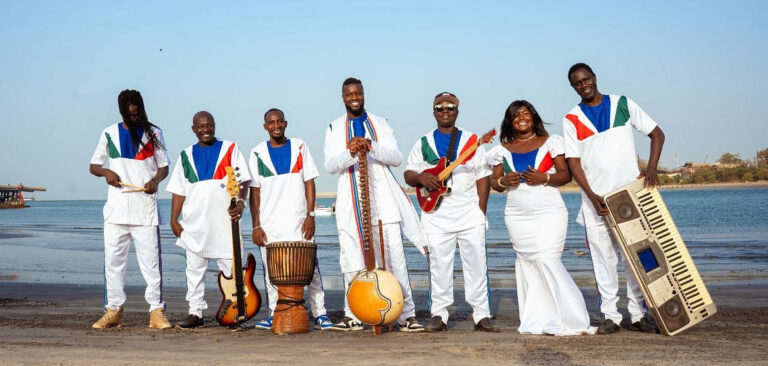
Gambia: Suntou Susso announce UK tour for ‘The Path of a Griot’
09 Oct 2026

Top amapiano songs of 2026
16 Feb 2026
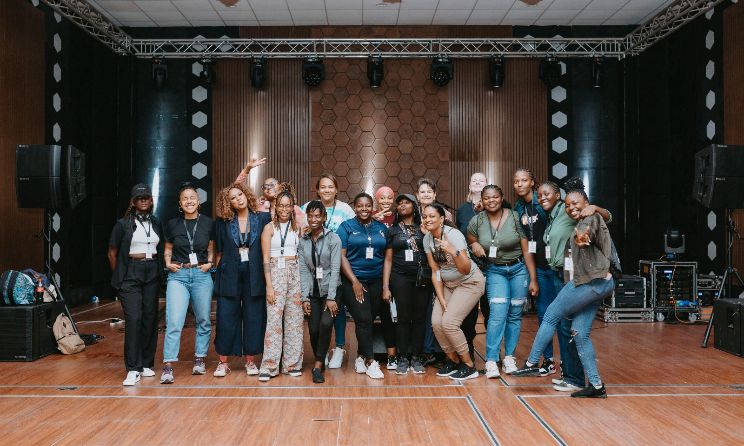
Open call: 2026 Gender@Work music industry training in Johannesburg
09 Oct 2026

Top Afrobeats songs of 2026
19 Mar 2026

Top Naija songs of 2026
31 Mar 2026
Call for applications: ACCES 2026 Emerging Artist Spotlight Competition
01 Oct 2026
Disclaimer: Music In Africa provides a platform for musicians and contributors to embed music and videos solely for promotional purposes. If any track or video embedded on this platform violates any copyrights please inform us immediately and we will take it down. Please read our Terms of Use for more.

Subscribe to our monthly Newsletter
Follow us on social media


Please log in to post a comment.