




























































Ghana’s Luigi Maclean talks music, mentorship and milestones
11 Jun 2024 - 14:57


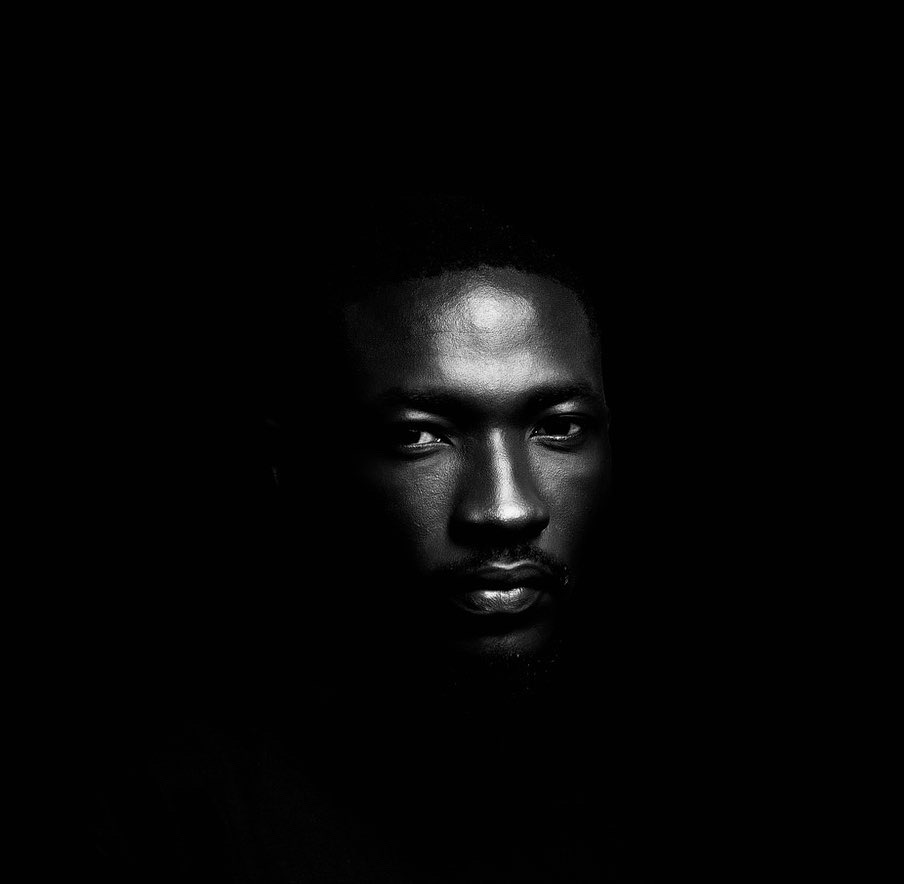
On a recent Thursday afternoon, in a dimly lit radio studio in Accra, days after the arrival of his long-awaited debut LP A Thousand Tongues, a beaming Luigi Maclean struggles to choose his favourite song from the project. “It's difficult, like a father or a mother having to pick from their children,” he says.

What the Ghanaian gospel singer, soft-spoken and smiling throughout our chat, can readily divulge is that the response to the collection – consisting of nine songs centred around gratitude and arriving seven whole years after he first tasted mainstream success – has been “amazing”.
He also expresses excitement about the LP, rendered in English, Twi and his native Ga, and which he explains is “characterised by my music journey from 2017, even from when I started singing as a child.”
Weeks prior to our conversation, Maclean had told me that the album’s title has “two sides to it: the first is how my journey in ministry has been. Looking at how it started, how far God has brought me and all the many things He’s done for me, I have every cause to thank God. So, figuratively, a thousand tongues for me are a thousand reasons to sing to or praise God. The second is that through this album, thousands of people will sing unto the Lord. Through this album, thousands of people will sing the Redeemer’s praise.”
The singer, a multiple Vodafone Ghana Music Awards nominee, a 2023 Male Vocalist of the Year winner at the Praise Achievement Awards, and behind well-received singles like ‘Mala’ and ‘Oguama’, says he’s not particularly surprised by the generally positive feedback, perhaps because the work has been a long time coming.
“A lot more people get to hear my sound as Luigi Maclean. Before this, perhaps they had only heard a few singles I had released. However, this album, I believe, captures my sound more comprehensively, as you can experience various types of songs or compositions under one name, which is Luigi Maclean. That’s how significant it is.”
His grin deepens when he discusses his unique experiences as a Ghanaian gospel singer. It’s been an amazing learning experience overall, he says.
Maclean’s journey began at Kwame Nkrumah University of Science and Technology in 2009. It was here that he met Joe Mettle in 2010, a meeting that would significantly shape his career. “My music director called and said, ‘Joe is in town. He has an event. Let’s meet up and back him’,” Maclean recalls. “We did that often and built a relationship. When he released his first album, My Gratitude, in 2011, he asked us to help with the launch. That’s how I became part of the team.”
Another poignant moment in Maclean’s transition to full-time music was his father’s endorsement. “I used to have an eight-to-five job,” he explains. “But it was clear that music was my calling. My dad was watching a video of me singing and heard God’s voice telling him that this is what I should do. He came home, called me and said he supported me. That was the confirmation I needed.”
The Luigi Maclean brand is tidy and widely respected – like the man himself. Still, I reckon that his journey couldn’t have been all that rosy. From his early days in college to his breakthrough collaboration with mentor Joe Mettle on 2017’s ‘Bo Noo Ni’, to his debut album this year, surely there must have been hurdles. So, I probe.
“I mean, you have a point there,” he says, before looking off into space as he recounts the unexpected success of ‘Bo Noo Ni’. “When the song came out and it blew up big, it wasn’t something I was expecting. I was just enjoying doing my music, being a backing vocalist for Joe Mettle. Suddenly, I was thrust into the limelight, and I wasn’t prepared for that.”
Maclean’s transition from backing vocalist to a front-and-centre artist was a steep learning curve. This newfound visibility brought with it intense scrutiny and expectations, pushing Maclean to write and produce his own music. “We recorded a few songs; it didn’t work out. So I kept honing my craft until my first single ‘Amazing God’ was ready.”
That song arrived in 2018. Then, quickly, the pressure to conform to popular music trends, notably fast-paced songs, began pouring in. “People would tell me to do that because we are a dancing people,” Maclean tells me, even if “that’s not what comes naturally to me.”
Thankfully, Joe Mettle was on hand with experience and guidance, including “pushing me to start doing a lot of my own things” and “helping me navigate the spotlight and avoid the mistakes he had made.”
It seems to be working, for Maclean appears focused on the impact of his music rather than the fame that comes with it. “I’m just someone who is doing what I’ve been called to do,” he says. “I enjoy singing and sharing it with the world. When people tell me my song blessed them, it makes me realise I’m making an impact.”
Even if songs typically flow to him during private, quiet moments, Maclean, who has shared stages with leading African gospel acts such as Diana Hamilton and Steve Crown, has always kept the audience in mind. After all, the ethos of the genre is to spread good news. “The songs are personal stories, but you’re not telling it to yourself. You’re telling it to the world. I do have thoughts of the world when I’m writing. I think about people and how they will accept it.”
Being associated with a towering figure like Joe Mettle no doubt comes with perks – and pressure. “Pressure makes you learn. Joe Mettle could give you the platform, but if you don’t put in the work, his platform will mean nothing … opportunities come all the time but not everyone makes it out. Time and chance found me, and grace, which is important, met with hard work. I’m very fortunate and thankful for the right people around me who have helped bring out the best in me.”
Gospel music in Ghana, despite being in a sub-region dominated by secular genres like Afrobeats and amapiano, has shown remarkable viability and commercial potential. Maclean attributes this – not to my theory that thanks to social conditioning the Ghanaian is religious by default – but to the high quality of work being produced by contemporary gospel artists. “It’s mind-blowing,” he says. “And when you listen to the quality of work that people are putting out these days, I think it’s one of the things that’s helping put gospel music on the map.”
On his vision beyond music, Maclean returns to a keyword from the beginning of our conversation: children, specifically, those in orphanages – inspired by the belief that every child should have a positive role model. And why not? His whole career has been the fruit of the miracle of mentorship. “I believe in inspiring children who don’t have the luxury of a close reference. We can help by partnering with orphanages, rehearsing with them and getting them onstage. I’m looking forward to starting this initiative this year,” he says.


Most popular

Top Naija songs of 2026
31 Mar 2026

Top Afrobeats songs of 2026
19 Mar 2026

Top amapiano songs of 2026
16 Feb 2026

Ghana: Mr Eazi and MOLIY’s ‘Comfort’ earns Urban Music Awards nomination
21 Oct 2026

Open call: CANEX Music Business Lab and Songwriting Camp
15 Oct 2026

Nigeria: CANEX WKND unveils 2026 programme
21 Oct 2026
Disclaimer: Music In Africa provides a platform for musicians and contributors to embed music and videos solely for promotional purposes. If any track or video embedded on this platform violates any copyrights please inform us immediately and we will take it down. Please read our Terms of Use for more.

Subscribe to our monthly Newsletter
Follow us on social media


Please log in to post a comment.