


















































Interview: MTN Bushfire’s Jiggs Thorne talks about digital fest
29 May 2020 - 14:14


For the first time in 13 years the annual MTN Bushfire festival, which attracts more than 20 000 people, was cancelled due to coronavirus (COVID-19) pandemic.
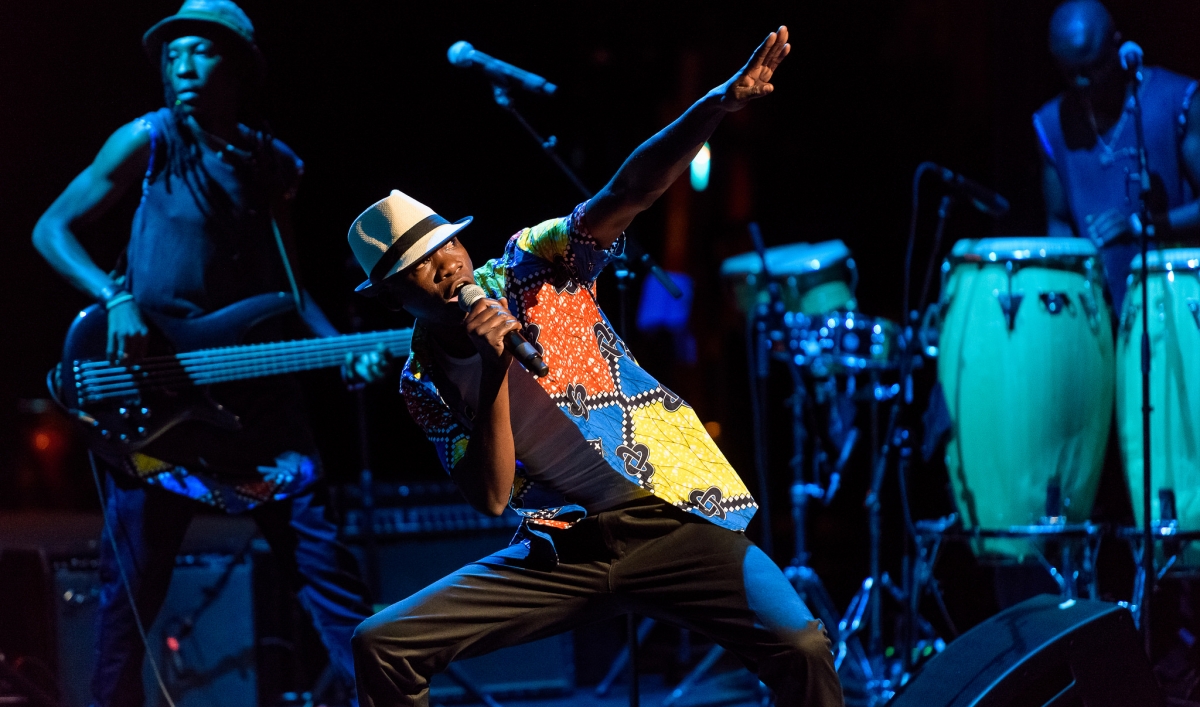
The 14th edition of the event, which was scheduled to take place on 30 May in Malkerns Valley in eSwatini, will now be livestreamed on the same date under the banner Keep the Fire Burning Digital Festival.
The cancellation has caused an avalanche of challenges for the organisers, including unpacking 75% of refunds in tickets sales, and losses arising from ongoing operational costs such as staff salaries, rent, utilities and insurance.
The hard-hitting effects of the pandemic are not limited to MTN Bushfire and are expected to plough into eSwatini's broader economy, which includes artisans and food vendors. A 2019 study conducted by North West University in South Africa revealed that eSwatini's economy generates R50m (about $3m) for the country during MTN Bushfire weekend.
The festival organisers have now been forced to reinvent the Bushfire brand for the digital space within a short space of time. In response to the pandemic, MTN Bushfire has partnered with ticketing and event platform Howler to bring an immersive two-way virtual experience. Via Zoom Rooms, the event will now feature an explosive selection of poetry, uplifting messages and music from international artist performing from home. The eclectic line-up includes Mokoomba (Zimbabwe), Alune Wade (Senegal), Habib Koite (Mali), Mehdi Nassouli (Morocco), Oki Dub Ainu Band (Japan), Ain the Machine (Germany), Dizraeli (UK), Sands (eSwatini), Donovan Copley (South Africa) and Staceyann Chin (US), among many others.
The digital event’s main focus will be to raise funds for festival beneficiaries in the Lobamba Lomdzala district, Young Heroes, and boMake Rural Projects. The organisers urge the public to donate to a fund that will be used to distribute emergency homecare kits for orphaned and vulnerable children and rural women in eSwatini.
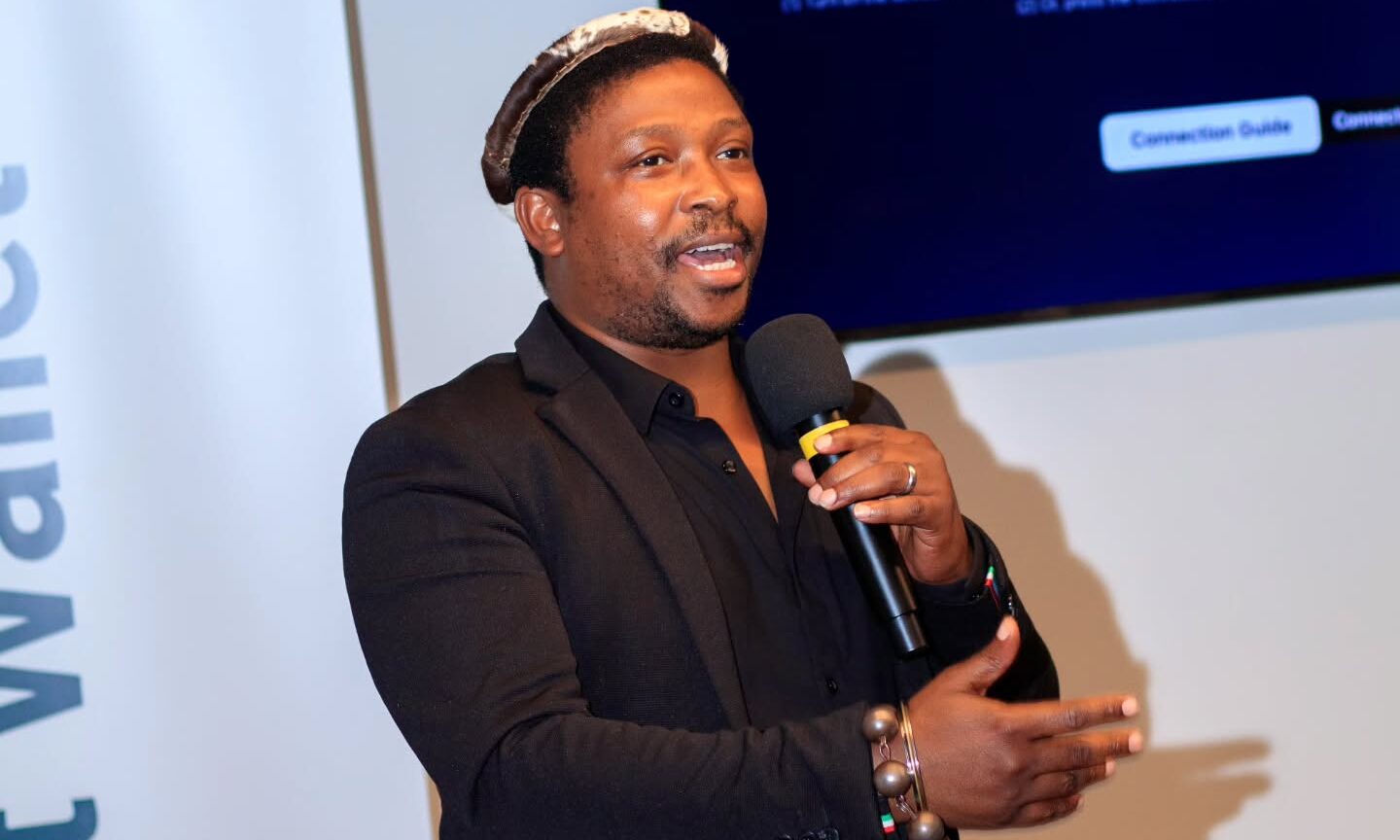
Music In Africa caught up with MTN Bushfire festival director Jiggs Thorne to unpack some of the details around the digital event, and the pandemic's disastrous impact on the Bushfire brand.
MUSIC IN AFRICA: In addition to operational costs, what will the long-term effects of COVID-19 be for MTN Bushfire?
JIGGS THORNE: We’re dealing with risky commitment for partners and sponsors. We’ve lost millions in sponsorships and profits. More importantly, we’ve lost brand equity of an immeasurable amount as both sponsors, partners and festivalgoers are less likely to commit to the festival too far in advance due to uncertainty of the future. From the consumer’s standpoint, there’s also no certainty that the event will happen again.
What impact does a festival cancellation have on eSwatini?
The festival helps to support the livelihoods of several people in eSwatini by creating more than 900 jobs, which are exclusively dependant on the festival. This is in addition to the number of employees directly involved in the festival. The postponement of the festival has greatly affected our beneficiaries’ ability to keep their doors open and continue serving the eSwatini communities at a time when it is needed the most. Last year, we raised R330 000 for our beneficiaries and we hope that with the support of our global family of fire starters, we are able to continue to support these organisations when they need it most.
What are some of the more notable differences and challenges that you have come to realise between organising a live event and an online broadcast?
One of the biggest challenges is realising that you can’t reproduce the essence of a live event online, so you have to be realistic in your expectations. Trying to personalise and energise the digital experience and make it immediate are real challenges. I think it’s obvious to say there are also a set of new skills required to effectively put on an online event. This means working with a broader team and coordinating roles and responsibilities. Budgets and timelines need careful consideration.
Taking live events online has been criticised by a number of consumers who say that the result is anaemic and lacks soul and authenticity. What are your thoughts on this?
While online events can never replace the power of human gatherings and the atmosphere we create when we share a physical space with people from different parts of the world, it has certainly allowed us to continue to forge unity and spread hope at a time when it is needed the most. Our #KeeptheFireBurning digital festival is centred on the affirmation of the positive contribution that we can still make in each other’s lives during this period of physical distancing.
How do you plan to recreate the unique atmosphere of MTN Bushfire online?
Howler will help us produce an interactive experience that recreates the event’s experiential offerings including the festival’s Main Stage, which will be the main feed of the stream. The Zoom Rooms will be themed to reflect the festival’s House On Fire stage, Firefly stage and the Kidzone as well as the Bring Your Fire Zone. The Zoom Rooms will allow our audience to immerse themselves in it by sharing their views and inciting positive discussions around topical social issues such as environmental sustainability, arts development and arts in education, among many others. They will have the opportunity to text on the Zoom platform and also engage via video calls.
A key factor in being able to produce a great online experience is that a live broadcast room has to be equipped with decent technology. How will you be navigating this with performances coming from artists' homes?
Our expert production team members, who have been producing our festival videos over the years, have compiled recording guidelines outlining how our artists can capture their performances professionally and immaculately. We are all currently staying at home, so we are not expecting them to submit professionally recorded videos. We’ve encouraged our participants to keep their videos as natural and as authentic as possible.
Register for free access to the interactive Keep the Fire Burning Digital Festival here. The performances start at 5pm CAT.


Most popular
Call for applications: ACCES 2026 Emerging Artist Spotlight Competition
01 Oct 2026

Top amapiano songs of 2026
16 Feb 2026

Top Naija songs of 2026
31 Mar 2026

Top Afrobeats songs of 2026
19 Mar 2026
Open call: 2026 Gender@Work music industry training in Johannesburg
03 Oct 2026
AFRIMA 2026: All the winners
12 Jan 2026
Disclaimer: Music In Africa provides a platform for musicians and contributors to embed music and videos solely for promotional purposes. If any track or video embedded on this platform violates any copyrights please inform us immediately and we will take it down. Please read our Terms of Use for more.

Subscribe to our monthly Newsletter
Follow us on social media


Please log in to post a comment.