
























































Intlambululo Ukuhlambulula: An enriching concert experience with Mandisi Dyantyis

12 Sep 2024 - 07:35


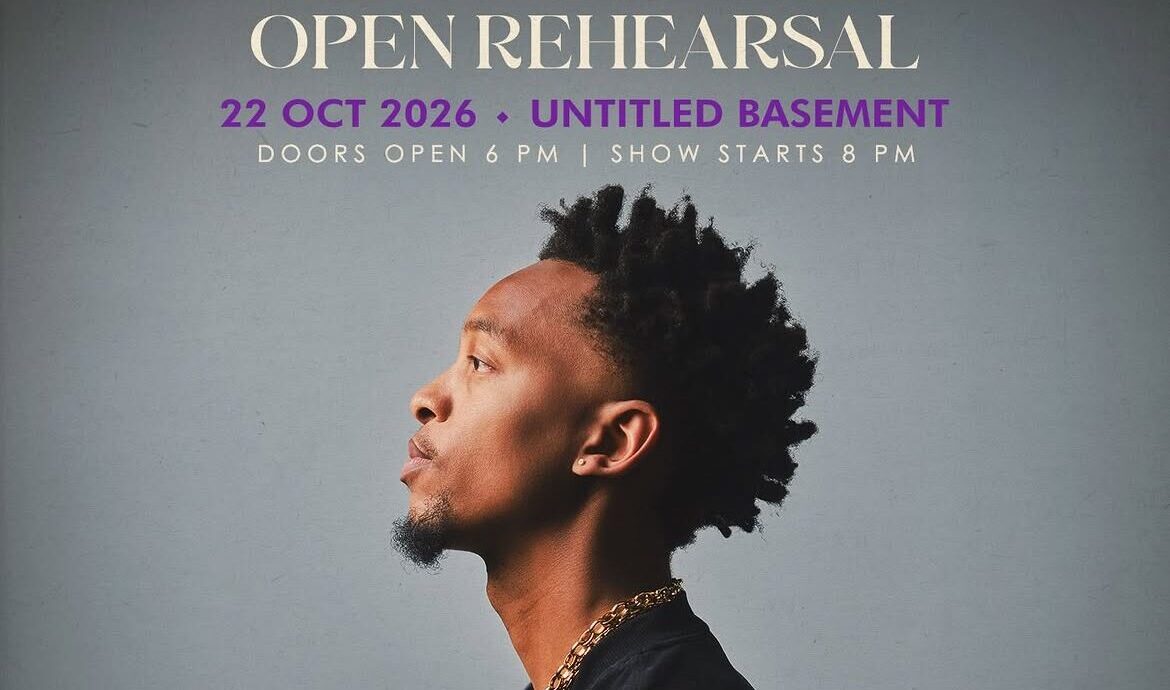
On 13 September, the State Theatre in Pretoria, South Africa will host a unique and deeply spiritual concert experience titled Intlambululo: Ukuhlambulula, led by renowned music director and international performer Mandisi Dyantyis. This extraordinary event promises to take audiences on a profound journey of spiritual purification and renewal, drawing from the rich collection of South African cultural and customary practices.
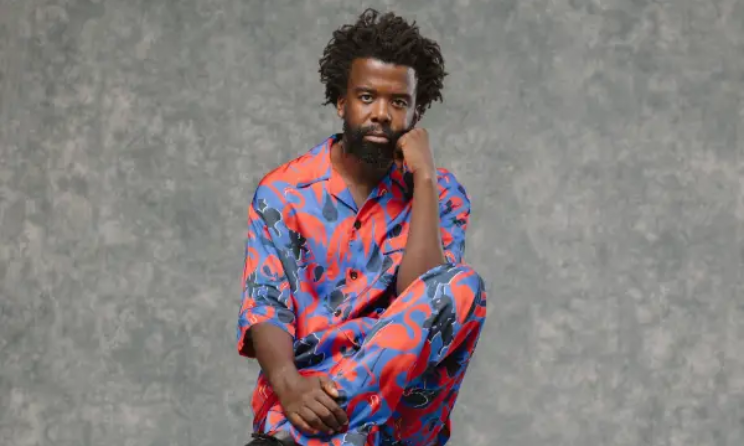
Intlambululo: Ukuhlambulula translates to “cleansing” or “to cleanse ourselves”, reflecting the concert’s aim to provide a transformative experience for all who attend. Through a fusion of new music and communal participation, the audience will embark on a path of spiritual rejuvenation, led by Dyantyis’ soulful and evocative performances.
Dyantyis will perform music from his previous albums, Somandla and Cwaka, as well as new music from his forthcoming collection. His music is known for its ability to evoke emotions and spark spiritual connections. By combining his music with communal participation, Dyantyis creates a unique and immersive experience that will leave attendees feeling renewed and refreshed.
In an interview with Music In Africa, Dyantyis delved into the inspiration behind his latest album, sharing insights into his creative process and personal experiences that shaped the project. He also explored how the rich cultural landscape of South Africa influences his unique sound, offering a glimpse into the cultural context that fuels his music.
MUSIC IN AFRICA: What sparked your inspiration to create an album rooted in South African cultural and customary practices?
MANDISI DYANTYIS: Because it’s who I am. I’m a South African rooted in traditional culture and practice. And I think there are a lot of people like me. And I think that’s the story that I can confidently tell because it’s my story. I want to do music that I’m confident of sharing. That’s why I had to do something that is me.
Can you share a personal experience that resonated with you and influenced your creative process?
I’ve always been a musician, so it’s always hard to track one incident. But it also almost feels like everything was leading to everything else, you know. When I started music, I was just mimicking people, I was just mimicking my sister. But the main thing of starting to write music, especially the way that I wrote, is because of life and how I chose to live life and how I chose to document life and how I chose to also contribute with my talent to the South African landscape of music.
How did you navigate the diverse cultural landscape of South Africa to curate the sounds and themes for your album?
I don’t think I have the power to do that. The only thing I know how to do is to be myself and the fact that I’m South African means I’m influenced by everything that happens in SA and the cultures in SA are important to me. And so in whatever I create, they will always be there without me thinking about them because I don’t think I can curate or navigate them because they are so versatile. I’m glad that people find semblances of them in my music because sometimes I’m not even aware that I have included them. All I’m trying to do is to be myself. And I am very pro-South African music, so I guess that is what reads in my music that this person is unapologetically trying to be South African. But I don’t sit there and go: I’m going to add in a Zulu riff, a Xhosa riff and a Tswana chorus, no I don’t do that. I’m just pro-South African music. All of it.
Which specific customs and practices did you draw from, and how did you incorporate them into your music?
I’m a Xhosa man, I’m Christian, I live in a South Africa that is very versatile. I come from the music of Miriam Makeba, Hugh Masekela, Mahlathini and the Mahotella Queens. I come from the music of Jabu Khanyile, Stimela, Sankomota. So when you want to look at my music, you have to look at the music of Faye Faku. You have to consider those things, you know. That my music is nothing new but a culmination of all of those things, rather than intentionally trying to make sure that it represents a people and tells their stories. That tells of South Africa now, and where we’re going. That gives us the importance and the parameters that we deserve. Those things might be smaller for other people but greater for me.
How do you balance cultural authenticity with artistic expression in your work?
I don’t balance it. There’s no way of balancing it. All of it lives within me. All of it is important. It’s either you think it’s important or it’s not. I’m a cultural person and I’m a creative person. All of these things complement each other. I don’t think one is lesser than the other. And that’s what comes out.
What message do you hope listeners take away from your album, particularly those unfamiliar with South African heritage?
There’s no one message in the album. There are a lot of messages. But one message is that people are seen. It’s the music of people. It’s a music of people who are struggling with everyday things, love, despair but they are pushing and working through them.
Can you walk us through your creative process when infusing traditional elements with modern sounds?
As long as I’m able to do what I'm doing, I will always be an advocate for South Africa and Africa in our traditions and culture because art is the foundation of who we are and where we’re heading. And I believe we can do so without considering them as outdated art forms. We can bring them to the present, but also not try to impose them on the present because there is no need for that. They are inherent and natural. It is important for us, but it is also important for our children, so that they can trace themselves through this music we are creating. They trace their languages, they trace their sound.


Most popular
Gambia: Suntou Susso announce UK tour for ‘The Path of a Griot’
09 Oct 2026

Top amapiano songs of 2026
16 Feb 2026

Top Afrobeats songs of 2026
19 Mar 2026
Open call: 2026 Gender@Work music industry training in Johannesburg
09 Oct 2026

Top Naija songs of 2026
31 Mar 2026
R&B collective Both Worlds targets SA market
16 Oct 2026
Disclaimer: Music In Africa provides a platform for musicians and contributors to embed music and videos solely for promotional purposes. If any track or video embedded on this platform violates any copyrights please inform us immediately and we will take it down. Please read our Terms of Use for more.

Subscribe to our monthly Newsletter
Follow us on social media


Please log in to post a comment.