




































NEFCISA
NEFCISA

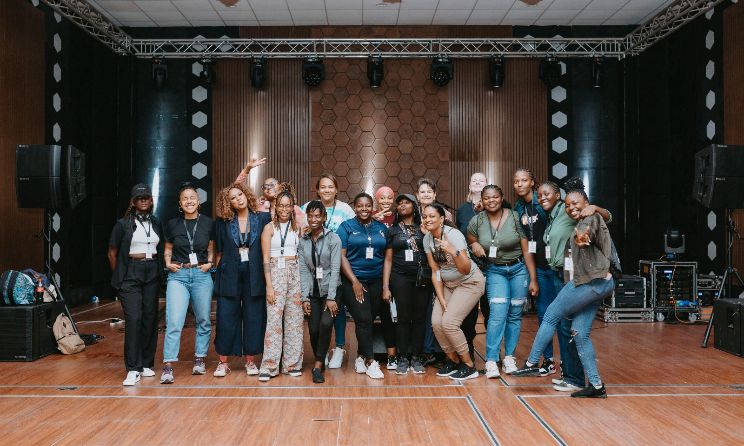
The Music In Africa Foundation (MIAF) is proud of its partnership with the Industrial Development Corporation (IDC) as a Strategic Implementing Partner (SIP) for its Social Employment Fund (SEF). Through this collaboration, MIAF is running a national programme that is creating jobs, addressing skills gaps, and strengthening South Africa's creative industries — in line with the SEF's overarching goal to generate work for the common good and build community value through employment, social contribution, and inclusive economic participation. Operating under the banner NEFCISA (National Employment Facility for Creative Industries in South Africa), the initiative is recruiting and training participants, matching them with host organisations, and has already placed 1 500 workers across the country — surpassing its original target of 1 000. NEFCISA is delivered through a network of 20 host organisations spanning five provinces, who are actively hosting participants and contributing to work for the common good across South Africa's creative and cultural industries. Key Objectives: Support employment and entrepreneurship in the creative industries. Offer skills development and training programmes. Foster partnerships between public and private creative sectors. Promote South African creativity at both provincial and national levels Foster community development through social contribution.

ACCES
ACCES

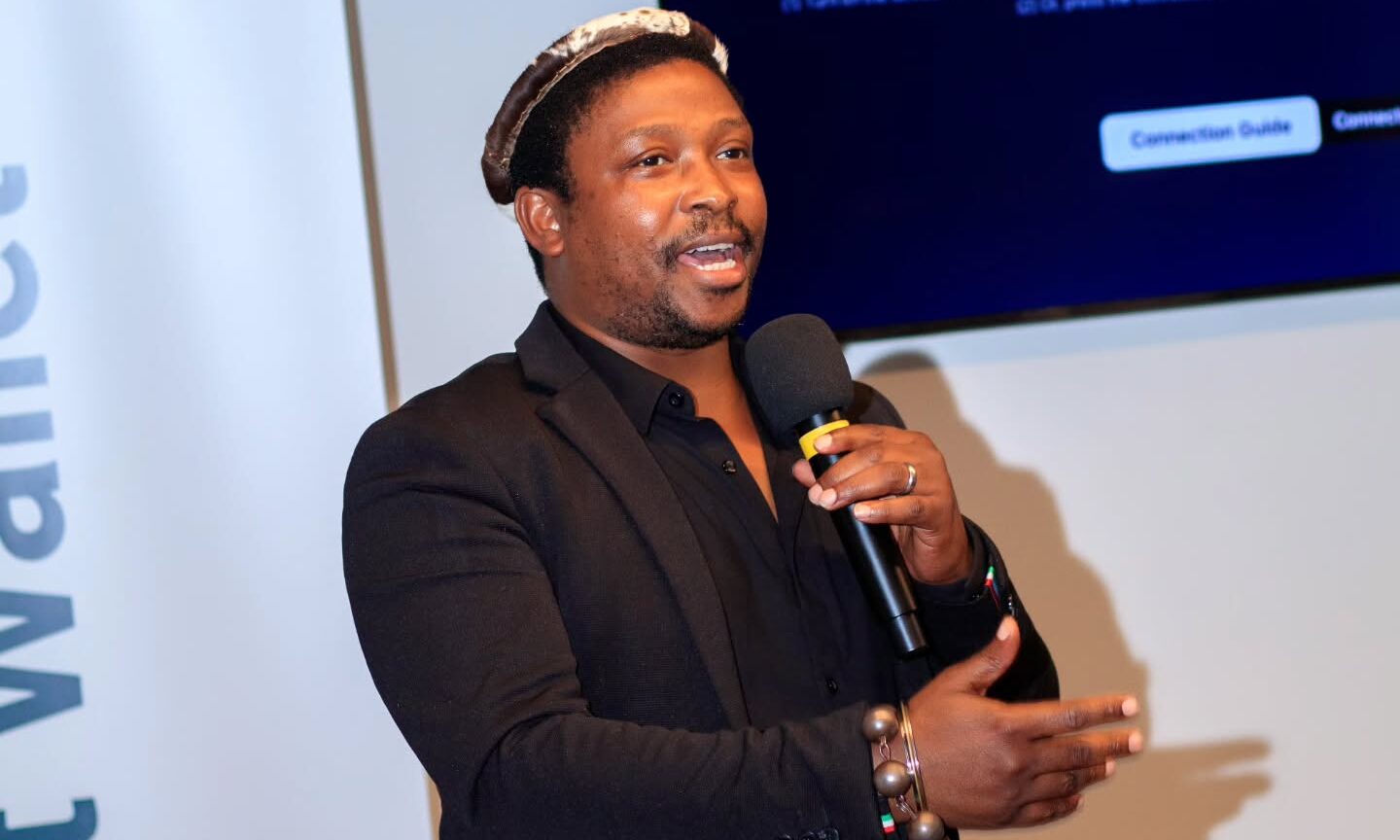
ACCES Conference and Showcase Festival is Africa's leading music industry gathering, bringing together the people shaping the future of the continent's music business. Artists, entrepreneurs, executives, investors, policymakers and cultural leaders from across Africa and around the world come to ACCES to build partnerships, exchange ideas, discover talent and create new business opportunities. Since its launch in 2017, ACCES has become the continent's premier platform for professional exchange and music market development. Combining a high-level conference with a curated showcase festival, networking, exhibitions and industry programmes, ACCES offers a unique space where creativity meets business and where African music connects with the global industry.

Gender@Work
Gender@Work

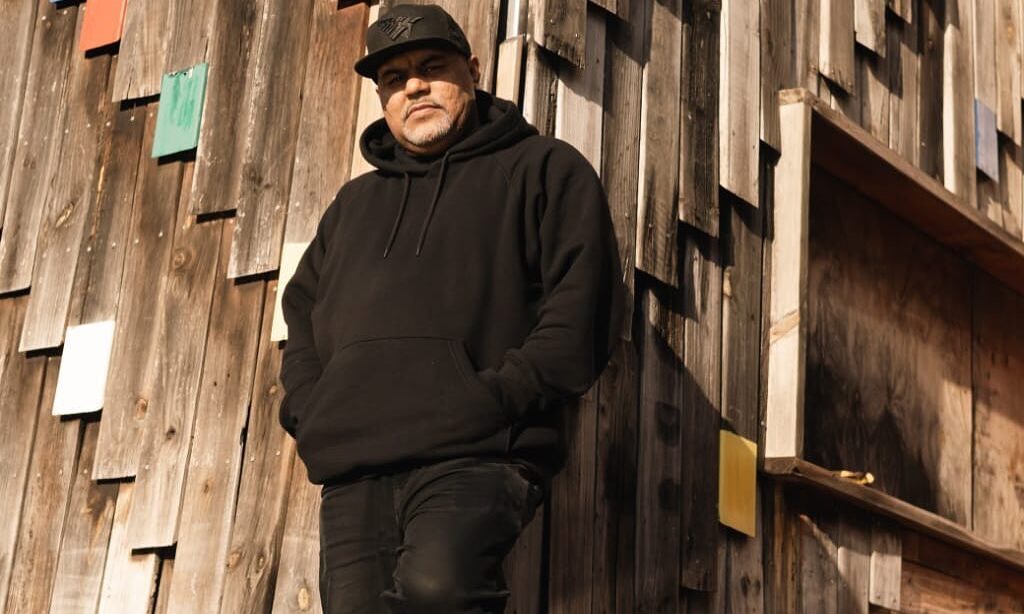
Music In Africa Gender @ Work is a three-year training programme aimed at upskilling and increasing the participation of female professionals in the African music sector. Launched by the Music In Africa Foundation (MIAF) in April 2019, the programme is connected to the MIAF’s ACCES music conference – a pan-African event held in a different African country every year. This connection enables the programme to reach new participants in a different African country every year. The programme marks the beginning of a more concerted effort by the Foundation to support the participation and inclusion of women in all facets of its programmes and the music sector in Africa as a whole. Over the three years, the programme will aim to address gender imbalances in the sector through training, lobbying, facilitating knowledge exchange and dialogues that foster the interest of women. The broader objectives of the programme are to: Provide industry training for women on critical music industry skills, focusing on: Stage management Electronic music production and recording Music business management Technical knowledge Provide an opportunity for both professional and aspiring women to benefit from the Music In Africa network and its broad range of activities in 2019, 2020 and 2021. Provide a solution-based platform in the form of a round table at ACCES with a view to identify challenges, discuss opportunities and lobby for the interests of female practitioners. Offer participants the opportunity to benefit from programmes offered by MIAF’s partners. Increase access to educational materials. Integrate participants in the broader ACCES programme to maximise experience and exposure to the industry. Record and present training materials on the www.musicinafrica.net, including but not limited to tutorials, templates and other best-practice materials. Communicate women-based themes that support the initiatives and messages of the programme. MAIN TRAINING ACTIVITIES Training in first country (Ghana): In the first year, participants will be trained on all aspects of stage management by a team of experienced stage managers from 10 to 17 November 2019. The programme will offer robust classroom training as well as practical, hands-on training in which participants will also be given the opportunity to manage various aspects of the ACCES performance programme. Training in second country: The second training iteration will take place at ACCES 2020 when the programme will diversify its course to include music production lessons and training on other music business topics. A round-table platform will also be introduced to coincide with the ACCES programme. Training in third country: The third training iteration will take place at ACCES 2021 in a different country, offering an advanced course. HOW DO YOU GET INVOLVED?  As a participant, facilitator or trainer: The programme enrolls up to 12 trainees every year. All opportunities are advertised publicly on this website, and will be added to this page. Please keep checking this page for new calls (below under UPDATES & CURRENT OPPORTUNITIES). As a partner Please contact Claire Metais at [email protected]. APPLY The call for applications for 2020 will be announced soon. The Music In Africa Gender @ Work programme is made possible with the support of the Prince Claus Fund, Siemens Stiftung and Goethe-Institut.

Sound Connects Fund
Sound Connects Fund

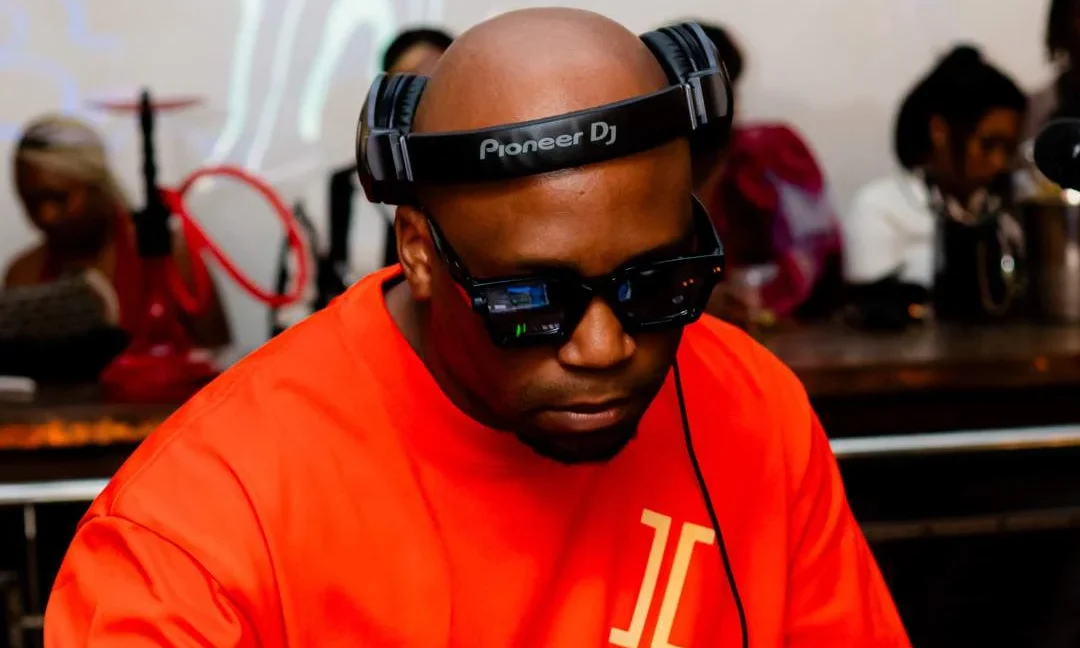
For cultural and creative practitioners and organisations operating in southern Africa, access to funding remains a major challenge. The COVID-19 pandemic has also had a massive impact on government policy, spending and the economy in general, and has seen spending on culture being moved further down the list of priorities. Further, the cultural and creative industries repeatedly cite four main areas where investment is needed for growth, which are increased visibility, mobility including access to new markets, finance and support structures.

Instrument Building And Repair Project

Experience the Vibrations African Instruments Exhibition online in 3D

Reviews

MI Abaga — Everything

11 Feb 2016 - 20:38

cc-img flag-img

Artist: MI Abaga
Song: Everything
Label, Year: Chocolate City, 2016

MI is back and brilliant on 'Everything'

Because of rap’s insistence on ‘realness’, the genre is perhaps the most autobiographical of modern pop music forms. Directly, obliquely and in spots throughout his career, Nigerian rapper MI has given us bits of his life.

His rise to rap relevance is chronicled on ‘Unstoppable’ from the celebratory sophomore MI2. Doubts about that relevance irrupt all over the low-on-confidence third album, The Chairman.

There's the ode to Jos, the troubled town of his childhood on ‘Wild Wild West’ from MI2. There's his struggle with the exposure of social media on ‘Human Being’ from The Chairman. His attempts at reconciling with his one-time estranged brother Jesse Jagz is recorded on ‘Brother’ from the latter album.

On the chorus of his new song 'Everything', he relays his method to autobiography: “Everything I have learned in my life I can try to sing you in songs.”

Starting firmly, slowly, like the rapper is seething, the syllables tumble out impetuously until sobriety becomes anger. Within the first of the song’s two verses, the emotions pour out in different directions. There is a response to doubters: “Niggers think I’m toast but no, my bread is always buttered.” Then there is something more pointed: “If a nigger’s tripping, I can do without their luggage.” By the last line of the verse his anger has sublimated into frustration: “Genius is so lonely because nobody understands us.”

Although 'Everything' can be seen as referring to a number of people in the Nigerian rap industry, it may also be that MI is aware of the true culprit: The man in the mirror. After all, it was MI who recorded The Chairman without a single solo song, so that the album sounded like a various artists’ collection. It was MI who became CEO of the record label Chocolate City, like Jay-Z, one of his influences, carrying everyone else, when he could focus on his own art. It was MI who took years between studio albums in a time when the pop scene favours a new flavour every week. Why is he carping and to whom?

The disappointment perceived on 'Everything' is perhaps because MI has always seemed made from a softer core than you’ll expect from a rapper. That mushy core produced perhaps the most celebrated love song by a Nigerian rapper, ‘One Naira’ and the less-known gem ‘God Bless You’. But it also produced the tolerable but rather saccharine ‘Imperfect Me’ where he records a slew of his associates telling listeners what they consider MI’s flaws. On ‘Everything’ he admits his tenderness, rapping about being, “always sentimental in my fucking mental.”

By the second verse, MI the angry man is MI the Messiah. “I earned the crown,” he says, “and then returned to sit among the peasants. How should they be saved unless I bring to them a message? How should they improve unless they sit and hear my lessons?”

That line is of course a reference to criticism of the middling banquet that was The Chairman. Artists may publicly denounce critics but the best ones care, maybe a little too deeply. Case in point, Burna Boy.

For rap watchers, the MI blueprint is tripartite: connect with listeners, impress critics, and mentor younger rappers. This is the kind of plan that can only be dreamed up by a rapper pampered by early success, who, quickly addicted to a warm reception by radio, phones and people, is poised to re-enact and possibly amplify that initial reception. So when MI says, “Your highness, are you low enough to one day face rejection?” he is talking to himself. The commercial and critical highs of Talk About It and MI2 were not recreated with The Chairman. He takes the semi-rejection of that album calmly and offers the lesson philosophically to younger rappers in the most compelling manner: “Man must pay to gravity the price for his ascension.” Also: “If you think I am talking to you—nigga this is an intervention.”

What makes ‘Everything' so compelling, other than the picture it paints of the mind of a brilliant rapper who on occasion in the near-5 minutes of the song appears to be a paranoid monarch, is its delivery and production. Set on a whispery beat featuring subdued screams at intervals, the song’s atmosphere enforces the rapper-as-neurotic-king scenario painted by the lyrics.

By the end of the song’s last verse, the paranoia seems to have won over: “Grab myself a pencil and then I wrote my name in history. Why they try to erase it … is just a mystery to me.”

But MI need not worry. If everything else on the forthcoming Illegal Music 3 are as good as 'Everything' the rapper would have earned an entry into that history book—before the first word is written.

Please log in to post a comment.

Most popular

Disclaimer: Music In Africa provides a platform for musicians and contributors to embed music and videos solely for promotional purposes. If any track or video embedded on this platform violates any copyrights please inform us immediately and we will take it down. Please read our Terms of Use for more.

newsletter banner

Subscribe to our monthly Newsletter

Follow us on social media