

























































Mpho Molikeng: The role of traditional instruments in shaping African musical identity

12 Mar 2025 - 08:36


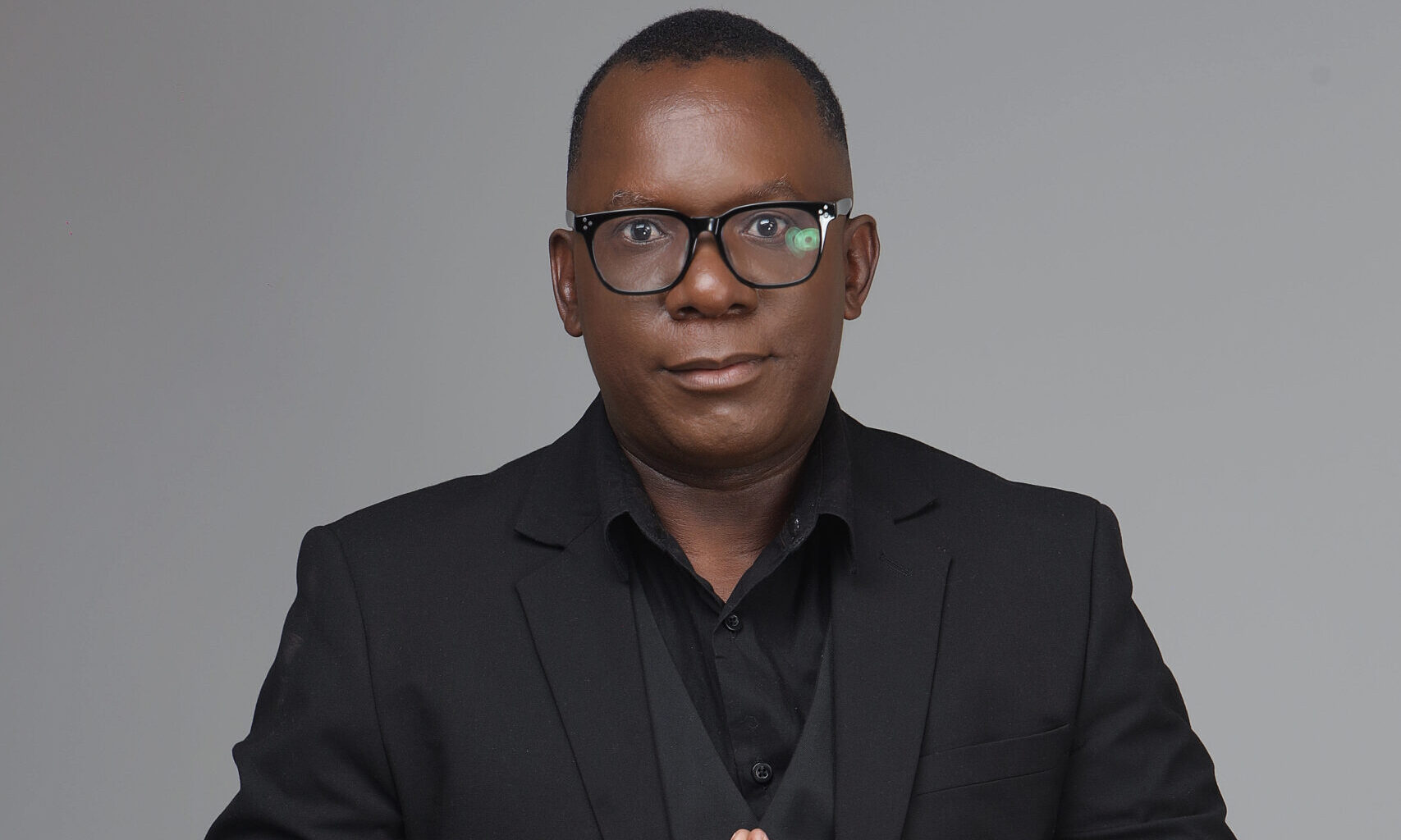
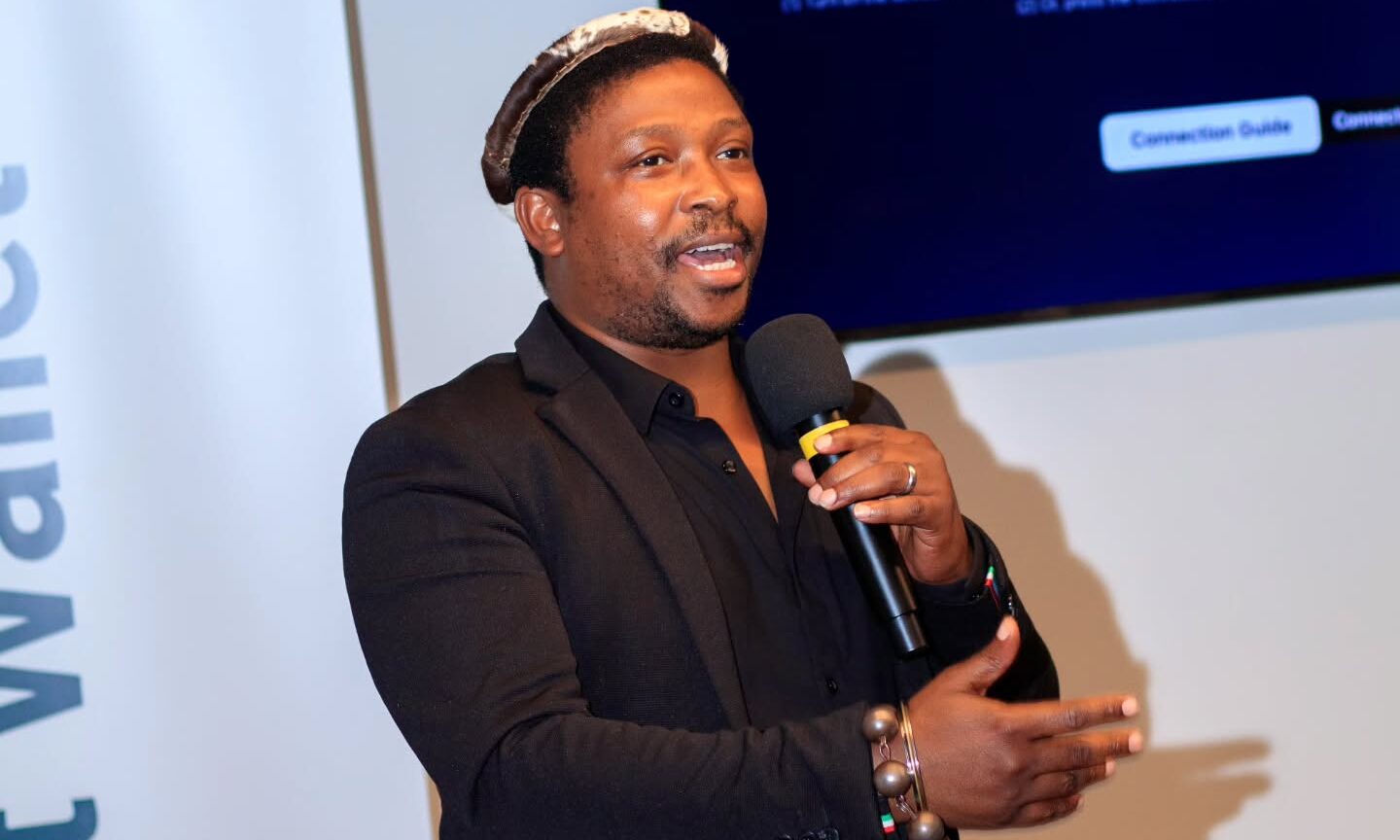
Mpho Molikeng is a multifaceted artist from Lesotho who has built a distinguished career as a curator, musician, actor, cultural activist, and entrepreneur.

Molikeng’s artistic journey began with formal training in visual and dramatic arts, leading him into Johannesburg’s vibrant performance scene. Despite early struggles as a freelancer, he persevered and eventually joined Drum Café, where he honed his percussion skills. Eager to reconnect with his Basotho roots, he proved doubters wrong by mastering the lesiba, a rare traditional instrument, despite being told he was too old to learn it.
Molikeng would later play a role in revitalising carnival culture in South Africa, where he helped showcase Southern African musical artefacts.
And it’s his continued commitment to this cause that saw him serve as the curator of the Music In Africa Foundation’s indigenous musical instruments exhibition, which took place at the University of Johannesburg Gallery from 17 February to 14 March 2025.
The exhibition, which featured nearly 100 traditional African instruments, offered an immersive exploration of the continent’s diverse musical heritage. More than just a display, the event provided significant educational value, making it an essential experience for those interested in African music and the evolution of indigenous instruments over the centuries.
In the lead-up to the exhibition, Molikeng sat down with MUSIC IN AFRICA’S ANO SHUMBA to talk about the cultural significance of the event, the curation process, and the challenges of organising an exhibition of such scale.
MUSIC IN AFRICA: Can you walk us through the process of curating an exhibition like this?
MPHO MOLIKENG: Curating an exhibition of this nature requires a thoughtful and nuanced approach. Many of the musical instruments on display hold significant cultural and emotional value, and their meanings can vary greatly from person to person. As a curator, it’s essential to strike a balance between showcasing the diversity of African musical heritage and exercising artistic freedom. Ultimately, the goal is to create an exhibition that makes Africans feel seen, heard, and represented, while also providing a meaningful experience for all visitors.
What challenges did you face while putting this exhibition together?
Challenges are inevitable, and this project is no exception. One of the main hurdles is curating a collection of instruments that remain relevant in an era dominated by computer-generated music. Another challenge is time management; we often underestimate the time required to complete a task, only to find ourselves racing against the clock.
What story or message do you want visitors to take away from this exhibition?
Two of the key takeaways that I hope audiences will leave with after experiencing this exhibition are: firstly, that Africa is a continent of immense cultural richness and diversity; and secondly, that music is an integral part of African identity and being. It is not just a form of entertainment, as it is often perceived, but an essential aspect of who we are, deeply ingrained in our culture and traditions.
Why do you think this initiative is important?
It’s essential to reconnect people with their cultural roots and music, particularly through musical instruments which serve as a vital link to our heritage. These instruments are a precious part of our cultural identity, and it’s crucial that we preserve and protect them for future generations.
If you could only showcase five instruments in this exhibition, which ones would you choose and why? What would be your top five instruments and why?
Selecting just five instruments for an exhibition is a daunting task, akin to asking a parent to choose their favourite child. It’s an impossible decision. However, if I had to narrow it down, I would start with the lesiba. This instrument holds a special place in my heart, as it’s the reason I dedicated myself to preserving African instruments rather than pursuing a career in science or acting. The lesiba is a unique instrument with melodies that are soothing and therapeutic. I would also include the grinding stone, known as ts’iloana or leloala, which may not be a conventional musical instrument, but played a vital role in our cultural heritage. For generations, women used these stones to grind grain, singing songs that passed down traditions and stories. The introduction of milling companies may have increased efficiency, but it also diminished the creative expression of our women. The mbira family of instruments holds a spiritual significance for me, evoking emotions that elevate my soul. And, of course, drums are essential, as they have the power to centre our emotions, to uplift or overwhelm us. Each of these instruments offers a unique perspective on our rich cultural heritage.
Were there any instruments you wanted to include but couldn’t?
Ideally, I would love to showcase all of Africa’s instruments, representing every corner of the continent. Southern Africa alone boasts over a thousand instruments, each serving a unique purpose. However, it’s a daunting task to collect them all, as some have sadly become extinct due to various factors. My dream collection would feature a diverse range of instruments, including those traditionally played by children, women, and men. The rarest and most unusual instruments would be particularly cherished additions to the collection.
Which other instruments would you add if you had more space or resources?
There are a few visionary Africans who continue to reinvent and reimagine traditional instruments. One such innovator is a visual artist from Limpopo who transforms everyday objects, including aeroplanes, into extraordinary drums. His work is truly exceptional, although it comes with a hefty price tag.
I would also be honoured to feature personal instruments belonging to legendary musicians such as Stella Chiweshe, Madosini, and the late Ali Farka Touré. Showcasing these instruments would be a testament to the rich cultural heritage of African music and a tribute to the pioneers who paved the way for future generations.
How did you decide which instruments should be featured?
When curating this exhibition, three key factors come into play: availability, relevance, and most crucially, the exhibition’s unique identity and culture. To stand out from other exhibitions featuring African musical instruments that can be found worldwide, our show must offer a distinct perspective and experience that sets it apart.
Are there any unique or rare instruments in this collection? And why are they unique?
Among the many fascinating instruments on display, I have a special affinity for the Namibian singing rocks, the grinding stone (ts'iloana/leloala), and the earth bow. What draws me to these instruments is that they defy conventional notions of what constitutes a musical instrument, showcasing the creativity and resourcefulness of African musical traditions.
How do these traditional instruments reflect African culture and heritage?
These instruments are a testament to human ingenuity, demonstrating how people have worked in harmony with nature to achieve extraordinary results using simple, yet effective methods. This synergy is rooted in a deep understanding and appreciation of the natural world and our place within it.
How else can Africans preserve and promote their instruments?
Our approach begins with exposure, followed by thorough documentation. Most crucially, we must educate our children about these precious instruments from a young age. By passing on this knowledge and appreciation to future generations, we can ensure the long-term preservation and celebration of these cultural treasures.
Which two songs make you proud because of the way they use African instruments?
Notable musicians have showcased the beauty of traditional African instruments in their work. For instance, ‘Thaba Bosiu’ by Hot “Stix” Mabuse skilfully incorporates the lesiba into one of his tracks. Salif Keita’s live album, which features Malian indigenous musical instruments, is also a standout for me. Additionally, bro Pops Mohamed’s ‘Ancestral Calling’ is another exceptional example of traditional instruments being used to create powerful music.


Most popular
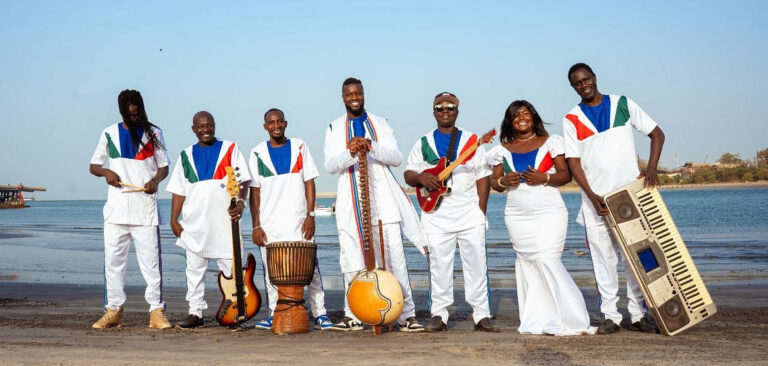
Gambia: Suntou Susso announce UK tour for ‘The Path of a Griot’
09 Oct 2026

Top amapiano songs of 2026
16 Feb 2026

Top Afrobeats songs of 2026
19 Mar 2026
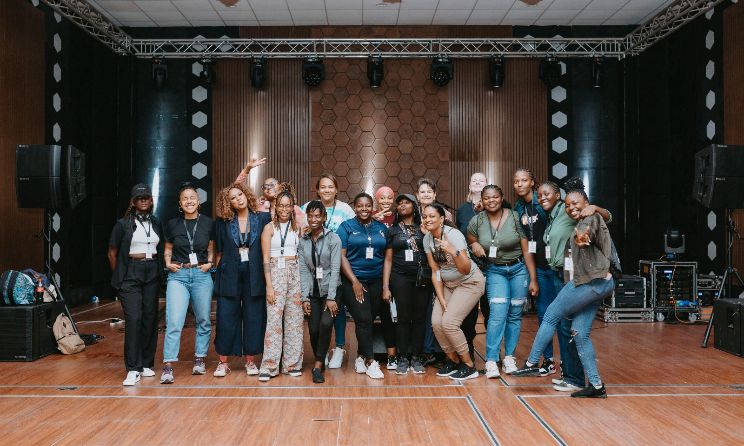
Open call: 2026 Gender@Work music industry training in Johannesburg
09 Oct 2026

Top Naija songs of 2026
31 Mar 2026

Call for applications: ACCES 2026 Emerging Artist Spotlight Competition
01 Oct 2026
Disclaimer: Music In Africa provides a platform for musicians and contributors to embed music and videos solely for promotional purposes. If any track or video embedded on this platform violates any copyrights please inform us immediately and we will take it down. Please read our Terms of Use for more.

Subscribe to our monthly Newsletter
Follow us on social media


Please log in to post a comment.