

























































By Melissa Waltz
Independent musicians across the African music scene – in places like South Africa, Kenya, Nigeria, Zimbabwe, Tanzania, Ghana and more – do not always understand the legalities that go along with producing and owning their music. The legal aspects within the African music industry, like anywhere else in the world, can be challenging to understand. In fact, such complexities often induce anxiety in independent musicians, particularly when they are unsure of the consequences when signing with labels or distribution services.
Knowing your rights as an independent artist is crucial in helping you collect the right amount of money owed to you for your original work. Music licensing, which goes hand in hand with copyrighting music, can also feel like a highly complex process.
Many questions arise when producing music that gets licensed commercially: What type of licences are there? What does each one mean? What are the benefits of licensing music? With ever-growing digitisation and risk of losing your rights to your music, it is more important than ever to understand the value of copyright and how music licensing works.
As an African musician who creates original tracks, you should have insight and understanding when it comes to copyright and music licensing options. In this article, I break down the aspects of owning music, how to go about licensing your original music, what types of opportunities exist for you, and why you should consider music licensing for your copyrighted works.
What is a music copyright?
A music copyright is the author’s right to property of their work. There is recognition of ownership of the work, respect for the integrity of the work, and the author has exclusive rights to the use of their work in any capacity. The rights include any performance or reproduction of that music, so that they are adequately compensated.
Copyright laws protect your original musical with two separate and distinct creations. The first is the musical work, or the composition (melody and lyrics), and the second is the sound recordings or the final mix and master of that musical composition. The musical track’s particular version could be on any recording medium, including WAV/MP3, vinyl album, disc, etc.
What is music licensing?
Suppose anyone other than the original author or publisher of the music wants to use a copyrighted work in a particular way. In that case, they are required by law to seek permission from the copyright holder and obtain the licences required to do so. A music licence permits the third party to exploit the copyrighted music in exchange for some type of compensation (usually a fee). Typically, a producer, music supervisor, or other creative will want to use the original music for a project, be it an advertisement or in the background of a feature film.
Some licences are negotiated between the copyright holder or independent musician (‘author’) and a third party. This is known as ‘voluntary licensing‘. Other permits are provided by copyright laws in various countries, which is when the licensing party can use the music without negotiated permission, which is more commonly referred to as ‘compulsory licensing.’
What types of music licences are there?
There are some differences in the types of music licences that can be acquired. Below is a breakdown of the three major types:
Synchronisation licence
Also known as ‘sync’, this licence is for any producer or music supervisor who wants to use your song in a media format such as film, TV, ads, video games, movie trailers, etc. This kind of licensing has been known to yield big returns for music creators, especially when their musical works are picked up by big productions with big budgets.
Master licence
This works in tandem with the sync licence and permits the usage of a musical recording. For example, if the music is a cover of another song, the new master licence will reference the song’s new recording instead of the original version.
Mechanical licence
As an independent musician, you will need this if you want to record someone else’s music, such as doing a cover, so that the songwriters and composers will receive their fee if you decide to sell. The same goes if someone wants to make a separate version of your original musical work.
When planning to licence your music, you should register your music with a collective management organisation (CMO). These organisations are there to secure your copyrighted works and collect performance royalties that are owed to you as an author or independent musician who created the original track.
Another critical factor you should keep in mind when licensing original work is that your recording should be the master recording, as in, the final production of the music.
How do payments work when you licence your music?
The way that the fee structure works for licensing is broken down as follows:
Exclusive licence
With this type of licence, you are not paid a straight fee upfront. However, you share the rights to a pre-recorded song or track with a publishing company, and you keep all of your author’s share of the royalties paid. In some cases, the publishing company may want to rename your track’s title so that it can claim the money, but this still allows you to preserve the rights for the original master.
Partial buyout
This allows you, the author, to receive an upfront fee to create a specific track or song, and then a percentage of the sync fee as well, and also all of the writer’s share from the CMO. ‘Writer’ refers to anyone who contributed to the lyrics or melody (typically, you), and the ‘author’ is anyone that might own the music copyright for the recording (also you, the musician).
Non-exclusive licence
With a non-exclusive licence, you permit the use of your music but can shop that same music around in other locations. In other words, it is not limited to just one sole use for the same music. The time constraint of these deals is a maximum of about five years. When your music is used, you set an agreed amount for the publisher to obtain, and you will still retain all of the writer’s share.
The benefits of copyright and licensing original music
Independent musicians are always performing and working hard the get more visibility and exposure for their music and brand. If you copyright and allow distribution of original works through licensing, you have the benefit of significantly expanding your network.
Possessing the musical education and knowledge of copyrights and licensing can help you make the best decision for your original musical compositions. Independent African musicians can establish strong careers by creating relationships with producers, music supervisors and film directors who may want to utilise their talent for various projects. As a result, your music can be heard by the masses and in turn help to grow your following and fan base.


Most popular

Top amapiano songs of 2026
16 Feb 2026

Top Afrobeats songs of 2026
19 Mar 2026

Top Naija songs of 2026
31 Mar 2026
Open call: 2026 Gender@Work music industry training in Johannesburg
09 Oct 2026
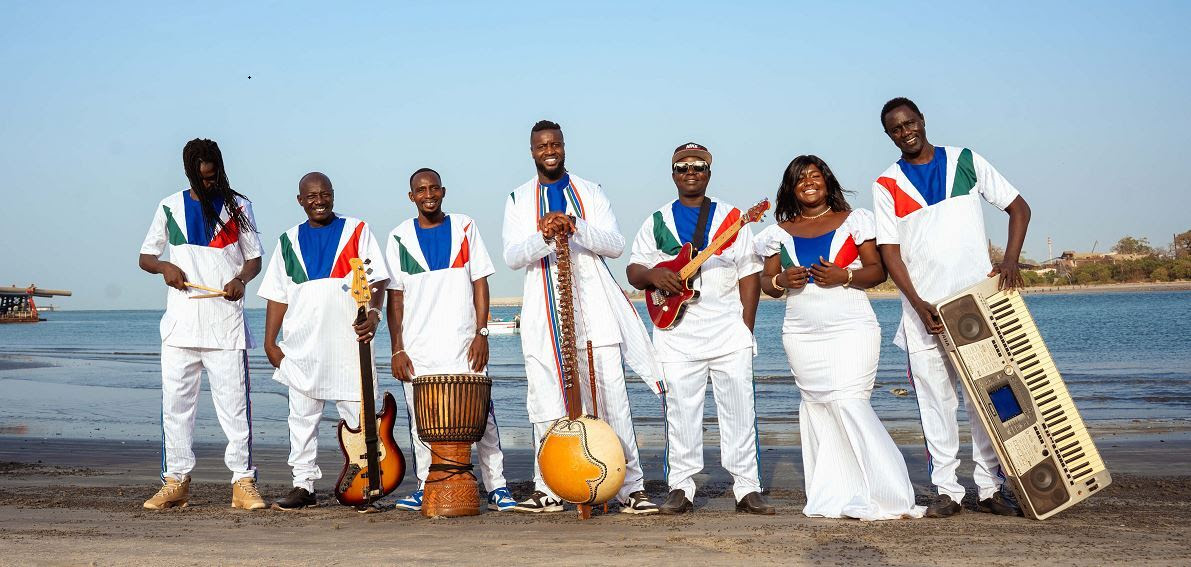
Gambia: Suntou Susso announce UK tour for ‘The Path of a Griot’
09 Oct 2026

R&B collective Both Worlds targets SA market
16 Oct 2026
Disclaimer: Music In Africa provides a platform for musicians and contributors to embed music and videos solely for promotional purposes. If any track or video embedded on this platform violates any copyrights please inform us immediately and we will take it down. Please read our Terms of Use for more.

Subscribe to our monthly Newsletter
Follow us on social media


Please log in to post a comment.