




























































Not so hot: Classical music in SA suffers another blow with Classic FM revamp

08 Jun 2021 - 13:27


Some players in South Africa’s classical music scene are up in arms over last week’s announcement that Classic FM 102.7 will be relegated to a lower-audience evening slot when the station rebrands to Hot 1027 from 1 July.
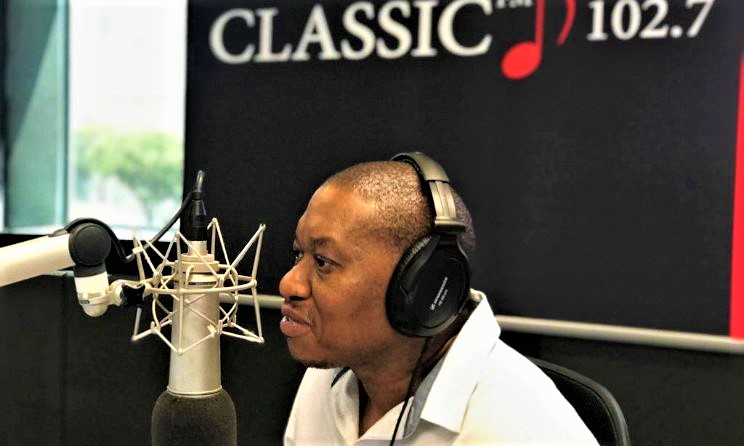
The news comes after the Independent Communications Authority of South Africa recently gave the thumbs up to new ownership and music format for Classic FM, which has been grappling with financial challenges for years. The Johannesburg-based commercial radio station is a long-established brand dedicated to classical music and its promotion in the country since 1997.
Hot 1027 managing director Lloyd Madurai has offered a positive perspective on the station’s restructuring, but for fans and classical musicians alike, the development spells doom for the future of a genre in a country where musical diversity isn’t exactly thriving on the airwaves. “Listeners were frustrated with the limited signal reach and advertisers wanted us to increase Hot’s geographical coverage to make the station a more attractive advertising prospect,” Madurai said without hiding the fact that the move is based on pure commercial reasoning.
The change will see Hot 1027’s broadcast footprint expand to cover the entire greater Johannesburg area, from the East Rand to the West Rand and southern suburbs. The rebranded station will play commercial music during the day to attract a new demographic, with classical making an appearance on the 102.7 FM frequency from 7pm to 5am. Fans who don’t work the graveyard shift, and who can afford it, will be able to listen to their usual classical fix on DStv audio channel 857 and online streaming platforms 24 hours a day.
Classic FM general manager Lance Rothschild says the decision to change things up is based on the station’s inability to sustain itself financially due to low listenership and a lack of advertisers. “We have to be mindful of the commercial realities of our business environment,” he said. “By moving to a streaming service, aficionados will still be able to listen to the music, just through an alternative delivery method.”
Classical doldrums
In September 2019, Classic FM was placed into business rescue where extreme cost-cutting measures, including the reduction of crippling overheads, were enforced, resulting in a portion of the station’s staff complement being retrenched. At the time, the station’s board of directors believed that it would remain on air.
The decline of classical music in South Africa has been an unavoidable journey that can be most accurately traced back to 2000 when the National Symphony Orchestra (NSO) was made redundant due to lack of funding. In the same year, some commentators suggested that the post-apartheid government’s lacklustre support for classical music was a consequence of its emphasis on popular black culture over white or Western elitist music. The NSO’s deficiency of black musicians made it look like the orchestra was not representative of the new democratic values that the government was cultivating and so it was culled.
This sweeping generalisation of an entire musical culture that is now practised on a global scale by people of all races and cultural backgrounds has made it difficult for young musicians and university graduates in South Africa to work in classical music on home soil; whereas classical music is offered at some of South Africa’s biggest universities, those who graduate cannot rely on a national symphony orchestra to find employment. This is something that is virtually unheard of in most countries that pride themselves on rich cultural heritage.
“The Classic FM development is yet another example of the lack of support for classical music in South Africa,” classical concert organiser Joanne Jaques says. “This content change and approach to the situation at Classic FM is great sadness for me. I studied classical music since childhood and my life led me to working in the classical music environment. We have many opera stars and concert musicians who are successfully performing on international stages around the world, and the slow disappearance of stations like Classic FM will no doubt have a negative effect on local support and commitment to our performing artists.”
She adds: “Classical music is not, as many think, a stuffy, outdated music genre, but instead it should be seen as an agent for development and social change. The structures that are in place around classical music, like an orchestra setting and the environment, bring not only musical enjoyment but are an active lesson in teamwork, commitment and the success and joy that comes from a group vision and goal in producing music together. The disappearance of classical music radio stations, financial support and full-time employed orchestras is something that we as a society will only feel the effect of in the years to come.”
Impact on the classical scene
Radio 2000 listeners of the late 2000s will be familiar with the consequences of hollowing out a station for politico-commercial purposes. When the SABC-owned station rebranded and changed its music format in 2008, ahead of the 2010 FIFA World Cup, it stopped playing a host of alternative genres like progressive rock and experimental jazz. Hosts and DJs such as Michelle Constant, Benjy Mudie and Barney Simon, who played an important role in promoting emerging alternative musicians in South Africa, were sacked in favour of equalised, mainstream programming that took away the station’s signature offering. In a similar way, the Classic FM revamp will further sideline classical music and those who have a strong attachment to it, whether as fans or music professionals.
Orchestral percussionist and marimba specialist Magdalena de Vries feels the revamp ridicules classical musicians and will make it harder to earn a living, as the station was a vehicle that drove many of her album sales.
“The message that this sends out is that classical music is not good enough, not hip enough and is only for old people who listen to the radio at night while the young ones go out partying,” she said. “In short, this makes me super angry and it affects our profession and livelihood. I may not receive royalties, but I can assure you that I have sold lots of my CDs because people heard a track on Classic 102.7.”
Others view the change in a positive light, and argue that although the station’s demise may be depressing, it is necessary when considering the local context.
“I think it‘s indicative of a broader shift in how things are happening in South Africa,” contemporary classical composer and pianist Clare Loveday says. “Classical music is a small component of the South African cultural scene. The traditional model of European music is just not feasible here. We just have to think a little bit more creatively about how we are going to do it. For example, Kutlwano Masote is now going to have a programme on SAfm, so it is not like classical music on radio is going to disappear altogether – it’s just going to take on a slightly different format. It means the landscape is changing. It’s a bad thing we are losing something, but it presents great opportunities.“
Concert pianist Jill Richards disagrees: “I think it’s a real nail in the coffin. This means there is only one classical station left in South Africa, Fine Music Radio in Cape Town. The classical music industry is not big in South Africa but it’s very much alive, and is vitally important for the foundation upon which Western music rests.”
Violinist Waldo Alexander, who works in classical music and alternative genres such as improvisational jazz and hard rock, has a completely different, perhaps cynical, take on the changes at Classic FM. For him, the radio station hasn’t been much to write home about, particularly due to its failure to give airtime to new classical composers on the scene as opposed to European composers of the general-knowledge variety.
“Classic FM has undergone numerous changes in their format over the past decade,” he said. “I know many people who have felt almost bereaved by not being able to listen to a station that used to provide diverse, interesting, informative and challenging content. The sector has been neglected for so many years now, and the station together with the DAC [Department of Arts and Culture] and NAC [National Arts Council] did so much to stifle the local scene years ago, that I wonder whether it’s possible to cause more harm. They, already from an early stage, opted not to provide a platform for most of what South Africa has to offer, particularly in terms of the enormous amount of culturally diverse contemporary classical music that has been produced over the last century.”
Additional reporting by Ano Shumba.


Most popular

Top Naija songs of 2026
31 Mar 2026

Top Afrobeats songs of 2026
19 Mar 2026

Ghana: Mr Eazi and MOLIY’s ‘Comfort’ earns Urban Music Awards nomination
21 Oct 2026

Top amapiano songs of 2026
16 Feb 2026

Open call: CANEX Music Business Lab and Songwriting Camp
15 Oct 2026

Nigeria: CANEX WKND unveils 2026 programme
21 Oct 2026
Disclaimer: Music In Africa provides a platform for musicians and contributors to embed music and videos solely for promotional purposes. If any track or video embedded on this platform violates any copyrights please inform us immediately and we will take it down. Please read our Terms of Use for more.

Subscribe to our monthly Newsletter
Follow us on social media


Please log in to post a comment.