


























































UK streaming inquiry: BPI head blames YouTube for low artist payouts
16 Feb 2021 - 09:26


The fifth sitting of the UK’s parliamentary inquiry into the economics of music streaming took place last week. It featured three sessions with various music bodies representing the UK music industry, and was the first to involve streaming services Twitch, SoundCloud and YouTube.
The first session kicked off with a debate on whether a stream should be treated as a sale for the purposes of royalty payouts. British Phonographic Industry (BPI) head Geoff Taylor said: “It’s not necessarily always helpful to take older concepts and to try to apply them to streaming. A stream is a stream.” He added that music streaming tallies could not be equated to traditional sales. “More artists are benefiting, but because there are a lot more artists in the business, obviously there are some artists who are not generating enough streams for that to provide a living on its own”. About 1 800 British artists are now getting more than 10 million streams a year, according to a BPI report released in January.
Another issue that was discussed was labels’ share of the streaming pie compared to that of publishers. Publishers get about 15% of streaming royalties, while labels get more than 55%. The chairman of the Music Publishers Association, Roberto Neri, said the current share was relatively decent if compared to the rate in the past decade. “We’ve moved up in the right direction. Equally, my understanding is that in more recent negotiations, the label share has actually come down slightly as we’re moving up,” Neri said.
There were also calls for YouTube to start paying more to artists. The platform was accused for being, in part, one of the reasons that music streaming services in the UK have been unable to raise their basic subscription fees beyond £9.99 (about $14) a month. “I wouldn’t call them [YouTube] a platform,” Taylor said. “They’re a music service – 450 of the top 500 most viewed videos are music-related. It is not fair. We would like them to push their prices up, but they can’t when YouTube is such a mammoth offering and almost the default for the consumer to go to. We really want the government to look hard at this.”
In the second session, songwriters body the Ivors Academy’s CEO, Graham Davies, disagreed with Neri’s view that publishers were taking a decent cut of the streaming pie. “They have taken on a lot of the marketing and promotion activities that once were the domain of the record labels,” he said.
The general secretary of the Musicians’ Union, Horace Trubridge, also said that streams should not be treated like sales: “It’s not a sale, it never was a sale – it’s a communication to the public. It’s like modern radio, basically.” He also mirrored Davies’ thoughts about YouTube: “It’s kind of difficult to give 100% support when we know that money, most of it, will be going to the rights owners and not to artists and writers”.
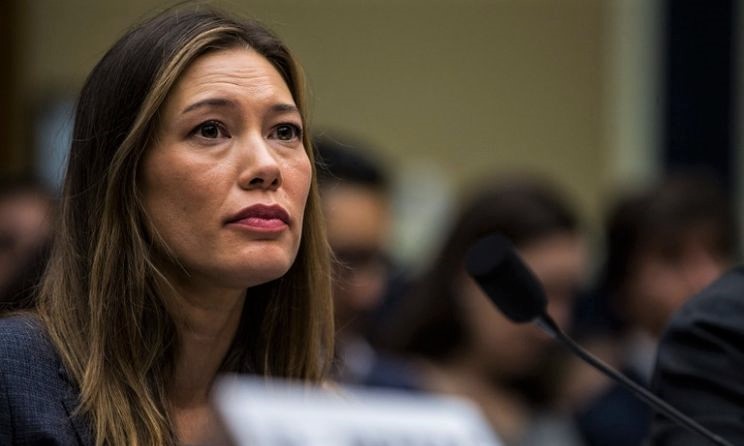
Next up, representatives from YouTube, SoundCloud and Twitch received questions from the committee members. Twitch’s general counsel, Steve Bené, remained silent for much of the sitting, with most questions being directed towards YouTube director of government affairs and public policy Katherine Oyama and SoundCloud’s vice-president for content partnerships, Raoul Chatterjee.
From the start of the third session, Oyama was pushed for answers on transparency, the value gap and safe harbour – a legal protection granted to internet companies regarding users uploading content. “Safe harbours have really powered the user-generated content movement that we’re seeing,” she said. Oyama also denied that YouTube Music has low payout rates, pointing to the platform’s Music Premium subscription service. “All the analysis I’ve seen on payouts and breakdowns is that we are on a par with those other services, including Spotify,” she said.
The committee then asked Chatterjee about recent reports that SoundCloud was testing ways for fans to pay artists directly, including the possible implementation of a user-centric payout system. “It’s definitely an interesting area and as an artist-first platform we’re always looking for ways to make payouts to artists fairer. But the whole investigation into user-centric is a very detailed and complex investigation that needs to be taken,” he said.
The two tech executives were also asked what needed to happen for the streaming ecosystem to be improved for artists and songwriters. Oyama pointed the committee’s attention to unreliable or missing metadata. “The lack of a comprehensive database about ownership adds a lot of complexity. For a 90-second song, we are often having to divide that across maybe 14 different entities and rightsholders,” she said.
Oyama added that she was disappointed by an earlier statement by Taylor that the data did not suggest that YouTube could be the music industry’s biggest source of royalties by 2025. “Spotify, [according to] the last press release I saw for them for Q4 of last year, is that they’re sending 1 billion per quarter to all rightsholders. So music I’m sure is a significant portion, but also podcasts and others. If you just look at that data, we are close, and we absolutely want to get there,” she said.
Spotify, Apple Music and Amazon are expected to take part in the inquiry at a later stage.
Watch the UK Parliament session here.


Most popular
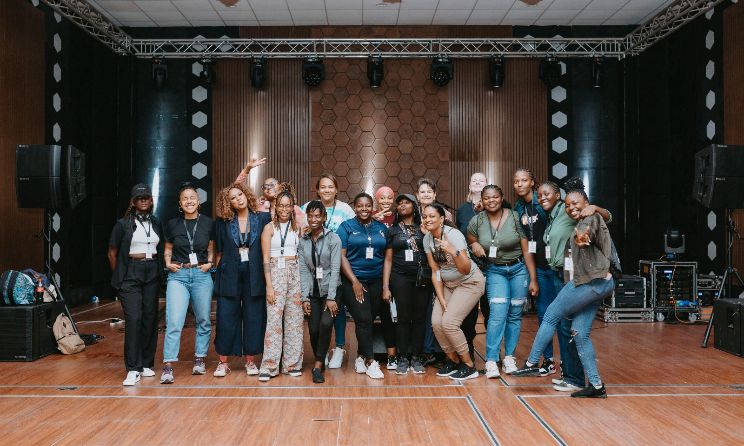
Open call: 2026 Gender@Work music industry training in Johannesburg
09 Oct 2026

Top amapiano songs of 2026
16 Feb 2026

Gambia: Suntou Susso announce UK tour for ‘The Path of a Griot’
09 Oct 2026

Top Afrobeats songs of 2026
19 Mar 2026

Call for applications: ACCES 2026 Emerging Artist Spotlight Competition
01 Oct 2026

Top Naija songs of 2026
31 Mar 2026
Disclaimer: Music In Africa provides a platform for musicians and contributors to embed music and videos solely for promotional purposes. If any track or video embedded on this platform violates any copyrights please inform us immediately and we will take it down. Please read our Terms of Use for more.

Subscribe to our monthly Newsletter
Follow us on social media


Please log in to post a comment.