





























































Valuable resources for studio sound engineers
14 Jun 2022 - 14:40

In the past 20 years, developments in modern technology have allowed for the creation of affordable high-quality recording and mixing equipment and software to become available to the masses. ‘Bedroom producer’ and ‘weekend warrior’ enthusiasts now have access to a plethora of tools and resources to become self-taught audio engineers in the comfort of their homes.
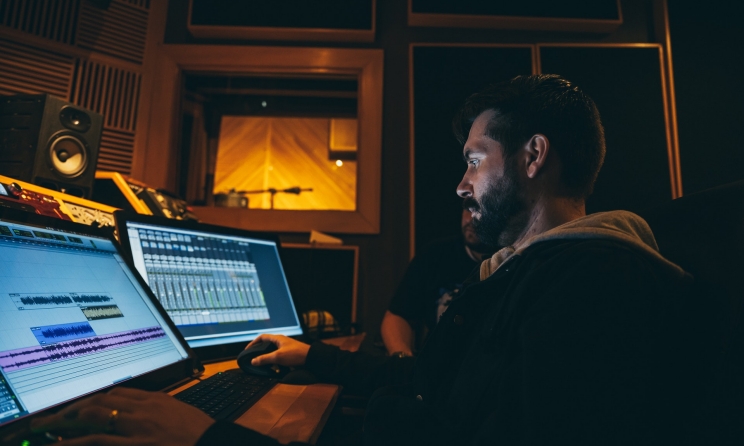
But affordable equipment and software only open the door to the journey of creating quality audio recordings, mixes and masters; education and experience are the key to success in the field. To be a sound engineer in the highly competitive music industry is to be the link between science and art, and to possess the ability to faithfully represent the artist’s emotiveness and artistic intention.
Let us start at the beginning of the production process.
Recording
Arguably the most important element of the production phase, capturing audio in the best way possible can be more complicated than it seems. You can place a microphone in front of a source, such as a singer or a guitar amp, push record and voila! You have just recorded something, but did you capture the sound and quality of the instrument or voice in such a way that it will be well represented once you have added drums, bass guitar and keyboards to the big picture?
Before you put up a microphone, you need to look at how to set your recording levels with the end result in mind. We call this ‘gain staging’ and this is explained in the below video from Justin Colletti at Sonic Scoop. This channel, much like the others that we explore in this article, offers tips and tricks for mixing and mastering as well as recording techniques, plugin reviews, equipment comparisons and interviews with top industry experts.
Okay, so now you know about gain staging and it’s time to record. Recording a vocalist pouring their hearts out involves more than just good microphone placement and level setting. There is also a certain amount of psychology involved in order to capture the best performance possible. If you are a sound engineer working alone with an artist, you are automatically upgraded to the position of producer. Suddenly you have to interact with a real human and not just the equipment.
Produce Like a Pro is an excellent channel that offers insight into the roles of a producer and all the aspects of sound engineering. It is hosted by Los Angeles-based Spitfire Studio owner Warren Huart, who won the 2019 NAMM TEC Award for Audio Education Technology for his Produce Like a Pro website.
In the below video from the Produce Like a Pro YouTube channel, we learn about how to get a good performance from an artist while capturing it in great sonic detail.
As you can see, recording something as ‘simple’ as a vocal can have many aspects to it, which require great attention.
When it comes to musical instruments, the drums and piano are arguably the most complicated to record. A drum kit is made up of many audio sources that need to be combined into one instrument. For this, we use different microphones placed in strategic positions to capture each individual source. These are combined together to create the sound of the drum kit into one big picture.
The same applies to the piano, and although the piano is technically just a single instrument, there are different types of iterations, such as a grand piano or an upright piano, which require different microphone placement considerations. Pianos will also feature in many different genres of music, such as pop, rock, classical and jazz – all of which require a unique approach to the recording process in order to get the applicable sound for that particular genre.
The below video demonstrates just some of the complexities and options involved in recording the drums and piano.
Mixing
When the recording phase is complete and the project has been edited and cleaned up, your production will proceed to the mixing stage. Mixing is one of the most time-consuming processes to learn. It can be a hit-and-miss scenario with many trips to the car or your friend’s house to listen to the mix and decide if what you were hearing in the studio is translating well to other playback devices.
One of the best tools available to combat the challenges of a less-than-perfect mixing environment is a software plugin called Sonarworks Sound ID. This is a calibration tool designed to provide you with a linear sound reproduction experience from either your studio speakers or your headphones. It will greatly improve your mixing ability and take a lot of the guesswork out of your environment. It also serves as an excellent tool for pure music enjoyment, as you can apply calibration files to countless models of headphones from many popular brands. Sonarworks has a fantastic blog replete with free e-books and many excellent resources to learn about mixing. The blog features buying guides for headphones that are tailored to your needs.
When mixing sound, we use a digital audio workstation (DAW) plus third-party plugins created by companies that specialise in tools that are used in conjunction within your DAW of choice. There are many DAWs on the market such as Cubase, Studio One, Ableton, Logic and FL Studio. Some DAWs, such as Ableton and FL Studio, are more focused on music production, while others are preferred for recording and mixing purposes. Regardless, all of them are equally capable in music production, from start to finish.
Some of the top plugin manufacturers include Waves, Plugin Alliance, iZotope and many others. These manufacturers offer a host of free educational content on their platforms. It’s a good idea to explore the channels provided by all the manufacturers and especially those whose products you own. Waves has been at the forefront of plugin development and has partnered with some of the industry's best-known mixing engineers, such as Chris Lord-Alge, Andrew Scheps and Dave Pensado, all of whom have mixed hit records in multiple genres.
Waves has a series of in-depth webinars and shorts on mixing everything from vocals to drums for jazz and hip hop and everything in between, so it’s best to go to the company’s channel and explore the content that is applicable to the genres that you are focused on.
Here is just one example of the available webinars:
There are many great mixing engineers out there who offer valuable content, but the ones you should follow are the Grammy winners who have worked in multiple genres. One of the first engineers to start offering educational content is Dave Pensado. His website, Pensados Place, has many great tips, techniques and interviews to make use of.
Mastering
They say a mix is never complete, only abandoned. But at some point, your mixes will need to go to the radio stations and streaming platforms while some will end up in music videos. At this point the music needs to be mastered.
Mastering is the process of taking the stereo mix of a song and adjusting the levels to that of a competitive nature. It’s also about balancing any overbearing frequencies that may make your music sound ‘boomy’, ‘boxy’ or ‘harsh’ when the levels are raised and the dynamic range is reduced. It may involve widening or narrowing the stereo image so that a good phase relationship is maintained for when the songs are played on mono listening devices such as tablets and cellphones. Mastering also entails finalising the running order and flow of the album. It is also necessary for inserting metadata – such as tracking codes, artist and album names, and artwork – into the files for digital delivery.
The mastering process has changed since the advent of streaming platforms, and in many ways has gone back to the basics due to the resurgence of vinyl pressing. Mastering engineers used to take on an entire album’s worth of work all at once but today they are frequently faced with mastering singles one at a time. Even when they work with singles, they need to be mindful of the big picture, as one day there may be a collection of all these singles in the form of an album. Maintaining consistency has become a big part of the challenge.
Mastering engineers are also faced with the new standards of loudness delivery specifications, as set out by the various streaming platforms. These are all different but have roughly similar values. The standards were created to ensure that playback levels from these platforms were consistent from song to song and artist to artist.
Some of the best known mastering engineers are Bob Katz (Digital Domain), Bernie Grundman and Bob Ludwig (Gateway Mastering). These guys have been in the game for so long, they have more Grammys than teeth!
Lately, I have also been enjoying the contributions of Ian Shepherd, who runs the Production Advice website and is the founder of Dynamic Range Day – an annual event raising awareness of the Loudness War. Shepherd has a fantastic podcast called The Mastering Show which is worth checking out, as he discusses much of the current mastering techniques and things to consider in the digital age, including the latest insights about Dolby Atmos and immersive music in general.
Another of my favourite content creators currently is White Sea Studio. He dives deep into audio plugins and offers reviews, comparisons and his general opinion, which is both hilarious and almost always spot on. His Snake Oil series of videos offer first-hand experience about the latest and greatest (and apparently not so greatest) plugins available. If you’re considering buying any new plugins, I suggest you head over to his channel and see if they are not in fact ‘snake oil’.
Additional resources
Below are additional resources packed with valuable information that may be helpful to you:
- Mic University: a plethora of information on microphones and how to use them – from Danish Pro Audio (DPA) Microphones.
- Mix Checks’s list of the most prolific mixing engineers.
- pureMix: an excellent resource for tutorials from top Grammy-winning engineers.
- MHB Productions: a direct link to seven-time Grammy-winning mix engineer Michael Brauer’s interview page.
- Creative Sound Lab: Ryan Earnhardt, a great all-round YouTube content creator.


Most popular

Top amapiano songs of 2026
16 Feb 2026

Top Afrobeats songs of 2026
19 Mar 2026

Top Naija songs of 2026
31 Mar 2026

Open call: 2026 Gender@Work music industry training in Johannesburg
09 Oct 2026

Gambia: Suntou Susso announce UK tour for ‘The Path of a Griot’
09 Oct 2026
R&B collective Both Worlds targets SA market
16 Oct 2026
Disclaimer: Music In Africa provides a platform for musicians and contributors to embed music and videos solely for promotional purposes. If any track or video embedded on this platform violates any copyrights please inform us immediately and we will take it down. Please read our Terms of Use for more.

Subscribe to our monthly Newsletter
Follow us on social media


Please log in to post a comment.