
























































What is sustainability in the music industries?

17 Oct 2022 - 16:31


The internationally recognised thinking around sustainability has become a very real need for business and all types of organisations. We can all relate to the well-known issue of global warming or environmental pollution from the disposal of plastics, but there are many more sustainability topics to be considered. I’ve been consulting in this space for about a year now, and doing what I do, I’ve been wondering about what sustainability would mean for the music industries.
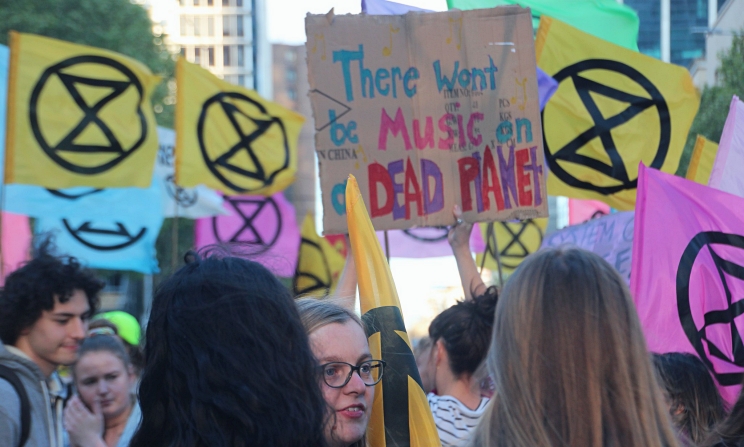
Essentially, sustainability management considers how an organisation may improve its performance while still generating value. How can organisations approach identifying stakeholders and learn which material topics are of interest to them while being accountable for the impact they make in addressing them?
In the past, we have talked about corporate social responsibility (CSR), but the latest encompassing term is environment, social and governance (ESG) to describe an investment back to the world. Material topics are those issues that need to be addressed because they may affect stakeholders negatively or positively.
It starts with understanding your business, and there are many common sustainability topics that can overlap for many businesses, even those in music. If we start with the hulking corporates, often incorporating the major record companies, we see that there are many business areas to consider. Looking at the sustainability report from Sony, we can see a vast amount of activities that the company is involved in, including financial services, gaming, imaging (VR and screens), entertainment, technology, music and pictures (film and series). Then you may have the individual musician, who may have little impact alone, except on their immediate environment and context.
The first step is to determine what material issues exist. Surprisingly, there are many different guides that companies adopt to examine their circumstances. A list of acronyms would include the AA1000 Principles, GRI Standards, SASB standards, ISO 26000 and SDGs. The AA1000 Principles, for example, use four key words to sum up the approach to sustainability: inclusivity, materiality, responsiveness and impact. So, firstly, you determine which stakeholders are affected by the business, then which topics are material to the business and then what response you can take to address these issues. Your impact when responding is really the key measurement of whether you are acting sustainably or not. Then, of course, comes the question of what are you going to do about it?
The major overarching areas that could be a source of ‘material topics’ would be environment, human rights, employees, governance, supply chains, quality, communities or ethics. Given these, which of these would you select as issues for the music industries?
Here are some I’ve come across through the organisations doing work in sustainability:
Let’s start with something called the Music Climate Pact established in December 2021. Started by the UK’s Association of Independent Music (AIM) and the British Phonographic Industry (BPI), the pact highlights the climate crisis and the role of the global music sector. The material topics the pact draws attention to are: “Reduce greenhouse gas emissions, mitigate our contribution to global climate change and ignite broader societal action on the climate crisis.” It calls on music-related businesses to reduce carbon emissions in accordance with UN targets, ideally to a net-zero carbon footprint. The initiative is similar to Playing for the Planet, established for the video gaming sector in 2019.
Concert company Live Nation, along with South African affiliate Big Concerts, both have sustainability charters, including the Green Nation Touring Program to enhance the sustainability of concert tours through planning, production, sourcing and community elements. Non-profit organisation Conservation Music began a journey from Cape Town through the SADC region – including South Africa, Lesotho, Zimbabwe, Zambia, eSwatini, Botswana and Tanzania – to spread information about the changing environment and climate change. Conservation Music did this by filming and writing music for all the areas it travelled through addressing drought, wildfires, deforestation, charcoal burning, erosion, poaching and overgrazing.
Sony Music started a talent development programme titled Positive Influence. Sony describes this as a talent and inclusion programme and is a gateway into the music industry for low-income communities. This type of programme would resonate with many South Africans, who have suffered from segregation and systematic exclusion from society. Similarly, the Creative Mentor Network is an international organisation that works to build diversity in the creative industries, including music. The network aims to address industry, educational and social inequalities through mentoring, recruitment and consultancy. The organisation Muzukidz, on the other hand, is a platform for children and families from underprivileged cultural and economic backgrounds to experience music performance. Women in Music (WIM) supports a group of diverse individuals in all facets of the music industries, including songwriters, musicians, executives, attorneys and studio personnel. WIM strives to achieve equity and inclusiveness for all in the music industries.
A highly topical and frightening subject of discussion is the inclusion of artificial intelligence (AI) in the music industries. All major music companies including Sony Music and Universal Music are looking to employ AI, and by doing so a major transformation is expected in music as we know it. But implications like the loss of job opportunities for musicians and whether humanity will need to continue making music is hard to quantify right now. In fact, AI may enable more than we can imagine – just like recordings displaced musicians on radio once upon a time. Regardless, AI raises issues of security, privacy, market changes and workplace restructuring. How might business ensure that it empowers music professionals rather than hurting them?
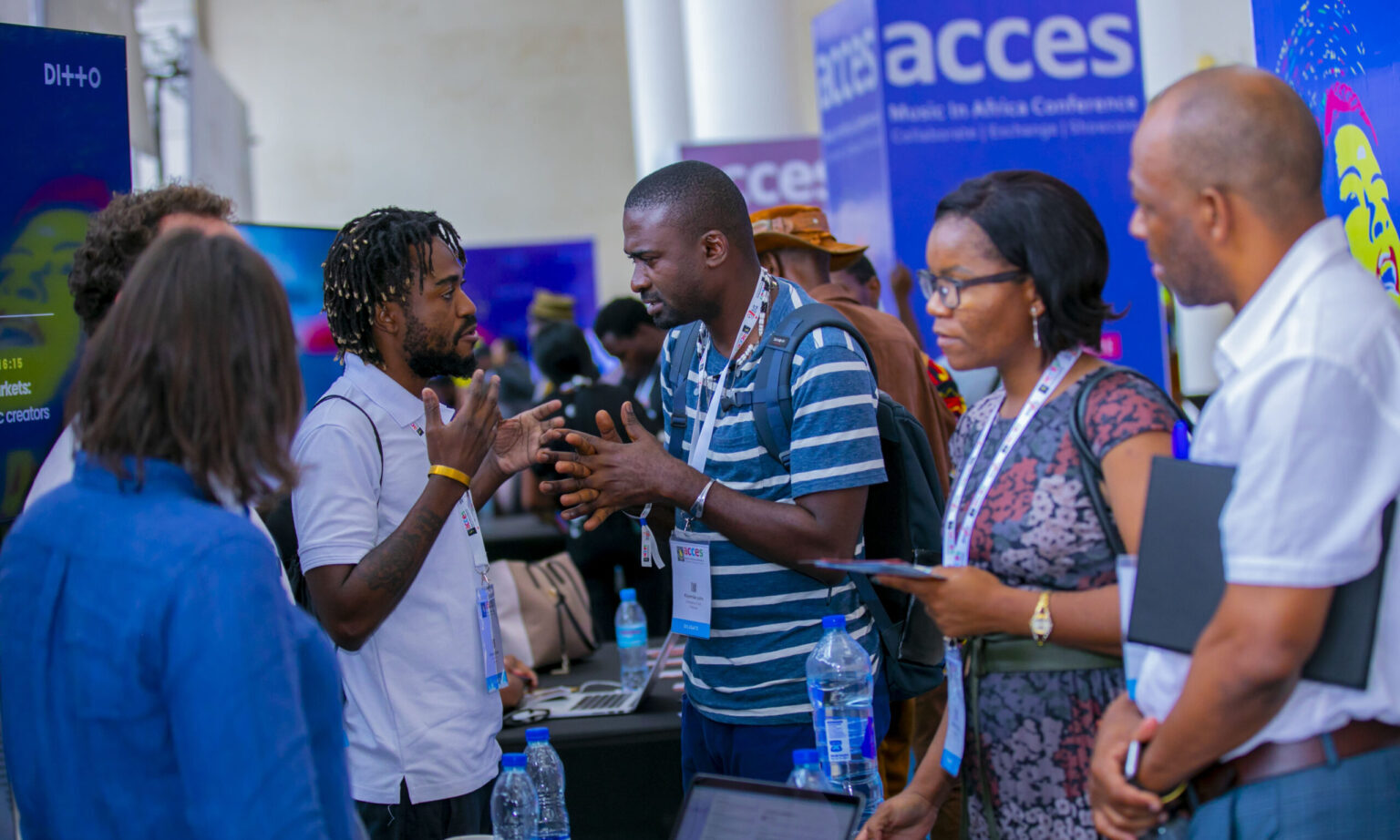
Lastly, let us discuss the preservation of culture, which is very much a cultural policy issue. For many in the music industries, there are no corporate companies to rely on to bring change to the challenges of sustainability. Music can have an inherently non-financial component when it comes to music development, but music can uplift social inclusivity and contribute to sustainability awareness and creativity development. The plight of musicians in general and the hard living they need to make has only been exacerbated by the COVID-19 pandemic and the closure of live music venues around the world. Sustainability issues within the cultural sector often revolve around developing musicians and including local music on the airwaves, and many look to government and non-profit organisations for support. Music In Africa is one great example of an NPO that provides free information and initiatives to uplift the making of music as a cultural force.
Should you have initiatives or suggestions about sustainability material topics for the music industries, I would love to read about them in the comments section below.
Jonathan G. Shaw is the lecturer of the Music Business Studies course at the Wits School of Arts in Johannesburg, South Africa, as well as a recognised music producer, audio engineer, policy expert and educational presenter. Shaw is the author of the book ‘The South African Music Business’, now in its third edition, and a PhD (Music) candidate at Wits University.
More reading:
- https://www.sony.com/en/SonyInfo/csr_report/
- https://www.musicclimatepact.com/
- https://unfccc.int/climate-action/race-to-zero-campaign
- https://www.livenationentertainment.com/2021/04/live-nation-announces-green-nation-touring-program-giving-artists-tools-to-reduce-the-environmental-impact-of-tours/
- https://playing4theplanet.org/
- https://ai.sony/
- https://www.creativementornetwork.org/
- https://www.earthday.org/conservation-music-takes-songs-through-africa/
- https://muzukidz.co.za/
- https://www.womeninmusic.org/southafrica
- https://www.mdpi.com/2071-1050/14/6/3568/pdf (AI)
- https://www.sdgfund.org/creative-industries-and-sustainable-development


Most popular

Top amapiano songs of 2026
16 Feb 2026

Top Afrobeats songs of 2026
19 Mar 2026
Open call: 2026 Gender@Work music industry training in Johannesburg
09 Oct 2026

Top Naija songs of 2026
31 Mar 2026

Gambia: Suntou Susso announce UK tour for ‘The Path of a Griot’
09 Oct 2026

R&B collective Both Worlds targets SA market
16 Oct 2026
Disclaimer: Music In Africa provides a platform for musicians and contributors to embed music and videos solely for promotional purposes. If any track or video embedded on this platform violates any copyrights please inform us immediately and we will take it down. Please read our Terms of Use for more.

Subscribe to our monthly Newsletter
Follow us on social media


Please log in to post a comment.