




















































Who owns Zimbabwe’s sound? How copyright can help musicians turn creativity into income

13 Apr 2026 - 10:40


A song can begin as a voice note recorded on a mobile phone, take shape in a bedroom studio in Harare and eventually find its way into a nightclub in Bulawayo, a radio station in Gweru or a streaming playlist in Johannesburg. For the musician who created it, however, the journey does not end when the song is released.

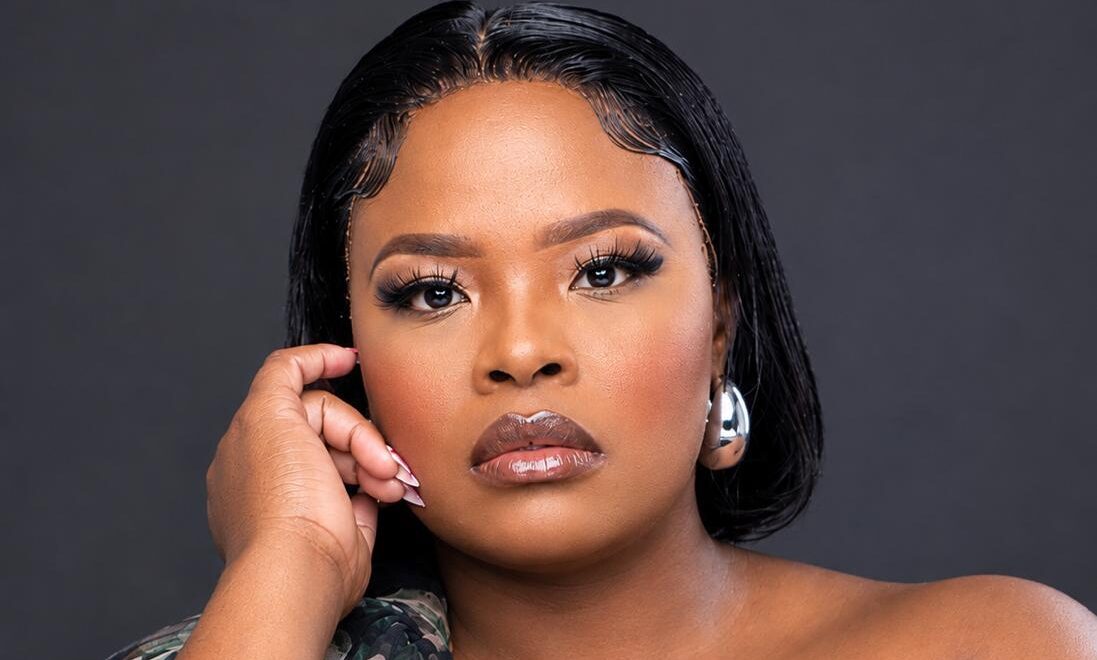
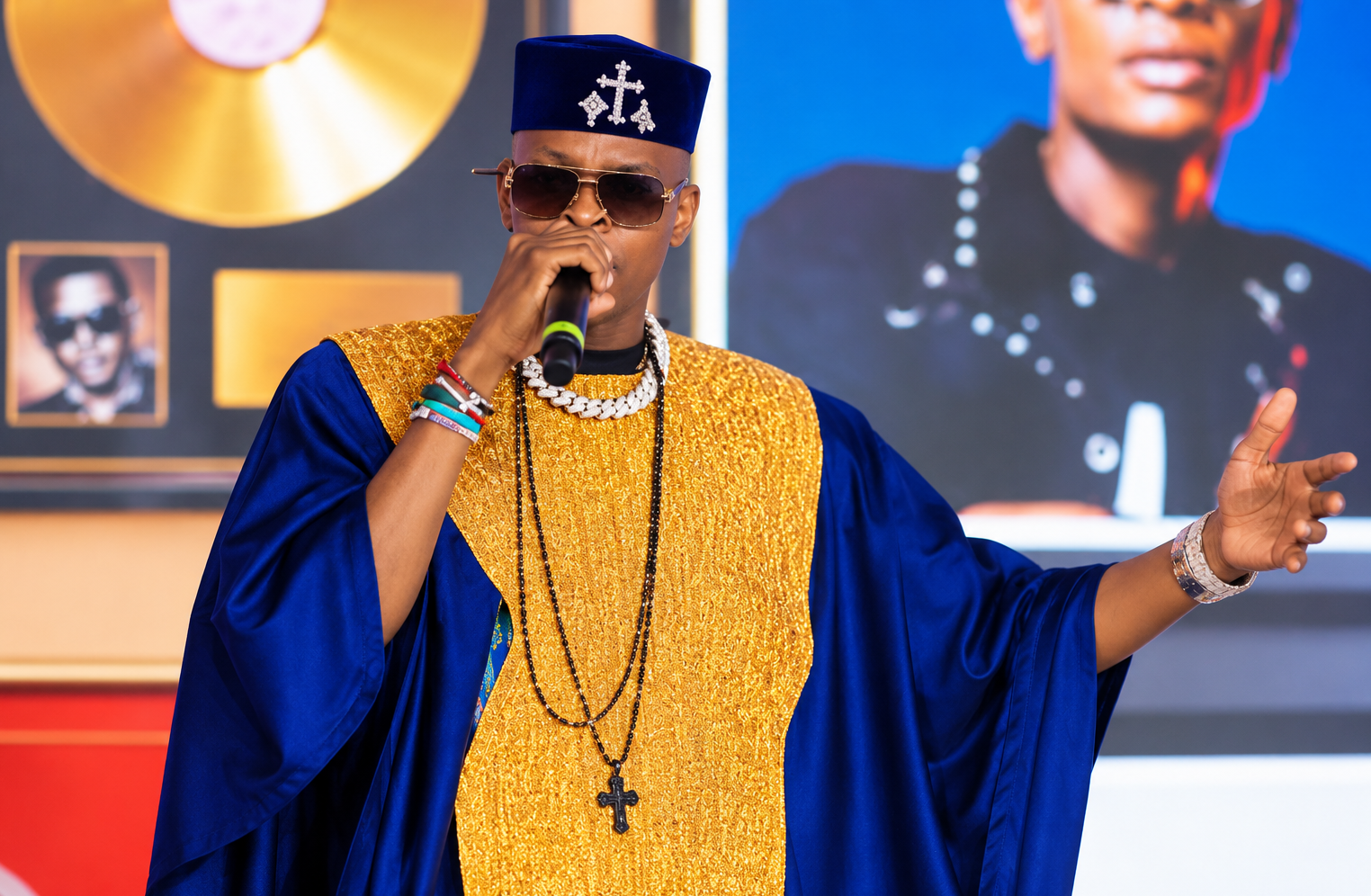
Nutty O. Photo: Abijah Makuluni
Every play, performance, broadcast, download, adaptation or commercial use can raise a more fundamental question: who owns the music, and who gets paid when it is used?
For Zimbabwe’s musicians, intellectual property (IP) is therefore not an abstract legal concept. It is closely connected to everyday working life and, when properly understood and managed, can turn creative output into a source of long-term income.
What exactly is copyright?
Copyright is one branch of intellectual property law that protects original creative works. In Zimbabwe, the Copyright and Neighbouring Rights Act recognises, among other works, musical compositions and sound recordings as eligible for copyright protection. Copyright gives rights holders control over certain uses of their work, including reproduction, publication, public performance, broadcasting and making music available on public computer networks.
For musicians, it is important to understand that a song and its recording are not necessarily the same intellectual property.
The musical work generally refers to the underlying composition – the melody, lyrics and musical arrangement – while the sound recording is the particular recorded version of that song. Different people can therefore hold different rights in the same piece of music.
Consider a hypothetical recording by a Zimbabwean singer-songwriter. The artist may have written the lyrics, a producer may have created the instrumental, another musician may have contributed to the composition, and a record company may have financed and released the final recording. Before signing away or transferring any rights, everyone involved needs to understand what they own and what they are agreeing to.
That distinction can become financially significant.
A song can earn money long after its release
Imagine a Zimbabwean musician releases a song that becomes popular on local radio. It is later played at a nightclub, performed by a live band, used at a public event and streamed by listeners overseas.
To the casual listener, these are simply different ways of enjoying the same song. To the rights holder, they represent different forms of use that can potentially generate revenue.
This is where collective management organisations become important. The Zimbabwe Music Rights Association (ZIMURA), established in 1982, represents composers, authors and publishers and administers certain music rights on behalf of creators. It operates within Zimbabwe's copyright framework and is affiliated with international rights organisations.
ZIMURA has also processed royalties from digital platforms. In November 2025, the organisation announced that it had completed the processing of royalties for musical works exploited on digital platforms, with the highest-earning member reportedly receiving $8 000.
The example illustrates a point that is easily overlooked in the streaming era: putting music online is not the same as fully monetising it.
A song needs to be correctly identified, attributed and connected to its rights holders if the people who created it are to benefit from its commercial use.
From radio to TikTok: IP is everywhere
Copyright is not limited to record shops, radio stations or albums.
Today, Zimbabwean music travels through WhatsApp, YouTube, TikTok, Facebook, Instagram, streaming services, DJs’ playlists and user-generated videos. A popular chorus can become the soundtrack to thousands of short-form videos within days.
That visibility can be valuable, but it also creates questions about ownership and authorisation.
Who wrote the song? Who owns the recording? Was a sample cleared? Did the producer receive the agreed share? Has the songwriter been properly credited? Can a brand use the recording in an advertisement? What happens when another artist performs the song publicly?
These questions become increasingly important as music becomes part of the wider digital economy.
A musician's IP can also extend beyond the recording itself. A stage name, logo, artwork, merchandise designs and other elements associated with an artist's brand can have commercial value and may involve different forms of IP protection.
The lesson is simple: the music business is also an intellectual property business.
Zimbabwe’s royalty challenge
Having legal rights does not automatically guarantee that a creator will receive meaningful income from them.
Zimbabwe's music industry has faced longstanding challenges around royalty collection, distribution and awareness. ZIMURA has previously explained that royalties are calculated according to declared works and reported uses, meaning accurate reporting and documentation are important to the process.
In 2025, ZIMURA announced a royalty distribution covering airplay reported by broadcasters including ZBC stations, Star FM, Diamond FM, Capitalk FM, Platinum FM, ZTN, Pachikomo FM and 3KTV.
The organisation has also faced calls for reforms. In April 2026, ZIMURA chairperson Alexio Gwenzi said the organisation was working on a strategic roadmap aimed at improving revenue collection and distribution for music composers, amid concerns about low royalty earnings and structural challenges in the sector.
For musicians, this makes IP education just as important as musical talent.
An artist who does not understand copyright may sign away valuable rights, fail to register or declare works correctly, overlook royalties or allow others to commercially exploit their music without appropriate agreements.
The contract before the applause
For many musicians, some of the most consequential IP decisions happen before a song becomes successful.
A producer offers to record a song. A promoter wants to use it for an event. A brand wants it for an advertising campaign. A label offers a recording deal. A fellow musician proposes a collaboration.
The excitement of the opportunity can make the paperwork seem secondary.
It should not.
Artists need to understand what rights they are licensing, for how long, in which territories and for what forms of use. They should also establish how revenue will be divided and who owns the resulting recording.
ZIMURA has previously said that it assists artists in understanding contracts involving publishers, venue owners and promoters.
For emerging musicians, seeking professional advice before signing a major agreement can therefore be an investment rather than an expense.
Zimbabwean music has an asset hiding in plain sight
Zimbabwe has no shortage of commercially valuable musical heritage. Sungura, mbira, chimurenga, gospel, Zim dancehall, hip hop and newer hybrid sounds have created catalogues that can continue generating cultural and economic value long after their initial release.
Artists such as Jah Prayzah and Winky D demonstrate how Zimbabwean musical identities can build strong audiences around distinctive sounds and cultural narratives. But the broader question is whether the industry can build systems that allow creators, producers, publishers and their successors to benefit from the value generated by those works.
This matters particularly as the global music economy becomes increasingly digital.
A song can now reach listeners in Lagos, London, Johannesburg or New York without a physical distribution network. That creates opportunities for Zimbabwean artists, but it also makes rights management more complex. International platforms, licensing agreements and cross-border uses require accurate ownership information and proper documentation.
AI is creating another IP question
The rise of generative artificial intelligence has added another layer to the copyright conversation.
AI tools can now generate music, imitate styles and assist with songwriting and production. This raises difficult questions about whose work may have been used to develop AI systems and who should benefit when technology generates commercially valuable music.
For Zimbabwean musicians, the debate is not distant. As AI-generated music becomes easier to create and distribute, local artists will increasingly need to understand how their recordings, compositions, voices and identities can be used online.
The fundamental question remains familiar: who owns the creative work, and who has permission to use it?
From creativity to an asset
Perhaps the most important shift is to stop thinking of copyright as paperwork that follows creativity and start seeing it as part of the creative product itself.
A musician spends months writing, recording, rehearsing and promoting a song. The finished recording may last three or four minutes, but its economic life can extend for decades.
Copyright gives that work a legal identity. Good contracts establish who controls it. Proper registration and documentation make ownership easier to establish. Collective management can help administer certain uses and collect royalties. Digital rights management can help track where recordings appear online.
None of these mechanisms guarantees commercial success. But together, they can help creators protect the economic value of their work.
For Zimbabwe’s musicians, the challenge is therefore not simply to create music that people want to hear. It is to understand what happens to that music once people start listening.
The next generation of Zimbabwean artists may have unprecedented access to global audiences. Turning that access into sustainable livelihoods will depend, in part, on whether they understand that their songs are more than entertainment.


Most popular

Top amapiano songs of 2026
16 Feb 2026

Top Afrobeats songs of 2026
19 Mar 2026

Top Naija songs of 2026
31 Mar 2026
Open call: 2026 Gender@Work music industry training in Johannesburg
09 Oct 2026

Open call: AFRIMA 2027 in Nigeria
12 Oct 2026

ACCES unveils stellar programme for 2026 edition
17 Oct 2026
Disclaimer: Music In Africa provides a platform for musicians and contributors to embed music and videos solely for promotional purposes. If any track or video embedded on this platform violates any copyrights please inform us immediately and we will take it down. Please read our Terms of Use for more.

Subscribe to our monthly Newsletter
Follow us on social media


Please log in to post a comment.