












































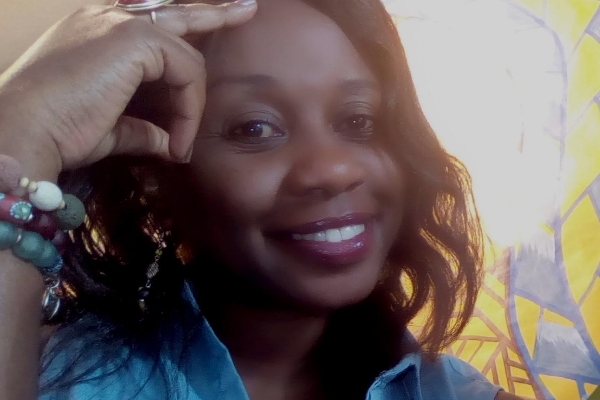


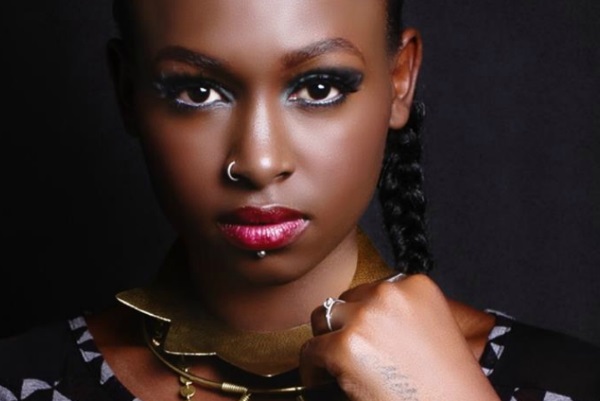
It wasn’t an April Fools Day prank when Gloria Mecheo, aka Xtatic, announced the end of her marriage to Sony Music Entertainment Africa on 1 April. She had indeed completed her five-year recording deal, and her fans heaved a sigh of relief, as did she.
“It's been real. It's been what it was, It's been a heck of a ride but made it alive ... oh yeah and it's been five years as, I guess, it was supposed to be. Thank you for the lessons, contribution (however big or small, great or bad) to my artist life, and everything else…” she wrote on her Facebook page (below).
A gifted rapper and lyrical genius, Xtatic burst onto the scene in 2012 at only 21 with her single 'Prep Track' and was hastily spotted by the recording company, which declared her "one of the most promising artists to come out of Africa lately" and whisked her to South Africa to sign a deal. It also signer her to Sony’s artist management and music publishing company, Rockstar4000, and had her work with renowned producers The Fahrenheitz.
But her stint with Sony was muddied by rumours, and at some point she posted on social media that she was broke and would be auctioned. The rate at which she was releasing content was slow and her fans grew impatient. She would later attribute it to the failure of her management to get her enough shows and eventually left Rockstar4000 for US-based manager Kobie Kiambu, who runs Broadview Corporation.
After this, she released her apology mixtape Let Me Xplain featuring Kenyan artists Iddi Singer, in which Sony was not involved.
It was not until February this year that she announced her debut album with Sony, titled Unrehearsed. The album is not yet out but she has released singles, some of which are collaborations with African artists like AKA and Femi One as well as with Cuban-American singer Giselle.
But Xtatic was signed to a mega record label that boasts African greats like Ali Kiba and Davido. What could have gone wrong? We sought to enquire from her but she was diplomatic and cagey, choosing to focus on the future.
Did you always know you’d do music?
Yeah, when I was 10 and I used to get in trouble just notifying people in my class about new music. All through high school I used to love singing after class when there was no one, because the echo made me feel like I was performing.
How did you get into music?
I was introduced to my first studio when I was in high school by a classmate. I started by featuring on people's songs because I was usually afraid to do a complete song by myself. My first song had me singing in it. It was a song I made with a rapper who was also the studio owner.
How has it been working with Sony Music, Rockstar4000 and The Fahrenheitz?
Well, to just sum it all up it's been a learning journey, as hectic as it was. The Fahrenheitz will forever be my favourite go-to producers. I love them. They've given me so much direction and managed to get out the artist in me rather than just the rapper in me.
What did the contract make available for you that worked? Any restrictions that hurt your career?
It was a multi-album contract and I believe we did enough songs for two albums. Working with Sony and Rockstar4000 exposed me to a broader market, that's for sure. It was great when it started – that's all I can say.
What would you say about the artist management available on this continent? Does it add value?
It does, only if you get a team that doesn't only work for you. Pay the right amount, anyone can do that. You need managers who are passionate as you are about your career, since that is tied to their career as well. In this day and age, an artist is as good as their management.
Say something about going beyong borders as an artist, and the value in working with people from other regions.
I love collaborations. In fact my collaborative projects are as many as my own individual songs. I think when we limit ourselves to working with only particular people, we limit our flavour, we limit our ability to be all-rounded artists. It's a great feeling coming together and making something beautiful and meaningful. And with that, I am embarking on a pretty exciting collaborative project, the kind I've not seen Africans do. I will announce it soon.
What’s the next chapter of your life?
Well, I have four words for that – ‘Nothing Less Than Success’.
What’s your take on hip hop and rap in Kenya? In the East African region? In Africa?
Hip hop and rap in Kenya has done a lot of growing. Fans have become more appreciative. Rappers from subgenres of hip hop are coming out, fusing their own taste of music with hip hop, so that's really great. Let's just say that all eyes are on Africa right now. More and more people are realising that Africa has rappers that can match up internationally. The skill and composition is rich.
Which artists do you look up to and why?
I actually don't look up to anyone but myself, and it's not an ego thing. I listen to a lot of artists, not just rappers. At some period I will be loving this or that artist, and they will be on my playlist for a minute. Then will switch after the discovery of something really great from another. Everyone has something they are bringing to the table. I look up to myself because it is me who I want to improve; there is the me I want to become in 10 years. If I don't look up to that, I'll be here trying to be somebody else.
What do you consider to be your notable collaborations?
When I choose somebody, it has nothing to do with who they are but what they are bringing to the table. But if ‘notable’ means famous, it would be AKA, Vanessa Mdee (unreleased), Fena Gitu, STL, Muthoni DQ, Polycarp (from Sauti Sol), Femi One, Kwesta (SA), Priddy Ugly (SA) and StarVation from Baltimore.
How do you juggle being a mum of a six year old and doing your music?
I treat both like important parts of my life, so it's not really about juggling the two but working with the two without them necessarily competing against each other.


Most popular
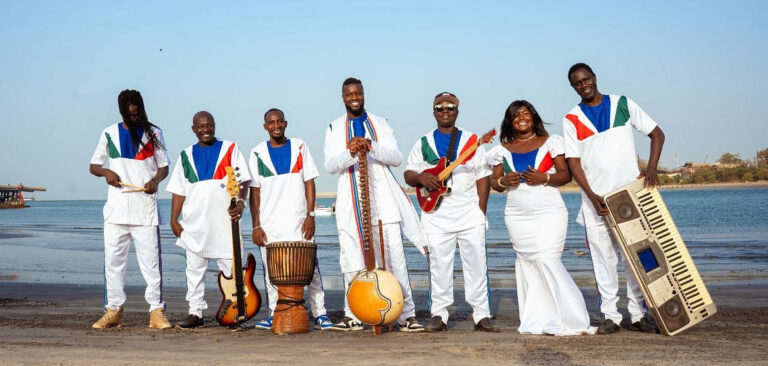
Gambia: Suntou Susso announce UK tour for ‘The Path of a Griot’
09 Oct 2026

Top amapiano songs of 2026
16 Feb 2026

Top Afrobeats songs of 2026
19 Mar 2026
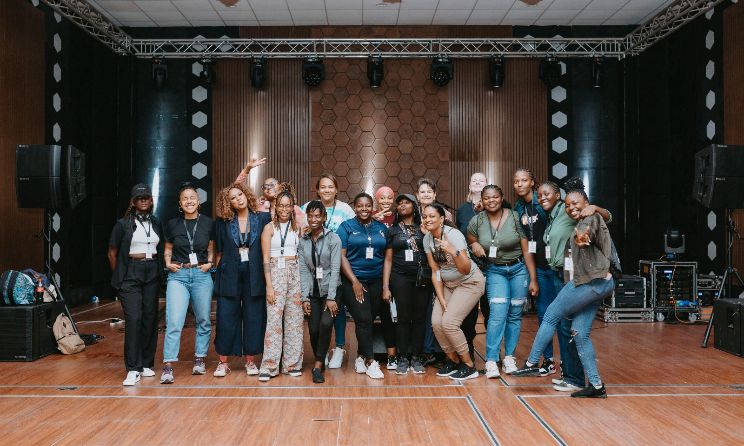
Open call: 2026 Gender@Work music industry training in Johannesburg
09 Oct 2026

Top Naija songs of 2026
31 Mar 2026
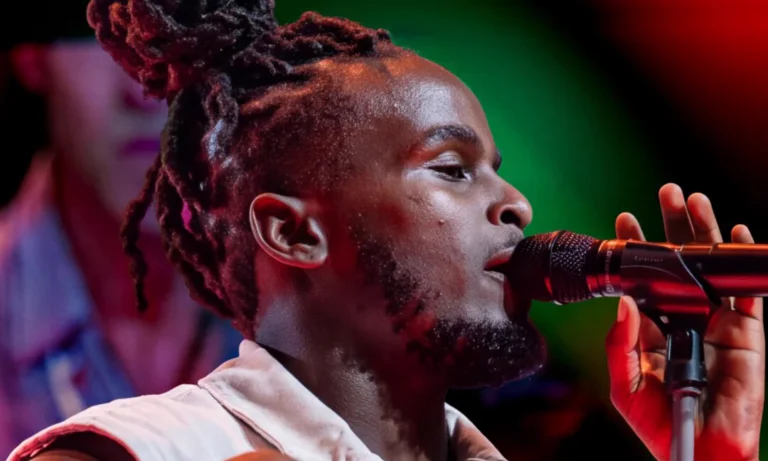
Open call: CANEX Music Business Lab and Songwriting Camp
15 Oct 2026
Disclaimer: Music In Africa provides a platform for musicians and contributors to embed music and videos solely for promotional purposes. If any track or video embedded on this platform violates any copyrights please inform us immediately and we will take it down. Please read our Terms of Use for more.

Subscribe to our monthly Newsletter
Follow us on social media


Please log in to post a comment.