
























































AWA (African Women Arise) is a fast-rising female rapper who is taking the Zimbabwean rap scene by storm. The 28 year old is defying the odds with her skills in a genre that is dominated by men. Born Awakhiwe Sibanda, AWA won the hearts of hip hop fans last month with a sneak peek of her latest single ‘Ngeke Bengimele’ featuring producer Ghanaian Stallion.
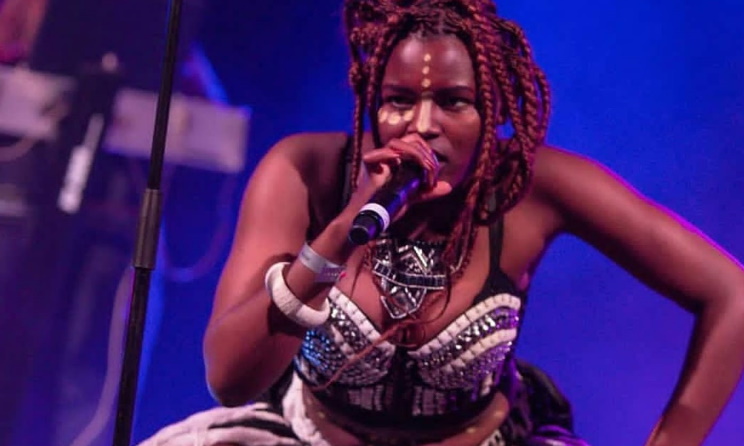
Known for employing rich Ndebele bars, AWA doesn’t shy away from making references about her upbringing. Culture is an important aspect in her career as displayed by her persistence in featuring the Ndebele tradition in her videos and live performances.
Since the release of her ‘Ngeke Bengimele’ single on 30 December, she has appeared on a number of Zimbabwean and South African radio stations, as well as on the BBC. AWA, who has performed in the UK with Voices of the Revolution – a collective of 15 female musicians from 10 countries including Egypt, Brazil and Venezuela – is set to release two debut projects: an EP called The Village Girl and album titled African Women Arise, sometime this year.
Music In Africa caught up with AWA, who also goes by the stage name Awa Khiwe, from her base in Germany to chat about her upbringing, the Zimbabwean hip hop scene and life as an artist living in the diaspora.
Music In Africa: Who is Awa Khiwe and what does she represent?
AWA: Awa Khiwe is a village girl who decided to go for it. She is a diverse hip hop artist who raps in her mother tongue, Ndebele, and her style is deeply rooted in her Ndebele culture.
You are a fast-rising rapper in Zimbabwe. What do you want to achieve with your success?
I want to try my best to fly as high as I can and put Zimbabwean music on the map, and I wish to inspire people to rap, especially people from rural areas like me. I wish to see hip hop growing in the rural areas and I want to launch my album in the country to show people that it’s possible.
Where do you draw your inspiration and are you winning in the rap game?
I count all my blessings, so yes l am winning; people have been showering me with love and support and it is a blessing to be appreciated at home. l draw my inspiration from my mother. She does not give up on her goals. She is a hard worker who can make a dollar from a few cents. I want to follow in her footsteps.
Which radio stations have shown interest in your work since you joined the music industry?
My music has been played on many radio stations in Zimbabwe. Star FM was the first followed by ZiFM, Skyz Metro FM and many more, like Tribe Urban and BBC in the UK and WDR in Germany.
Why do you take pride in singing in Ndebele?
I take pride in rapping in Ndebele because it’s one of the most beautiful languages in the world, with unique click sounds that l added to my songs. Many people love it. I love our Ndebele culture, our dances and traditional songs. I wear traditional Ndebele costumes when I perform because I want to show the world our culture through music.
You are based in Germany. How is your music received there considering that you mostly sing in Ndebele?
Whenever I perform in foreign countries, people enjoy the music and the unique fusion of hip hop and the traditional Ndebele style. l’ve had successful tours in Europe and l wish to perform in other parts of the world as well.
What are the challenges of being an artist based in the diaspora?
Artists from the diaspora are not as privileged as most people think. We may be in countries with resources but we usually don’t own the resources and we struggle to push our music and get platforms because they are reserved for the locals. It’s not a walk in the park. We struggle financially as well because we usually have to juggle making music and work or school.
Many female artists struggle to make it to the top. Are you one of them?
It’s not easy to be a female artist, especially in hip hop. That is why l always address misogyny in my songs. We are usually given the crumbs and we are seen as ‘the other rappers.’ Many people consider female rappers as weak, even in rap battles. When some people wants to say someone can’t rap they say, so and so ‘raps like a girl.’ This will continue happening unless women unite and take up space. Hip hop knows no gender. That’s how it should be: we should celebrate good rappers, regardless of their gender.
What’s your general take on the Zimbabwean hip hop scene?
The Zimbabwean hip hop industry has been growing. When l started rapping, there were no radio stations in Bulawayo, but now there are two stations and many platforms where people can kick-start their careers. There is so much talent in Zimbabwe. I wish the government could invest in the growth of the arts industry. We rely on the few platforms that are there, and the Internet, but sometimes it’s not enough. Taking music to people who don’t have Internet access is a challenge.
What role have the places you grew up in played in your life and music career?
I was born in Mzilikazi, Bulawayo. I grew up in Nkayi and l would go to Bulawayo during the holidays. I was exposed to a rural and urban life and that made it easy for me to apply that in my music. I can easily fit in both urban and rural life, so I get to enjoy the adventures of being a ghetto girl and a village girl.
How are South Africans receiving your music?
Most South Africans think I am Zulu because of the language and cultural similarities. The rap video that was trending on Twitter was shared by many South Africans and they were praising me for rapping in Zulu. I always correct them of course but that shows that Ndebele music has a market in South Africa. l recently worked with Mbzet, one of the top producers in South Africa, because he said my style fits into the ‘Ladies Night’ project, and it was well received. I will try to spread my wings in South Africa through collaborations. l am currently working with many South African artists. The projects will be released soon.
What new music can we expect from you?
I am not sure of the dates but I will be releasing an EP titled The Village Girl. This will be a collaboration between Ghanaian Stallion and I. Ghanaian Stallion makes the beats. He produced my debut album African Women Arise, which will be released by Outhere Records this year as well, so it will be a busy year and l am looking forward to it.


Most popular
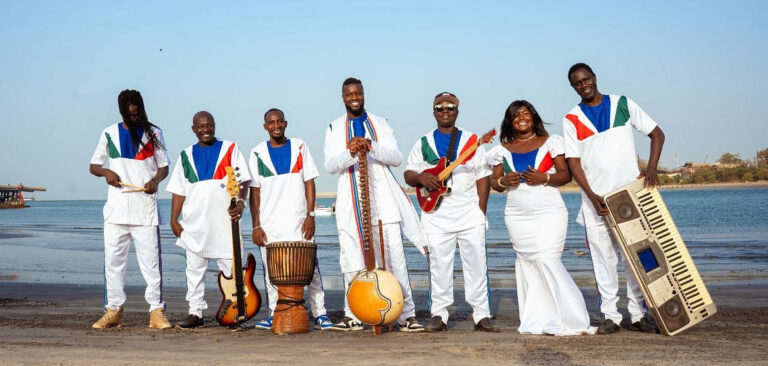
Gambia: Suntou Susso announce UK tour for ‘The Path of a Griot’
09 Oct 2026

Top amapiano songs of 2026
16 Feb 2026

Top Afrobeats songs of 2026
19 Mar 2026
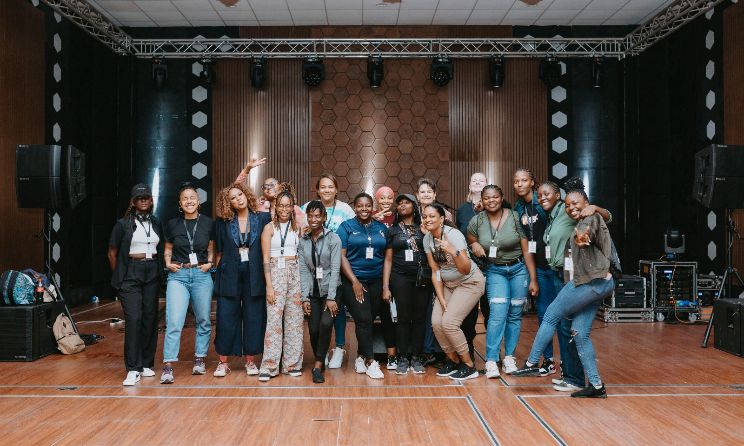
Open call: 2026 Gender@Work music industry training in Johannesburg
09 Oct 2026

Top Naija songs of 2026
31 Mar 2026

Open call: CANEX Music Business Lab and Songwriting Camp
15 Oct 2026
Disclaimer: Music In Africa provides a platform for musicians and contributors to embed music and videos solely for promotional purposes. If any track or video embedded on this platform violates any copyrights please inform us immediately and we will take it down. Please read our Terms of Use for more.

Subscribe to our monthly Newsletter
Follow us on social media


Please log in to post a comment.