




































NEFCISA
NEFCISA

The Music In Africa Foundation (MIAF) is proud of its partnership with the Industrial Development Corporation (IDC) as a Strategic Implementing Partner (SIP) for its Social Employment Fund (SEF). Through this collaboration, MIAF is running a national programme that is creating jobs, addressing skills gaps, and strengthening South Africa's creative industries — in line with the SEF's overarching goal to generate work for the common good and build community value through employment, social contribution, and inclusive economic participation. Operating under the banner NEFCISA (National Employment Facility for Creative Industries in South Africa), the initiative is recruiting and training participants, matching them with host organisations, and has already placed 1 500 workers across the country — surpassing its original target of 1 000. NEFCISA is delivered through a network of 20 host organisations spanning five provinces, who are actively hosting participants and contributing to work for the common good across South Africa's creative and cultural industries. Key Objectives: Support employment and entrepreneurship in the creative industries. Offer skills development and training programmes. Foster partnerships between public and private creative sectors. Promote South African creativity at both provincial and national levels Foster community development through social contribution.

ACCES
ACCES

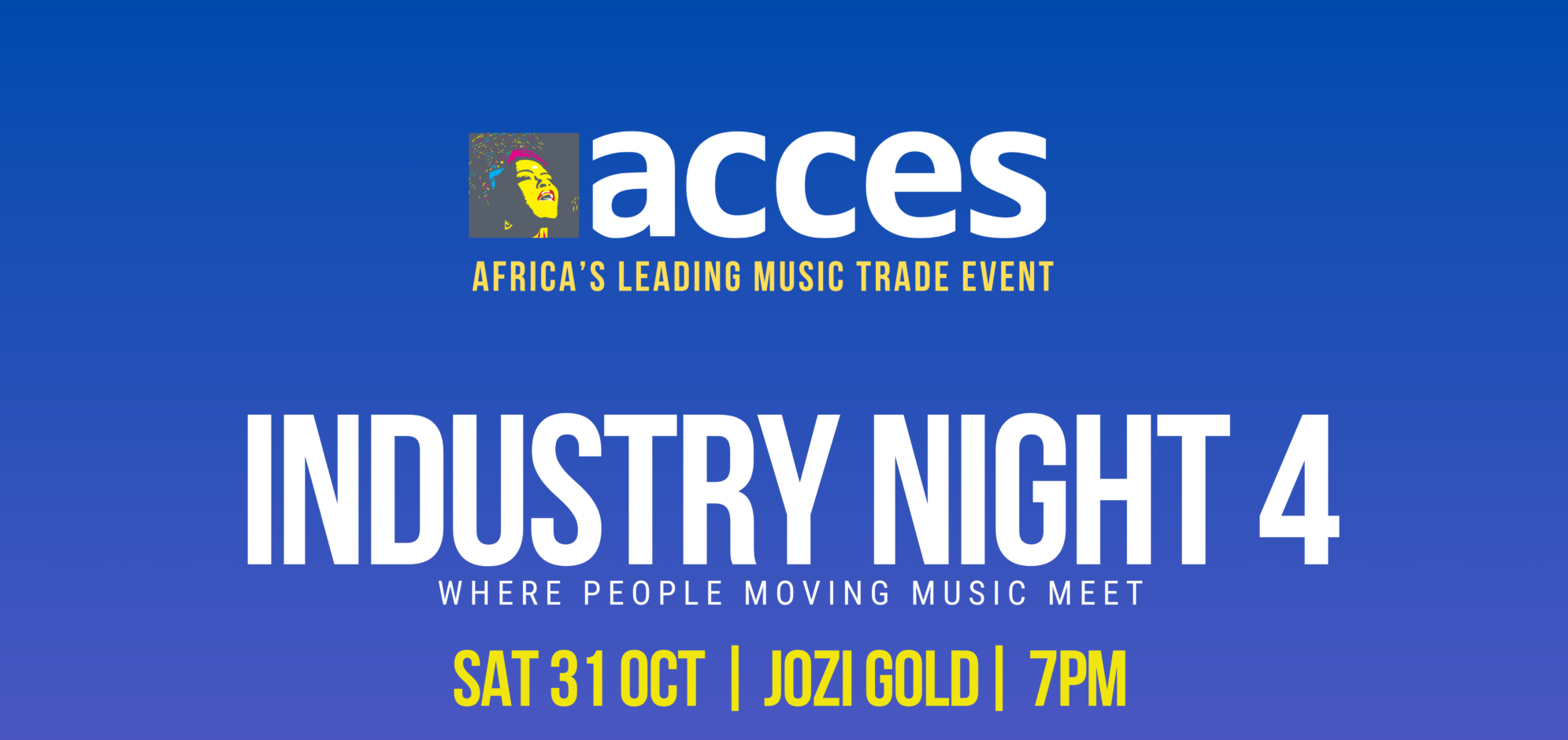
ACCES Conference and Showcase Festival is Africa's leading music industry gathering, bringing together the people shaping the future of the continent's music business. Artists, entrepreneurs, executives, investors, policymakers and cultural leaders from across Africa and around the world come to ACCES to build partnerships, exchange ideas, discover talent and create new business opportunities. Since its launch in 2017, ACCES has become the continent's premier platform for professional exchange and music market development. Combining a high-level conference with a curated showcase festival, networking, exhibitions and industry programmes, ACCES offers a unique space where creativity meets business and where African music connects with the global industry.

Gender@Work
Gender@Work

Music In Africa Gender @ Work is a three-year training programme aimed at upskilling and increasing the participation of female professionals in the African music sector. Launched by the Music In Africa Foundation (MIAF) in April 2019, the programme is connected to the MIAF’s ACCES music conference – a pan-African event held in a different African country every year. This connection enables the programme to reach new participants in a different African country every year. The programme marks the beginning of a more concerted effort by the Foundation to support the participation and inclusion of women in all facets of its programmes and the music sector in Africa as a whole. Over the three years, the programme will aim to address gender imbalances in the sector through training, lobbying, facilitating knowledge exchange and dialogues that foster the interest of women. The broader objectives of the programme are to: Provide industry training for women on critical music industry skills, focusing on: Stage management Electronic music production and recording Music business management Technical knowledge Provide an opportunity for both professional and aspiring women to benefit from the Music In Africa network and its broad range of activities in 2019, 2020 and 2021. Provide a solution-based platform in the form of a round table at ACCES with a view to identify challenges, discuss opportunities and lobby for the interests of female practitioners. Offer participants the opportunity to benefit from programmes offered by MIAF’s partners. Increase access to educational materials. Integrate participants in the broader ACCES programme to maximise experience and exposure to the industry. Record and present training materials on the www.musicinafrica.net, including but not limited to tutorials, templates and other best-practice materials. Communicate women-based themes that support the initiatives and messages of the programme. MAIN TRAINING ACTIVITIES Training in first country (Ghana): In the first year, participants will be trained on all aspects of stage management by a team of experienced stage managers from 10 to 17 November 2019. The programme will offer robust classroom training as well as practical, hands-on training in which participants will also be given the opportunity to manage various aspects of the ACCES performance programme. Training in second country: The second training iteration will take place at ACCES 2020 when the programme will diversify its course to include music production lessons and training on other music business topics. A round-table platform will also be introduced to coincide with the ACCES programme. Training in third country: The third training iteration will take place at ACCES 2021 in a different country, offering an advanced course. HOW DO YOU GET INVOLVED?  As a participant, facilitator or trainer: The programme enrolls up to 12 trainees every year. All opportunities are advertised publicly on this website, and will be added to this page. Please keep checking this page for new calls (below under UPDATES & CURRENT OPPORTUNITIES). As a partner Please contact Claire Metais at [email protected]. APPLY The call for applications for 2020 will be announced soon. The Music In Africa Gender @ Work programme is made possible with the support of the Prince Claus Fund, Siemens Stiftung and Goethe-Institut.

Sound Connects Fund
Sound Connects Fund

For cultural and creative practitioners and organisations operating in southern Africa, access to funding remains a major challenge. The COVID-19 pandemic has also had a massive impact on government policy, spending and the economy in general, and has seen spending on culture being moved further down the list of priorities. Further, the cultural and creative industries repeatedly cite four main areas where investment is needed for growth, which are increased visibility, mobility including access to new markets, finance and support structures.

Instrument Building And Repair Project

Experience the Vibrations African Instruments Exhibition online in 3D

flag-img

Bamako, Mali

Contact person:

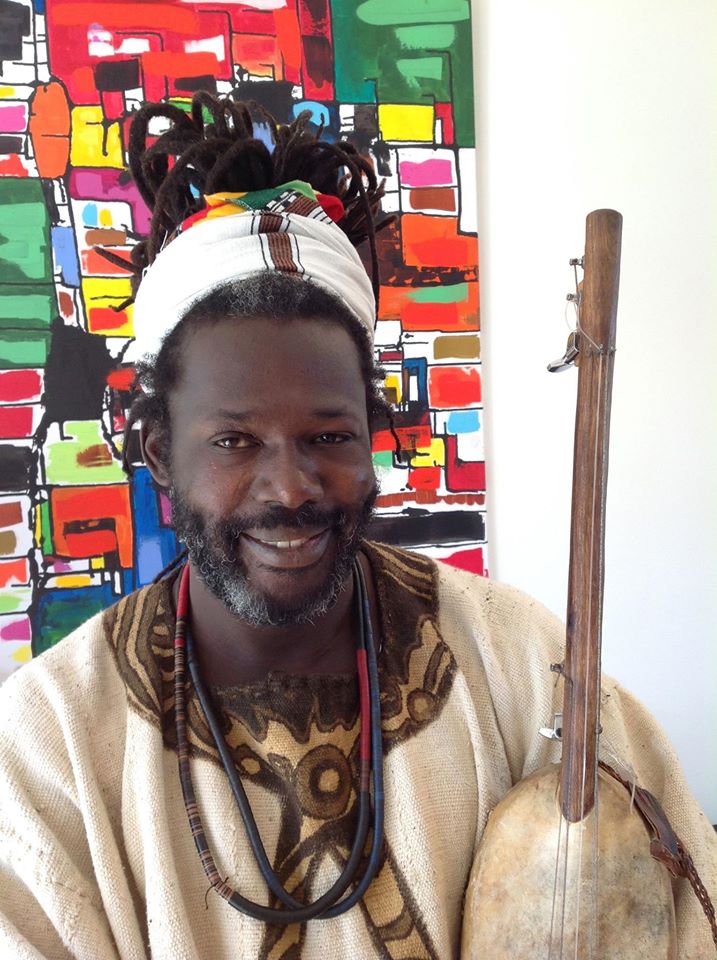
Baba Sissoko

BIO

Né à Bamako (Mali), Baba Sissoko est le maître incontesté du Tamani (tambour parlant), qu'il a appris à jouer au cours de son enfance (grâce aux enseignements de son grand-père Djeli Baba Sissoko) dont il sort avec une facilité étourdissante toutes les notes d’une portée. Excellente multi-instrumentiste il joue également le ngoni, le kamalengoni, la guitare, le balafon, la calebasse, le stildrum ... et chante!

Héritier d’une longue lignée de griots maliens, dont le devoir au regard de la tradition est de réconcilier les cœurs et les âmes, il est le premier à introduire le son du tama dans la musique moderne au Mali.

Il est important aussi de ne pas négliger l'influence que l'Amandran exerce dans ses compositions. L'Amandran est une structure musicale répétitive et hypnotique propre au Mali. Selon certains historiens et chercheurs, transportée au-delà de l'océan par les tragiques déportations d'esclaves, celle-ci a donné naissance au blues avec lequel en effet, elle a plus d'une assonance en commun.

Son style est très original: Baba aime intégrer les mélodies et les rythmes de la musique traditionnelle du Mali (Bambara, Peul, Mandingue et Sonraï), avec la Sonorité du jazz et du blues, créant un effet musical fantastique et originale.

Ceci est possible grâce à ses nombreuses expériences avec des musiciens de différents horizons et cultures musicales, complètement différentes de la sienne.

Sa capacité à jouer un large éventail d'instruments et sa sensibilité extrême envers autres genres et autres expressions musicales, l'a amené à collaborer avec de nombreux musiciens de renommée internationale. Entre autres, Sissoko a travaillé et coopéré avec : Habib Koite, Rokia Traore, Ibrahim Ferrer, Buena Vista Social Club, Don Moye and Art Ensemble of Chicago, Dee Dee Bridgewater, Enzo Avitabile, Miguel Anga Diaz, Omar Sosa, Chris Joris, Bob Stewart, Aka Moon, Roberto Fonseca, Oumou Sangare, Philippe Catherina, Toots Thielemans, Kasse Mady Diabate, Afel Bocoum, Cheick Tidjane Chek, Toumani Diabate, Ballake Sissoko, Mama Sissoko.

Aujourd'hui, il est le chef des differénts groupes tels que: Baba Sissoko Afroblues – African Griot Groove; Baba Sissoko & Mali Tamani Revolution; Baba Sissoko & Taman Kan; Baba Sissoko Black Rock.

Photos

Music

Coming soon

Videos

Coming soon

Social Networks and Websites

Disclaimer: Music In Africa provides a platform for musicians and contributors to embed music and videos solely for promotional purposes. If any track or video embedded on this platform violates any copyrights please inform us immediately and we will take it down. Please read our Terms of Use for more.

newsletter banner

Subscribe to our monthly Newsletter

Follow us on social media