






























































Uganda: Jose Chameleone and the music that grew with a generation

15 Oct 2026 - 14:35


Ugandan musician Jose Chameleone officially launched his forthcoming concert at a press conference held at Lugogo Cricket Oval in Kampala on 12 October. The singer is scheduled to return to the venue on 4 December for a show titled Chameleone Unlimited, more than 25 years after beginning his professional career. His catalogue, which includes ‘Mama Mia’, ‘Jamila’, ‘Kipepeo’, ‘Nkwagala Nyo’ and ‘Bayuda’, has become familiar to audiences across East Africa, many of whom have grown up listening to his music.

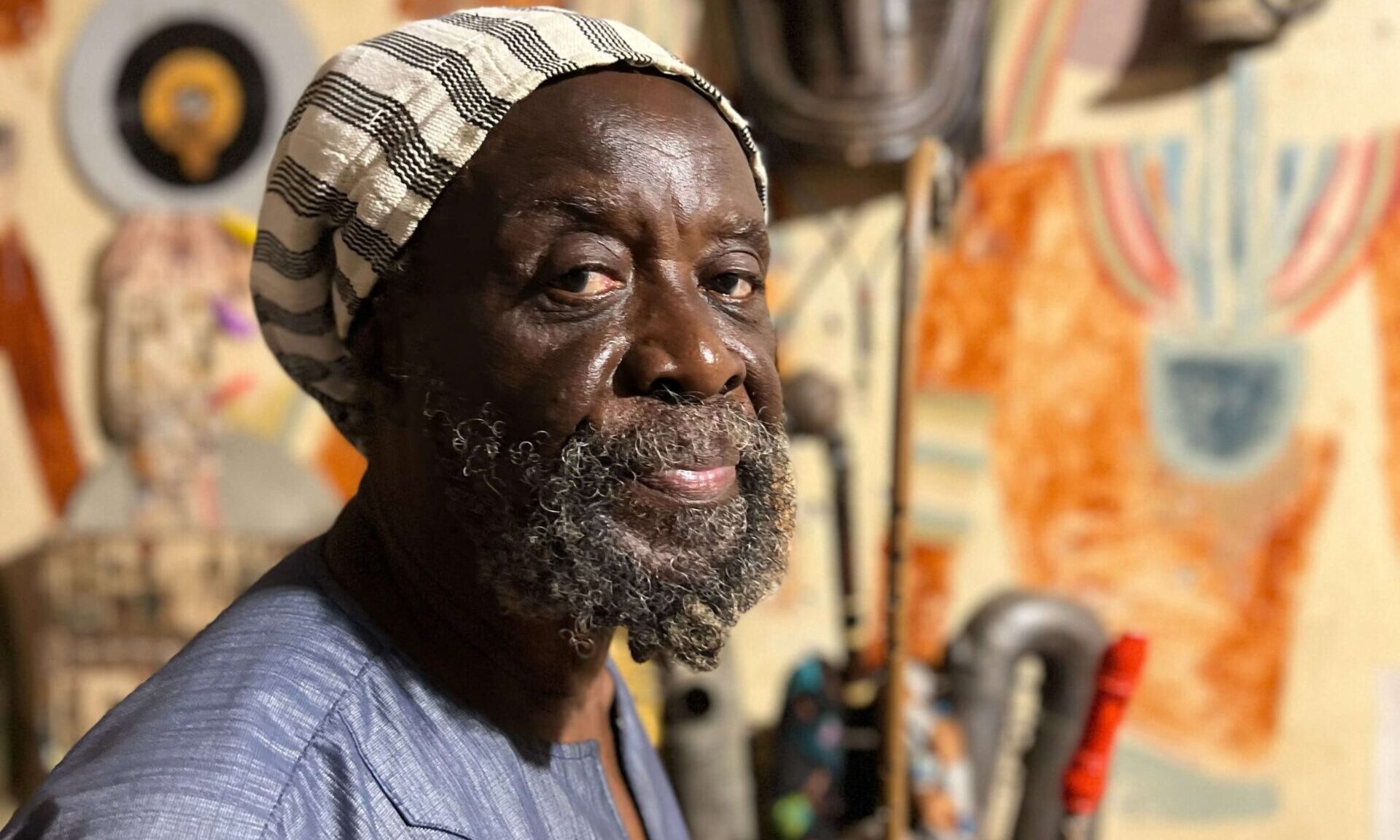
Jose Chameleone.
Born Joseph Mayanja, Chameleone began his professional career in Kenya in the late 1990s, working with producers including Ogopa Deejays. His breakthrough song, ‘Mama Mia’, introduced audiences to his distinctive voice, memorable melodies and storytelling approach. At a time when radio, television and physical recordings dominated music consumption, his songs travelled beyond Uganda, finding listeners across the region.
DJs played an important role in that journey, circulating his music through clubs, radio programmes and mixtapes. Among them was DJ Erycom, who worked with Chameleone and helped promote Ugandan music through mixes and digital platforms. His archive includes a nonstop mix of Chameleone’s songs, preserving a collection of recordings from an era when DJs were central to music discovery and promotion.
Uganda has a domestic music market sustained by concertgoers, radio stations and promoters. Established artists can stage headline shows in Kampala before performing in towns across the country. Bebe Cool, Bobi Wine, Cindy Sanyu, Eddy Kenzo and King Saha are among the musicians who have built audiences through this performance culture. However, relatively few Ugandan musicians have established sustained mainstream followings beyond their home market. While many perform abroad for Ugandan diaspora communities, reaching audiences who have no direct connection to Uganda remains a different challenge.
Part of Chameleone’s enduring appeal lies in his ability to reflect everyday experiences. Although love features prominently in his catalogue, he has also explored poverty, ambition, faith, loss and the frustrations of ordinary people. His songs often capture social realities that listeners may recognise in their own lives, allowing his music to resonate beyond its immediate entertainment value.
In ‘Basiima Ogenze’, for example, Chameleone questions the tendency to overlook people’s contributions while they are alive, only to celebrate them after their deaths. The theme resonates with the experiences of veteran musicians who have struggled financially towards the end of their lives, only to receive tributes from the media, government officials and prominent public figures after their deaths. Such posthumous recognition raises questions about why their contributions to national culture are not always acknowledged while they can still benefit from that appreciation. Although no one is obliged to provide for musicians, the contrast between their struggles in life and the praise that follows their deaths remains troubling.
Chameleone has also addressed social and economic concerns through songs such as ‘Moto Moto’, which touches on issues including education and the cost of living, and ‘Nekolela Mali’, which explores the pursuit of a better livelihood. In ‘Badilisha’, he draws on personal experiences to examine relationships and the need for change. Together, these songs illustrate his interest in the circumstances and concerns of his listeners.
His approach to musical arrangement has helped make these subjects accessible. Serious themes do not necessarily require sombre production, and Chameleone often places social commentary within rhythms and melodies that invite audiences to dance. The result is music that can entertain in the moment while offering listeners ideas to revisit as their own experiences change.
Language has also been central to his regional reach. Chameleone sings in Luganda, Kiswahili and English, drawing on influences from different musical traditions. His collaboration with Tanzanian rapper Professor Jay on ‘Ndivyo Sivyo’ exemplified the cross-border partnerships that have helped East African musicians reach audiences beyond their national markets. The pair reunited in 2025 on ‘Ebenezer’, alongside Q Chief, nearly two decades after their earlier collaboration.
Chameleone’s use of Kiswahili has also earned recognition in Tanzania. In 2018, he received an honour associated with the country’s Urithi Festival for promoting the language through music. Contemporary reports linked the recognition to Tanzania’s then-president, the late John Pombe Magufuli. Chameleone’s relationship with Tanzanian audiences has continued, including recognition at the Bongo Flava Honors in July 2026.
My own introduction to Chameleone’s music came during annual December visits to my grandfather’s home in our ancestral village along the Kenya-Uganda border. Because of the area’s proximity to Uganda, its radio and television broadcasts were readily accessible, and Ugandan music regularly featured at parties and other celebrations. During those Christmas holidays, we probably listened to more Ugandan music than Kenyan music. I learnt the lyrics to Chameleone’s songs and sang along, sometimes without fully understanding what they meant.
Years later, while at university, I attended one of his concerts in Kenya. Standing near the stage, I sang along to almost every song until Chameleone noticed me. During his performance of ‘Nkoleki’, his collaboration with singer Melody, he asked people in the audience to lift me onto the stage. For a rather shy university student, the experience was unforgettable. Somewhere on YouTube, there is video evidence of that moment. Good luck finding it!
Looking back, many of those who grew up listening to Chameleone have since entered adulthood, and some of his songs may now carry meanings that were less apparent when they first heard them. In our younger years, we enjoyed ‘Shida za Dunia’ (‘Problems of the World’) for its melody, without necessarily appreciating its reflections on life’s difficulties. We sang along without a care in the world. Today, as Nigerians might say, wahala has located us. The challenges of adulthood have made the song’s message more relatable.
When I speak with musicians, I often encourage them to think about longevity when creating music. I sometimes test this idea when someone tells me they are a devoted fan of a particular artist: I ask them to name five songs by that artist before I finish counting to ten. Many struggle. It is an interesting measure of the difference between immediate popularity and lasting cultural impact, particularly in an industry where artists can attract millions of views and followers without necessarily building a catalogue that audiences remember years later.
Chameleone’s longevity, however, cannot be attributed to songwriting alone. His distinctive voice, stage presence and willingness to experiment with reggae, dancehall, zouk and other influences have helped sustain his career. He has also navigated personal challenges and an industry transformed by changes in music distribution, promotion and consumption since he began recording.
When Chameleone takes the stage in Kampala on 4 December, the audience will include people who first encountered his music as children and others who discovered it much later. Some will remember where they first heard ‘Kuba Bulungi’, ‘Dorotia’ or ‘Kipepeo’; others will simply want to dance. Whatever brings them together, Chameleone Unlimited will offer an opportunity to revisit a catalogue that has accompanied listeners through different stages of their lives.
His achievement is not simply that he has remained active in music for more than two decades. It is that his songs have grown alongside his audience, with melodies that remain familiar and lyrics whose meaning can deepen with time. For a generation that has grown up with his music, Chameleone’s catalogue is not merely a collection of hits. It is also a record of changing experiences, memories and the passage into adulthood.


Most popular

Gambia: Suntou Susso announce UK tour for ‘The Path of a Griot’
09 Oct 2026

Top amapiano songs of 2026
16 Feb 2026

Top Afrobeats songs of 2026
19 Mar 2026
Open call: 2026 Gender@Work music industry training in Johannesburg
09 Oct 2026

Top Naija songs of 2026
31 Mar 2026

Uganda: Jose Chameleone and the music that grew with a generation
15 Oct 2026
Disclaimer: Music In Africa provides a platform for musicians and contributors to embed music and videos solely for promotional purposes. If any track or video embedded on this platform violates any copyrights please inform us immediately and we will take it down. Please read our Terms of Use for more.

Subscribe to our monthly Newsletter
Follow us on social media


Please log in to post a comment.