































































It is hardly a revelation to make the claim that music brings people together, but I’ll say it anyway: music brings people together. I should know. Over the years I have spent more than my fair share of time in bars and nightclubs across the African continent. Yet no matter the country, or the venue, the story usually goes the same way: powerless to the rhythm I find myself on the dance floor.
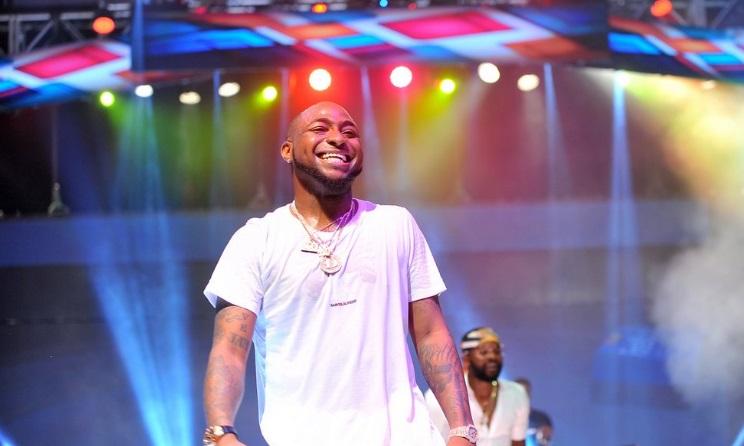
I am by no stretch of the imagination a good dancer, but I would say I am better than bad and definitely not shy to embarrass myself. My European friends never fail to mock me when attempting to reproduce those moves on the dance floors of Amsterdam or Paris. Brought together by our love of music, my African friends tend to encourage me when on a night out in Abidjan or Dakar.
From a young age, I grew accustomed to being around what many westerners would call ‘world music’ – traditional music from across the globe. Born in Haiti, I like to imagine my three-year-old self rocking to the sounds of konpa – a popular local genre – with my nanny Princess, while mom and dad were at work. Later, when living in Kenya, I have vivid memories of coming home from school as an 11 year old jamming to local songs on radio station Kiss 100. It is in the car that I first came across what many people call ‘Afrobeats’ – and there began our courtship.
Afrobeats is an umbrella term commonly believed to have been coined in the early 2000s by UK radio presenter DJ Abrantee, who is of Ghanaian heritage. As per Abrantee’s own words, the term originated as a way to package the different sounds coming out of Ghana and Nigeria in an easy to digest way for a UK audience not acquainted with the genre he was putting forward.
Although Afrobeats in its classical definition is a reference to modern pop genres coming out of Ghana and Nigeria, it has incorrectly come to be coined by many as a way of regrouping all form of genres from Africa, including gqom (South Africa), ndombolo (Congo), bongo flava (Tanzania), coupé-décalé (Ivory Coast) and so on.
In a move criticised by those who follow the contemporary African music scene, popular Jamaican-American DJ group Major Lazer released an album in 2018 titled Afrobeats Mix. It featured a variety of different African artists and genres – from South African ggom to Naija beats and Kenyan Afro-pop – erroneously painting a plethora of melodies with one paintbrush. This example is characteristic of the criticism levelled against the term Afrobeats.
Though I understand why DJ Abrantee and others have chosen to employ the umbrella term – to ease the complexities on unknowing auditors and help the ‘genre’ gain popularity – it has stirred controversy with many. The feeling is that by regrouping all of these sounds into one, we take away from their individual uniqueness and simplify Africa, and by extension, Africans. Despite the fact that I agree with the criticism about this generic term, I also see a silver lining.
The marketing of these various genres as 'Afrobeats' has grown to be hugely successful, facilitating growth in international markets. Today, it is a regular occurrence for me to pass by a bar in London that is playing the latest Wizkid song or to enter a house party in New York to find everyone dancing to Magic System, and I am always elated to find that these producers and artists are finally given the platform they deserve.
So big has the rise of Afrobeats been in the last few years that Sony, Universal and Warner Music have all set up shop in Nigeria – the undeniable capital of the African music scene. For years it was Congolese rumba and ndombolo artists who held the title of kings and queens of African music. The airwaves were dominated by the tracks of legends like Papa Wemba and Awilo Longomba. In the late 1990s and early 2000s, the Congolese would be dethroned by the rhythmic zouglou and coupé-décalé of Ivory Coast, but not for long. With the civil war in Ivory Coast came a downturn in its music industry and Nigeria quickly caught up to take on the mantle of king, and so it remains.
What I see in this musical history is an appetite that continues to develop for these different sounds, first on the continent and now across the globe. Nigerian artist Davido was in 2018 awarded a BET Award for Best International Act. The 2019 BET Best International Act winner Burna Boy, also Nigerian, and his album African Giant were nominated at the 2020 Grammys for Best World Music Album. Ironically, Burna Boy is one of the loudest voices against the usage of the terms ‘world music’ and 'Afrobeats'.
Burna Boy’s grievance with using the term Afrobeats highlights another issue.His grandfather was Fela Kuti’ first band manager. Fela shocked and inspired so many with his revolutionary Afrobeat music (not to be confused with Afrobeats) and to people like Burna Boy there is a sense that his memory and acclaimed genre are being tarnished by assimilation.
In any case, despite what even Burna Boy sees as the negative usage of the term, Afrobeats’ marketing objective has been largely successful, disseminating the music globally. The struggle now is for international audiences to differentiate between the many parts that make up the genre.
When I began my university studies in Vancouver in 2014, I remember telling all my friends that Afrobeats would be the next reggaeton – “It’s going to take over the world”, I said, and it’s clearly on that path. But this is about more than music; it’s about the power that music has in bringing together people who might otherwise think they have little else in common. It may sound silly but many people I know are developing a curiosity for Africa through the rhythms of its musicians. We often need a channel to connect us to something we do not know or understand. For many people that channel is music. My cousin was drawn to Senegal by its percussionists and he has created a strong bond with the country because of it. In a few short years, he has learnt to speak the local language of Wolof and he has created deep bonds with the people.
This is not the first time music from Africa has captured the imagination of people across the globe. Fela’s music grew to be hugely popular all over the world and remains so – recently being used in the second season of the famous Netflix series Narcos. Miriam Makeba of South Africa will forever be remembered for her talents, as will Malian griot Salif Keita, and many others. However, not until now has the global music scene been so concentrated on Africa.
The huge success of Drake and Wizkid’s song ‘One Dance’ is perhaps the best example of how Afrobeats is influencing modern Western music. Beyoncé, Stormzy, Migos, MHD and even Ed Sheeran have all jumped on the Afrobeats bandwagon in a way that the world has never seen before.
Africa is home to many talents, musical and otherwise. It is these talents that have inspired so many of the great writers, artists, musicians and other creatives of the world, yet the continent is often forgotten or brushed away. In a sense, the rise of Afrobeats is emblematic of a continent on the rise with a people determined to cast aside the shadow of negativity they have so long lived under.


Most popular

Top Naija songs of 2026
31 Mar 2026

Ghana: Mr Eazi and MOLIY’s ‘Comfort’ earns Urban Music Awards nomination
21 Oct 2026

Top Afrobeats songs of 2026
19 Mar 2026

Top amapiano songs of 2026
16 Feb 2026

Open call: CANEX Music Business Lab and Songwriting Camp
15 Oct 2026
Nigeria: CANEX WKND unveils 2026 programme
21 Oct 2026
Disclaimer: Music In Africa provides a platform for musicians and contributors to embed music and videos solely for promotional purposes. If any track or video embedded on this platform violates any copyrights please inform us immediately and we will take it down. Please read our Terms of Use for more.

Subscribe to our monthly Newsletter
Follow us on social media


Please log in to post a comment.