




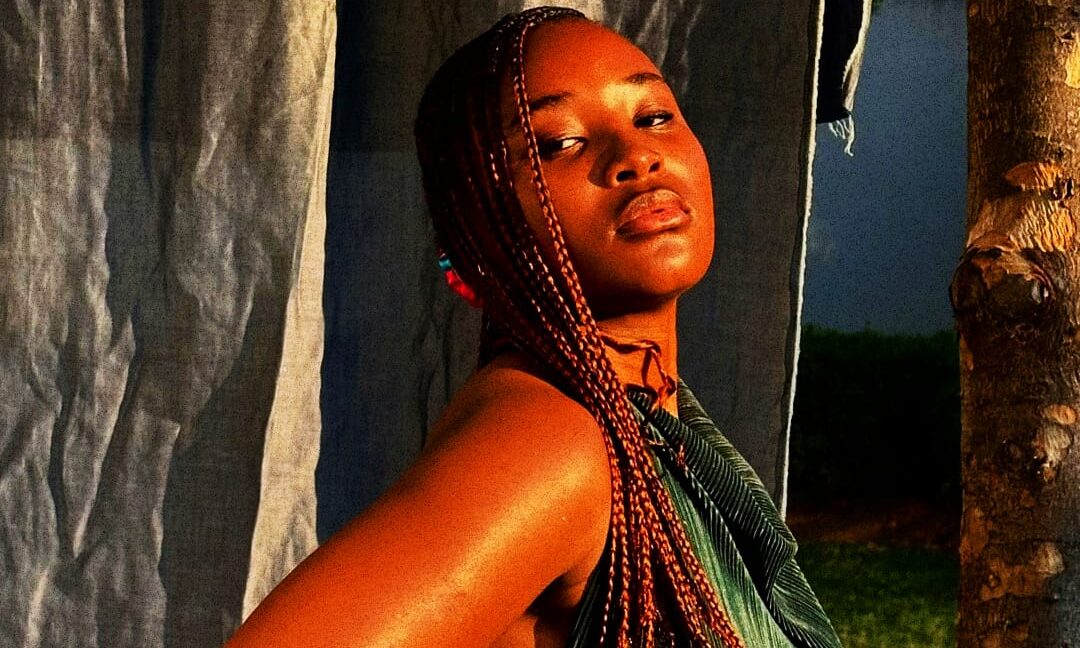

















































South Africa-based Zimbabwean Afro-soul singer Berita is an example of a female artist who has defied the odds in an industry that often undermines women. The 29-year-old singer is fast earning respect in South Africa and on the continent. She has performed at big festivals across Africa and has collaborated with renowned artists such as the late legends Oliver Mtukudzi and Hugh Masekela.

Like most female artists, Berita struggled to make an impression at first but hard work and dedication resulted in the launch of her own record label, Assali Music.
The ‘Ndicel'ikiss’ singer was introduced to South African audiences with the release of her debut single ‘Thandolwethu’ and now boasts three albums: Songs of Empowerment, Berita and Conquering Spirit. On Valentine’s Day, Berita released the love song ‘Jikizinto’ off her upcoming album Songs in the Key of Love, set for release this month.
Music In Africa caught up with Berita ahead of the Sisters With Guitars concert at Emperors Palace in Johannesburg, South Africa, on 15 February. The concert will feature Msaki and award-winning singer Zahara, and seeks to celebrate women in music.
Berita spoke with me about the concert, her journey in the music industry and how South Africa influenced her sound.
MUSIC IN AFRICA: What message do you want to send at the Sisters With Guitars concert?
BERITA: This is the best way to usher in a new decade by proving that women can indeed come together to do incredible things. We have three women at the Sisters With Guitars concert that will play their own instruments. These women don’t just play their instruments, they also sing and compose songs. I am a music producer as well and I think this is something exciting, which shows that there is definitely progression especially in Africa, where women are taking more space in terms of their craft and music.
How do you prepare for a concert like Sisters With Guitars?
The most important thing that I do is rehearse with my team every morning and that means working on my new and old songs. When it comes to shows, each show is different. For example, Sisters With Guitars is around Valentine's Day so I have to cater for that occasion.
In which area of the music business do you profit most?
The most important decision that I took about two years ago was to open a record label called Assali Music, which holds the rights to my music. Since last year, I released my first three singles through the label. This year I am releasing my first full-length album through the record label. I have also purchased my two albums that were previously owned by another record label. I was able to negotiate back my old masters and now I have a company that houses all my music. It means is that I now have the opportunity to make an income from my recording via streaming platforms for the rest of my life.
You grew up in Zimbabwe and left for New Zealand in 2000. You then moved to South Africa in 2012. What challenges did you face in establishing yourself in the local industry?
I think the number one challenge I faced in my career, which is not unique to me, is not having enough knowledge about how the music industry works. I feel like when you first come into the music industry, especially if you are a female artist, it’s expected that you go into the studio and sing what you are told to sing. You’re told which interviews to do, what to wear and that you’ll live the life of a superstar.
I grew up in Zimbabwe, I have always been a grounded person and I did not anticipate the realities of the music industry. I signed contracts that were not beneficial to me and the relationship that I built was not set up in such a manner that they considered my full value. The challenge was moving from that position to a more empowered level. It meant that I had to learn and unlearn some things. It meant that I had to be comfortable wearing different hats.
Have you signed any artists to your label so far?
No. We have someone that we are highly considering but it’s important that we take one project at a time. At this time we need to focus on my upcoming album and the touring project. The team is at a place whereby when there is a new project, it has to get the full attention it deserves.
How have Zimbabwe, New Zealand and South Africa influenced your sound?
When I was in Bulawayo, Zimbabwe, one of my favourites artists of all time was Oliver Mtukudzi and I was very fortunate to work with him. I did a collaboration with Tuku, we toured together and I spent a lot of time with him. I developed a kind of father-and-daughter relationship with him. I was also exposed to the music of Lovemore Majaivana, Andy Brown, Chiwoniso Maraire and some of the music that was played on radio. I also listened to music that was coming from South Africa from such artists as Brenda Fassie, Mafikizolo and Lucky Dube. There was an influx of this music, especially if you were living in Bulawayo. You got to experience all the music that was coming from South Africa.
When I moved to New Zealand, I started listening to pop music from Ed Sheeran and Taylor Swift because that was the music on the radio. Now if you listen to my music, it’s Afro-soul, yes, but you get different elements: you get the rooted element, which is something I got while growing up in Zimbabwe, but on a song like ‘Ndicel'ikiss’ you can hear pop elements. A good way to explain this is that last year the song was synched for a Netflix film called Holiday in the Wild and the feedback I received was that they love the song because it’s between pop and world music. It’s not fully there, it’s in between, and it has a lot to do with my background in these three countries.
You have worked with greats like Yvonne Chaka Chaka, iconic house DJ Oskido and the late Oliver Mtukudzi and Hugh Masekela. Tell us what you learnt from working with these artists.
I definitely think that the way I pick my guitar, especially if you listen to my old music, is like Oliver Mtukudzi. Another thing I learnt from him was stage presence and how to talk to a crowd. With Yvonne Chaka Chaka, she is someone who has been my mentor and has been there for me if I am in a place where I don’t understand how something is done. What I’ve learnt from Yvonne Chaka Chaka is how to value myself, it’s something that I’m still learning but when you sit with her that’s something that comes naturally to her. She taught me how to conduct myself as a business.
What concerns do you have about the treatment of female musicians?
It looks like women are empowered but it’s very difficult for a young girl from a community like Khayelitsha or Soweto to get an opportunity to record her music and build a career without being exploited. Young women still suffer at the hands of producers, who will withhold your work because you are not interested in a romantic relationship with them. I have seen it at record labels where women are treated differently by men.
Have you personally gone through such experiences?
I have not experienced my work being withheld but I have spoken to fellow female musicians who went through such incidents. What I have seen in my personal capacity, especially when I was in a position where I worked with major record labels, is that male and female artists are not treated the same way. A good example is when a male artist is negotiating a deal, it’s easier for them to negotiate a sizeable six-figure deal when they build a friendship with the managing director of a company and they can also have drinks together. But for me as a female artist, I don’t have access to that level of networking because I really have to get the director of the company to understand my value. At the end of the day it gets to a point where boundaries of work are crossed.
I have also found that when a woman is assertive, it looks like, ‘Oh this woman is a diva, or this woman is difficult’. It’s very easy for a man to walk into a conversation with a brand or record label and demand a sizeable amount of income that will allow them to build the structures they want for their business.
I remember when I was a student at Walter Sisulu University, I used to play at concerts while residing on campus, which closed at 10pm. I had to organise a place to sleep elsewhere. My security as a young woman who played at night, which could be at a club, theatre or stadium, was always at risk.


Most popular

Call for applications: ACCES 2026 Emerging Artist Spotlight Competition
01 Oct 2026

Top amapiano songs of 2026
16 Feb 2026

Top Naija songs of 2026
31 Mar 2026
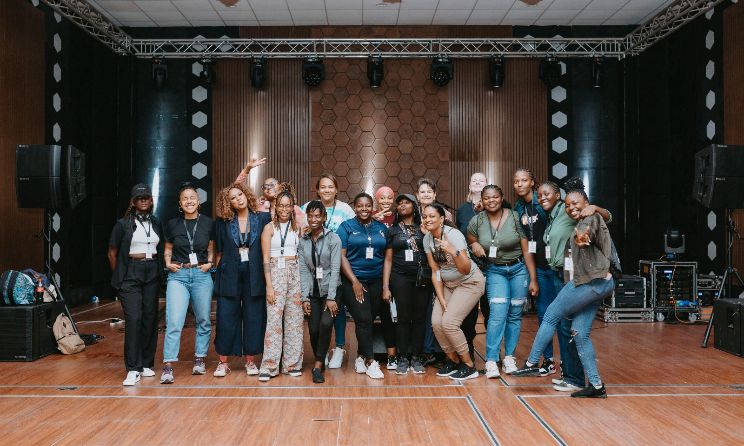
Open call: 2026 Gender@Work music industry training in Johannesburg
03 Oct 2026

Top Afrobeats songs of 2026
19 Mar 2026

AFRIMA 2026: All the winners
12 Jan 2026
Disclaimer: Music In Africa provides a platform for musicians and contributors to embed music and videos solely for promotional purposes. If any track or video embedded on this platform violates any copyrights please inform us immediately and we will take it down. Please read our Terms of Use for more.

Subscribe to our monthly Newsletter
Follow us on social media


Please log in to post a comment.