
























































How Olamide’s YBNL Records made a Lil’ Kesh mistake

08 Jul 2016 - 11:20


Here are a few headlines from the Nigerian entertainment media:

-
Skales and his Manager In Jail For Defrauding Record Label Of Millions Of Naira
-
Runtown and record label at war! Label sues, Runtown terminates contract
-
Court Orders DJ Zeez To Pay Record Label N23 Million
-
Record label and rapper Milli part ways
-
Brymo parts ways with Chocolate City
-
Who left who? Analyzing Chidinma’s exit from Capital Hill Records
-
Hip-Hop act, Soul-E met His Waterloo, Court Orders Him To Pay Collossal Ent.
Labels are by far the largest investors in artists’ careers, staking their resources with the prospect of huge profit or colossal loss. According to the Recording Industry Association of America (RIAA), approximately 90% of the records that are released by major labels fail to make a profit.
In recent times, record companies are sustained as going concern by the execution of “multiple rights” or “360” deals with artists. These types of pacts give labels rights and percentages to artist’s touring, merchandising, endorsements and other forms of commercial exploitation of the artist and his music.
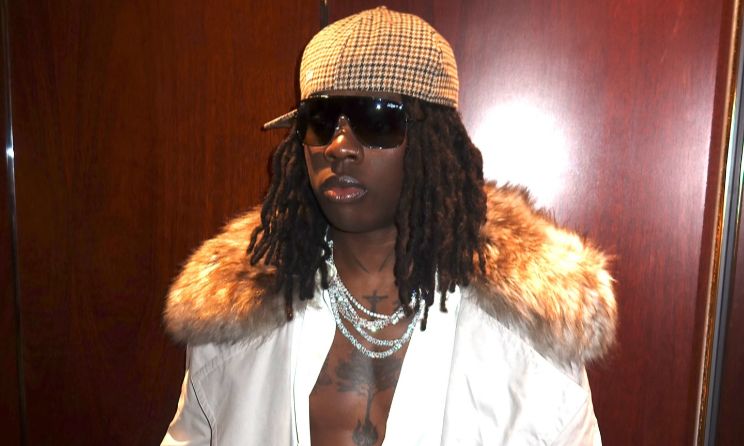
At the last edition of the Nigerian Entertainment Conference, D’banj spoke a keynote with the title Content Is the New Crude. Indeed, there are many ways in which the content business can be likened to the oil business. The news of Olamide’s YBNL Records losing Lil Kesh, a blossoming artist who has just released his debut album YAGI, offers an avenue for discussing the label-artist relationship in Nigeria.
Between Olamide’s YBNL and Lil' Kesh
In music, as in the oil business, an investor or record company prospects for the next big pot of gold. It is a costly exercise where nothing is assured. Time, expertise and resources are expended in trying to discover, nurture and launch an unknown product (talent). The risk is huge and the success rate is very remote. The investor wagers the viability of the product in the market place, or that the new oil well will be able to churn out crude in millions of barrels. Once successful, the returns on the initial investment made can signal the birth of a new enterprise. The profits can be ploughed back into the business to launch other products and expand frontiers.
However, working with the benefit of hindsight on the risky venture of oil prospecting, I would posit that Olamide just lost a major oil block but I am yet to understand why. Prior to the break of the news, I was privy to the impending loss of YBNL’s frontline artist Lil Kesh. Initially, I doubted the credibility of the claims as it is unthinkable that a young label on the rise would give room for such an occurrence. However, barely a month after, series of mishaps coming in quick succession further sustained the claims as Lil Kesh/YBNL story, the cases of Runtown, DJ Zeez and Skales were reported in the media. Thankfully, these record companies have enlisted the help of the Courts and law enforcement agencies to seek redress.
Judging from the amiable disposition between both parties in the media, one is led to believe that all is well and that Olamide was being magnanimous. He, too, left producer ID Cabasa to start up YBNL.
Are Nigerian record labels useful?
My worry is that this gruesome anomaly is fast becoming the status quo. Why should anyone applaud a system where a record producer, manager or record label are easily discarded and rendered insignificant?
Sadly, they are victims and losers when success happens. Why can’t Nigeria have a label that stands strong for as long as decade or two? Where are the labels from 2005 and early 2000s? Ten years from now, will Olamide’s YBNL still be on top? Will other YBNL affiliates follow the example set by Lil Kesh? Olamide is not the smartest businessman on the music scene. He would have acted differently if he realises that no Nigerian rapper has lasted a decade at the top. What happens when this transition period resurfaces?
Back when Eedris Abdul Kareem, RuggedMan, Eldee, Naeto C, and MI Abaga were at the top of the rap food chain, they had music labels to their names. But where are these labels today? Had Olamide consulted them, I doubt he would have conceded to giving any of his signees a 2-year record deal. I concede that it is an entrepreneur’s prerogative to determine the modus operandi of his enterprise. But judging from these recurrences, it is clear that the artist–label relations in Nigeria needs a new orientation.
Going forward
Without equivocation and after careful appraisal of the facts in the public space, I humbly assert that:
1. Lil Kesh’s exit is a direct consequence of an absence of a valid record contract. No lawyer with an understanding of the music business, or a practicing entertainment attorney will advise, draft, negotiate and execute a 2-year contract. And any serious label needs a minimum of three full length albums from a talent it helps build to prominence. The absence of this contract gives more leverage to make impracticable and irresponsible demands which has strong-armed the label into submission. I suspect that the decision to retain YBNL as management is a leftover of the negotiation. The music business is no joke. It is an industry where serious players’ every move must be intentional and guided by professionals.
2. A record label is not a charity organization. They are in business for profit and the business must be self-sustainable. If YBNL wasn’t self-funded or a ‘one-man-show’, investors and creditors of the company would have disapproved of letting go of the company’s prized asset.
3. Serious investors will remain sceptical as a result of unpalatable news such as this. If a record label is spending as much as N30 Million Naira ($110,000) to build an artist, how feasible is making profit, if a two-year-and-one-album arrangement is what they agreed on?
4. The business of developing talent should not be a thankless one. Investors, talent managers, record producers and record companies reserve the right to be happy and prosperous, many years after sweat, tears, blood, money and time has been drained into the career of the talent.
5. No investor, record producer, label and talent manager should invest a dime or break a sweat trying to develop a talent if they are not properly guided or secure as to the consequences of success.
6. When disputes arise, parties should be conciliatory in the manner they seek to address these disagreements. The Arbitration Clause in contracts should be activated for the benefit of the parties.
Behind that great music or popular artist is a whole range of resources, which help him bring his creative vision to fruition. While public opinion is almost always in favor of the artist, the fact should not be lost on music enthusiasts that record labels and investors help provide a viable industry.
First published on 8 June by HighTower Lawyers


Most popular

Call for applications: ACCES 2026 Emerging Artist Spotlight Competition
01 Oct 2026

Top amapiano songs of 2026
16 Feb 2026

Top Naija songs of 2026
31 Mar 2026
Open call: 2026 Gender@Work music industry training in Johannesburg
03 Oct 2026

Top Afrobeats songs of 2026
19 Mar 2026
AFRIMA 2026: All the winners
12 Jan 2026
Disclaimer: Music In Africa provides a platform for musicians and contributors to embed music and videos solely for promotional purposes. If any track or video embedded on this platform violates any copyrights please inform us immediately and we will take it down. Please read our Terms of Use for more.

Subscribe to our monthly Newsletter
Follow us on social media


Please log in to post a comment.