










































Interview: Binance’s Brenton Naicker talks crypto in Africa’s creative economy
17 Aug 2021 - 16:20


Like the rest of the world, Africa is steadily embracing cryptocurrency as a preferred digital transaction option. The medium is gaining ground in all manner of industries, including the music and entertainment space.

Part of the reason for cryptocurrency’s growing acceptance is its promise of better security and the elimination of intermediaries. A growing roster of creatives and cultural organisations are embracing Bitcoin and issuing artistic products digitally in the form of non-fungible tokens (NFTs).
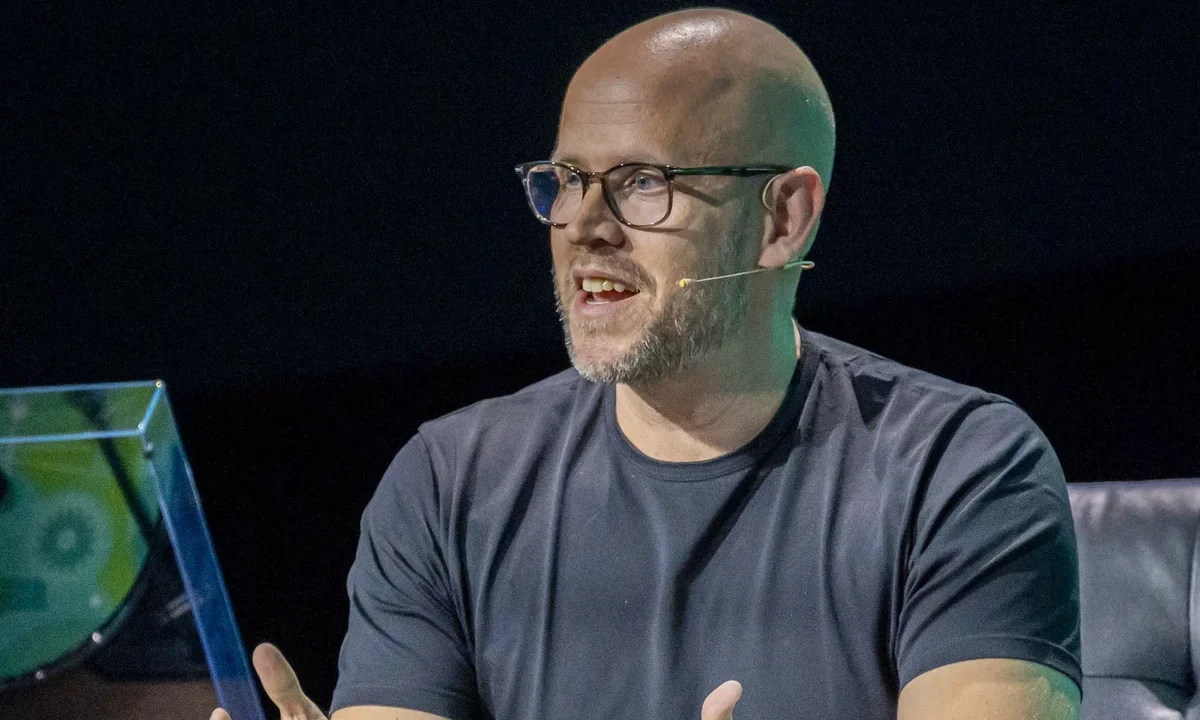
Binance, a marketplace for NFTs and digital collectables, is among the companies pioneering this new avenue within Africa’s digital and creative economy. Established in 2017, the Changpeng ‘CZ’ Zhao-led company boasts an ecosystem of products that includes mergers and acquisitions, an incubator, and its own blockchain, the Binance Smart Chain.
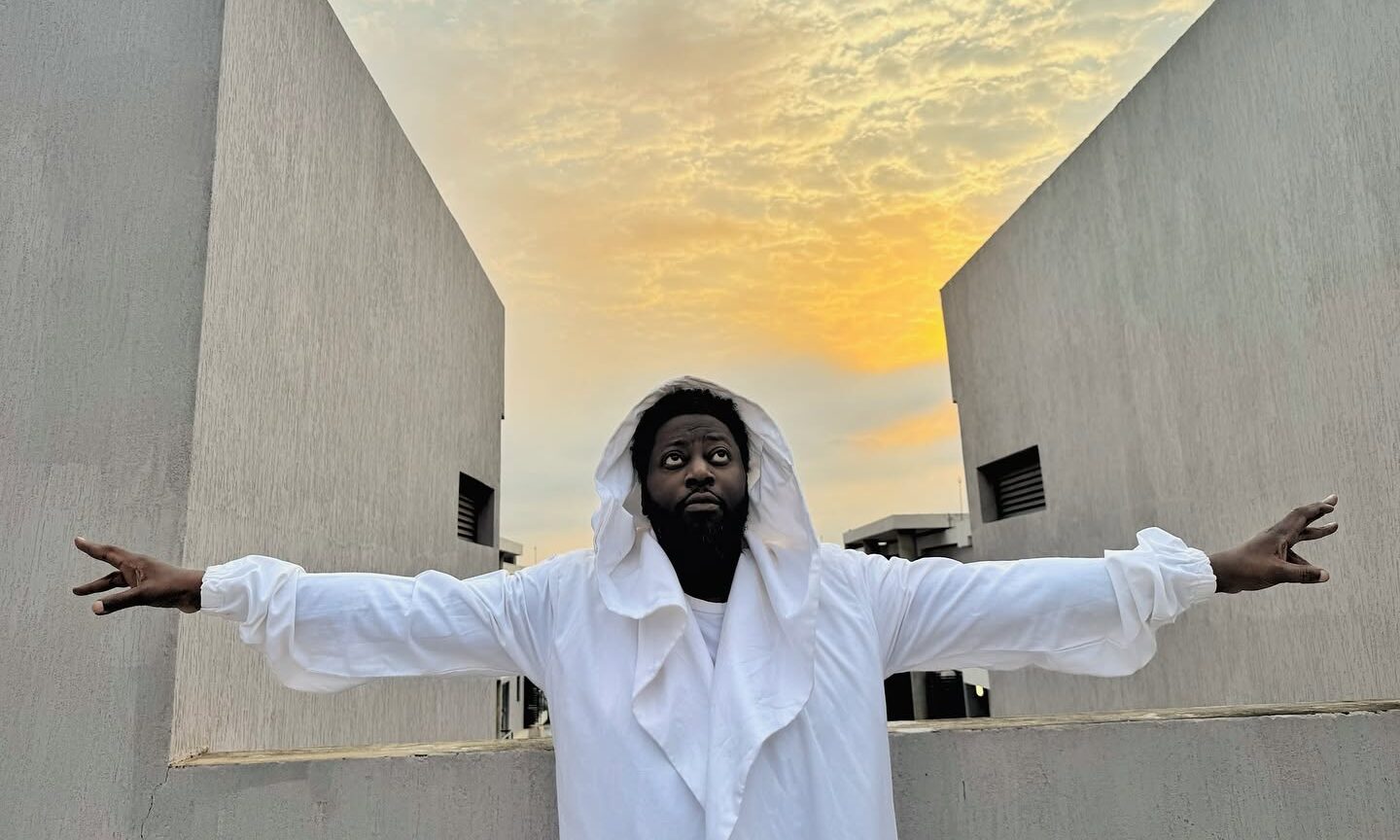
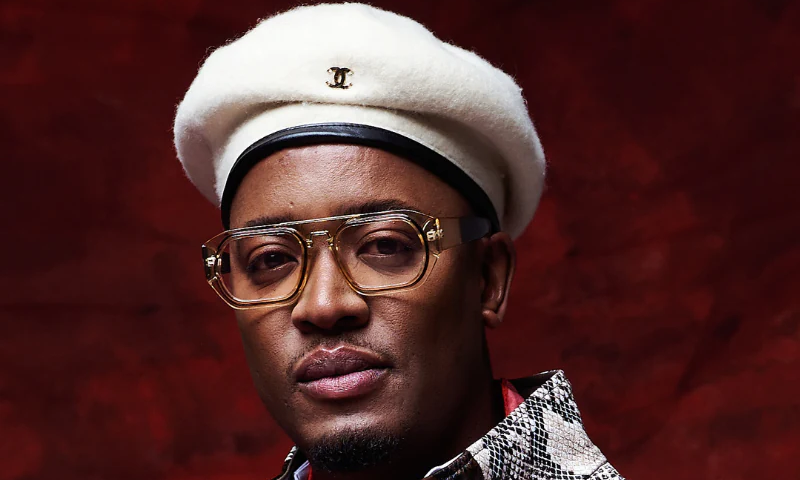
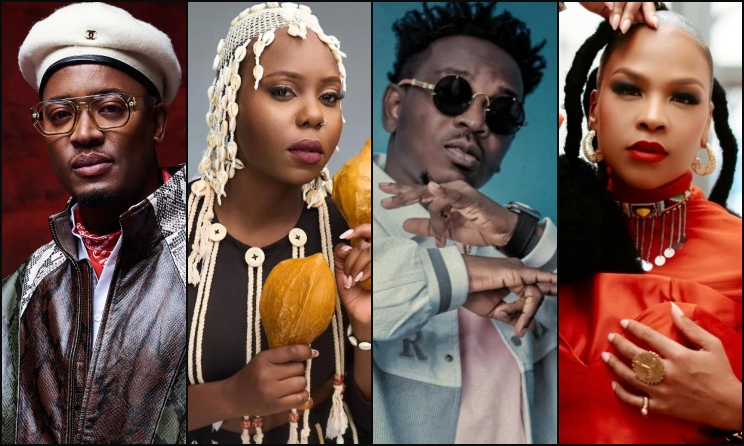
In June, the company named Nigerian rapper MI Abaga and the Uganda Museum as part of its inaugural 100 Creators Campaign – an invite-only trading initiative spotlighting local artists and creators from around the world while amplifying diverse voices and perspectives. The programme will see MI Abaga launch a five-article NFT collection on the platform. “This is important to me because I believe technology and innovation will improve life. It’s an incredible opportunity to innovate and chart a course forward for creatives all over and I’m honoured to be a part of it,” he said.
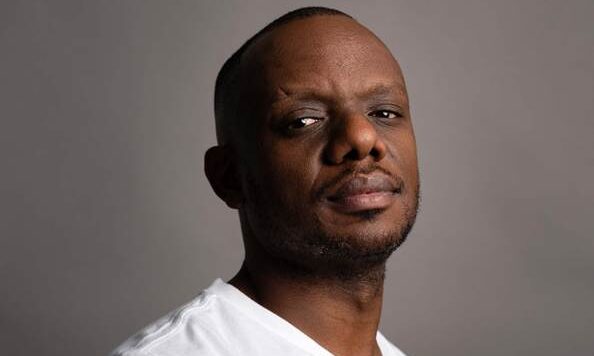
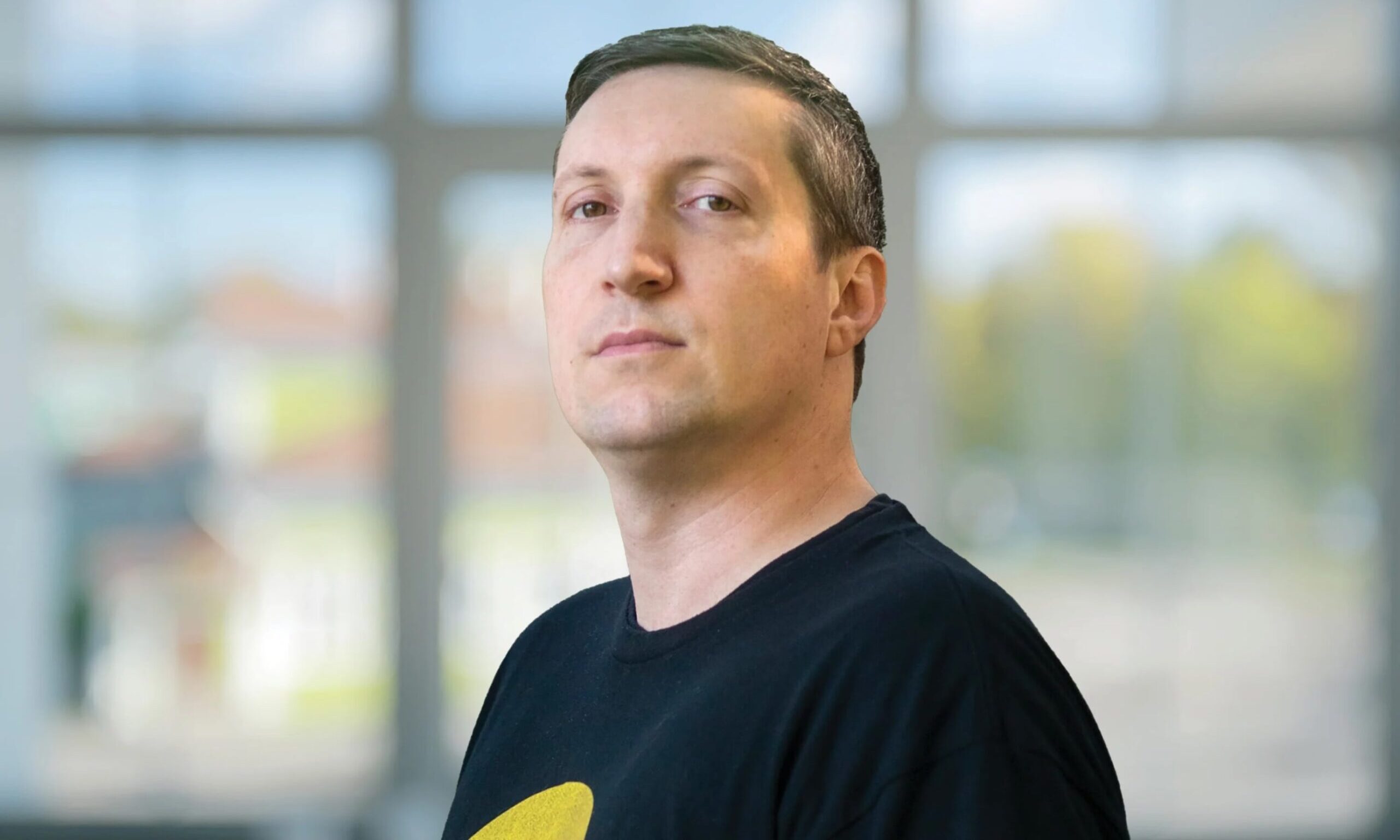
Music In Africa spoke to Binance’s business development manager for Africa, Brenton Naicker, about the company’s vision, the continent’s reception of cryptocurrency and its implications for the creative sector.
MUSIC IN AFRICA: What is your assessment of cryptocurrency use in Africa and what is Binance’s vision for this market?
BRENTON NAICKER: If you look abroad, particularly at first-world countries, cryptocurrency is already adopted as an investment vehicle, but if we look at African countries, we have problems that are actually solved with it. People are using crypto on the ground here in Africa like nowhere else in the world. It’s because we have problems like currency devaluation, so coins are huge in Africa and it gives people a way to preserve the purchasing power that they have earned for years without all the wild fluctuations.
Africa, and particularly sub-Saharan Africa, is one of the most expensive regions in the world to remit money to. Crypto allows you to do that 24/7 while eliminating time delays. All of this softened CZ’s heart towards Africa. In 2018, he saw the potential of Africa and how many problems crypto could solve here, and ever since then, we have aggressively moved into Africa. We have invested in education by providing services and setting up the Binance Charity Foundation. Overall, it’s really just been about facilitating the benefits that crypto, blockchain and the entire ecosystem can provide for Africa.
What about Binance’s interests in the entertainment and music sectors?
In June, we launched our NFT Marketplace. NFTs have opened up a whole new way for artists to create and disseminate their works digitally. So, for the first time, you can create a token to represent a digital piece of art and access to your next concert or whatever it might be. And again, coming back to why it’s so brilliant for Africa, is that artists in regions like Europe and America have really good infrastructure around them in terms of labels and distribution methods, but the same can’t be said for Africa.
And what is amazing is that the creation of the Binance NFT platform, which has millions of users globally, has just opened the door for African artists in the sense that a digital artist in Kenya who may be a student can create a piece of digital art that can be immediately accessible to millions of people. Someone in Germany can buy that artwork within minutes for thousands of dollars without any friction. It also removes middle layers for players like labels, because now an artist has a way to copyright their work. The NFT layer in itself contains intellectual property, and then they also find a way to sell and distribute it because of NFTs on the Binance Marketplace. So it has really opened the door for African artists to global exposure to monetise their work in a far easier way than they were previously allowed to. We've seen that now with projects like the 100 Creators Campaign.
It’s one thing to identify potential and another for your target market to be ready for innovation. How ready is Africa for this new digital medium of exchange?
People always see Africa as a late adopter of technology and that’s how this question comes about. We saw it with everything from internet penetration to smartphone penetration. We were sort of at the end of the adoption scale. But for the first time, Africa is the leading region in terms of adoption when it comes to cryptocurrencies and blockchain technology. All the research is saying the exact same thing – everything from the Google trend searches to the global reports that talk about Nigeria, Ghana, South Africa and Kenya. Binance and other stakeholders have invested a lot of time, effort and resources to ensure that that’s the case. Our Binance Masterclass for Africa is just one educational campaign that we’ve run, reaching well over 300 000 people thus far. Africa is not only ready but we are probably going to lead the charge in this new revolution.
Is streaming a threat to Binance’s strategy in Africa’s music space?
One thing Binance does very well is not to impose products onto our users. Rather, we adapt quickly to what the user demand is. I know that there are certain blockchain applications now that are based on the whole concept and business model of streaming, which is great. Should that become a popular sector within the crypto and blockchain space, it’s definitely something that Binance will look at bringing in-house. Binance definitely takes our strategic decision-making from our user base. So if that becomes something that our users start to adopt and we start to see a lot of user queries coming in about it, we will immediately look at developing something that can satisfy them.
What influenced the choice of artists like MI Abaga as a partner for Binance’s 100 Creators Campaign?
Particularly in Nigeria, we know how crypto-forward everybody is. What is great is that many of the artists are crypto pundits in any case. Our entire African team really had good relationships with a number of artists and key opinion leaders. And so when this opportunity came about, because of these existing relationships, the artists reached out to the team and expressed their interest in participating. Of course, we were more than happy to have them.
Are there plans to expand that roster to include other African artists?
Absolutely. Not just those who are sort of domiciled here in Africa but we are currently talking to a lot of famous expats abroad who really want to participate in growing the African sector, specifically through NFTs. The 100 Creators Campaign was really just the beginning, but I can assure you that in the next few months we will see some very exciting collaborations and events, particularly around the NFTs For Good campaign, where a portion of funds raised during an event will go to generous causes like education, feeding the underprivileged, preventing human trafficking, and more.
What unique position would you say Africa occupies in the overall agenda of advancing the NFT model.
The creative potential of Africa and African artists is just unrivalled. Nobody comes close to us globally. But the funnels that artists have abroad have allowed them to receive greater attention and better distribution, which is not the same for African artists. African artists are excited about how they will be able to get the right distribution channels and cut out all of these middlemen. I would love to say that Binance has just been there pushing everything aggressively, but to tell you the truth, it’s the artists who are most excited about it. I think they realised early on what this meant for them and the reach that they potentially had. It covers everything from digital arts to music to special rights for content creators.
Because the space is so new, many people are still conceptualising how they want it to work. There is a lot of stuff boiling up from Africa and I think it’s because they have realised that this space really has the ability to level the playing field. Over the next few years, we will probably see a lot of new artists coming to the mainstream purely as a result of the NFT industry.
What’s Binance’s vision for the continent for the next few years?
From a bird’s eye view, we want to dominate the NFT market in Africa. Binance is the darling of Nigerian cryptocurrency lovers, and we are also huge in the South African market. Over the next three to five years, our goal is to extend the benefits we have given to people, like stable coin access in countries like Nigeria. We want to expand the same influence we have in the large markets to every single market in Africa. We are focused on expanding our influence and reach to the Francophone regions, North Africa and going deeper into West and East Africa as well. So we want to spread the same Binance communities and engagement across Africa. We are also keen on refining our product set according to our African user needs and demands.


Most popular
Call For Applications : ACCES seeks a UK-based performer
10 Sep 2026

Top amapiano songs of 2026
16 Feb 2026

Top Afrobeats songs of 2026
19 Mar 2026
AFRIMA 2026: All the winners
12 Jan 2026
Open call: Goethe-Institut grants for Southern African creatives
08 Sep 2026

Top Naija songs of 2026
31 Mar 2026

Open call: Ernst von Siemens Music Foundation 2026 funding programmes
04 Sep 2026
Disclaimer: Music In Africa provides a platform for musicians and contributors to embed music and videos solely for promotional purposes. If any track or video embedded on this platform violates any copyrights please inform us immediately and we will take it down. Please read our Terms of Use for more.

Subscribe to our monthly Newsletter
Follow us on social media


Please log in to post a comment.