






































NEFCISA
NEFCISA

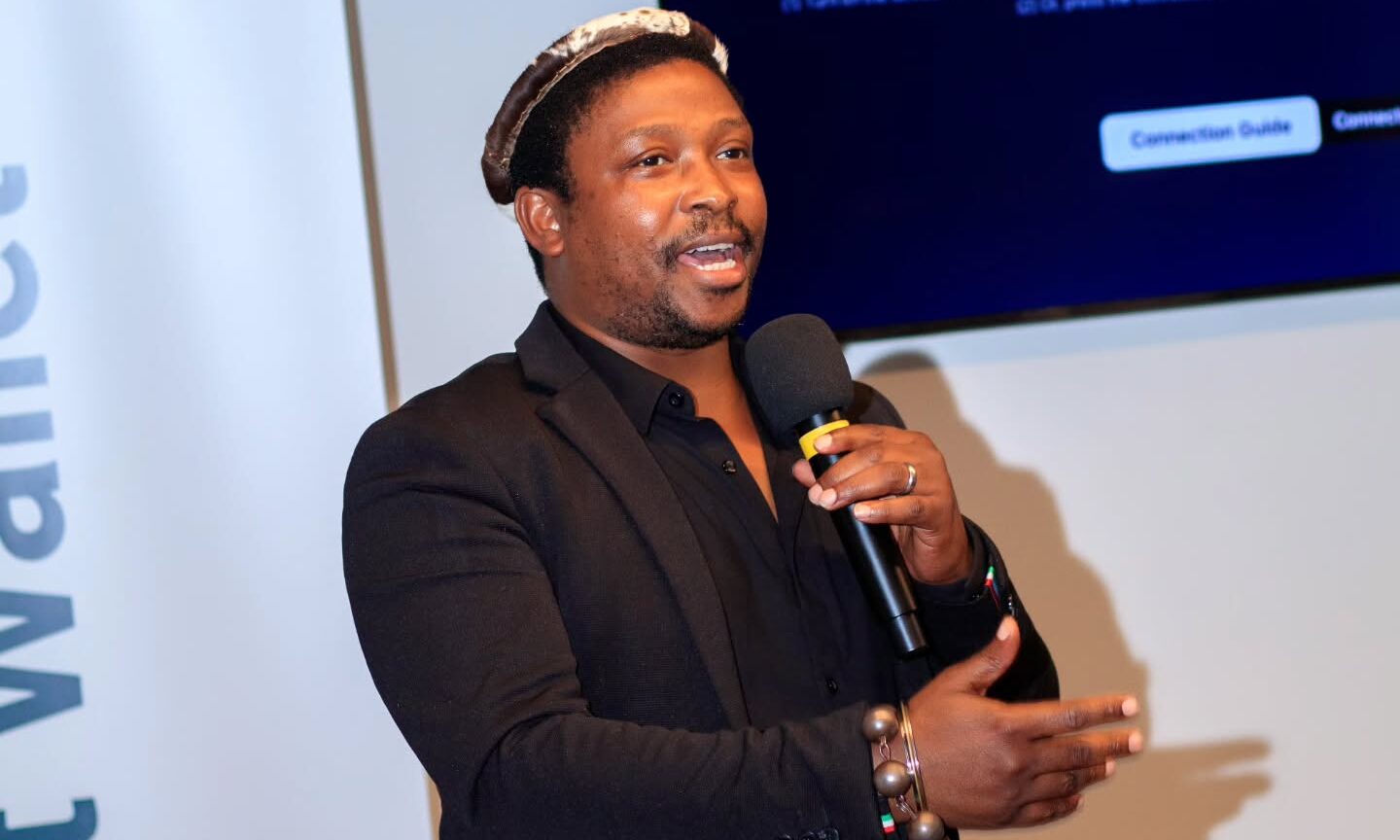
The Music In Africa Foundation (MIAF) is proud of its partnership with the Industrial Development Corporation (IDC) as a Strategic Implementing Partner (SIP) for its Social Employment Fund (SEF). Through this collaboration, MIAF is running a national programme that is creating jobs, addressing skills gaps, and strengthening South Africa's creative industries — in line with the SEF's overarching goal to generate work for the common good and build community value through employment, social contribution, and inclusive economic participation. Operating under the banner NEFCISA (National Employment Facility for Creative Industries in South Africa), the initiative is recruiting and training participants, matching them with host organisations, and has already placed 1 500 workers across the country — surpassing its original target of 1 000. NEFCISA is delivered through a network of 20 host organisations spanning five provinces, who are actively hosting participants and contributing to work for the common good across South Africa's creative and cultural industries. Key Objectives: Support employment and entrepreneurship in the creative industries. Offer skills development and training programmes. Foster partnerships between public and private creative sectors. Promote South African creativity at both provincial and national levels Foster community development through social contribution.

ACCES
ACCES

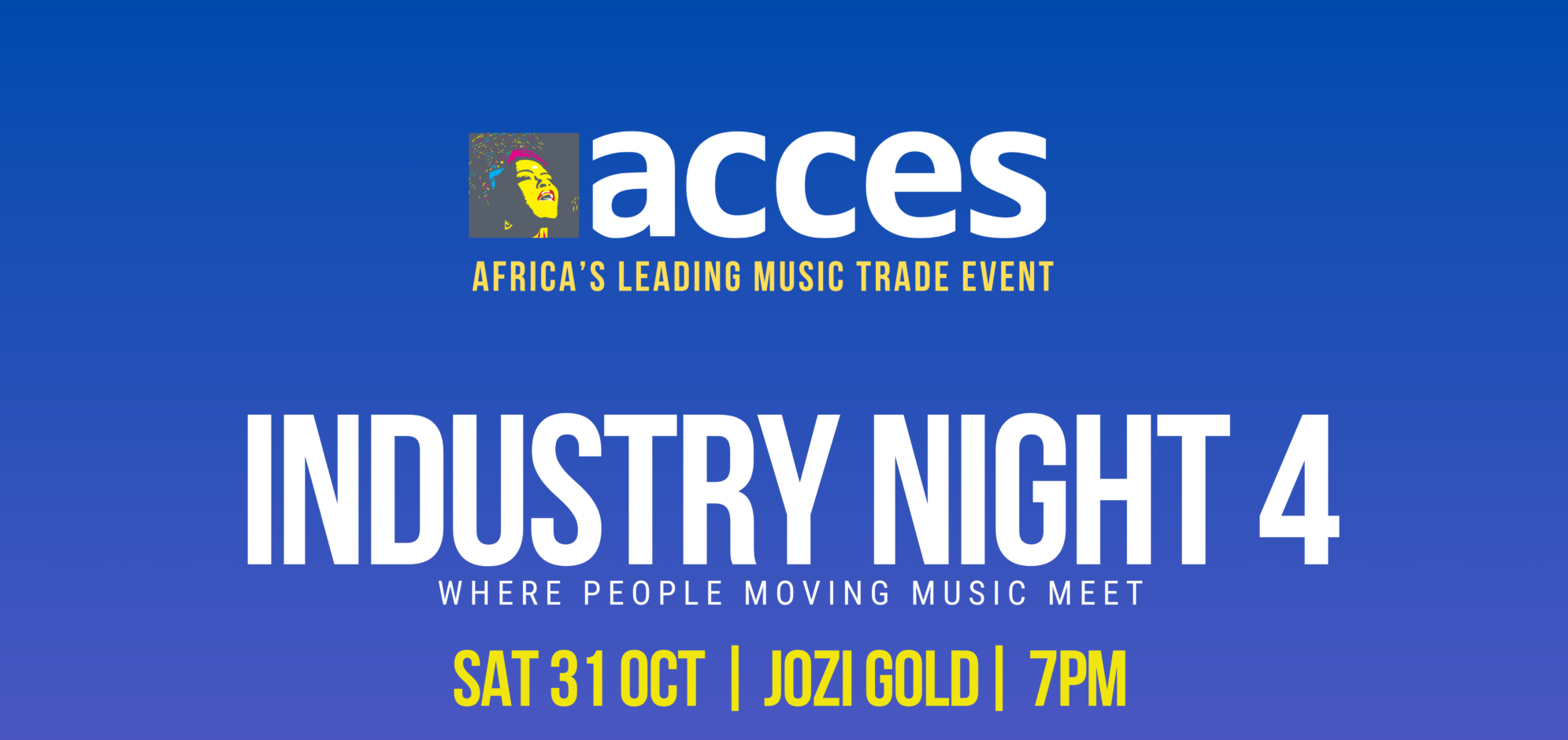
ACCES Conference and Showcase Festival is Africa's leading music industry gathering, bringing together the people shaping the future of the continent's music business. Artists, entrepreneurs, executives, investors, policymakers and cultural leaders from across Africa and around the world come to ACCES to build partnerships, exchange ideas, discover talent and create new business opportunities. Since its launch in 2017, ACCES has become the continent's premier platform for professional exchange and music market development. Combining a high-level conference with a curated showcase festival, networking, exhibitions and industry programmes, ACCES offers a unique space where creativity meets business and where African music connects with the global industry.

Gender@Work
Gender@Work

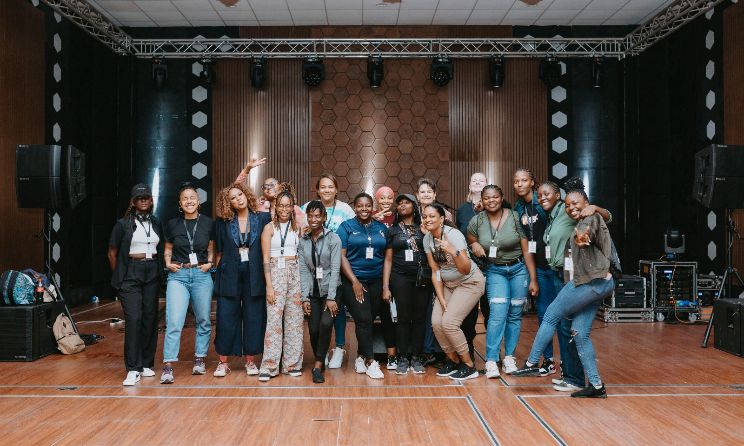
Music In Africa Gender @ Work is a three-year training programme aimed at upskilling and increasing the participation of female professionals in the African music sector. Launched by the Music In Africa Foundation (MIAF) in April 2019, the programme is connected to the MIAF’s ACCES music conference – a pan-African event held in a different African country every year. This connection enables the programme to reach new participants in a different African country every year. The programme marks the beginning of a more concerted effort by the Foundation to support the participation and inclusion of women in all facets of its programmes and the music sector in Africa as a whole. Over the three years, the programme will aim to address gender imbalances in the sector through training, lobbying, facilitating knowledge exchange and dialogues that foster the interest of women. The broader objectives of the programme are to: Provide industry training for women on critical music industry skills, focusing on: Stage management Electronic music production and recording Music business management Technical knowledge Provide an opportunity for both professional and aspiring women to benefit from the Music In Africa network and its broad range of activities in 2019, 2020 and 2021. Provide a solution-based platform in the form of a round table at ACCES with a view to identify challenges, discuss opportunities and lobby for the interests of female practitioners. Offer participants the opportunity to benefit from programmes offered by MIAF’s partners. Increase access to educational materials. Integrate participants in the broader ACCES programme to maximise experience and exposure to the industry. Record and present training materials on the www.musicinafrica.net, including but not limited to tutorials, templates and other best-practice materials. Communicate women-based themes that support the initiatives and messages of the programme. MAIN TRAINING ACTIVITIES Training in first country (Ghana): In the first year, participants will be trained on all aspects of stage management by a team of experienced stage managers from 10 to 17 November 2019. The programme will offer robust classroom training as well as practical, hands-on training in which participants will also be given the opportunity to manage various aspects of the ACCES performance programme. Training in second country: The second training iteration will take place at ACCES 2020 when the programme will diversify its course to include music production lessons and training on other music business topics. A round-table platform will also be introduced to coincide with the ACCES programme. Training in third country: The third training iteration will take place at ACCES 2021 in a different country, offering an advanced course. HOW DO YOU GET INVOLVED?  As a participant, facilitator or trainer: The programme enrolls up to 12 trainees every year. All opportunities are advertised publicly on this website, and will be added to this page. Please keep checking this page for new calls (below under UPDATES & CURRENT OPPORTUNITIES). As a partner Please contact Claire Metais at [email protected]. APPLY The call for applications for 2020 will be announced soon. The Music In Africa Gender @ Work programme is made possible with the support of the Prince Claus Fund, Siemens Stiftung and Goethe-Institut.

Sound Connects Fund
Sound Connects Fund

For cultural and creative practitioners and organisations operating in southern Africa, access to funding remains a major challenge. The COVID-19 pandemic has also had a massive impact on government policy, spending and the economy in general, and has seen spending on culture being moved further down the list of priorities. Further, the cultural and creative industries repeatedly cite four main areas where investment is needed for growth, which are increased visibility, mobility including access to new markets, finance and support structures.

Instrument Building And Repair Project

Experience the Vibrations African Instruments Exhibition online in 3D

Features

Meet Nino, Ghana’s opera singer

11 May 2016 - 14:51

cc-img flag-img

Ghanaian music is well-known for such genres as highlife, hiplife, and gospel. But one Kumasi-born artist is bucking that trend.

Agyemang Kofi Offeh also known as Nino

Nino, born Agyemang Kofi Offeh, has been singing and composing since childhood. Thanks to his father’s interest in classical music, Nino developed a passion for the genre even though he started out singing gospel and highlife. Despite gaining some success as a highlife artist, Nino couldn’t shake the feeling that he was destined to do something else.

A turning point came when he was hospitalised after a car accident that could have claimed his voice and limbs. “I remember lying in the hospital bed,” Nino says, “and watching myself performing my highlife tracks on TV and hearing my songs on the radio. I thought, but I haven't done what I am supposed to do."

Nino’s singing voice contradicts his normal softly-speaking voice. His sentences are punctuated by a rich booming tenor when he breaks into Handel’s ‘Cogeti’ or ‘Nessun Dorma’ (None Shall Sleep) from the Giacomo Puccini opera ‘Turandot’. He speaks passionately about music. “If I were to be the President of Ghana,” he says, “I would rule the nation with music because music is the centre of everything.”

It is this love for opera that propelled him from his home city, Kumasi, to London where he has worked on honing his talent to an international crowd. Inspired by Black opera singers including South African Pumeza Matshikiza and African American tenor Noah Stewart as well as Italian greats Luciano Pavarotti and Andrea Bocelli, Nino has been driven to succeed. He taught himself to sing some of the best-known opera classics with the help of YouTube, and can now deliver songs in Italian, Spanish, English, French, German, and Latin.

Nino has also performed in his native tongue Twi. But without the infrastructure necessary to compose and produce a piece, it has been difficult to deliver a song “in true operatic style”.

His home country has a symphony orchestra which was established during Kwame Nkrumah’s presidency by Ghanaian composer Philip Comi Gbeho. The Ghana’s National Symphony Orchestra (NSO) performs works of composers from Ghana and other African nations as part of its African Composers Series, which was established in 1996. And although Nino has collaborated with the orchestra, he says a stumbling block is that the orchestra is set up to play choral music not opera.

"With opera music you must have a timpani (or kettle) drum,” he says. “For example, if you give [the Symphony Orchestra] a composition that demands that, how are they going to play it? They are going to play it with what they have, piano, violins etc. That will spoil the beauty of the song.” Another challenge is the limited interest Ghanaians have in this style of music. Sometimes there are negative reactions from those in the west to a Black man singing opera.

Opera is considered to be for the upper classes, though ordinary people can appreciate the music as well. As a result, it requires a re-education. Nino talks about an incident when after singing in Italian at an event in Ghana, someone shouted in Twi from the audience: 'Hey... yen tiase-o!' (We don't understand), asking that Nino explain to him. "I found it quite interesting because music in itself is not just about the language, it is about the composition of the song. We have some songs that have no lyrics but we still like the song. I, for example, listen to Irish singer Enya and I don't know what she is saying but it still means a lot to me."

But he is not despondent about the reactions of some. “I just live to be a redefinition,” he says, “to be able to inspire a lot of people by getting the zeal and passion to venture into new areas. You don’t need the whole world to say what you are doing is good. Do what you feel like doing and you will, by all means, get people following you and appreciating what you are doing.”

Nino believes he is helping to shape modern opera by bringing Ghanaian influences into his work. He calls this fusion Nuslam. Nuslam synchronises elements of palmwine and highlife music with the rhythms of opera. Fans can expect a taste of this new fusion soon. Nino is working with an orchestra in the UK to develop an album, which will include Nuslam and a song in Twi. Since starting out more than three years ago, Nino has developed a fan base, having performed at Ghana’s National Symphony Orchestra at the BEFFTA (Black Entertainment Film Fashion and TV and Arts) Awards, at TEDx Accra, and at a charity event arranged by the Ghanaian midfielder Michael Essien. Now, youngsters with a similar passion for opera are making themselves known.

“I never knew Ghana had men and boys that could sing soprano [the highest vocal range typically associated with classical female singing voices,]” says Nino. “But it made me think that if Ghana has people with this talent—all they need is a little push and support from the music industry.” When Nino returns to Ghana, he hopes to have gathered enough support, and hopefully funding, from both the UK and his home country to pass on his skills to talented youngsters. His dream is to see an opera house in Ghana. In order to reach that goal, you have to build the foundation, he said.

“Opera has to be a movement, not a solo thing," says Nino. "And that means cultivating the interests of the young and finding talented musicians able to learn and play the required instruments. That is how you build an orchestra."

Please log in to post a comment.

Most popular

Disclaimer: Music In Africa provides a platform for musicians and contributors to embed music and videos solely for promotional purposes. If any track or video embedded on this platform violates any copyrights please inform us immediately and we will take it down. Please read our Terms of Use for more.

newsletter banner

Subscribe to our monthly Newsletter

Follow us on social media