


















































Opportunities in the development sector for South African musicians
24 May 2022 - 07:33


In addition to mainstream teaching opportunities, as well as online courses and e-learning materials, musicians looking to enter the education sector should remember its broad mandate of social transformation. There are many initiatives around the country, both large and small, where music skills can be put to transformational use.
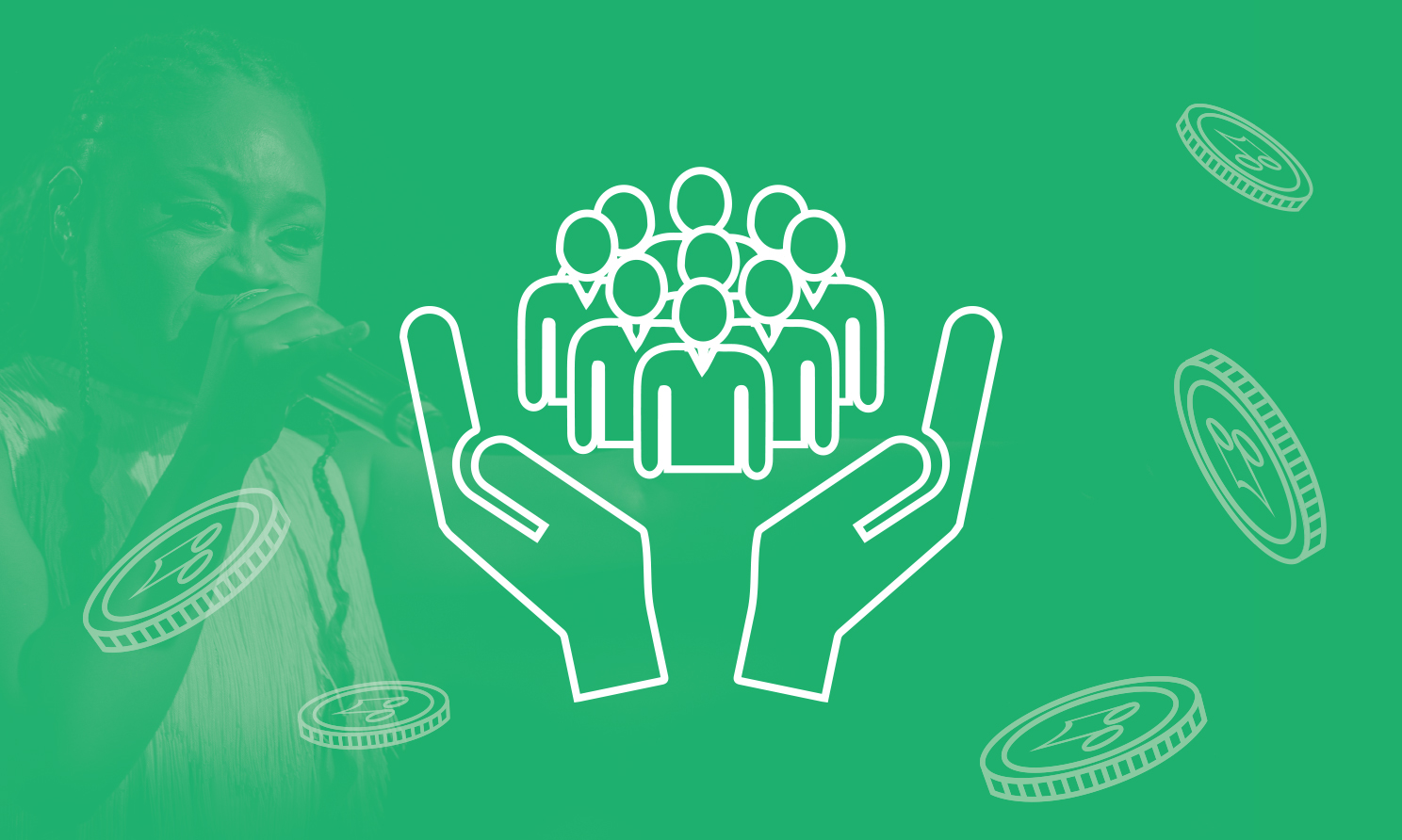
This article looks at ways for musicians to make an income – as well as make a difference in society – by getting involved in the development sector.
South African music: A rich cultural resource
Pianist and ethnomusicologist Dr Alvin Petersen was the first South African to be voted onto the board of the International Society for Music Education. In 2000, Petersen established the National Indigenous Music and Oral History Project for the promotion, preservation and protection of indigenous music of South Africa – a detailed document that was presented to the government as a methodology towards standardising an African music syllabus for schools and universities. As Petersen says, “South African music is envied for all the wonderful traditions on which we sit. And in the same breath we are chastised for not doing enough about our music education.”[1]
It is important for South African musicians to realise the richness of the cultural resource they have access to, and look for opportunities to preserve and share this musical heritage. Not only will this ensure that authentically South African music continues to thrive among the next generation of students, but the keen interest in South African musical traditions could lead to interesting career opportunities.
One case study of how this approach can pay off is seen in the example of guitarist Billy Monama. Monama compiled and wrote the soon-to-be-released South African Guitar Styles: Volume One.[2] In this publication, kwela, mbaqanga, maskandi, African jazz and all their sub-styles are documented for education through scores, tutorial videos, discographies and historical analyses. Moreover, through driving the agenda of South African guitar styles, Monama has received endorsements from Gibson and Sennheiser, as well as funding from the SAMRO Indigenous African Music (IAM) transcriptions project.[3]
Further evidence of this groundswell of interest in South African music is found in the recent publication of The South African Jazz Real Book (Vol. 1 “Jika”), a collection of SA jazz standards compiled by trombonist, educator and founder of Jazz.co.za Jannie ‘Hanepoort'’ van Tonder, and pianist George Werner. Reflecting on the experience of publishing the book, Van Tonder says, “My standout takeaway from this whole process has been the enormously rich body of work that exists in terms of SA Jazz repertoire, so much of which has not been published, recorded or distributed to the extent that it is necessarily available in the mainstream.”[4]
South African musicians looking to tap into the country’s rich musical heritage may find the following resources helpful:
- Review our article on funding opportunities for South African musicians, paying particular attention to opportunities that involve the promotion/preservation of cultural/musical heritage.
- Regularly check the Visual Arts Network of South Africa (VANSA) webpage for arts opportunities, as well as Music In Africa’s real-time updates of funding opportunities.
Educational workshops
As early as 1965, Hugh Tracey – known as magadagada (‘the sewing machine that never stops’) – presented the groundbreaking research paper, A Plan for African Music. It was the initiation of a formalisation for African music education, “codifying the logic which lies behind the creation of indigenous styles of music and bringing it naturally, without prejudice, into the realm of African education.”[5]
Yet, in 2022, there is still much important work that lies ahead in presenting South Africa’s brilliant and authentic musical styles and languages with a contemporary educational outlook. To answer this need, bass player, recording artist and educator Concord Nkabinde established in 2021 Music Creators South Africa (MCSA) in order to help protect composers’ interests, and continue with the important role of bridging skills development through educational workshops.[6]
Historically, in the South African context, community centres have been notable breeding grounds for musical talent – and today they continue to play a crucial role in providing the pathway for many talented musicians to build a future career. These remain excellent spaces for hosting skills-development workshops of all kinds.[7] Meanwhile, in the context of the COVID-19 pandemic, engaging YouTube channels offering online workshops – such as Jazz Uhuru) – are available for viewing.
Musicians looking to start educational workshops of their own are encouraged to review Music In Africa’s article on funding opportunities for SA musicians – and especially the section on NAC Funding, as this organisation prioritises projects with high social impact. Those who are feeling inspired to start an online series of workshops can consult our guide on earning money using the YouTube Partner Program.
[video:https://www.youtube.com/embed/joWw3RKxxvY width:744 height:446 autoplay:0]
Video: In this video from the Cape Town Music Academy, Concord Nkabinde discusses the importance of giving back to the music industry.
Non-governmental organisations
The value of the NGO sector to South African society has been long documented, with organisations across the country working tirelessly to offset important social deficits, while contributing more than R1.5 billion to the economy each year.[8] Furthermore, Music In Africa’s Revenue Streams for Music Creators in South Africa 2022 report shows that NGO grants provide an average monthly income of R13 584.
Given their important social role, NGOs tend to have strong ties to local communities, and it is unsurprising that the impact of the NGO sector has been strongly felt in the local music industry. Among the many notable examples are the iconic Buskaid Project, an orchestra operating out of Diepkloof since 1997, the Moses Molelekwa Foundation, operated by Jerry ‘Bra Monk’ Molelekwa and based in Tembisa, and the Mamelodi-based Committed Artists for Cultural Advancement (CAFCA) organisation, founded by Jess Mogale.
The NGO sector is a fast-moving, dynamic environment where South African musicians are bound to find opportunities to contribute their time and skills to broader aims of social development.
- NGO Pulse is an excellent resource for the latest vacancies in the NGO sector.
- Other good resources include NGO Jobs in Africa and NGO Jobs Vacancies.
- Review our funding opportunities article to learn more about BASA Supporting Grants and ACT Mobility Funds.
[video:https://www.youtube.com/embed/1-WK0vZlCCs width:744 height:446 autoplay:0]
Video: An SABC News insert about the Moses Molelekwa Foundation from 2015.
Studying abroad
Some universities and music colleges – especially those that have extensive relationships with other academic institutions around the world – offer academic grants and exchange opportunities, helping students to further their careers by studying abroad.
Music In Africa’s Revenue Streams for Music Creators in South Africa 2022 report indicates that academic grants can provide an average monthly contribution of R18 375. These opportunities also showcase the role of music as an international language. Cultural exchange can provide great benefits to your development as an artist and to your music career.[9]
Recent study-abroad success stories, all taken from the music department at the University of KwaZulu-Natal (UKZN), include pianist Witness Matlou, who won Berklee College of Music’s Africa Scholars Program and is now living in the US while helping to run the Panama Online Jazz Festival, pianist Sibusiso ‘Mash’ Mashiloane, who spent a semester abroad in the US, and gqom producer Prince Bulo, who studied under John Rapson and Steve Grismore at the University of Iowa’s School of Music.
South African musicians interested in studying abroad can find more information about funding and opportunities below:
- Review our article on funding opportunities – paying special attention to bursaries provided by the NAC and the SAMRO Foundation.
- Check individual university music department websites for news about study exchange opportunities – e.g. UKZN, University of Cape Town, Wits University, University of Pretoria, North West University and Rhodes University.
A truly integrated, Afrocentric music curriculum remains the unfinished work of the new South Africa – and, for now, meaningful transformation is often best achieved through grassroots and community-based initiatives.
Therefore, by finding opportunities in the development sector, musicians can supplement their revenue streams, while also helping to ensure that the future of South African music education develops along authentic and sustainable lines.
Resources and citations
- [1] Original interview for Music In Africa with Dr Alvin Petersen: January 4, 2022.
- [2] Ansell, G. (2020). “Billy Monama: stringing together South African guitar history”. Mail & Guardian. Accessed on January 22, 2022: https://mg.co.za/article/2020-05-06-billy-monama-stringing-together-south-african-guitar-history/
- [3] Indigenous African Music. (2020). An Introduction to South African Guitar Styles. Accessed on January 22, 2022: https://iamtranscriptions.org/an-introduction-to-south-african-guitar-styles/
- [4] Original interview for Music In Africa with Jannie Van Tonder: December 18, 2021.
- [5] Tracey, H. 1965. “A Plan for African Music”. Journal of the International Library of African Music. 3 (4): 6-13. Accessed on January 22, 2022: https://doi.org/10.21504/amj.v3i4.1059
- [6] Shumba, A. (2021). “South African composers now have representative organisation”. Music In Africa. Accessed on January 22, 2022: https://musicinafrica.net/magazine/south-african-composers-now-have-representative-organisation
- [7] South African Cultural Observatory. (2018). Mapping Study - Performance and Celebration. Accessed on January 6, 2022: https://www.southafricanculturalobservatory.org.za/download/734
- [8] National Development Agency. (2016). South African Government Funding to Non-Profit Organisations. Accessed on January 25, 2022: https://www.nda.org.za/assets/resources/97BB1A6D-430C-421F-9595-E018FB203EA5/SA_NPO_Funding_Government_1.pdf
- [9] Lee, I. (2018). “Benefits of Studying Abroad as a Music Student”. Making Music. Accessed on January 25, 2022: https://makingmusicmag.com/studying-abroad/
This article is part of the Revenue Streams for African Musicians project, supported by UNESCO’s International Fund for Cultural Diversity in the framework of the UNESCO 2005 Convention on the Protection and Promotion of the Diversity of Cultural Expressions, the Siemens Cents4Sense programme, Siemens Stiftung, Goethe-Institut, the National Arts Council of South Africa and Kaya FM.
Editing by David Cornwell and Kalin Pashaliev


Most popular
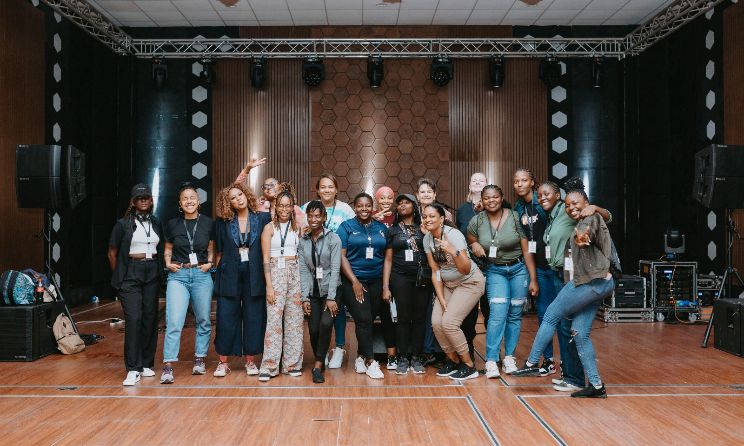
Open call: 2026 Gender@Work music industry training in Johannesburg
09 Oct 2026

Top amapiano songs of 2026
16 Feb 2026

Top Naija songs of 2026
31 Mar 2026

Call for applications: ACCES 2026 Emerging Artist Spotlight Competition
01 Oct 2026

Top Afrobeats songs of 2026
19 Mar 2026
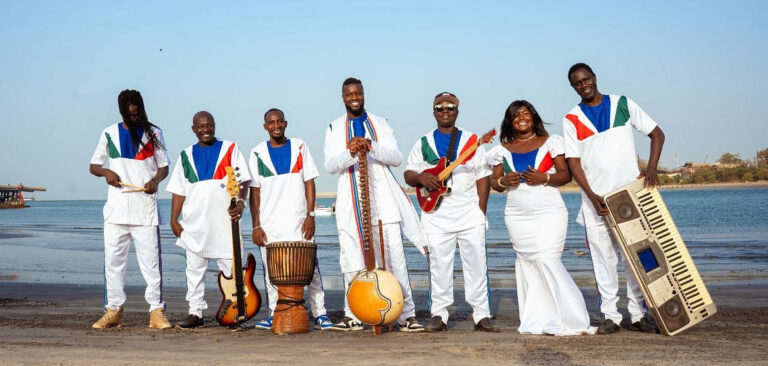
Gambia: Suntou Susso announce UK tour for ‘The Path of a Griot’
09 Oct 2026
Disclaimer: Music In Africa provides a platform for musicians and contributors to embed music and videos solely for promotional purposes. If any track or video embedded on this platform violates any copyrights please inform us immediately and we will take it down. Please read our Terms of Use for more.

Subscribe to our monthly Newsletter
Follow us on social media


Please log in to post a comment.