



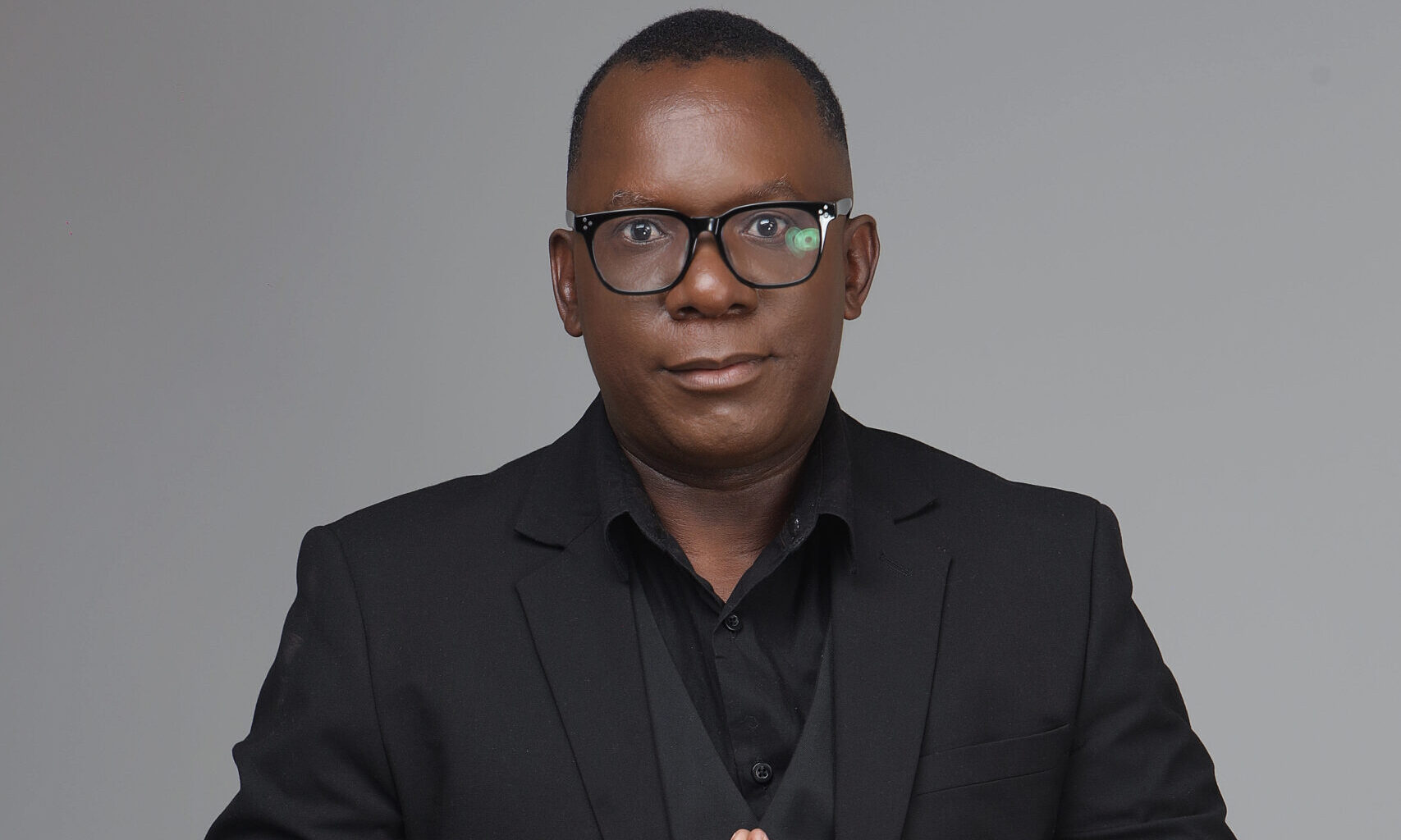

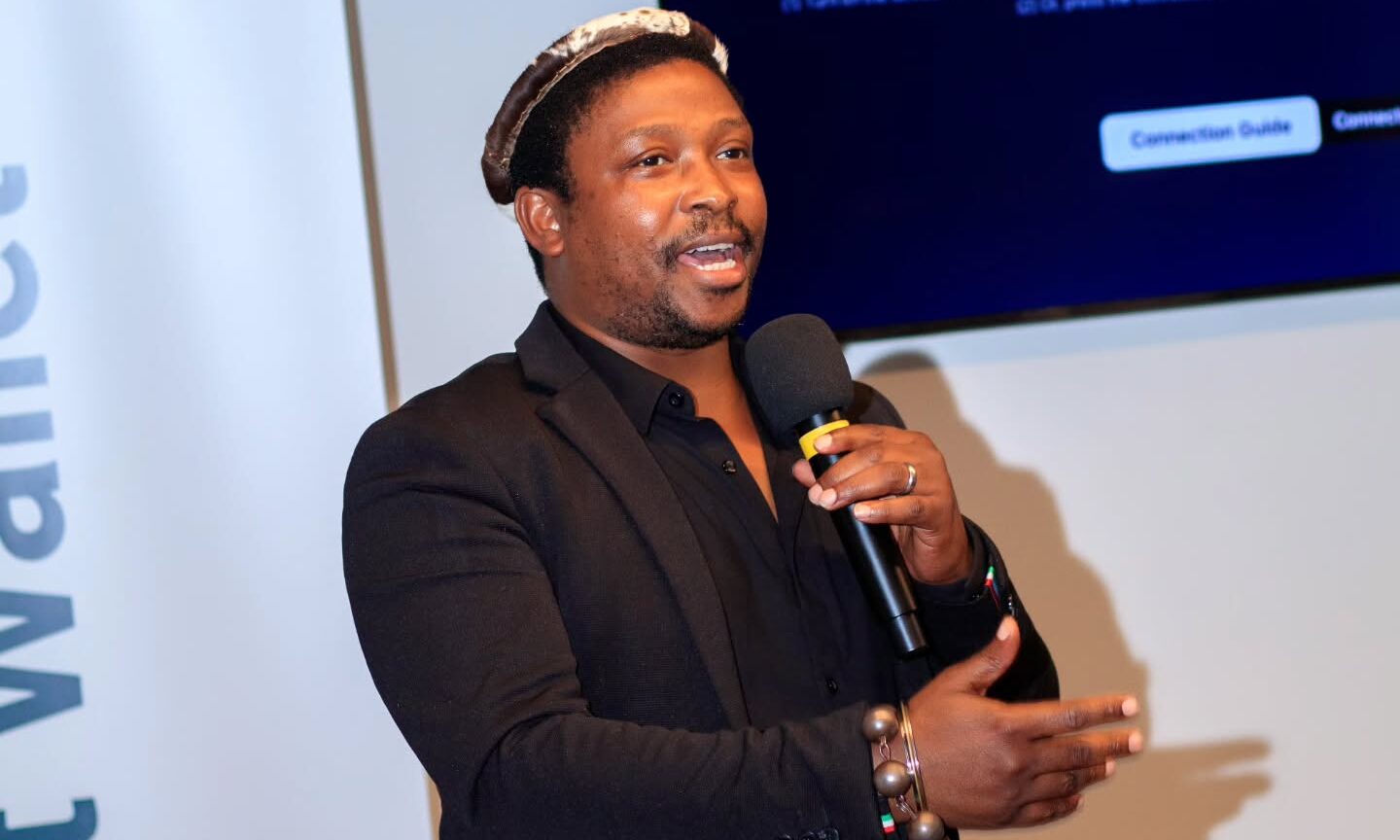
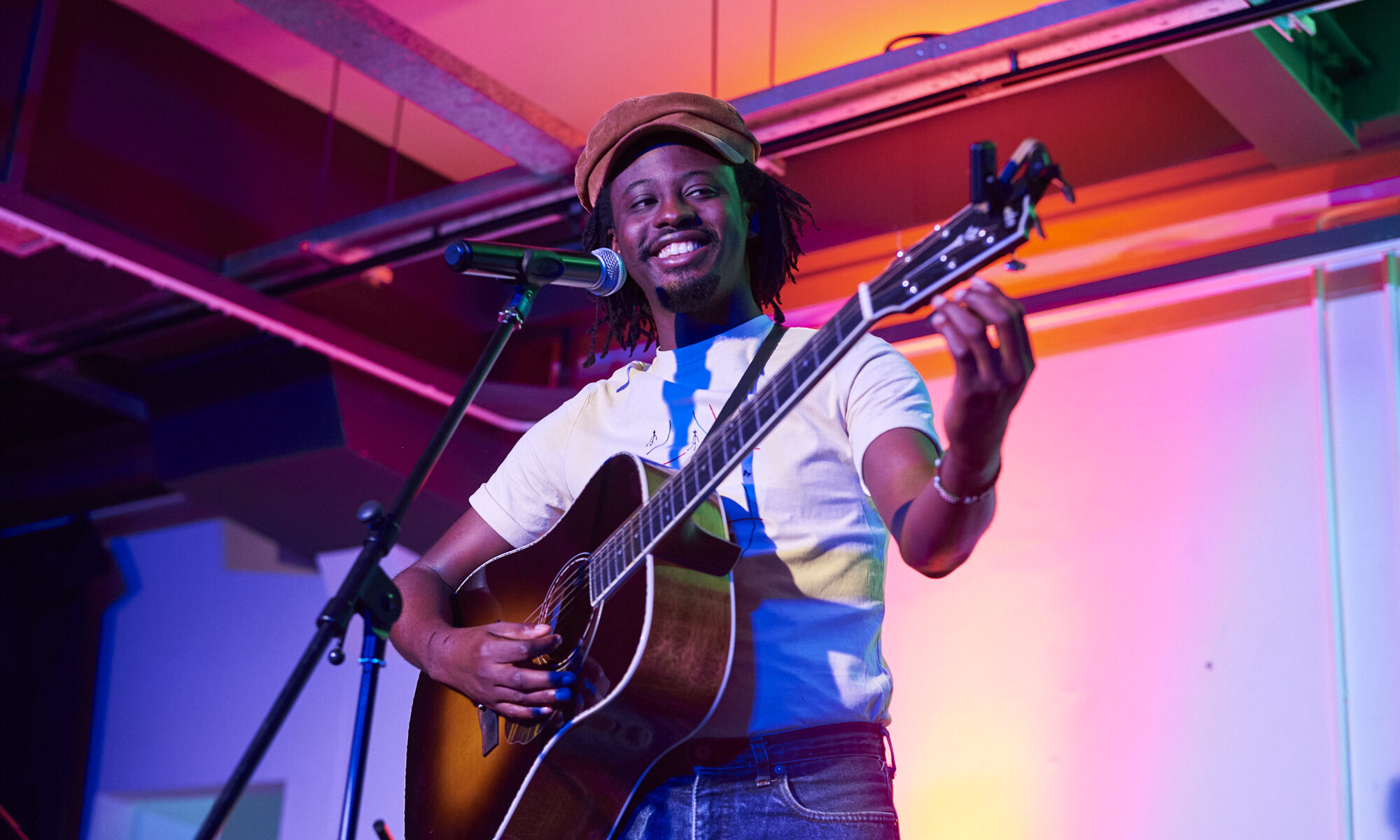
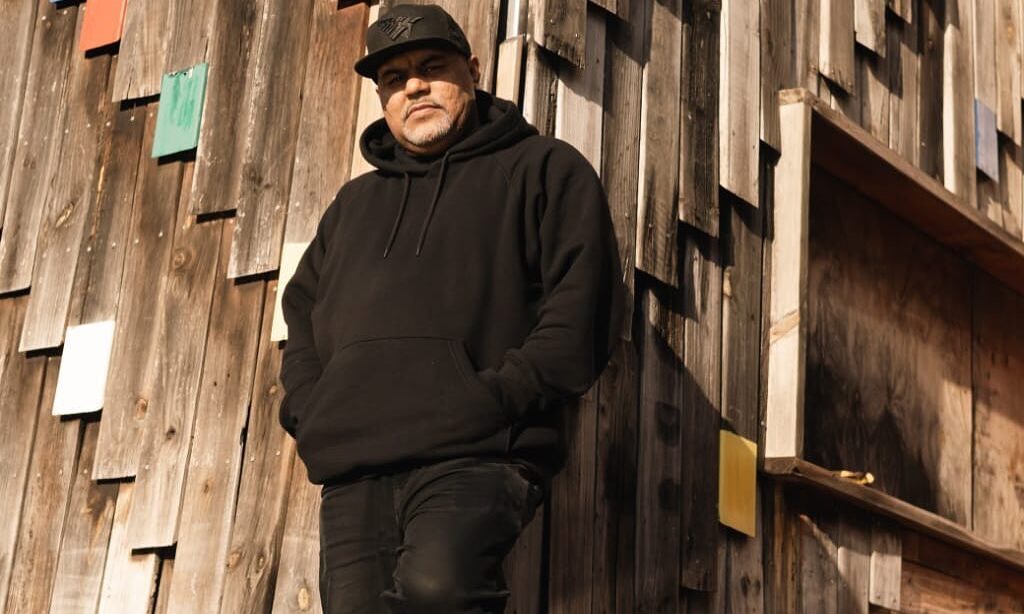


















































Urban Village is making big strides to illuminate the black experience through music. Armed with a sound that is both electric and acoustic, funky and traditional, the band has cast a spell on those who are open-minded and given them a taste of organic art at work.
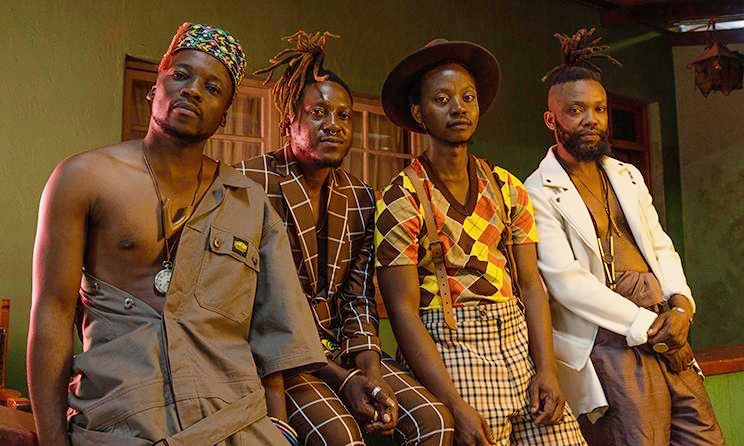
The South African band employs an eclectic and tastefully blended mixture of musical influences and styles, such as mbaqanga, maskandi, rock, folk and jazz. It tells stories of day-to-day personal and social experiences and leans on the archetypal narratives of sages. It thrives in the live space, where it's arguably most potent. That's until the Soweto outfit drops its as yet unnamed debut album early next year – which will be released through French label Nø Førmat.
To give listeners a sense of the band’s indelible live chemistry, Urban Village will on 26 July deliver a live-streamed performance titled It Takes a Village: Episode 1 Mvela Kuqala – The Story of Izivunguvungu’ via sendit.media.
Music In Africa spoke to singer Tubatsi Moloi following the release of ‘Izivunguvungu’, which is off the band's upcoming album.
MUSIC IN AFRICA: Who wrote and produced ‘Izivunguvungu’?
TUBATSI MOLOI: I wrote the melody on mbira and the lyrics with guitarist Lerato Lichaba, who assisted with the arrangement. Our label Nø Førmat suggested that we work with French producer Fred Soulard. Early on, both the label and Soulard were fully supportive of the band's vision for the album, allowing time for preproduction at the Nirox Foundation, with the album being recorded at the legendary Downtown Studios in JHB and Figure of 8 Studios.
What inspired the song and its title and what does it mean?
‘Izivunguvungu’ is a song inspired by the Zulu traditional music genre isicathamiya. It is a harmonious male opera style that Zulu migrant workers occasionally performed together at their places of dwelling. We blended traditional rural music with a modern sound, which led to the creation of ‘Izivunguvungu’.
What message are you sending in the song?
‘Izivunguvungu’ is a song about striving to overcome the storms and hardships of life. It is also a promise of the return home.
What's the name of the upcoming album and how many songs are featured?
We can’t let the cat out of the bag just yet. What we can say is that the album features 12 songs and a couple of those tracks are live performances that were held here in South Africa.
South Africa has many record labels. Why did you choose a French label?
Nø Førmat is a label that the band has respected for a long time. The label has worked with some amazing artists whom we love and have the utmost respect for, namely Oumou Sangare, Blicky Bassy, Melissa Laveaux and Ballake Sissoko. From our first informal meeting in Alexandra to just recently when we shot two music videos, Nø Førmat founder and director Laurent Bizot as well as the label’s former A&R manager, Thibaut Mullings, have been excited to work with Urban Village. That gives us trust that they are the best partner to release our debut album, and they love our music. They are supportive of ideas that we and our management suggest, and they've given us the chance to create an album that can reach a global audience while remaining true to our Sowetan roots. It’s exciting to be the first southern African act signed to such a respected label. Siyabonga [thank you], Nø Førmat.
What makes Urban Village tick?
Our motivation as a band is to create music that encourages, entertains and awakens cultural and traditional consciousness. We are proud of our Soweto and South African roots but are positively pan-African and believe in an Africa where fathers are present and where our sisters can feel safe and have the same opportunities as our brothers. Our songs all have messages, which align with this core belief. ‘Sakhisizwe’ seeks to encourage listeners to unite and build the nation, ‘Ubaba’ encourages people to embrace the importance of being a father and playing your role in society, and ‘Dindi’ celebrates one’s dark skin.
What are your main achievements to date?
We started over five years ago and have played at some of South Africa’s finest festivals and venues such as Oppikoppi, Basha Uhuru, Afropunk Johannesburg, Design Indaba, The Orbit, The Chairmain, Native Rebels and Untitled Basement. In 2018 we signed a management deal with Akum Agency and in 2019 we signed an album deal with Nø Førmat, and recorded our debut album before our first European dates with shows in Paris in October.
Take us through the making of your debut album. What do you consider as the most important aspect of the recording process?
Firstly, some of the songs on the album were on our debut EP Bantu Art. When we began pre-production at Nirox, we looked at how we could best represent these live favourites on the album. We also looked at other songs we had been playing live but had not recorded yet, and began working on two or three new tracks. By the end of pre-production at Nirox, we had a sketch for the album and had about two months before the recording started to work on new tracks and fine-tune the older songs. As a band, we consider all the ideas that are brought to the table by each member. We're committed to sharing our narrative and have a blend of musical genres we like to explore.
How has the COVID-19 pandemic affected your work?
We lost a number of shows locally and internationally. The cancellations began in late March right through to October. We had to postpone music videos and photo shoots due to lockdown restrictions and we were forced to postpone our single and album release dates. The new world of streaming concerts is something we have started to explore. It's great to be able to play live again and interact with our audience. However, the high cost of data is something we hear back from our audience; when added to the ticket price, it becomes more expensive compared to going to a live show. It would be great if live streaming could get government support like in other countries so that we could earn a wage similar to live performances.
Where do you see Urban Village in the next five years?
Making music and touring South Africa, Africa and the globe. We will always be making music. It’s our passion and it's what drives us.
Download and stream ‘Izivunguvungu’ here.


Most popular
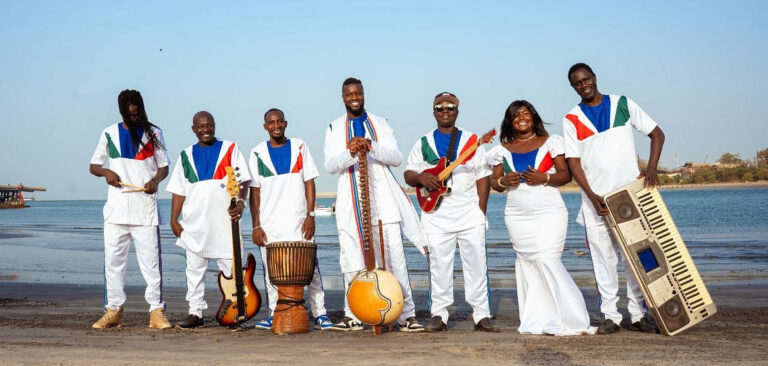
Gambia: Suntou Susso announce UK tour for ‘The Path of a Griot’
09 Oct 2026

Top amapiano songs of 2026
16 Feb 2026
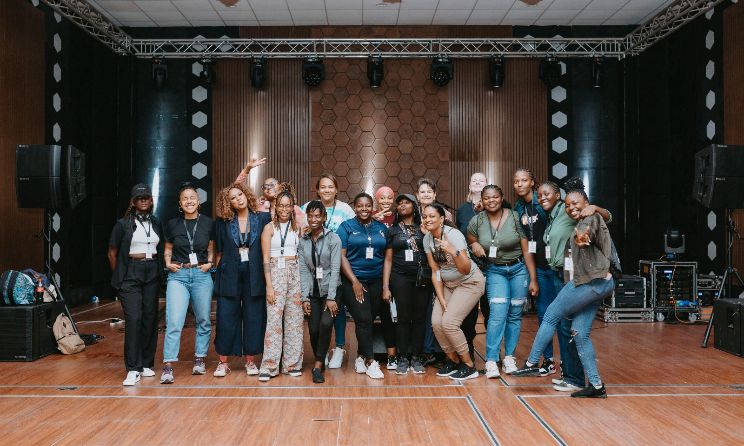
Open call: 2026 Gender@Work music industry training in Johannesburg
09 Oct 2026

Top Afrobeats songs of 2026
19 Mar 2026

Top Naija songs of 2026
31 Mar 2026
Call for applications: ACCES 2026 Emerging Artist Spotlight Competition
01 Oct 2026
Disclaimer: Music In Africa provides a platform for musicians and contributors to embed music and videos solely for promotional purposes. If any track or video embedded on this platform violates any copyrights please inform us immediately and we will take it down. Please read our Terms of Use for more.

Subscribe to our monthly Newsletter
Follow us on social media


Please log in to post a comment.