























































Ten things You Should Do Before Going into a Recording Studio

21 Nov 2014 - 10:47

by Andile Qongqo
Here are some useful tips I have learnt over the past few years being involved in studio projects.
1. Have all the songs prepared
This may sound obvious, but it really isn’t that obvious. Song preparation means knowing the number of songs you want to record, are they all going to be original material or are you going to include cover songs (songs by other people), are you going to sing alone or are you going to feature somebody else, are the song keys suitable for you & anybody else you might feature, what kind of instruments are you going to play with (keyboard/guitar/accappella, etc), be clear of each and every song’s style (jazz, house, r&b, rap, etc), can you write all the songs or will you need co-writers, type the lyrics neatly (be prepared to make some changes in case some lyrics need some adjustments).
2. Practice
If there’s anything you don’t want to do in a studio, is practice in the studio; that will cost you a lot of money. In fact, before you even think about going into the studio, you must have rehearsed your songs to perfection. Mixing, adding effects and mastering a song can take a while, so you don’t want to waste time by coming to the studio unrehearsed.
3. Have a list of all the musicians you are going to need
Don’t leave anything to chance when assembling your music team, it has to be musicians you are comfortable with. Most studios don’t have session musicians, so don’t assume the studio will provide musicians, enquire in advance. Your music team should be people you communicate well with, not to mention that they must be disciplined and motivated to be part of the project. And be clear if any of them will be part of the songwriting and/or composing team, or if their involvement will just be as session musicians.
4. Decide on who is going to produce, arrange, compose, etc.
Producers, arrangers, composers and songwriters are part of the royalty share (which is where the big bucks are); so you would want to be careful as to who you team up with in those regards. Now, since the fore mentioned creative team is part of the royalty cut, they have a controlling stake in your songs, so you can’t do anything about the songs without consulting them. Which is why you should be careful of the team you pick, they must be a team whose goal is the same as yours; to promote that particular project shamelessly.
5. Plan your schedule
Planning your schedule is crucial; you have to have your whole team in one place at the same time; that can be a daunting task. This task will test your leadership skills; you have to be strict and disciplined, you have to be the kind of person that everybody in your team listens to, if you are not, then I suggest you get somebody else to take the leadership role for this project. You’ll have to get everybody to agree on times setup for the studio, whether the studio arranges the schedule or you arrange it, make sure it’s a schedule that suites your team and make sure your team is always there when needed.
6. Choose the right studio
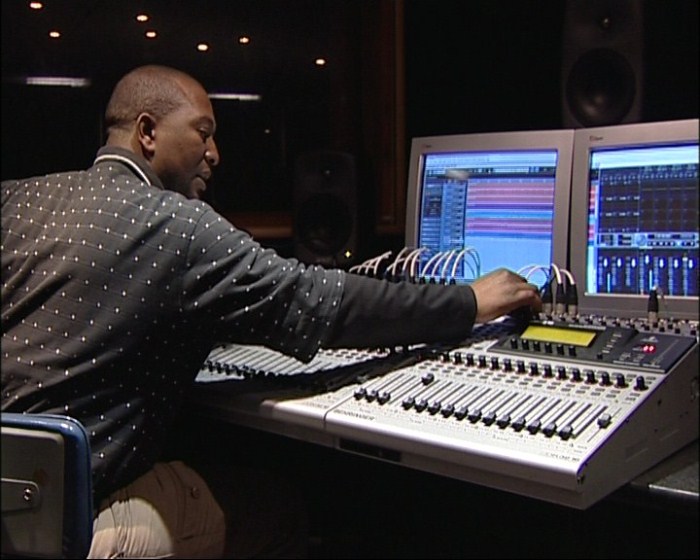
Choosing the right studio for your project depends on your needs and budget. For instance; if you are a jazz pianist and you want a true piano tone, you’ll have to find a studio that’s got a well tuned grand piano (upright pianos are not easy to mic). Without getting into complicated technicalities, the studio has to have good acoustics, up-to-date software, good sound proofing (although some home studios do a descent job without it) and a sound engineer that know his/her staff (if you are not bringing your own). Before you even agree to anything with a studio, ask to listen to their previous products, ask particularly for a recording that’s similar to your style of music you want to record at that particular studio.
7. Be clear on the studio charges
When you ask for studio charges, know exactly what’s included in the cost and what’s not. Are the following included in the price: mastering, extra copies, printing of the score sheet; what happens if any equipment breaks, what happens in case of load shedding. Ask to have all the costs written on paper to avoid any misunderstandings.
8. Know what’s going to happen from the beginning to the end of the project
After you’ve made your decision on picking the studio, sit down with the studio manager, and ask him/her to take you through the whole process of recording your project. Make sure you know what the studio responsibilities are and what’s yours. Not all studios work the same; so be on the clear as to what the studio’s role is; are they able to do the following in-house or are they going to outsource: mastering, CD printing, sleeve design, bar code, etc.
9. Be prepared for long hours
Studio projects a very unpredictable. A lot of unplanned things can happen in the studio; illness, broken equipment, hoarse voice, family emergencies and anything else you can think of; all of which is time consuming and heavy on the pocket. So try not to have any gigs or interviews in and around the recording period, commit all your time to being in the studio.
10. Always have a backup plan
A backup plan is a must in everything you do in life. Don’t be shy to ask the studio what happens if, for some reason, they are not able to continue with the recording; will they send you to another studio or pay you back? You must have a backup plan for musicians, instruments, producers and everything else that can be backed up. Don’t leave anything to chance.
Originally published on www.mio.co.za


Most popular

Top Naija songs of 2026
31 Mar 2026

Top amapiano songs of 2026
16 Feb 2026

Top Afrobeats songs of 2026
19 Mar 2026

AFRIMA 2026: All the winners
12 Jan 2026

Visa appoints Fally Ipupa as face of Visa Pay in Democratic Republic of Congo
23 Sep 2026

Benin: SIMA to hold third edition in November
25 Sep 2026
Disclaimer: Music In Africa provides a platform for musicians and contributors to embed music and videos solely for promotional purposes. If any track or video embedded on this platform violates any copyrights please inform us immediately and we will take it down. Please read our Terms of Use for more.

Subscribe to our monthly Newsletter
Follow us on social media


Please log in to post a comment.