

































NEFCISA
NEFCISA

The Music In Africa Foundation (MIAF) is proud of its partnership with the Industrial Development Corporation (IDC) as a Strategic Implementing Partner (SIP) for its Social Employment Fund (SEF). Through this collaboration, MIAF is running a national programme that is creating jobs, addressing skills gaps, and strengthening South Africa's creative industries — in line with the SEF's overarching goal to generate work for the common good and build community value through employment, social contribution, and inclusive economic participation. Operating under the banner NEFCISA (National Employment Facility for Creative Industries in South Africa), the initiative is recruiting and training participants, matching them with host organisations, and has already placed 1 500 workers across the country — surpassing its original target of 1 000. NEFCISA is delivered through a network of 20 host organisations spanning five provinces, who are actively hosting participants and contributing to work for the common good across South Africa's creative and cultural industries. Key Objectives: Support employment and entrepreneurship in the creative industries. Offer skills development and training programmes. Foster partnerships between public and private creative sectors. Promote South African creativity at both provincial and national levels Foster community development through social contribution.

ACCES
ACCES

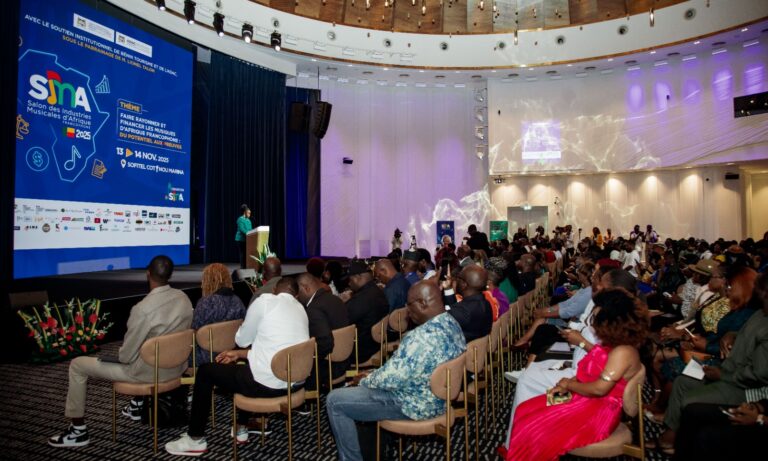
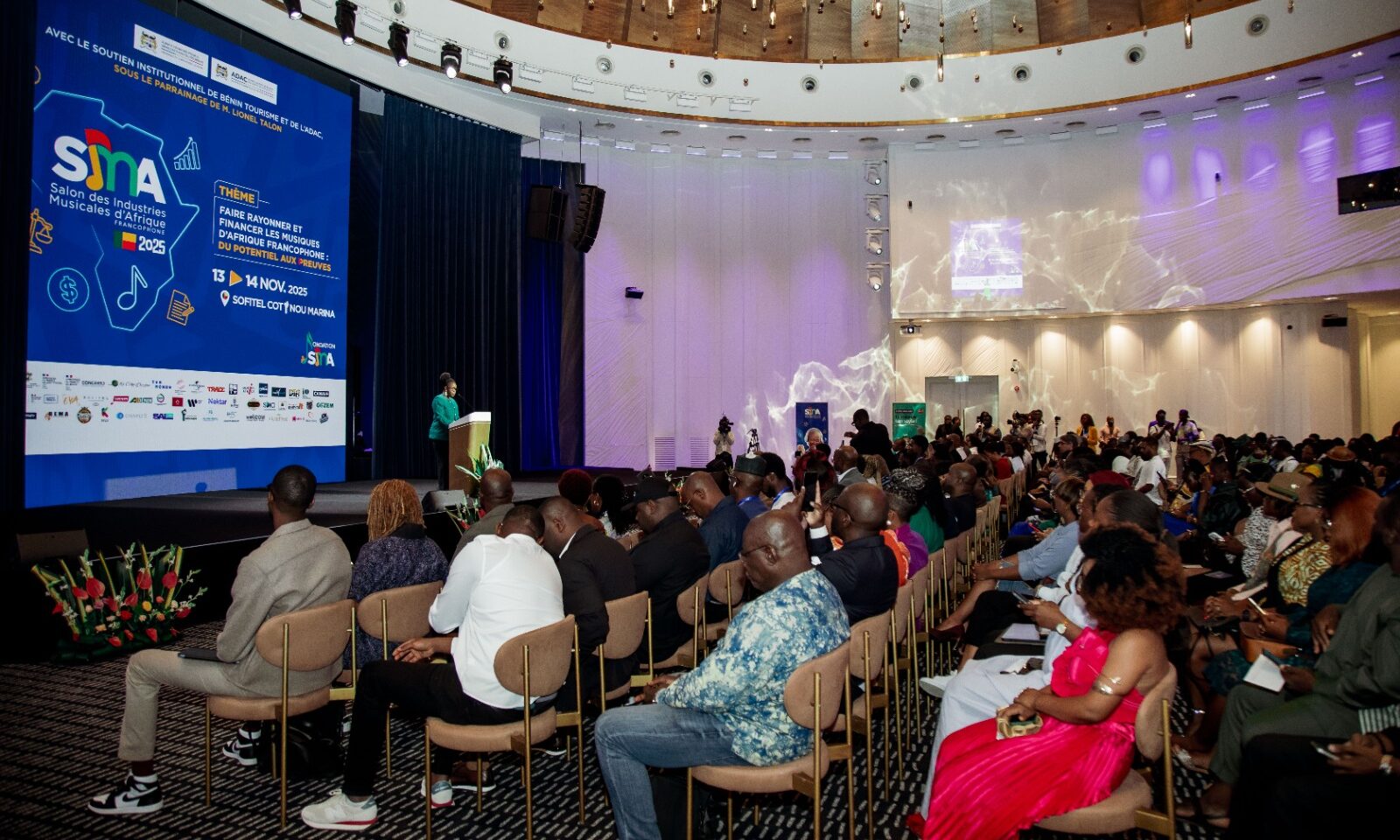
ACCES Conference and Showcase Festival is Africa's leading music industry gathering, bringing together the people shaping the future of the continent's music business. Artists, entrepreneurs, executives, investors, policymakers and cultural leaders from across Africa and around the world come to ACCES to build partnerships, exchange ideas, discover talent and create new business opportunities. Since its launch in 2017, ACCES has become the continent's premier platform for professional exchange and music market development. Combining a high-level conference with a curated showcase festival, networking, exhibitions and industry programmes, ACCES offers a unique space where creativity meets business and where African music connects with the global industry.

Gender@Work
Gender@Work

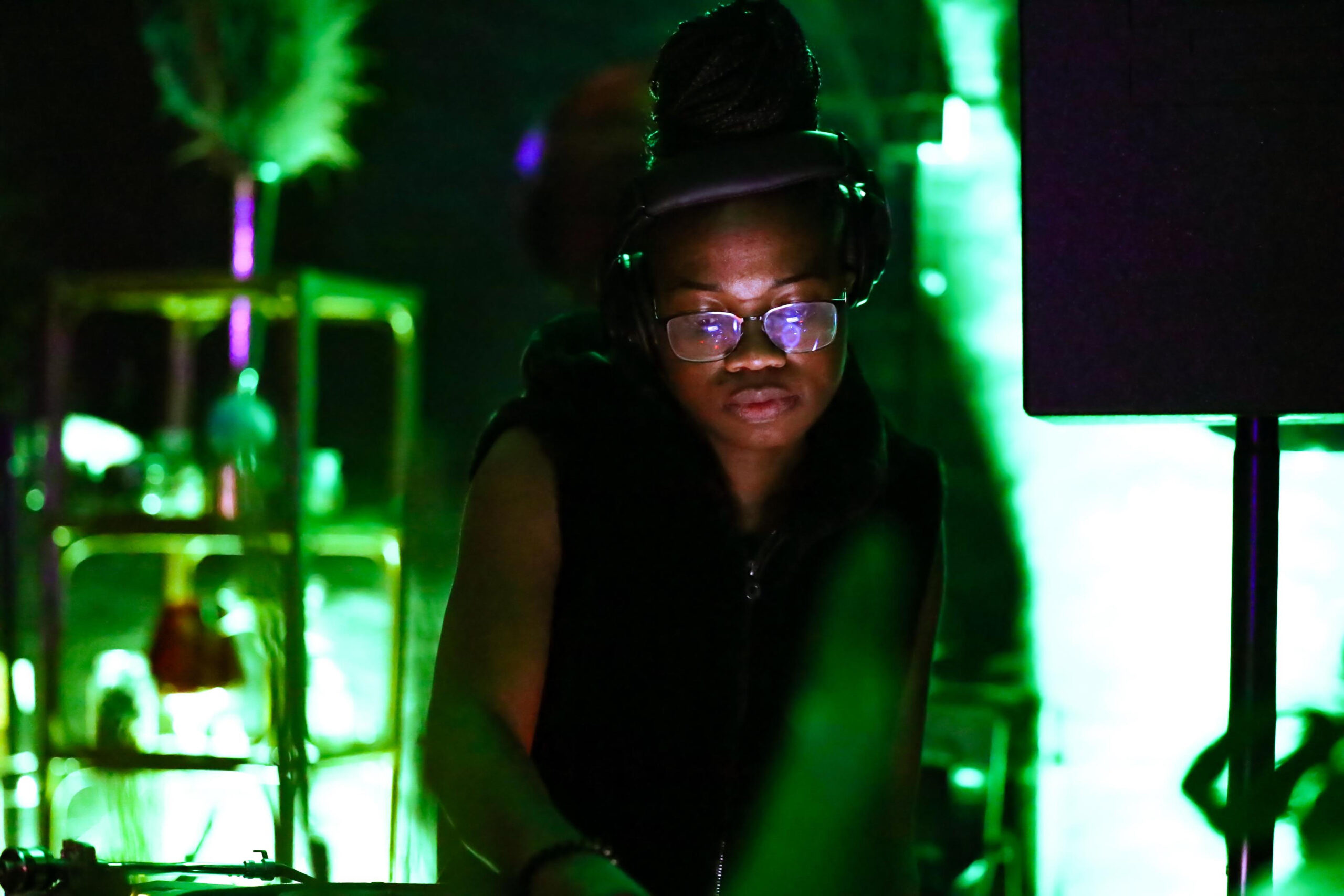
Music In Africa Gender @ Work is a three-year training programme aimed at upskilling and increasing the participation of female professionals in the African music sector. Launched by the Music In Africa Foundation (MIAF) in April 2019, the programme is connected to the MIAF’s ACCES music conference – a pan-African event held in a different African country every year. This connection enables the programme to reach new participants in a different African country every year. The programme marks the beginning of a more concerted effort by the Foundation to support the participation and inclusion of women in all facets of its programmes and the music sector in Africa as a whole. Over the three years, the programme will aim to address gender imbalances in the sector through training, lobbying, facilitating knowledge exchange and dialogues that foster the interest of women. The broader objectives of the programme are to: Provide industry training for women on critical music industry skills, focusing on: Stage management Electronic music production and recording Music business management Technical knowledge Provide an opportunity for both professional and aspiring women to benefit from the Music In Africa network and its broad range of activities in 2019, 2020 and 2021. Provide a solution-based platform in the form of a round table at ACCES with a view to identify challenges, discuss opportunities and lobby for the interests of female practitioners. Offer participants the opportunity to benefit from programmes offered by MIAF’s partners. Increase access to educational materials. Integrate participants in the broader ACCES programme to maximise experience and exposure to the industry. Record and present training materials on the www.musicinafrica.net, including but not limited to tutorials, templates and other best-practice materials. Communicate women-based themes that support the initiatives and messages of the programme. MAIN TRAINING ACTIVITIES Training in first country (Ghana): In the first year, participants will be trained on all aspects of stage management by a team of experienced stage managers from 10 to 17 November 2019. The programme will offer robust classroom training as well as practical, hands-on training in which participants will also be given the opportunity to manage various aspects of the ACCES performance programme. Training in second country: The second training iteration will take place at ACCES 2020 when the programme will diversify its course to include music production lessons and training on other music business topics. A round-table platform will also be introduced to coincide with the ACCES programme. Training in third country: The third training iteration will take place at ACCES 2021 in a different country, offering an advanced course. HOW DO YOU GET INVOLVED?  As a participant, facilitator or trainer: The programme enrolls up to 12 trainees every year. All opportunities are advertised publicly on this website, and will be added to this page. Please keep checking this page for new calls (below under UPDATES & CURRENT OPPORTUNITIES). As a partner Please contact Claire Metais at [email protected]. APPLY The call for applications for 2020 will be announced soon. The Music In Africa Gender @ Work programme is made possible with the support of the Prince Claus Fund, Siemens Stiftung and Goethe-Institut.

Sound Connects Fund
Sound Connects Fund

For cultural and creative practitioners and organisations operating in southern Africa, access to funding remains a major challenge. The COVID-19 pandemic has also had a massive impact on government policy, spending and the economy in general, and has seen spending on culture being moved further down the list of priorities. Further, the cultural and creative industries repeatedly cite four main areas where investment is needed for growth, which are increased visibility, mobility including access to new markets, finance and support structures.

Instrument Building And Repair Project

Experience the Vibrations African Instruments Exhibition online in 3D

Overviews

Music education in Congo-Brazzaville

18 Aug 2016 - 15:21

cc-img flag-img

By Privat Tiburce Martin Massanga

This text provides an overview of music education in the Republic of the Congo, also known a Congo-Brazzaville.
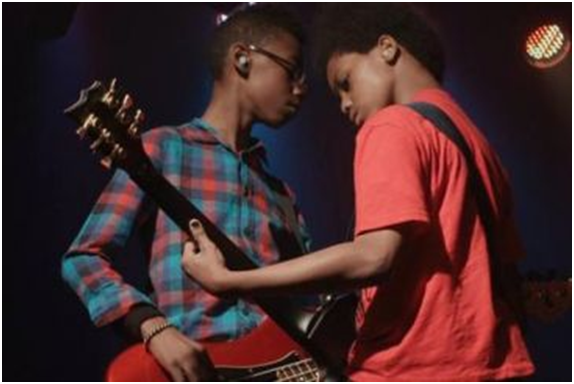
It is important to include music classes in the school curricula (photo imgarcade.com)

There is a real contrast between the music scene and the methods of introduction to music in Congo Brazzaville. Congo has no real musical education policy. In addition to the country having a huge pool of artists (such as Fredy Massamba, Ballou Kanta, Essous, Zao, Pamelo Mounka, Pierre Moutouari, Franklin Boukaka, Extra Musica, Bantous de la Capitale, etc) the country's political capital, Brazzaville, was declared the “City of music” on 12 October 2013, following its inclusion into the UNESCO Creative Cities Network, the first African city to receive such an international recognition.

However, music education is often lacking in schools and other places, even though the country is home to the Pan-African Music Festival (FESPAM), one of the largest events on the continent that takes place every two years.

Music education in schools

"Congolese schools are in crisis and problems that undermine it are many and varied. Indeed, many studies have led to the same conclusion that education is in decline. This diagnosis has always been accompanied by solutions whose implementation, in most cases, requires considerable resources: human, material and financial," highlights from a 2001 report by the International Bureau of Education of UNESCO. This includes music education.

Congo-Brazzaville is one of the most literate countries in Africa. Public schools are free with compulsory education for children aged six (06) to sixteen (16). In the past 70-80 years, Congo was among the countries in the world that achieved universal schooling. This did not include music education, if at all. During the years of communism, music was only learned through "revolutionary songs" especially during cultural events driven by informal music teachers. Any teacher or tutor could direct a choir of young children.

Today, the school curriculum (public education) excludes music lessons. While at high school, music education is taught by learning notes and names of musical instruments. Lectures do not include practice. Students rarely have, if ever, the opportunity to touch a musical instrument. Since the late 80s, even school choirs ceased to exist. "We are surprised that our children lack creativity. Music is not taught. Music initiates and develops many abilities in children. We should not be surprised if nowadays, young musicians do not even know the structure of a song or the harmonization of a choir. Our kids have no real musical education," states Ghislain Pambou, music teacher at the National School of Fine Arts. However, some private schools in major cities (Brazzaville, Pointe-Noire, and Dolisie) offer a proper introduction to music. This is particularly true in Catholic schools, French schools and some schools affiliated with UNESCO. Children can enjoy music lessons with practical exercises by trained teachers.

Tertiary education

The Paul Kamba National School of Fine Arts is the only entity allowing its students to learn and specialize in music or visual arts. Founded 34 years ago on the ashes of the former Centre for the Study of Fine Arts (renamed École nationale des beaux-arts Paul-Kamba on 14 April 1984 in memory of one of the pioneers of Congolese music), recruitment is exclusively through examinations from the first cycle of secondary school. Training lasts four years as follows: one year of introduction and three years of specialization. The school trains the elite and music executives who go on to teach in schools and practice music as a profession. Some notable examples include Harold Nganga, Prince Mayindou and Liz Babindamana. It goes without saying that this school is accessible to few. Quotas are limited.

Music education and the church

Generally speaking, the church, among other missions, has always quietly offered music education to the young faithful. Catholic, Evangelical, Kimbanguist and Salvationist and even the Revivalist churches, very popular and present in all countries, are the only places where youngsters are introduced to music although the artistic vision is limited to the sacred and to a certain category of music or singing imposed by the ecclesiastical body. There are many children in the choirs and other groups interested in musical instruments or vocalisation. The most talented singers or instrumentalists break away from the church mould. Examples include the younger generation; some of them honed their skills in churches: Roga Roga and Espé Bass of Extra Musica, Jackson Babingui, Oupta or Nteko.

Self-learning and private initiatives

Learning music in Congo is often a personal and family initiative. Most of those interested in the art of Apollo learn by imitating a relative that plays or sings if it is not initiated by the latter. Most young instrumentalists have learned from friends, seniors or a private tutor.

To compensate for the gap in music education, several organizations bring music to the youth interested in music. The French Institute (in Brazzaville and Pointe-Noire), the Russian Cultural Centre in Brazzaville and the Cultural Centre Jean-Baptiste Tati Loutard in Pointe Noire sometimes organize introductory workshops for the youth. Apart from these institutions, it is worth mentioning the initiative of the jazz musician Fredy Mabanza, who recently launched La Maison de l’Education Musicale at the quartier Plateau de 15 ans in Brazzaville. A popular centre introducing many children to various musical instruments.


Sources:

Please log in to post a comment.

Most popular

Disclaimer: Music In Africa provides a platform for musicians and contributors to embed music and videos solely for promotional purposes. If any track or video embedded on this platform violates any copyrights please inform us immediately and we will take it down. Please read our Terms of Use for more.

newsletter banner

Subscribe to our monthly Newsletter

Follow us on social media