











































Africa Day virtual concert line-up riles up ‘unrepresented’ Africans

19 May 2020 - 17:04


The recently announced Africa Day Benefit Concert at Home line-up has been met with mixed feelings by African musicians, critics and fans who are questioning the mix of artists and the countries that will be represented at the virtual event on 25 May.
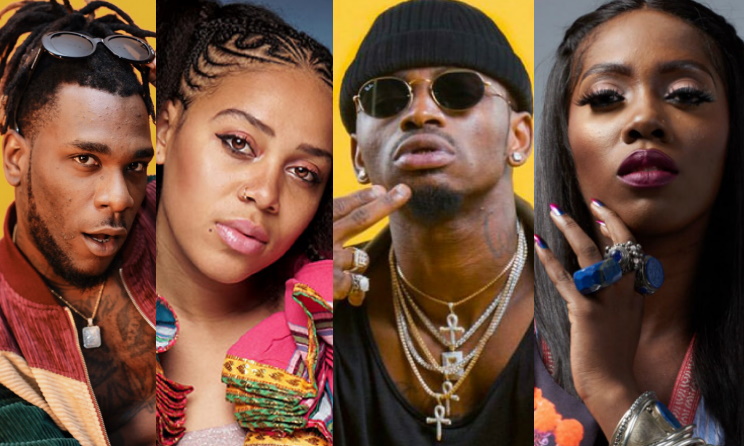
The concert is organised by ViacomCBS Networks Africa and YouTube. British actor Idris Elba, who was diagnosed with COVID-19 in April, will host the event, which aims to raise funds to aid African children and families affected by the COVID-19 pandemic.
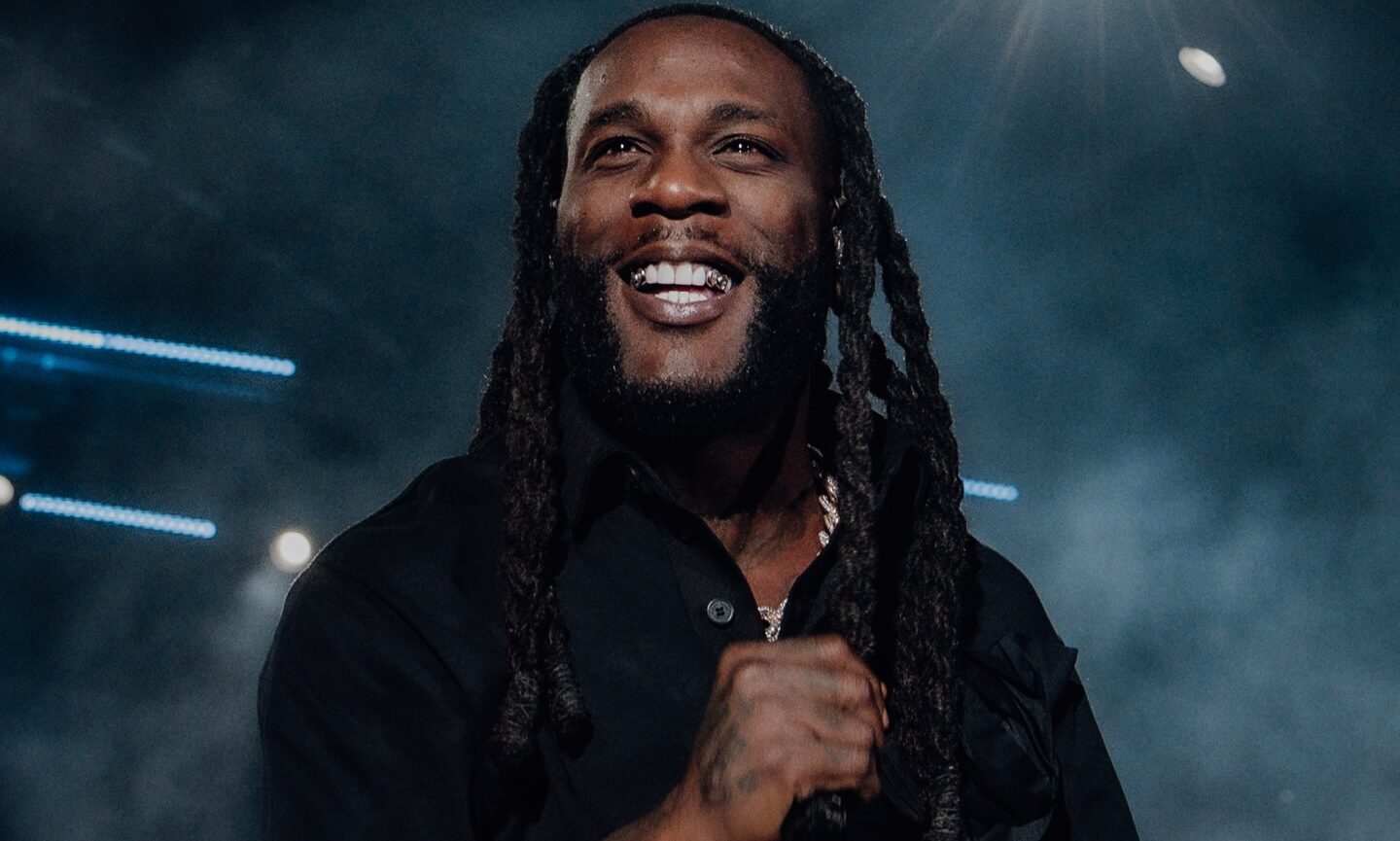
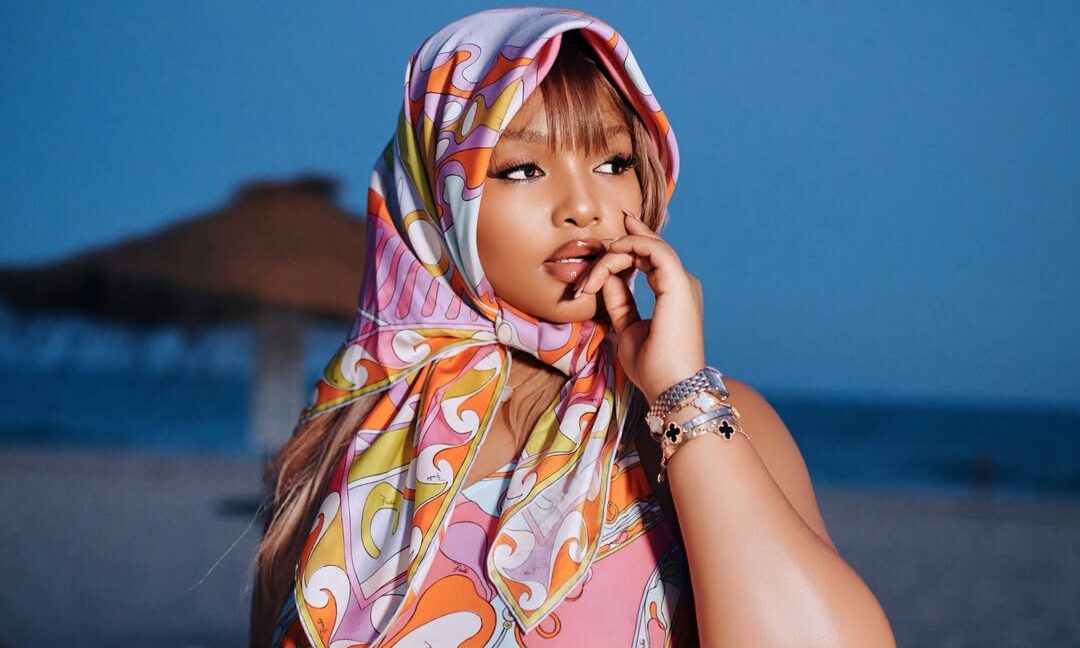
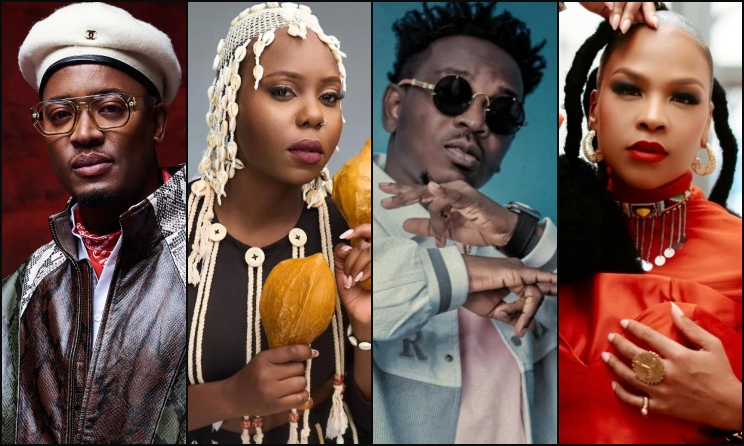
The much-talked about and publicised event mostly features West African artists. Nigeria tops the list with seven musicians, including Burna Boy, Yemi Alade, Teni, Tiwa Savage, Seun Kuti, Rema and Adekunle Gold. Other artists from West Africa are Stonebwoy (Ghana), M.anifest (Ghana), Toofan (Togo) and Angélique Kidjo (Benin).
East Africa is represented by Diamond Platnumz (Tanzania), Nandi (Tanzania), Sauti Sol (Kenya) and Bebe Cool (Uganda). South African rappers AKA and Sho Madjozi as well as Angola’s C4 Pedro are the featured southern African artists. Fally Ipupa is the only musician from Central Africa, while North Africa has no artists on the bill.
What they said
“It would make sense to involve as many African musicians as possible," Namibian singer Elemotho said. "This day would also not be called Africa Day if we only have artists from one region of such a diverse continent. All this goes to speak about the subject of 'everyone doing for us except ourselves', and in the end as the great Thomas Sankara said, ‘He who feeds you, controls you’. Maybe we should host our own events and thus dictate our terms.”
But Namibian saxophonist Suzy Eises differed with Elemotho. “All the artists on the line-up are globally well-known and more experienced internationally," she said. "I am happy with the line-up. Hopefully on another occasion, they will be able to introduce more exceptional upcoming talent that is not so well-known to help support and promote their music.”
Another Namibian artist, The Dogg, argued that the line-up is a wake-up call for artists to work harder in order to earn recognition. He also said that his country was traditionally excluded from big events. “I just think we need to promote ourselves more to be known to Africa and to the world in general. But it's a shame, because we're always left out,” he said.
Zimbabwean comedian Carl Joshua Ncube gave the organisers the benefit of the doubt, but questioned the criteria used to curate the line-up. He also criticised the graphic design of the poster employed to market the event.
“I would like to assume there were logistical challenges to book acts. However, as someone born on Africa Day, I tend to take these things a little personally. If this is the case, that logistics or budgets were an issue, then I feel their PR should address this. However, if you look at the graphic they used, it felt sad to look at your part of Africa and to see an artist from another country in that place. It’s sad, whatever the reason, that representation is not as inclusive, and we wait to hear their reasons why. They really should explain the process.”
The CEO of Urban Music People Awards in Malawi, Ken Limwame, echoed Ncube’s sentiments: “I don’t know the criteria used to come up with the list, but it would definitely have been great if one Malawian artist was on the line-up.”
But Zambian hip hop artist PilAto sees Africa as one, where borders and nationalities should not be the sole criteria used for an event, especially on Africa Day.
“I hold the view that our Africanness is not expressed by our national borders but by our shared history, values and love for our continent, and our commitment to create a home for all," he said. "The absence of artists from Zambia is not unique and does not in any way imply anything negative either on Zambian artists or the organisers of the event. I honestly do think that with time as this event grows in size and capacity, we will get to see artists from Zambia and other African countries showcasing their art."
Germany-based Zimbabwean journalist and music critic Plot Mhako said: “I think it’s either that MTV Base and YouTube deliberately ignored the artists, or that the artists didn't meet their selection criteria. There is South African and Nigerian representation, which is reflective of the music market domination by these two nations. While we may be justified to complain since the event is meant to represent the continent, and not one or two nations, I think this is a wake-up call for the local artists, that we have not done enough to get our music out there. We need to collectively work and earn the spot.”
Zimbabwean social media commentator and music critic Wellence Mujuru disagreed with Mhako.
“I feel really disappointed with the fact that they have decided to snub Zimbabwe and other countries in general. We risk to paint a picture that only popular countries like South Africa and Nigeria, which are well represented at the concert, are the whole of Africa. We also have big artists in Zimbabwe who are pushing on the international scene. Jah Prayzah had collaborations with some of the artists on the line-up.”


Most popular
Call For Applications : ACCES seeks a UK-based performer
10 Sep 2026

Top amapiano songs of 2026
16 Feb 2026

Top Afrobeats songs of 2026
19 Mar 2026

AFRIMA 2026: All the winners
12 Jan 2026
Open call: Goethe-Institut grants for Southern African creatives
08 Sep 2026

Top Naija songs of 2026
31 Mar 2026
Open call: Ernst von Siemens Music Foundation 2026 funding programmes
04 Sep 2026
Disclaimer: Music In Africa provides a platform for musicians and contributors to embed music and videos solely for promotional purposes. If any track or video embedded on this platform violates any copyrights please inform us immediately and we will take it down. Please read our Terms of Use for more.

Subscribe to our monthly Newsletter
Follow us on social media


Please log in to post a comment.