



















































Building on beats: Forging a sustainable music ecosystem in East Africa

10 Nov 2025 - 16:16


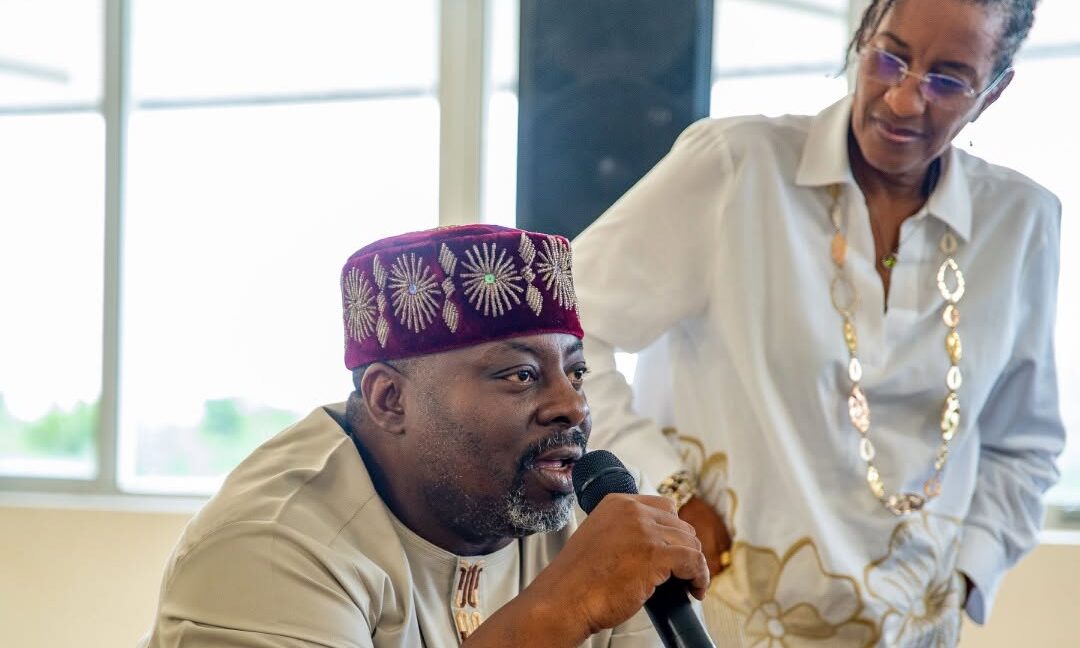
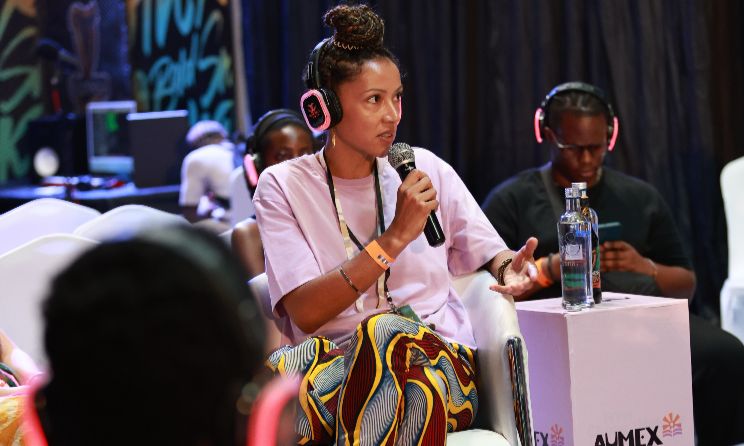
Amplify Uganda Music Expo (AUMEX) hosted its second edition at MOTIV in Kampala from 6 to 8 November 2025 with a packed programme combining music, mentorship, and innovation with dialogue rooted in how we build a sustainable future for Uganda’s creative economy. This year’s edition was well grounded with the theme “Building Scalable Futures for Ugandan Music”
To grow music as a creative art form, we need by extension to grapple with the complex business of music – in order to bring a monetizable return to artists in Uganda. We cannot do it alone. The conversation is happening and it is pivotally time. Nyege Nyege Tapes, turning 10 this year has already paved the way for next generation traditional Ugandan music to take centre stage in the underground and beyond, with the likes of MC Yallah performing on the second biggest stage at Glastonbury this year, tours to Japan with Nakibembe Embaire Group and hundreds of other year round events across the globe building a growing roster of critically acclaimed releases for East African artists. The underground, experimental and clubbing world is already aware of Uganda’s rich tapestry of rhythm and melody – Are mainstream artists and industry in turn willing to unite as a collective industry for a united Ugandan sound to grow and be embraced as with the powerhouses of South Africa’s amapiano and Nigeria’s Afrobeats?
It was a lively CMH Live hosted panel that anchored on a powerful query, posed by Collin Sserunjogi of CMH Live: “Imagine a young female musician in Gulu, Uganda – keen to grow and just starting out. What advice can we give her? What does she need to know?”
The question was pivotal, exemplifying the second Aumex Uganda Music Expo quest to shift focus from abstract concept of Africa’s Creative and Economic growth to the human reality of artist development.
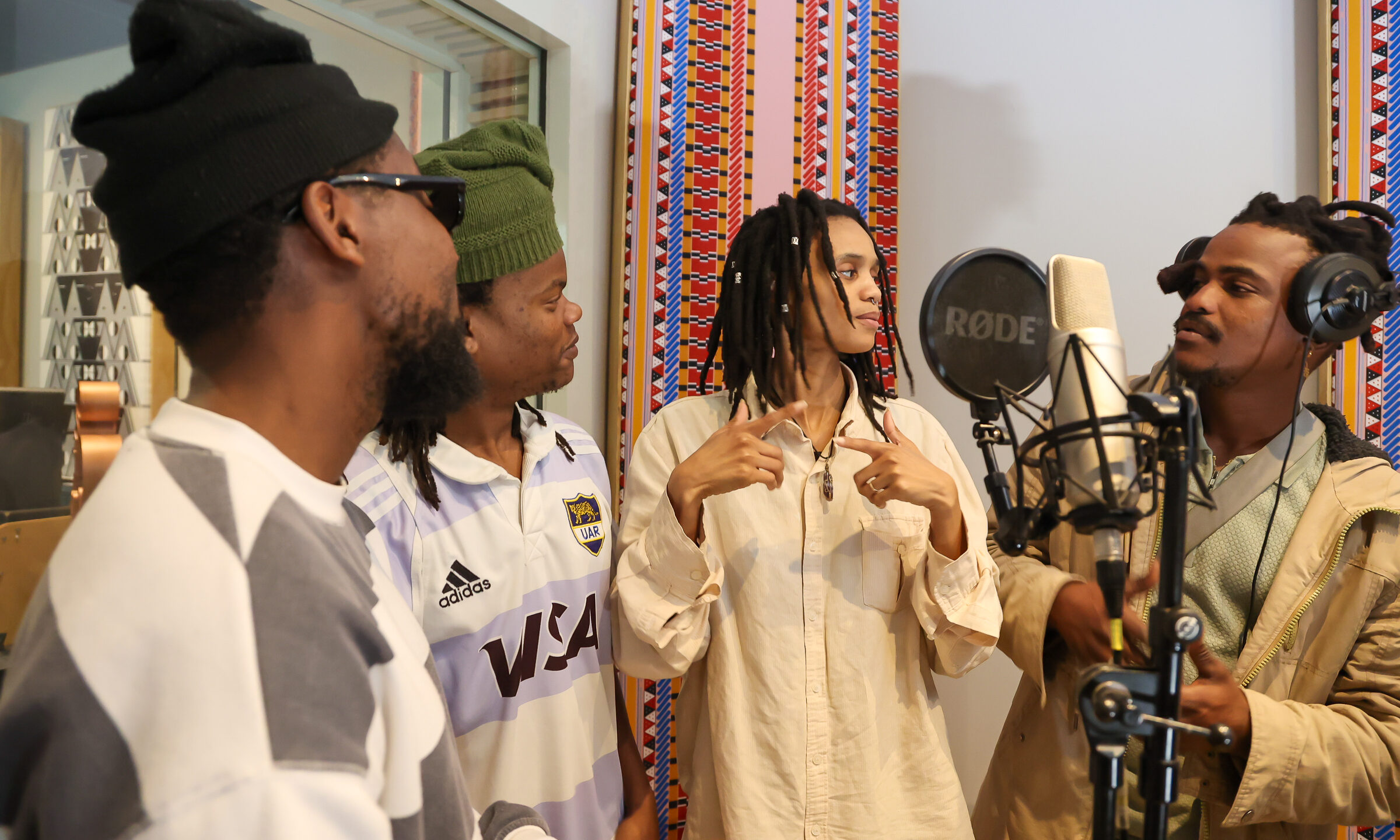
Following the panel, I spoke with Dominic Clare (Mastering Engineer, Production Manager Nyege Nyege) and Kuseim (Emmanuel Semipijja), Co- founder of the African Bureau of Music as well as Collin of CMH to expand on our dialogue and make it further accessible. This was a chance to share for readers both in Africa and beyond an insight into the perspectives of those building the infrastructure on the ground for Africa’s creative future, the values that guide them, and a collective vision for a stronger African music market.
The foundation: More than entertainment
For Kuseim, the mission is personal. “As a Ugandan, my entire philosophy of music and artist development is shaped by the world I grew up in,” he shares. “Growing up in the ghettos of Naguru—a place where people from every tribe lived side by side—I witnessed how music was more than entertainment. It was a social force. It brought our community together, preserved our culture, and created opportunities for young people who had no platform to express their art.”
This belief forms the core of his work. He argues that for East Africa to compete globally, we need more than viral hits; we need a sustainable ecosystem built on training, mentorship, quality production, and platforms that prepare artists for long-term careers.
Echoing this sentiment, Dominic weighs in with a challenge for artists to “understand the fundamental difference between entertainment and art. Entertainment is a predictable means of amusement and distraction, encouraging passive consumption.” This distinction is crucial. It challenges the local narrative—such as veteran artist Cindy Sanyu’s recent advice that “Ugandans just want to be entertained”—and asks whether that is the full story, or merely a limitation of the current system.
A blueprint for the artist in Gulu
So, what is the answer for our passionate creative in Gulu?
First, it begins with a recognition of the immense talent and rich musical ecology she already possesses. Her strength lies in her roots. She can draw inspiration from local success stories, like Otim Alpha, who is taking Acholi folk rhythms to global stages currently on international tour in Mexico.
From there, the path involves actively seeking out community and knowledge:
Leverage Free Resources: free enterprise toolkits like the SoCreative E-Learning Program offer accessible bite size learning and education straight from a mobile.
Building Networks: Attending conferences like Aumex and the Access Expo and participating in programs like CMH Live are invaluable for building a professional network. For Colin of CMH Artist development programs create strong communities that become immediate support systems for artists. As Colin expands “Spaces where Artists build real friendships, become personal support and their first loyal followers. These communities act as ambassadors for artists’ early campaigns, releases, and performances.’
Find Sonic Identity: This is where Kuseim’s philosophy becomes critical guidance. “Talent is everywhere, but systems are not,” he states. His production style is a masterclass in building a modern sound from a rooted cultural foundation. “I experiment with Ugandan percussion, groove patterns, and vocal textures—kadongo kamu basslines, Acholi rhythms, Lusoga chants, Runyankole harmonies,” he explains. He blends these with global influences to create something familiar yet forward-leaning, a philosophy evident in hits for artists like Eddy Kenzo, Pia Pounds, and Azawi.
“I work closely with artists to help them discover their authentic sonic identity rather than push them to copy what’s trending,” Kuseim says. “When you build from who the artist is and where they come from, the music feels more honest, more universal, and more exportable.” Every creative decision is guided by one question: “How do we build a modern East African sound that can stand on any stage in the world without losing its soul?”
The golden era: Exporting ecosystems, not just songs
Africa is entering a golden era of music, and East Africa is poised to play a massive role. The global market is no longer looking for polished imitations; it is searching for authenticity, new textures, and cultural depth.
Kuseim believes the future will be defined by three key shifts:
- Regional sounds as global movements: Distinct East African sonic identities will become celebrated genres on the world stage.
- Structured artist development as the standard: Hubs like the Africa Music Bureau and CMH Live will become the backbone of the industry, ensuring artists rise because of systems, not luck.
- Africa Exporting Ecosystems, Not Just Artists: We are on the cusp of building full economic infrastructure, exporting not just musicians, but the entire supporting cast of talent with and for the continent: producers, writers, engineers, visual artists, tech innovators, and cultural curators.
The advice for the young musician in Gulu, and for thousands like her, is clear. Your talent is your seed, but the ecosystem is the soil. Nourish your roots, find your community, master your craft, and build with the vision that your authentic sound is exactly what the world is waiting to hear. Together, we are not just making music; we are building legacy.
Rasheeda Nalumoso is a cultural strategist and cultural producer (Live Traces Producing) and currently Head of Arts & Regional Lead Creative Economy SSA Arts British Council – Follow @eastafricaasts Livetracesproducing.com. With thanks to Dominic Clare (Mastering Engineer, Production Manager Nyege Nyege), Kuseim of Africa Bureau of Music, Collin Sserunjogi CMH LIVE and Aumex Expo. The views expressed in this article are hers and do not necessarily reflect the views of the publication.






Disclaimer: Music In Africa provides a platform for musicians and contributors to embed music and videos solely for promotional purposes. If any track or video embedded on this platform violates any copyrights please inform us immediately and we will take it down. Please read our Terms of Use for more.

Subscribe to our monthly Newsletter
Follow us on social media


Please log in to post a comment.