






















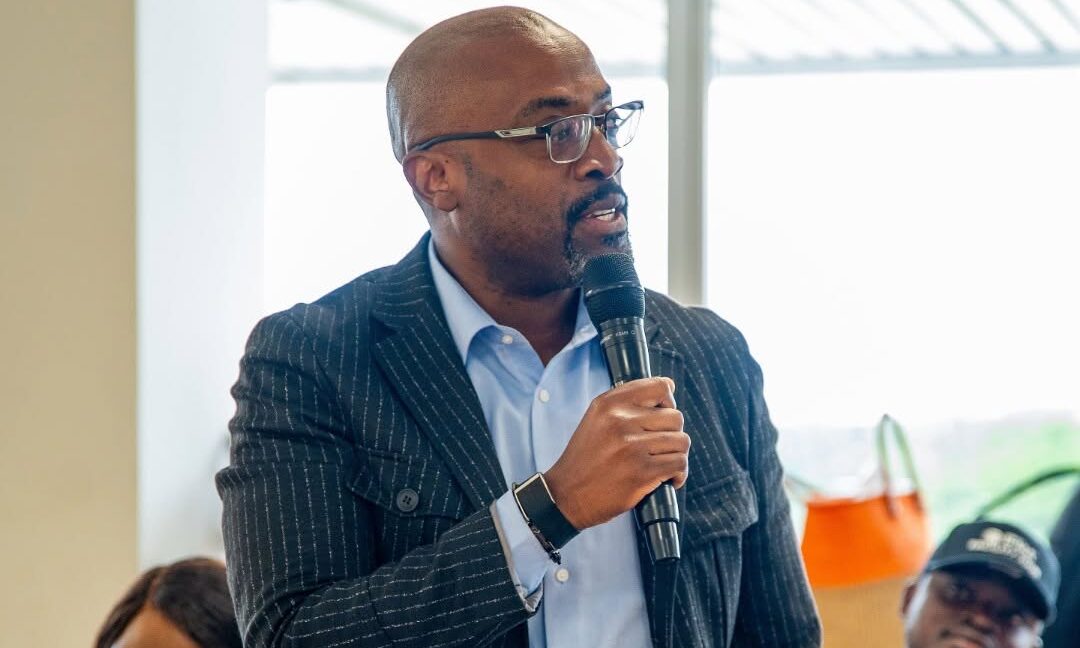




































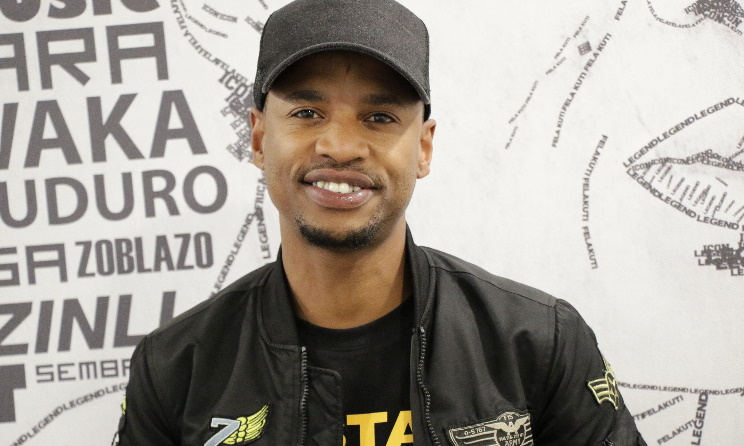
Some of the names mentioned when fans talk about the future of the genre include Black Coffee, Heavy K, Culoe De Song, Professor, Black Motion, DJ Kent, Oskido Prince Kaybee, Hyenah, Naak MusiQ, Themba, Master KG and Floyd Lavine.
Among those names is that of Da Capo, a recently announced nominee at the 2019 DJ Awards in Ibiza. Joining the talented deck master as fellow South African nominees at the 22nd edition of the awards are Black Coffee, Da Capo, Culoe De Song, Hyenah, Themba and Floyd Lavine – all internationally recognised DJs who are proving that South Africa is one of the biggest players in the house scene around the world
Music In Africa spoke with Da Capo about the future of South African house music, the phenomenon that is Black Coffee and his nomination ahead of the awards on 16 September.
MUSIC IN AFRICA: You were nominated in the Afro House category at Ibiza’s DJ Awards alongside Culoe De Song, Hyenha, Floyd Lavine, andhim (Germany) and Osunlade (US). How do you feel about the nomination?
DA CAPO: It’s a challenge for me because these are people that I feel are bigger than me or my brand in Europe. I must say this is a very heavy category for someone who is starting to be known in Europe. So I'm definitely looking forward to it and I am giving the guys a challenge for the competition.
Did you make noise about your nomination on social media?
Yes, we did! I think we have a few votes. People were sending me screenshots on social media as proof that they were voting for me.
What gives you hope that you'll come out tops against your fellow nominees?
I think the support I have locally gives me hope. We did a local campaign where we gave out CDs of my previous albums to people who have voted for me. So, I feel like we could get the numbers.
What defines a successful artist?
Consistency and the level of respect they earn. Usually I like to put it like this: we have fire lighters and charcoals. A fire lighter is someone who is popular for a short moment and after that people forget about them. A successful artist can be likened to a charcoal; it's someone who is hard to forget and someone who leaves a mark on the industry.
Who comes to mind in terms of being charcoal?
Black Coffee is a successful artist.
Who else?
Ah man! [laughs].
I knew you were going to mention Black Coffee because of your friendship with him.
No, it’s not like that. Black Coffee is someone everyone in the house music scene respects. If you are doing house music, he's someone you look up to because of what he has achieved, what he has done on the house scene and what he is still doing. Pretty much I would say Black Coffee, maybe No 2 would be... For now I think we should just stick with that.
You are 29 years old now. How long have you been in the music industry and which song was your first hit?
I've been in the music industry for the past ten years. The song that earned me fame is a remix I did for Moneoa called ‘Pretty Disaster’. For some reason the song hit the numbers and we were not expecting it, but it did very well. It’s a song that basically made Da Capo blow up.
What is it like to be with Black Coffee's Soulistic Records?
To be honest I think I have learnt a lot. I went there as a learner about four years ago, you know, and I have learnt much under the stable such as handling the business side of music, how to market an artist and what I should basically do as an artist in order to succeed.
When I look at my brand, I can see there is a huge difference from the time I joined the stable and now. I once worked with major labels and during that time I didn’t achieve what I achieved since I joined Soulistic Records, such as international gigs and the ability to select music that actually accommodates people.
Some of your songs such as ‘Love Affairs’ are instrumentals. How do you come up with a title for instrumentals?
It's something that comes out while I'm busy working on an instrumental. At some point you would need a name that relates. So I would say it's creativity that inspires me to name my instrumentals. Anybody could name their songs the way they want but it goes according to how I feel at that moment or in the process of making a song.
You have toured Europe and played at Electropicales Music Festival in Reunion. Where else have you played in Europe?
I have performed in France, Portugal, Norway, Dubai, the US, UK Azerbaijan and many other European countries. My first performance was at the June Experience. As to how I feel, well, back then it was a mission, it was my first time in a different environment, I didn’t know what people were expecting from me and I didn’t know how the vibe was going to be. So when I performed there, I only dished out something that I usually play in South Africa and the reception was proper and amazing. That was back then and today the scene is different and they are specific genres that one should focus on if you want to appeal the crowd in Europe.
How is African music perceived in these predominantly 'white' spaces?
We have subgenres of house music in South Africa. We have house music and under it are sub-categories like amapiano, deep house and Afrotech. So, the type of sound I am producing is the kind of sound that accommodates Europeans; its something that is still growing right now in Europe and I think it’s one of the reasons I was nominated at the DJ Awards in Ibiza.
Is there a difference when you're preparing a set for African and European audiences?
There is a huge difference. I always put it like this: In South Africa we vibe with what is popular. The reason why I am saying this is because I have experienced this many times. You find that you go to places where amapiano is very popular and play another subgenre and people don’t put enough attention to your sound. They would want something they hear on radio, whereas on the other side of the continent it’s a different story. I feel like people there [Europe] vibe not because of who is who and who is what but for the music.
What does your calendar look like this year? Any events lined up until December?
This year so far I have performed three times at Ibiza. I have other gigs lined up in Portugal, Croatia, Mozambique, Ibiza and there are few European gigs that we have to finalise. My last show for the year will be in Angola.
What other genres are you into?
I am a house producer but there are other genres that I do such as jazz, hip hop, R&B and many others. But since I am trying to build my house brand, I will stick to house music.
How does the future of house music look like for South Africa? Do you think house music is in good hands?
It's always in good hands with house producers like us [laughs]. House music has sustained itself in South Africa. There was no downfall of house music since it emerged in South Africa. It’s either house music or nothing and the genre turned into a culture. So house music definitely has a future in SA.
What’s your biggest concern as an artist?
I feel like people need to open up the industry. There is a lot of creativity and upcoming talent out there that needs to learn the business side of music. I feel like we, the strong parties, should open up for the upcoming talent. If you want an upcoming artist to grow, you should teach him or her how to follow your steps. A lot of these young artists sign many deals yet they don’t understand the basics of these deals and they end up owing the recording companies a lot of money That’s my major concern.


Most popular

Top Naija songs of 2026
31 Mar 2026

Top Afrobeats songs of 2026
19 Mar 2026

Top amapiano songs of 2026
16 Feb 2026

Ghana: Mr Eazi and MOLIY’s ‘Comfort’ earns Urban Music Awards nomination
21 Oct 2026
Open call: CANEX Music Business Lab and Songwriting Camp
15 Oct 2026
Nigeria: CANEX WKND unveils 2026 programme
21 Oct 2026
Disclaimer: Music In Africa provides a platform for musicians and contributors to embed music and videos solely for promotional purposes. If any track or video embedded on this platform violates any copyrights please inform us immediately and we will take it down. Please read our Terms of Use for more.

Subscribe to our monthly Newsletter
Follow us on social media


Please log in to post a comment.