



































NEFCISA
NEFCISA

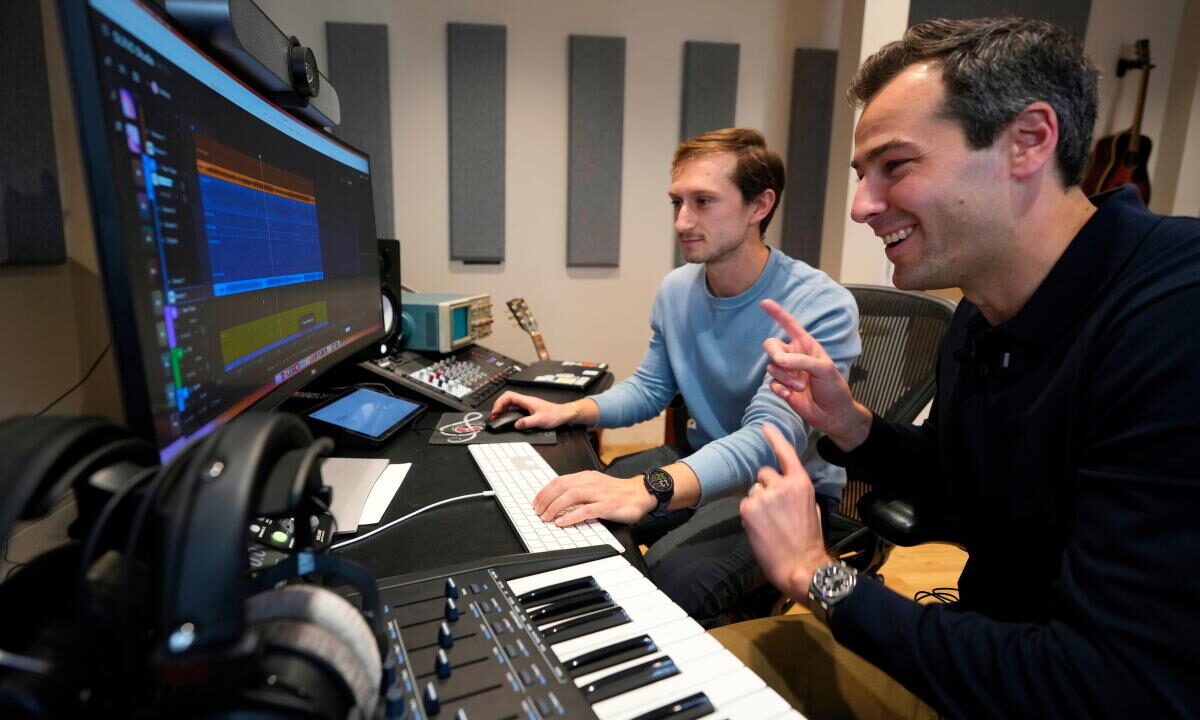
The Music In Africa Foundation (MIAF) is proud of its partnership with the Industrial Development Corporation (IDC) as a Strategic Implementing Partner (SIP) for its Social Employment Fund (SEF). Through this collaboration, MIAF is running a national programme that is creating jobs, addressing skills gaps, and strengthening South Africa's creative industries — in line with the SEF's overarching goal to generate work for the common good and build community value through employment, social contribution, and inclusive economic participation. Operating under the banner NEFCISA (National Employment Facility for Creative Industries in South Africa), the initiative is recruiting and training participants, matching them with host organisations, and has already placed 1 500 workers across the country — surpassing its original target of 1 000. NEFCISA is delivered through a network of 20 host organisations spanning five provinces, who are actively hosting participants and contributing to work for the common good across South Africa's creative and cultural industries. Key Objectives: Support employment and entrepreneurship in the creative industries. Offer skills development and training programmes. Foster partnerships between public and private creative sectors. Promote South African creativity at both provincial and national levels Foster community development through social contribution.

ACCES
ACCES

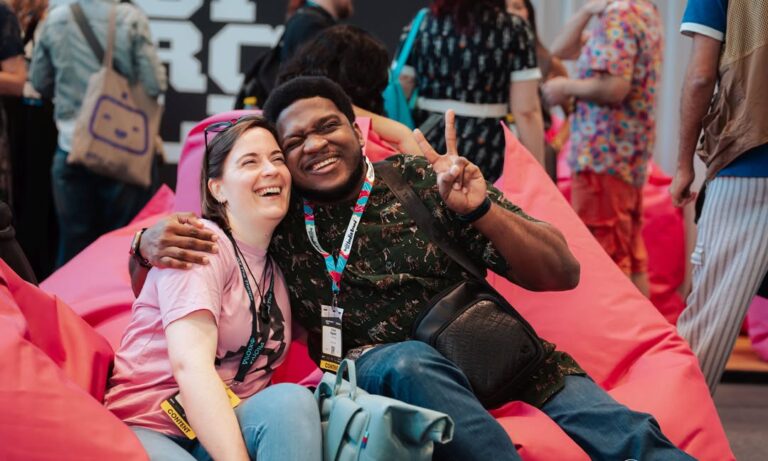
ACCES Conference and Showcase Festival is Africa's leading music industry gathering, bringing together the people shaping the future of the continent's music business. Artists, entrepreneurs, executives, investors, policymakers and cultural leaders from across Africa and around the world come to ACCES to build partnerships, exchange ideas, discover talent and create new business opportunities. Since its launch in 2017, ACCES has become the continent's premier platform for professional exchange and music market development. Combining a high-level conference with a curated showcase festival, networking, exhibitions and industry programmes, ACCES offers a unique space where creativity meets business and where African music connects with the global industry.

Gender@Work
Gender@Work

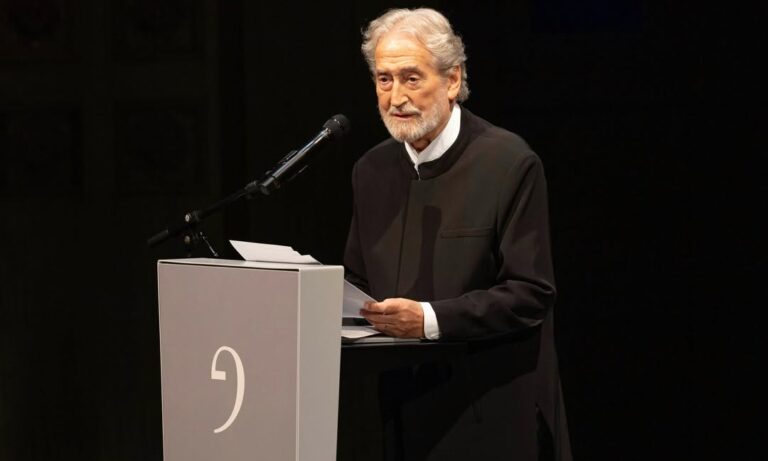
Music In Africa Gender @ Work is a three-year training programme aimed at upskilling and increasing the participation of female professionals in the African music sector. Launched by the Music In Africa Foundation (MIAF) in April 2019, the programme is connected to the MIAF’s ACCES music conference – a pan-African event held in a different African country every year. This connection enables the programme to reach new participants in a different African country every year. The programme marks the beginning of a more concerted effort by the Foundation to support the participation and inclusion of women in all facets of its programmes and the music sector in Africa as a whole. Over the three years, the programme will aim to address gender imbalances in the sector through training, lobbying, facilitating knowledge exchange and dialogues that foster the interest of women. The broader objectives of the programme are to: Provide industry training for women on critical music industry skills, focusing on: Stage management Electronic music production and recording Music business management Technical knowledge Provide an opportunity for both professional and aspiring women to benefit from the Music In Africa network and its broad range of activities in 2019, 2020 and 2021. Provide a solution-based platform in the form of a round table at ACCES with a view to identify challenges, discuss opportunities and lobby for the interests of female practitioners. Offer participants the opportunity to benefit from programmes offered by MIAF’s partners. Increase access to educational materials. Integrate participants in the broader ACCES programme to maximise experience and exposure to the industry. Record and present training materials on the www.musicinafrica.net, including but not limited to tutorials, templates and other best-practice materials. Communicate women-based themes that support the initiatives and messages of the programme. MAIN TRAINING ACTIVITIES Training in first country (Ghana): In the first year, participants will be trained on all aspects of stage management by a team of experienced stage managers from 10 to 17 November 2019. The programme will offer robust classroom training as well as practical, hands-on training in which participants will also be given the opportunity to manage various aspects of the ACCES performance programme. Training in second country: The second training iteration will take place at ACCES 2020 when the programme will diversify its course to include music production lessons and training on other music business topics. A round-table platform will also be introduced to coincide with the ACCES programme. Training in third country: The third training iteration will take place at ACCES 2021 in a different country, offering an advanced course. HOW DO YOU GET INVOLVED?  As a participant, facilitator or trainer: The programme enrolls up to 12 trainees every year. All opportunities are advertised publicly on this website, and will be added to this page. Please keep checking this page for new calls (below under UPDATES & CURRENT OPPORTUNITIES). As a partner Please contact Claire Metais at [email protected]. APPLY The call for applications for 2020 will be announced soon. The Music In Africa Gender @ Work programme is made possible with the support of the Prince Claus Fund, Siemens Stiftung and Goethe-Institut.

Sound Connects Fund
Sound Connects Fund

For cultural and creative practitioners and organisations operating in southern Africa, access to funding remains a major challenge. The COVID-19 pandemic has also had a massive impact on government policy, spending and the economy in general, and has seen spending on culture being moved further down the list of priorities. Further, the cultural and creative industries repeatedly cite four main areas where investment is needed for growth, which are increased visibility, mobility including access to new markets, finance and support structures.

Instrument Building And Repair Project

Experience the Vibrations African Instruments Exhibition online in 3D

Reviews

Nostalgic Rockstar: Kuami Eugene recycles Ghanaian highlife

22 Jan 2019 - 09:36

cc-img flag-img

At first, Kuami Eugene’s debut album, Rockstar, delivers identical BPMs and cadences for nearly an hour.

Kuami Eugene "nearly always wins with the chorus". Photo: LE

It appears to simply be an amalgamation of popular Ghanaian highlife refrains over time. And who can blame the artist?

That technique has proven uber-effective throughout his career, especially this year. Indeed, it is the template on which the modern Lynx sound is positioned. Music by KiDi and MzVee (his mates at the Richie Mensah-led label) over the past couple of years have been tenanted by recycled highlife expressions and melody.

If the goal is to galvanize nostalgia (as I suspect), then it works, but only for the first couple of times. Nothing wrong with influence. Influence is the ultimate form of homage, it is said. Yet, repeated too often, the approach begins to feel bland and uninventive.

On a second listen, well, little else comes up from 'Rockstar— besides his relentless recall of highlife phrases we sang along to growing up, over a dynamic production methodology. Save for 'Borkor', which is a direct homage to archetypal highlife because of the illustrious instrumentation that carries the song, the best submissions on the album have already been published as singles. 'Borkor', which preaches patience, is characterized by the glib guitar placements the genre is founded on. 'Walaahi', 'Angela', 'Wish Me Well', 'Confusion', 'Never Carry Last' (which sees guest appearances from DJ Vyrusky and Nigeria’s Mayorkun) are the most ingenious moments of the 13–tracker.

Sarkodie, known for his messiah quality on songs, can only do so much to rescue 'No More' because the song uses an overused cadence, both on the project and on Kuami Eugene’s contributions elsewhere. 'Aku Shika' may suffice as a dance floor jam, or as gym music because of its giddy rhythm, but that’s as far as it goes.

That Rockstar was curated with commercial intentions is without question. That it impresses in this regard is also without debate. Half of that repertoire, maybe more, could be considered “bangers,” mild or not, given to speedy expiry or not.

At Lynx, Kuami Eugene (born Eugene Marfo), may not be the one with the most vocal resource—today, any male act standing next to KiDi will most likely come second, and MzVee is easily the most consistent female vocalist in these parts currently. But what Eugene “lacks” in tonal swagger, he more than makes up for in grit and industry. On Ghanaian radio today, he’s omnipresent: lending guest vocals on the works of veterans and contemporaries alike, as well as dispatching songwriting duties. All through the year, at concerts, he’s remained headline material.

To many, his forte as an artist does not reside in songwriting either. Often, his writing has struck me as lacking a certain depth required of highlife in particular—a sentiment forebear Nana Tuffour echoed on Accra-based Hitz FM sometime back. Because of his rich accomplishment as a practitioner of the genre, and storytelling overall, Tuffour’s observation was especially noteworthy. But he’s a writer of love songs, and for the Ghanaian pop artist, all that is required is to bellow a lover’s first name, and the word “odo,” which translates as “love". Seeing as he is a fixture in today’s mainstream, and how sought after he is by colleagues looking to bask in his radio conquest, or oldheads looking to revamp their craft, there’s no question that he possesses a specific musical charisma.

Interesting fact: one’s misgivings about Eugene’s songwriting stop at the point where his hooks begin. Where’s the meaning in this line? Where’s the elaboration required in music professing to be highlife? Where’s the originality if from song to song he’s only cutting and pasting words and melody, be it his or a musical ancestor’s? And then, an earworm chorus comes around, thwarting all your hesitation and/or chagrin. The following is true for Ghanaian popular music: he who masters the art of the chorus wins with the song. Eugene nearly always wins with the chorus: comprising single words or single phrases, but constant in how effectively they induce recall (as seen on 'Angela', 'Confusion', 'Wish Me Well', 'Never Carry Last' etc).

Here is a departing question: Is there such a thing as an album “arriving too early?” Was Rockstar published more as a step in the quest for VGMA Artist of the Year (which he’s been widely tipped to win anyway?), to satisfy the 21-year-old’s urgent ambitions and artistic exuberance, or was it simply was considered by his handlers, appropriate topping for his best year yet?

Artist: Kuami Eugene
Album: Rockstar
Label, Year: Lynx Entertainment, 2018

A version of this review appears at ENewsGH

Please log in to post a comment.

Most popular

Disclaimer: Music In Africa provides a platform for musicians and contributors to embed music and videos solely for promotional purposes. If any track or video embedded on this platform violates any copyrights please inform us immediately and we will take it down. Please read our Terms of Use for more.

newsletter banner

Subscribe to our monthly Newsletter

Follow us on social media