


































NEFCISA
NEFCISA

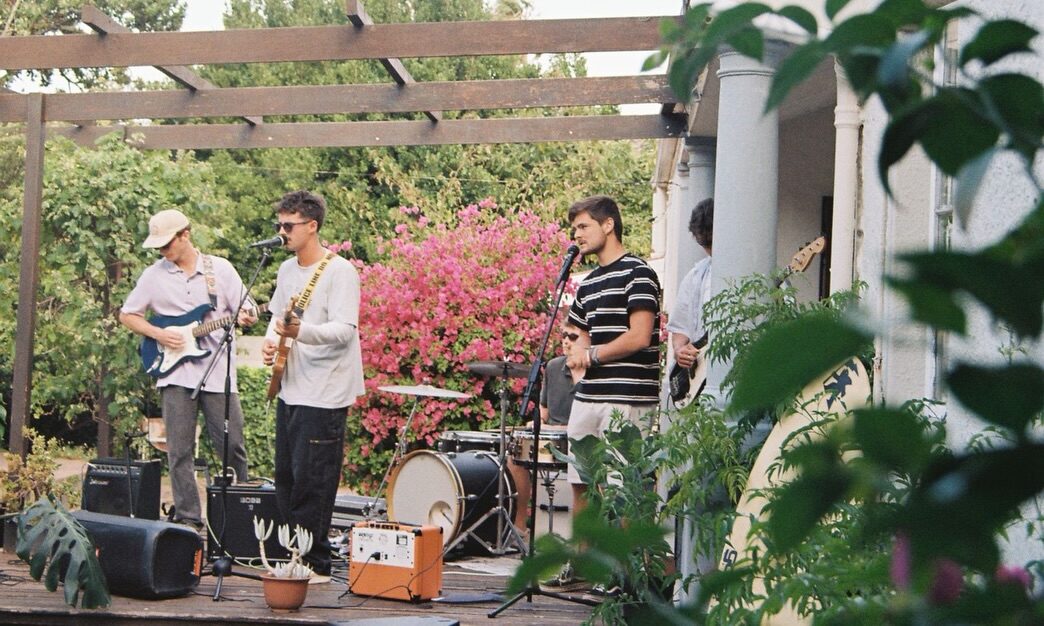
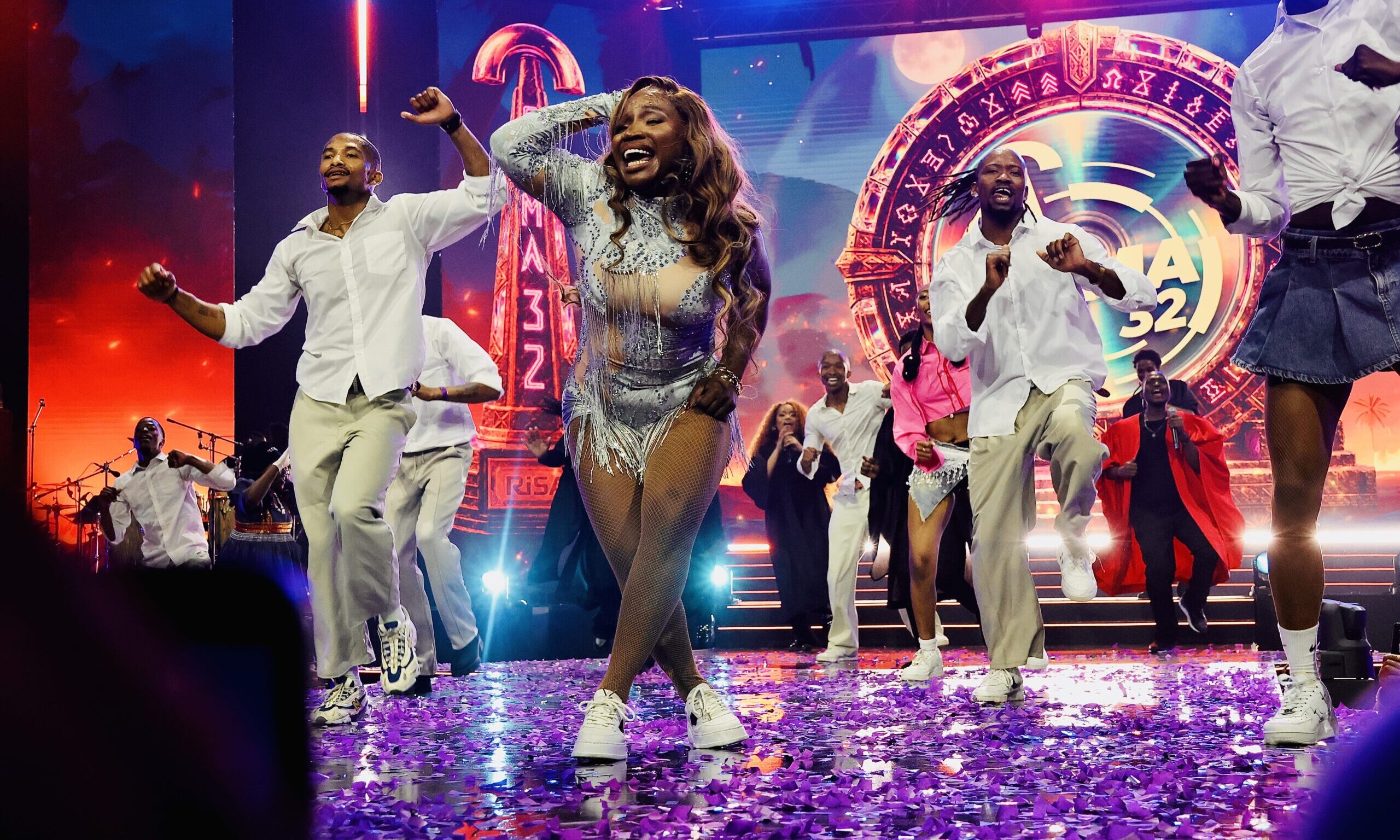
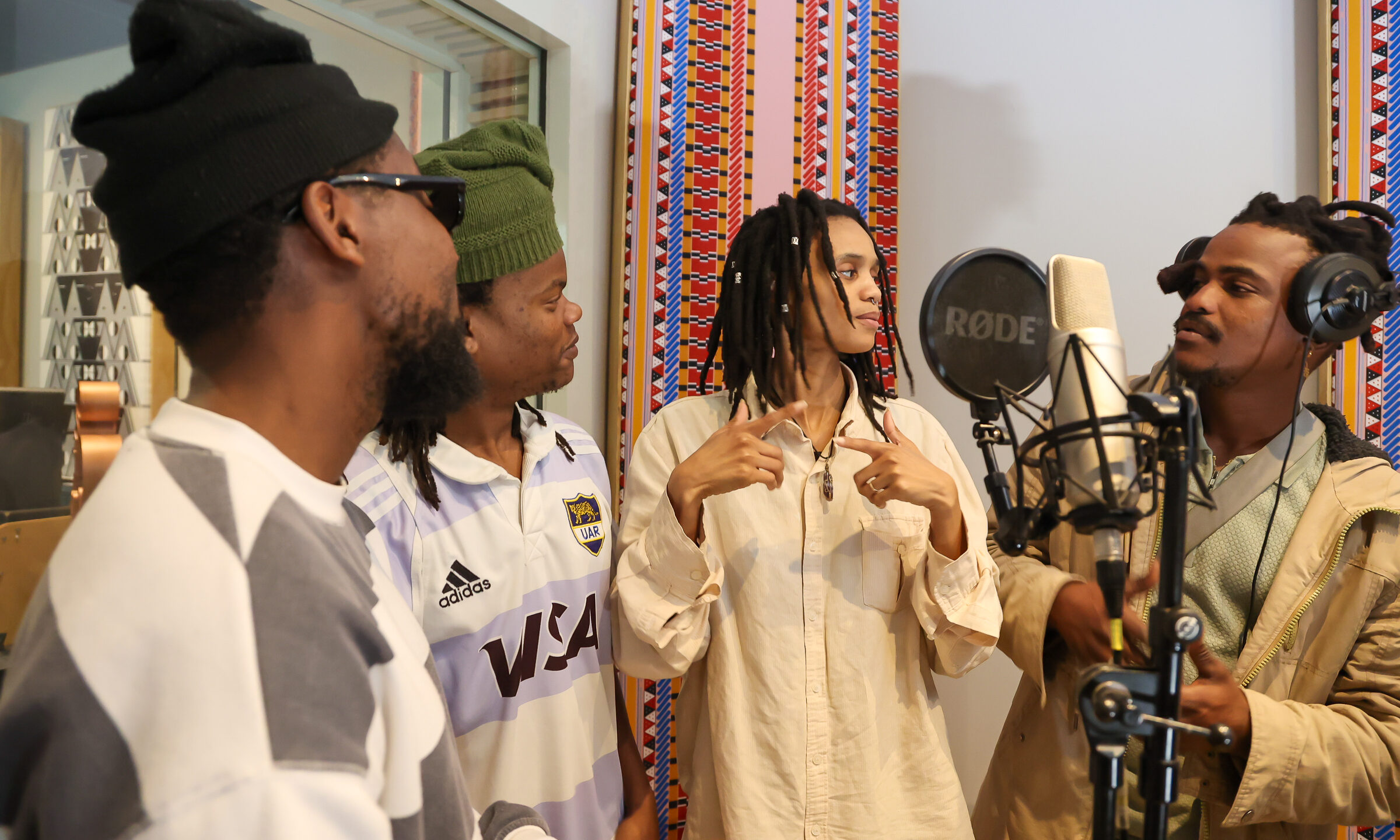
The Music In Africa Foundation (MIAF) is proud of its partnership with the Industrial Development Corporation (IDC) as a Strategic Implementing Partner (SIP) for its Social Employment Fund (SEF). Through this collaboration, MIAF is running a national programme that is creating jobs, addressing skills gaps, and strengthening South Africa's creative industries — in line with the SEF's overarching goal to generate work for the common good and build community value through employment, social contribution, and inclusive economic participation. Operating under the banner NEFCISA (National Employment Facility for Creative Industries in South Africa), the initiative is recruiting and training participants, matching them with host organisations, and has already placed 1 500 workers across the country — surpassing its original target of 1 000. NEFCISA is delivered through a network of 20 host organisations spanning five provinces, who are actively hosting participants and contributing to work for the common good across South Africa's creative and cultural industries. Key Objectives: Support employment and entrepreneurship in the creative industries. Offer skills development and training programmes. Foster partnerships between public and private creative sectors. Promote South African creativity at both provincial and national levels Foster community development through social contribution.

ACCES
ACCES

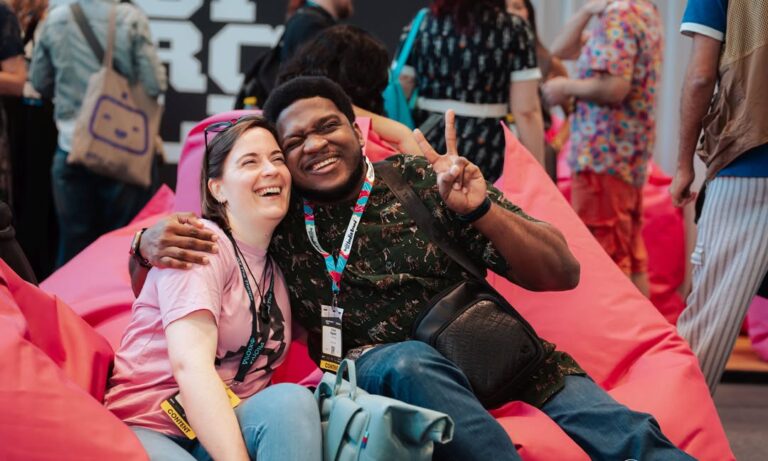
ACCES Conference and Showcase Festival is Africa's leading music industry gathering, bringing together the people shaping the future of the continent's music business. Artists, entrepreneurs, executives, investors, policymakers and cultural leaders from across Africa and around the world come to ACCES to build partnerships, exchange ideas, discover talent and create new business opportunities. Since its launch in 2017, ACCES has become the continent's premier platform for professional exchange and music market development. Combining a high-level conference with a curated showcase festival, networking, exhibitions and industry programmes, ACCES offers a unique space where creativity meets business and where African music connects with the global industry.

Gender@Work
Gender@Work

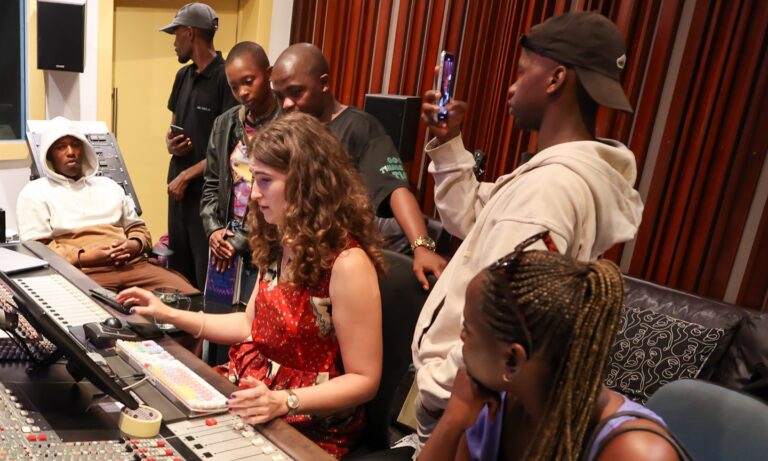
Music In Africa Gender @ Work is a three-year training programme aimed at upskilling and increasing the participation of female professionals in the African music sector. Launched by the Music In Africa Foundation (MIAF) in April 2019, the programme is connected to the MIAF’s ACCES music conference – a pan-African event held in a different African country every year. This connection enables the programme to reach new participants in a different African country every year. The programme marks the beginning of a more concerted effort by the Foundation to support the participation and inclusion of women in all facets of its programmes and the music sector in Africa as a whole. Over the three years, the programme will aim to address gender imbalances in the sector through training, lobbying, facilitating knowledge exchange and dialogues that foster the interest of women. The broader objectives of the programme are to: Provide industry training for women on critical music industry skills, focusing on: Stage management Electronic music production and recording Music business management Technical knowledge Provide an opportunity for both professional and aspiring women to benefit from the Music In Africa network and its broad range of activities in 2019, 2020 and 2021. Provide a solution-based platform in the form of a round table at ACCES with a view to identify challenges, discuss opportunities and lobby for the interests of female practitioners. Offer participants the opportunity to benefit from programmes offered by MIAF’s partners. Increase access to educational materials. Integrate participants in the broader ACCES programme to maximise experience and exposure to the industry. Record and present training materials on the www.musicinafrica.net, including but not limited to tutorials, templates and other best-practice materials. Communicate women-based themes that support the initiatives and messages of the programme. MAIN TRAINING ACTIVITIES Training in first country (Ghana): In the first year, participants will be trained on all aspects of stage management by a team of experienced stage managers from 10 to 17 November 2019. The programme will offer robust classroom training as well as practical, hands-on training in which participants will also be given the opportunity to manage various aspects of the ACCES performance programme. Training in second country: The second training iteration will take place at ACCES 2020 when the programme will diversify its course to include music production lessons and training on other music business topics. A round-table platform will also be introduced to coincide with the ACCES programme. Training in third country: The third training iteration will take place at ACCES 2021 in a different country, offering an advanced course. HOW DO YOU GET INVOLVED?  As a participant, facilitator or trainer: The programme enrolls up to 12 trainees every year. All opportunities are advertised publicly on this website, and will be added to this page. Please keep checking this page for new calls (below under UPDATES & CURRENT OPPORTUNITIES). As a partner Please contact Claire Metais at [email protected]. APPLY The call for applications for 2020 will be announced soon. The Music In Africa Gender @ Work programme is made possible with the support of the Prince Claus Fund, Siemens Stiftung and Goethe-Institut.

Sound Connects Fund
Sound Connects Fund

For cultural and creative practitioners and organisations operating in southern Africa, access to funding remains a major challenge. The COVID-19 pandemic has also had a massive impact on government policy, spending and the economy in general, and has seen spending on culture being moved further down the list of priorities. Further, the cultural and creative industries repeatedly cite four main areas where investment is needed for growth, which are increased visibility, mobility including access to new markets, finance and support structures.

Instrument Building And Repair Project

Experience the Vibrations African Instruments Exhibition online in 3D

News

South Africa mourns Johnny Clegg

17 Jul 2019 - 08:54

cc-img flag-img

Legendary South African musician Johnny Clegg died yesterday at the age of 66.
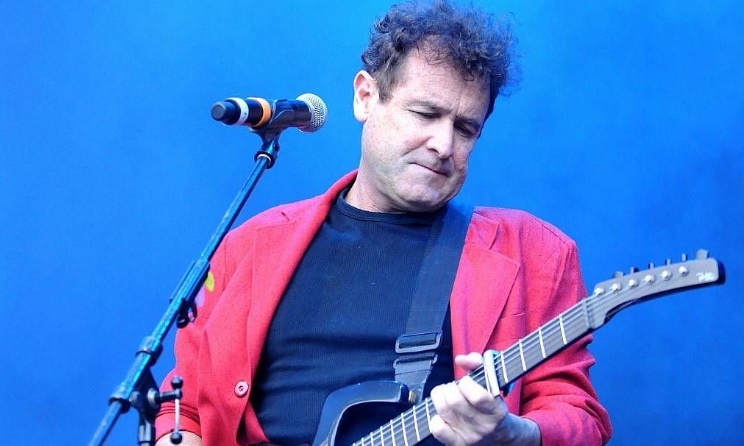
The late Johnny Clegg. Photo: Pinterest

Born on 7 June 1953, Clegg passed away at his Johannesburg home after losing his battle with pancreatic cancer. He was diagnosed with the disease in 2015.

“It is with immense sadness that we confirm that Jonathan (Johnny) Clegg succumbed to pancreatic cancer at the age of 66 on the afternoon of 16 July 2019 at his family home in Johannesburg, South Africa,” Clegg's manager and family spokesman, Roddy Quin, said.

“Johnny leaves deep footprints in the hearts of every person that considers him/herself to be an African. He showed us what it was to assimilate to and embrace other cultures without losing your identity. An anthropologist that used his music to speak to every person. With his unique style of music, he traversed cultural barriers like few others. In many of us he awakened awareness.”

Condolences have been pouring in on social media since last night.

“The Nelson Mandela Foundation mourns the passing of a musical icon and a freedom fighter Johnny Clegg. We are blessed to have seen him," the foundation wrote on Twitter. “We will keep singing ‘Asimbonanga’ [We Didn't See Him]. We will keep working for the country of his dreams. Hamba kahle qhawe lamaqhawe [Go well hero of heroes].

“Asimbonanga ofana no Johnny Clegg,” the South African government wrote. “He has left deep footprints in our hearts. He showed us what it was to assimilate to and embrace other cultures without losing your identity.”

Minister of Arts and Culture Nathi Mthethwa wrote: “A towering giant has fallen with the passing of legendary singer, songwriter and anthropologist Johnny Clegg. Our hearts are sore and as he famously sang in 'Asimbonanga', 'Oh the sea is cold and the sky is grey’ as we contend with the loss of a torchbearer of our struggle for freedom.”

The veteran singer, also known as the 'white Zulu', last toured in 2017 and was honoured by a group of 50 African and international musicians who released a remake of ‘The Crossing’ off Clegg’s 1993 Heat, Dust and Dreams album.

Clegg’s passion for music began in 1967 under the guidance of Charlie Mzila, a cleaner and musician who kindled his deep love for the Zulu culture and language. At 15, Clegg began mastering the maskandi guitar and isishameni dance styles. His association with Mzila and other black artists landed him in trouble with the authorities who often accused him of breaking the Group Areas Act. At 15, he was arrested for not complying with apartheid-era laws but this didn’t dissuade him from pursuing his dream.

When he was 17, Clegg met a Zulu migrant worker by the name of Sipho Mchunu. The two performed together and formed Juluka ('Sweet') in 1969. Juluka's first single was ‘Woza Friday’ released 1976, which was followed by eight studio albums and three compilations. The group, which had an additional nine members, faced resistance from the government and had its music banned by Radio Bantu.

In 1985, Juluka broke up, forcing Mchunu to move back to Natal while Clegg pursued music further and formed Savuka, which earned him international exposure and success. The group is credited for such albums as Third World Child (1987), Shadow Man (1988), Cruel, Crazy, Beautiful World (1989) and Heat, Dust and Dreams (1993).

Like Juluka, Savuka had trouble with the government following the release of ‘Asimbonanga’ – a 1987 song dedicated to Nelson Mandela, Steve Biko and other anti-apartheid activists. The group had its concerts raided and band members arrested.

In 1988, Savuka toured Europe and became an international success, especially in France. They became the second-best selling South African group outside South Africa, after Ladysmith Black Mambazo. The group split up following the death of percussionist Dudu Zulu in 1992. Savuka recorded ‘The Crossing’ as a tribute to the musician. The ensemble regrouped in the mid-1990s and released the 14-track Crocodile Love album. Since then, Clegg’s career continued to blossom and he released several solo albums while touring the world. In 1999, he was joined onstage by South African President Nelson Mandela while performing ‘Asimbonanga’. Clegg sold more than 5 million albums during his career.

He is survived by his wife of 31 years, Jenny, and their two sons, Jesse and Jaron.

Please log in to post a comment.

Most popular

Disclaimer: Music In Africa provides a platform for musicians and contributors to embed music and videos solely for promotional purposes. If any track or video embedded on this platform violates any copyrights please inform us immediately and we will take it down. Please read our Terms of Use for more.

newsletter banner

Subscribe to our monthly Newsletter

Follow us on social media