































































Spotify explores AI music interaction amid licensing challenges

12 Feb 2026 - 08:50

Spotify has signalled its intention to allow listeners to interact with their favourite artists’ music using artificial intelligence, though licensing issues remain a key barrier. The comments were made by co-CEO Gustav Söderström during the company’s Q4 2025 earnings call on 10 February.
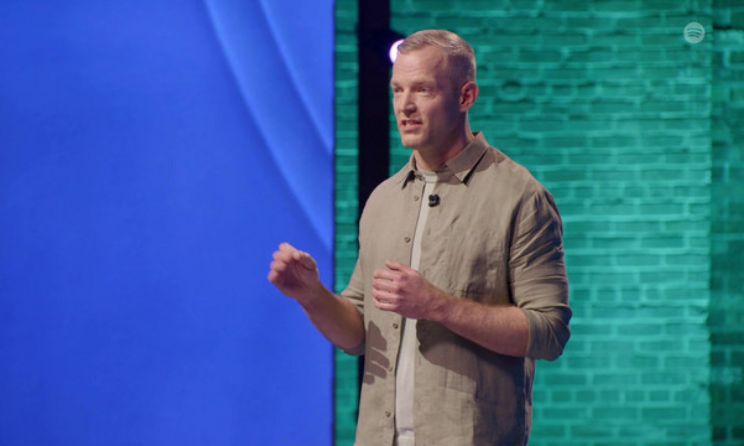
Söderström outlined two categories for AI music on the platform. The first involves “net new” music created entirely with AI tools. The second focuses on AI-generated derivatives of existing music, such as covers and remixes. It is this second category that Spotify sees as the most promising for artists.
“Everything we see tells us listeners want to interact with their favourite music and many artists want to let them, creating new revenue from their existing catalogue,” Söderström said. “We have the technology and capabilities ready to unlock this in a way that is additive for both IP rightsholders and Spotify.”
He noted that the lack of an established rights framework has so far limited AI music largely to new creations. “The absence of a rights framework has kept AI mostly focused on… net new creation,” he said. “We want to work with the industry to fix that.”
Söderström added that Spotify is already collaborating with artists and industry partners to explore the opportunity. Co-CEO Alex Norström emphasised that the company would not pursue deals that are disadvantageous to artists.
The remarks come amid wider debate in the music industry about the distribution and monetisation of AI-generated content. Universal Music Group has favoured restricting AI-generated music to the platform on which it is created, a policy adopted in its settlement with Udio last October. Warner Music Group has taken a similar approach, although some agreements, such as its deal with Suno, allow users broader creation and download capabilities.
Söderström described Spotify’s approach as a middle ground. AI derivatives would primarily be accessed and monetised within the platform, where royalties can be managed and fans are already engaged. “If you’re an artist looking to unlock this potential upside, you’d want to do it on the world’s leading music platform,” he said.
On net new AI music, Söderström said Spotify does not intend to dictate the tools artists use. Instead, the company is focused on transparency, working with labels and creators to implement metadata standards and features that disclose how tracks are made.
Spotify has also addressed concerns about AI-generated spam. Söderström acknowledged that AI could accelerate the volume of low-quality tracks but said the platform has been investing heavily to manage spam. In the previous 12 months, Spotify removed more than 75 million spam tracks, while rival platform Deezer reports receiving roughly 60,000 fully AI-generated tracks daily, accounting for nearly 39% of its daily music intake.
The conversation highlights the growing intersection of AI technology, artist rights, and music streaming, as platforms seek ways to balance innovation with fair compensation.


Most popular

Open call: 2026 Gender@Work music industry training in Johannesburg
09 Oct 2026

Top amapiano songs of 2026
16 Feb 2026

Top Naija songs of 2026
31 Mar 2026

Top Afrobeats songs of 2026
19 Mar 2026

Gambia: Suntou Susso announce UK tour for ‘The Path of a Griot’
09 Oct 2026

Call for applications: ACCES 2026 Emerging Artist Spotlight Competition
01 Oct 2026
Disclaimer: Music In Africa provides a platform for musicians and contributors to embed music and videos solely for promotional purposes. If any track or video embedded on this platform violates any copyrights please inform us immediately and we will take it down. Please read our Terms of Use for more.

Subscribe to our monthly Newsletter
Follow us on social media


Please log in to post a comment.