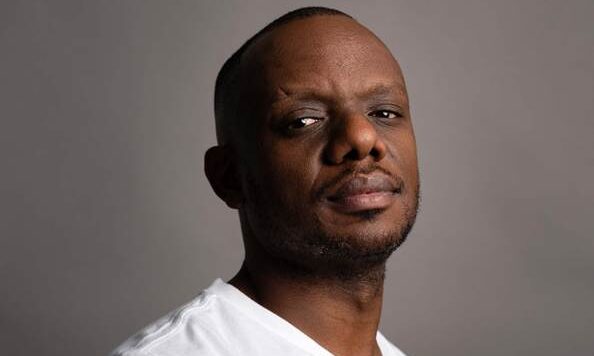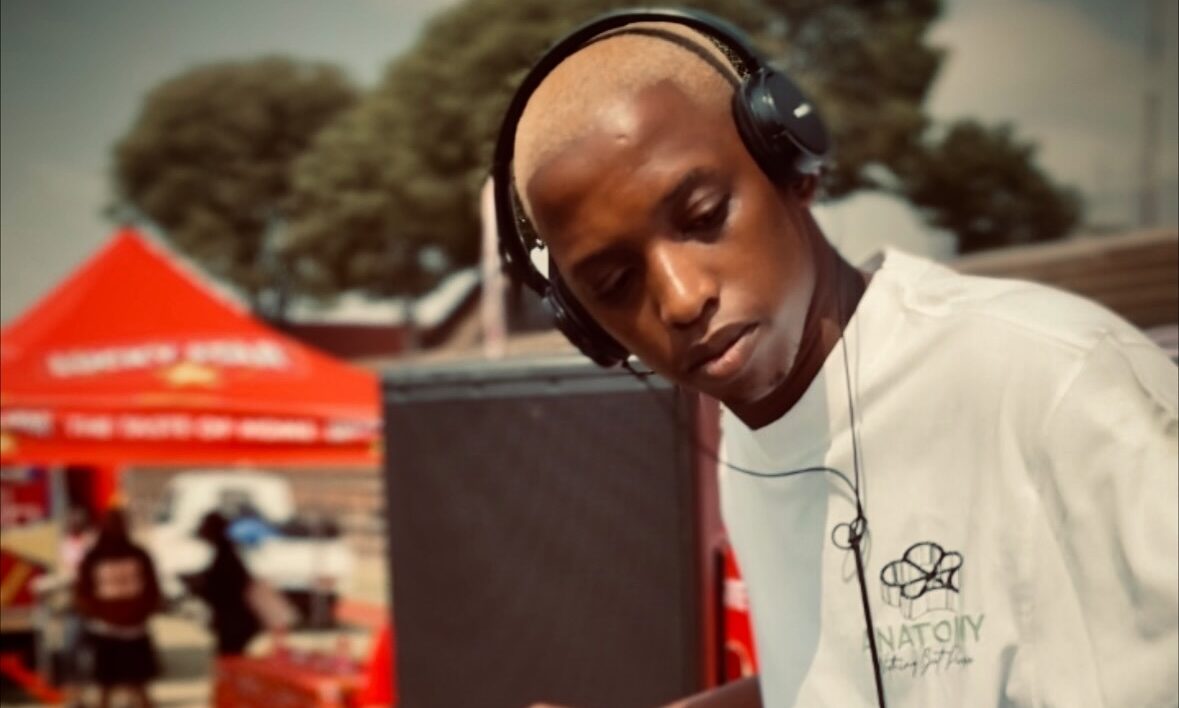
Tycoon releases ‘Art of Love III’ ft. Kabza De Small, Kelvin Momo
Morocco: ElGrandeToto expands ‘SALGOAT Vol. 2’ with extended edition, new international collabos
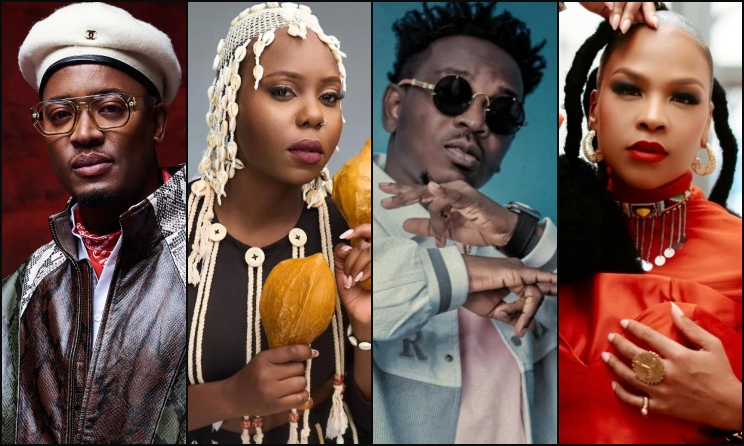
Kabza De Small tops 2026 SAMAs nominations
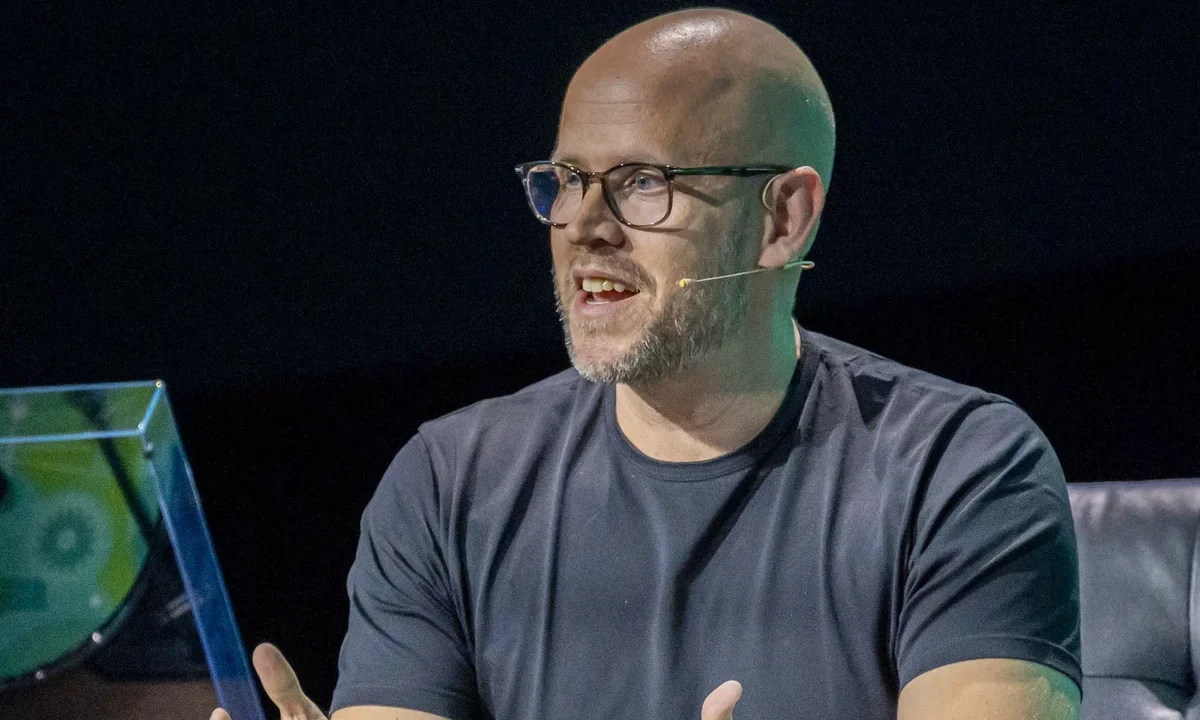
Deezer launches Remix Lab, allowing fans to create authorised song remixes
SA: Iphakadelihle releases seven-track maskandi EP ‘Omahosha’
SA: Umzulu Phaqa releases faith-inspired single ‘Unlimited Budget’
SA: Digital Sangoma to release debut album on 40th birthday
SA: The Joy release new single ‘Precious’
Open call: Cape Maclear International Film Festival 2026
SA: Shimza releases three-track Sunset in Pretoria EP
Additional 5 000 tickets to be released for Scorpion Kings Live at FNB Stadium
SAI HLE performs at Red Bull Symphonic as duo prepares new music release
Fatoumata Diawara channels displacement, resilience on new album Massa
Music review: Amy Jones delivers a reflective EDM anthem on ‘Again’
Through The Fire review: The Incredibles redefine gqom
Fatoumata Diawara honours West African history on new single ‘Djanne’
Stogie T’s Anomy is a reminder of how serious rap can be
The Brother Moves On: A Fearless Fusion of Afrocentric sound, political reflection
Pro Heed’s ‘This Feeling’ becomes a Valentine’s season anthem
Donald, Amanda Black reunite for soulful Valentine’s duet Amanga
Wav Gardn’s Umdeni blends Afrocentric neo-soul with spiritual depth
Nanette pays homage to family and legacy in Abazali
Menzi Music stays rooted in tradition on thoughtful Unamagqubu album
Review: M. Rumbi’s Goodbye Goldfish
Ringing cancer’s bell: How Umjondi became a story of friendship, grief and hope
Dwin, The Stoic: Master of ballads, architect of connection – part 2
Tsholofelo on healing, growth and the making of Burning Bush
Dwin, The Stoic: Master of ballads, architect of connection – part 1
African artists set for Roskilde Festival 2026 line-up
54 African Mamas set for SA with 2026 summit
The creator economy is producing a new generation of jobs
10 songs that defined the 1976 Soweto uprising, 50 years on
The right stage for the right sound
Yugen Blakrok: The cosmic voice redefining African alternative hip hop
The 4.7b view wake up call: What YouTube’s AI purge means for Zimbabwean creatives
What Showmax’s shift teaches young creatives about the business of entertainment
ACCES 2025 MUSIC TRADE EVENT IN TSHWANE
GET YOUR TICKETS TO SAMTHING SOWETO & DIZU PLAATJIES CONCERT
ACCES 2024 MUSIC TRADE EVENT IN RWANDA
ACCES 2023 MUSIC CONFERENCE
OPPORTUNITIES FOR AFRICAN MUSICIANS
Apply now for the Sound Connects Fund
ACCES 2023 MUSIC CONFERENCE
OPPORTUNITIES FOR AFRICAN MUSIC PROFESSIONALS
Women in African music
Music education in Africa
Electronic music in Africa
Jazz in Africa
The Music In Africa Foundation (MIAF) is proud to announce its partnership with the Industrial Development Corporation (IDC) as a Strategic Implementing Partner (SIP) for its Social Employment Fund (SEF). Through this collaboration, MIAF is launching a new national programme designed to create jobs, address skills gaps, and strengthen South Africa’s creative industries — in line with the SEF’s overarching goal to generate work for the common good and build community value through employment, social contribution, and inclusive economic participation. Operating under the banner NEFCISA (National Employment Facility for Creative Industries in South Africa), the initiative will recruit and train participants, match them with host organisations, and place a minimum of 1 000 workers across the country. Key Objectives: Support employment and entrepreneurship in the creative industries. Offer skills development and training programmes. Foster partnerships between public and private creative sectors. Promote South African creativity at both provincial and national levels Foster community development through social contribution.

Music In Africa Gender @ Work is a three-year training programme aimed at upskilling and increasing the participation of female professionals in the African music sector. Launched by the Music In Africa Foundation (MIAF) in April 2019, the programme is connected to the MIAF’s ACCES music conference – a pan-African event held in a different African country every year. This connection enables the programme to reach new participants in a different African country every year. The programme marks the beginning of a more concerted effort by the Foundation to support the participation and inclusion of women in all facets of its programmes and the music sector in Africa as a whole. Over the three years, the programme will aim to address gender imbalances in the sector through training, lobbying, facilitating knowledge exchange and dialogues that foster the interest of women. The broader objectives of the programme are to: Provide industry training for women on critical music industry skills, focusing on: Stage management Electronic music production and recording Music business management Technical knowledge Provide an opportunity for both professional and aspiring women to benefit from the Music In Africa network and its broad range of activities in 2019, 2020 and 2021. Provide a solution-based platform in the form of a round table at ACCES with a view to identify challenges, discuss opportunities and lobby for the interests of female practitioners. Offer participants the opportunity to benefit from programmes offered by MIAF’s partners. Increase access to educational materials. Integrate participants in the broader ACCES programme to maximise experience and exposure to the industry. Record and present training materials on the www.musicinafrica.net, including but not limited to tutorials, templates and other best-practice materials. Communicate women-based themes that support the initiatives and messages of the programme. MAIN TRAINING ACTIVITIES Training in first country (Ghana): In the first year, participants will be trained on all aspects of stage management by a team of experienced stage managers from 10 to 17 November 2019. The programme will offer robust classroom training as well as practical, hands-on training in which participants will also be given the opportunity to manage various aspects of the ACCES performance programme. Training in second country: The second training iteration will take place at ACCES 2020 when the programme will diversify its course to include music production lessons and training on other music business topics. A round-table platform will also be introduced to coincide with the ACCES programme. Training in third country: The third training iteration will take place at ACCES 2021 in a different country, offering an advanced course. HOW DO YOU GET INVOLVED? As a participant, facilitator or trainer: The programme enrolls up to 12 trainees every year. All opportunities are advertised publicly on this website, and will be added to this page. Please keep checking this page for new calls (below under UPDATES & CURRENT OPPORTUNITIES). As a partner Please contact Claire Metais at claire@musicinafrica.net. APPLY The call for applications for 2020 will be announced soon. The Music In Africa Gender @ Work programme is made possible with the support of the Prince Claus Fund, Siemens Stiftung and Goethe-Institut.
For cultural and creative practitioners and organisations operating in southern Africa, access to funding remains a major challenge. The COVID-19 pandemic has also had a massive impact on government policy, spending and the economy in general, and has seen spending on culture being moved further down the list of priorities. Further, the cultural and creative industries repeatedly cite four main areas where investment is needed for growth, which are increased visibility, mobility including access to new markets, finance and support structures.
Experience the Vibrations African Instruments Exhibition online in 3D
Tycoon releases ‘Art of Love III’ ft. Kabza De Small, Kelvin Momo
Morocco: ElGrandeToto expands ‘SALGOAT Vol. 2’ with extended edition, new international collabos
Kabza De Small tops 2026 SAMAs nominations
Deezer launches Remix Lab, allowing fans to create authorised song remixes
SA: Iphakadelihle releases seven-track maskandi EP ‘Omahosha’
SA: Umzulu Phaqa releases faith-inspired single ‘Unlimited Budget’
SA: Digital Sangoma to release debut album on 40th birthday
SA: The Joy release new single ‘Precious’
Open call: Cape Maclear International Film Festival 2026
SA: Shimza releases three-track Sunset in Pretoria EP
Additional 5 000 tickets to be released for Scorpion Kings Live at FNB Stadium
SAI HLE performs at Red Bull Symphonic as duo prepares new music release
Fatoumata Diawara channels displacement, resilience on new album Massa
Music review: Amy Jones delivers a reflective EDM anthem on ‘Again’
Through The Fire review: The Incredibles redefine gqom
Fatoumata Diawara honours West African history on new single ‘Djanne’
Stogie T’s Anomy is a reminder of how serious rap can be
The Brother Moves On: A Fearless Fusion of Afrocentric sound, political reflection
Pro Heed’s ‘This Feeling’ becomes a Valentine’s season anthem
Donald, Amanda Black reunite for soulful Valentine’s duet Amanga
Wav Gardn’s Umdeni blends Afrocentric neo-soul with spiritual depth
Nanette pays homage to family and legacy in Abazali
Menzi Music stays rooted in tradition on thoughtful Unamagqubu album
Review: M. Rumbi’s Goodbye Goldfish
Ringing cancer’s bell: How Umjondi became a story of friendship, grief and hope
Dwin, The Stoic: Master of ballads, architect of connection – part 2
Tsholofelo on healing, growth and the making of Burning Bush
Dwin, The Stoic: Master of ballads, architect of connection – part 1
African artists set for Roskilde Festival 2026 line-up
54 African Mamas set for SA with 2026 summit
The creator economy is producing a new generation of jobs
10 songs that defined the 1976 Soweto uprising, 50 years on
The right stage for the right sound
Yugen Blakrok: The cosmic voice redefining African alternative hip hop
The 4.7b view wake up call: What YouTube’s AI purge means for Zimbabwean creatives
What Showmax’s shift teaches young creatives about the business of entertainment
ACCES 2025 MUSIC TRADE EVENT IN TSHWANE
GET YOUR TICKETS TO SAMTHING SOWETO & DIZU PLAATJIES CONCERT
ACCES 2024 MUSIC TRADE EVENT IN RWANDA
ACCES 2023 MUSIC CONFERENCE
OPPORTUNITIES FOR AFRICAN MUSICIANS
Apply now for the Sound Connects Fund
ACCES 2023 MUSIC CONFERENCE
OPPORTUNITIES FOR AFRICAN MUSIC PROFESSIONALS
Women in African music
Music education in Africa
Electronic music in Africa
Jazz in Africa
The Music In Africa Foundation (MIAF) is proud to announce its partnership with the Industrial Development Corporation (IDC) as a Strategic Implementing Partner (SIP) for its Social Employment Fund (SEF). Through this collaboration, MIAF is launching a new national programme designed to create jobs, address skills gaps, and strengthen South Africa’s creative industries — in line with the SEF’s overarching goal to generate work for the common good and build community value through employment, social contribution, and inclusive economic participation. Operating under the banner NEFCISA (National Employment Facility for Creative Industries in South Africa), the initiative will recruit and train participants, match them with host organisations, and place a minimum of 1 000 workers across the country. Key Objectives: Support employment and entrepreneurship in the creative industries. Offer skills development and training programmes. Foster partnerships between public and private creative sectors. Promote South African creativity at both provincial and national levels Foster community development through social contribution.

Music In Africa Gender @ Work is a three-year training programme aimed at upskilling and increasing the participation of female professionals in the African music sector. Launched by the Music In Africa Foundation (MIAF) in April 2019, the programme is connected to the MIAF’s ACCES music conference – a pan-African event held in a different African country every year. This connection enables the programme to reach new participants in a different African country every year. The programme marks the beginning of a more concerted effort by the Foundation to support the participation and inclusion of women in all facets of its programmes and the music sector in Africa as a whole. Over the three years, the programme will aim to address gender imbalances in the sector through training, lobbying, facilitating knowledge exchange and dialogues that foster the interest of women. The broader objectives of the programme are to: Provide industry training for women on critical music industry skills, focusing on: Stage management Electronic music production and recording Music business management Technical knowledge Provide an opportunity for both professional and aspiring women to benefit from the Music In Africa network and its broad range of activities in 2019, 2020 and 2021. Provide a solution-based platform in the form of a round table at ACCES with a view to identify challenges, discuss opportunities and lobby for the interests of female practitioners. Offer participants the opportunity to benefit from programmes offered by MIAF’s partners. Increase access to educational materials. Integrate participants in the broader ACCES programme to maximise experience and exposure to the industry. Record and present training materials on the www.musicinafrica.net, including but not limited to tutorials, templates and other best-practice materials. Communicate women-based themes that support the initiatives and messages of the programme. MAIN TRAINING ACTIVITIES Training in first country (Ghana): In the first year, participants will be trained on all aspects of stage management by a team of experienced stage managers from 10 to 17 November 2019. The programme will offer robust classroom training as well as practical, hands-on training in which participants will also be given the opportunity to manage various aspects of the ACCES performance programme. Training in second country: The second training iteration will take place at ACCES 2020 when the programme will diversify its course to include music production lessons and training on other music business topics. A round-table platform will also be introduced to coincide with the ACCES programme. Training in third country: The third training iteration will take place at ACCES 2021 in a different country, offering an advanced course. HOW DO YOU GET INVOLVED? As a participant, facilitator or trainer: The programme enrolls up to 12 trainees every year. All opportunities are advertised publicly on this website, and will be added to this page. Please keep checking this page for new calls (below under UPDATES & CURRENT OPPORTUNITIES). As a partner Please contact Claire Metais at claire@musicinafrica.net. APPLY The call for applications for 2020 will be announced soon. The Music In Africa Gender @ Work programme is made possible with the support of the Prince Claus Fund, Siemens Stiftung and Goethe-Institut.


For cultural and creative practitioners and organisations operating in southern Africa, access to funding remains a major challenge. The COVID-19 pandemic has also had a massive impact on government policy, spending and the economy in general, and has seen spending on culture being moved further down the list of priorities. Further, the cultural and creative industries repeatedly cite four main areas where investment is needed for growth, which are increased visibility, mobility including access to new markets, finance and support structures.
Experience the Vibrations African Instruments Exhibition online in 3D