

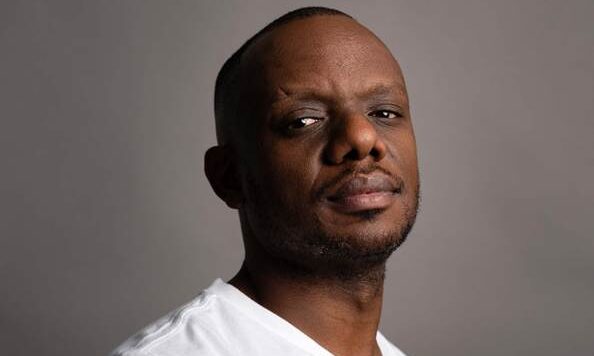
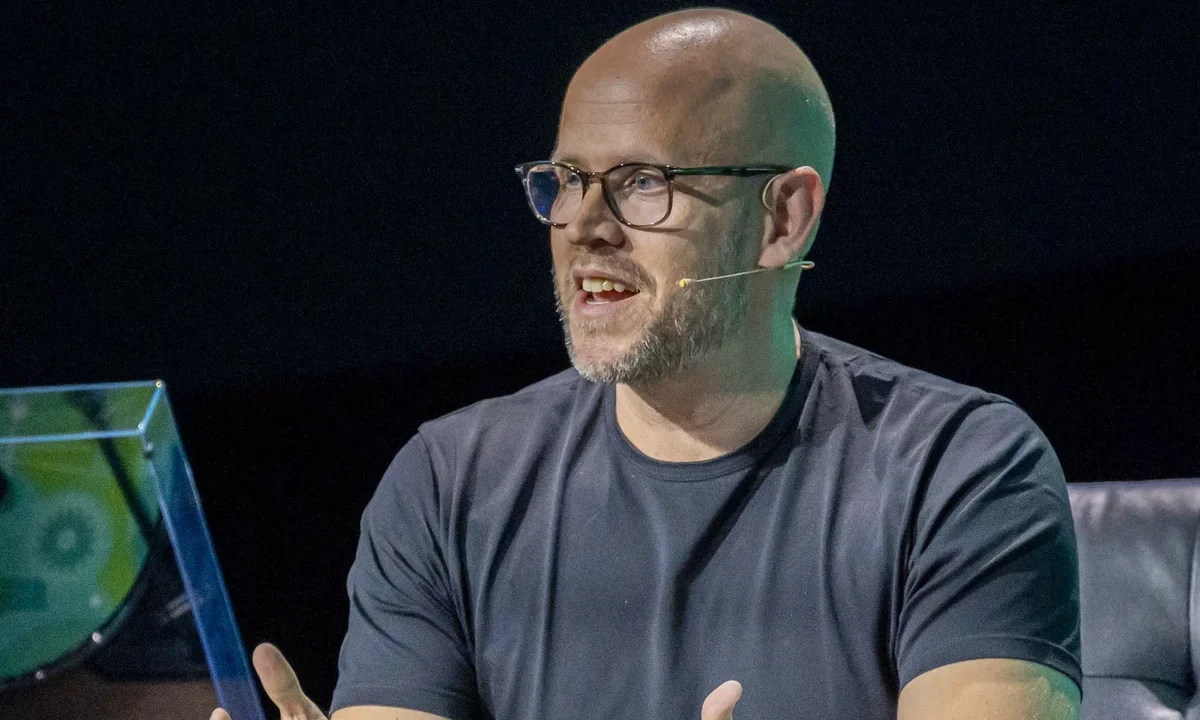


























































For many aspiring musicians, the prospect of ‘getting signed’ is their ultimate goal. But signing a contract is not the end of the road; in fact, that’s when the real work only begins. Here are some of the most common mistakes that musicians make when first signing contracts, according to Nic Burger, currently the Content & Platform Manager Africa at The Kleek, a joint project between Universal Music and Samsung. Nic has over 15 years experience in the music industry, having started his career at Gallo. He also managed his own label, F! Records, part of Soul Candi, before moving to the Universal Music Group in 2014. He has seen many promising artists rise and fall - and some fail before even finding success - due to a lack of education and understanding of basic issues in the industry, so be sure to take his tips to heart…

1. Combining master and copyrights
A lot of smaller labels try to include publishing in deals, even though they are not active publishers. They do this as they want to be included in neighbouring income and sync deals, etc. Before signing anything, you should check if they are actively collecting your income - and not just in your home territory. In the world of global digital sales, you need to ensure that you are getting your money on a global level. But it’s worth mentioning that if a label forces you to sign both master and copyrights with them - or else threatens ‘no deal’ - then one needs to question their ethics.
2. Failing to get a second opinion
Always try to get more than one opinion on a contract and to discuss all the points of your contract in detail to ensure that you understand as much as possible. There are many fly-by-night ‘entertainment lawyers’ in Africa. Almost all of them have never worked a day at a label and will argue points that are ultimately not in your favour.
3. Not understanding your rights
Ensure that you understand the rights you are signing - and be considerate. If your label is going to raise your profile, then it's only fair that they reap the additional line items generated from your success (eg. performance income). They might not actively be involved in getting a booking or performance, but you would not be getting those bookings if they didn't promote your music properly.
4. Not understanding recoupment
This is one of the biggest stumbling blocks that artists make. For example, they demand a $150 000 music video but are not informed enough to know that this amount will ultimately be deducted (either in full or partially) from their future earnings. Some labels go as far as to re-charge the costs of a lunch meeting to discuss strategy with an artist. Always ensure that you know all items that are recoupable.
5. Not understanding advances
The word ‘advance’ is so self-explanatory, so I'm still not sure why this causes so much friction. An advance is an ‘advance on future income’. Time and time again, I see artists having negative things to say about their label because they ‘only earned’ a certain amount, when in truth they earned way more as they were given an advance 6, 12 or even 24 months earlier.
6. Poor financial planning
Ensure you understand how music income is paid and when. Most companies traditionally pay twice a year (in June and December), although this is often changing to quarterly payments. Too many artists don't consider that their income needs to be divided over the months to come and instead spend it all immediately, which results in cash flow issues before their next royalty payment. Understand that the income received is for a period and could be less or more in the following period. Also, ensure that you understand income tax laws in your respective territory and what portion needs to be put aside for income tax.
7. Relaxing after signing
No amount of money can buy you fame. Once you have signed a contract, then the real work begins. After your album or single is released, then it’s time for public appearances, social media promotion and lots more. Do not sit back and think your label will do all the work for you. In this age of social media, your fanbase want to be part of your life and you need to work extremely hard to keep your name ‘front and centre’. A hit record simply is not enough anymore to ensure a decent income.
8. Not getting collaborators on paper
The cracks usually being to appear after someone becomes famous and has a hit single. A common situation is when someone who worked on a recording in some way tries to take credit for it and potentially even sues for ‘damages’. It's therefore advisable to always get signatures on paper. Ensure that whoever contributes to your work has some form of paperwork in place.
9. Losing creative control
Labels exist for a reason and in all likelihood you as an artist approached them for a reason. Keep this in mind, but at the same time make sure you are not signing away creative control. Your brand and identity are as big a part of your career as your music. Ensure that you understand what and how they can use your image. I always recommend maintaining sign-off powers on all major decisions. However, if you are slack at replying to emails, consider that your slowness might potentially cost your label a lucrative deal.
10. Poor communication
One of the biggest mistakes that artists make is in their communication. They may spend hours on their social media but fail to reply to simple communications, be it an email, a Whatsapp message or simply returning a phone call. Effective communication is key in a successful career.


Most popular

Call For Applications : ACCES seeks a UK-based performer
10 Sep 2026

Top amapiano songs of 2026
16 Feb 2026

Top Afrobeats songs of 2026
19 Mar 2026

Open call: Goethe-Institut grants for Southern African creatives
08 Sep 2026
AFRIMA 2026: All the winners
12 Jan 2026

Open call: Ernst von Siemens Music Foundation 2026 funding programmes
04 Sep 2026
Open call: FAME Week Africa, Pressure Cooker Studios songwriting camp
09 Sep 2026
Disclaimer: Music In Africa provides a platform for musicians and contributors to embed music and videos solely for promotional purposes. If any track or video embedded on this platform violates any copyrights please inform us immediately and we will take it down. Please read our Terms of Use for more.

Subscribe to our monthly Newsletter
Follow us on social media


Please log in to post a comment.